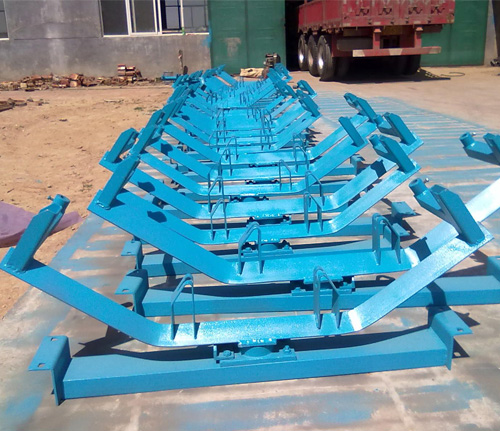
Which conveyor bracket design handles coal dust without letting idlers drift?
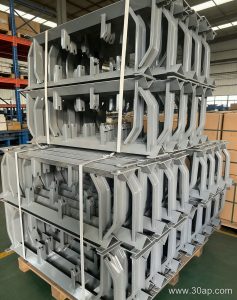
In a mineral-processing plant, coal dust settles into every crevice, so a flat mounting pad can hide a growing misalignment. The bracket must shed fines rather than trap them.
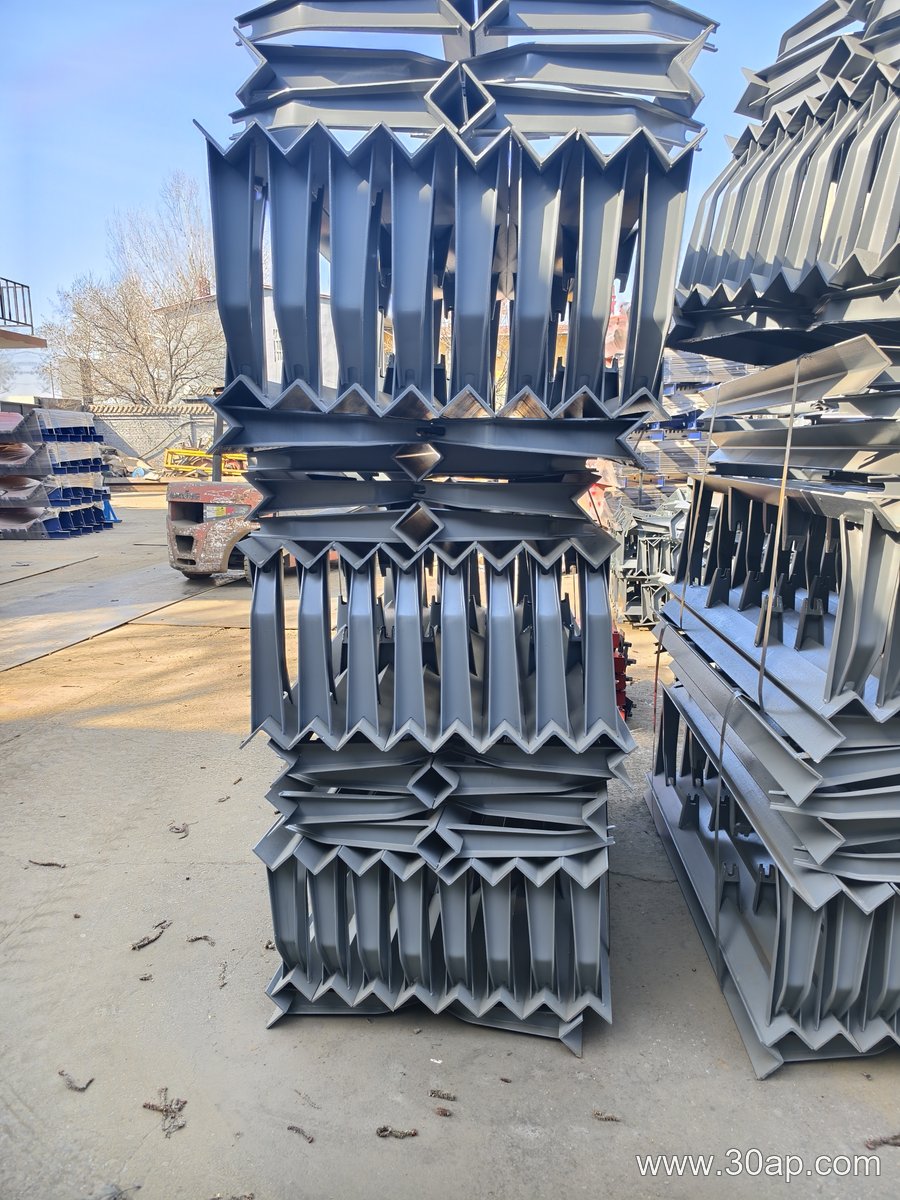
What to check on the bracket
- Sloped or open top surfaces that let coal dust slide off.
- Slotted holes that allow lateral idler adjustment after settling.
- Stiff enough gauge to resist belt pull without flexing.
A conveyor bracket with these features keeps the idler carrying the belt at the intended height, even after weeks of dust buildup.
What Else Matters Beyond Abrasion Resistance?
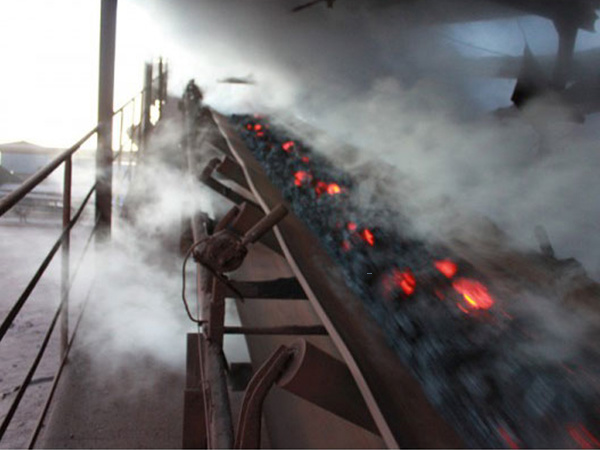
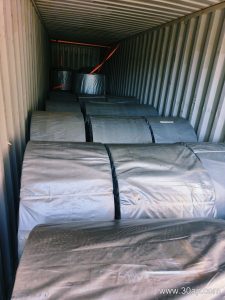
A cement plant handles limestone, clinker and gypsum. These materials are abrasive, but they also arrive hot and dusty. A conveyor belt with a high abrasion-resistant cover may still fail early if it cannot tolerate heat or oil. The question is whether one property is enough.
How Abrasion and Heat Interact
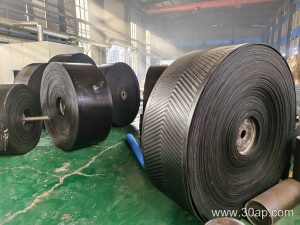
Abrasion resistance protects the cover from wearing thin. Heat resistance prevents the cover and carcass from hardening or delaminating. In a cement plant, hot clinker can reach temperatures that degrade a standard abrasion-resistant belt. The belt may wear slowly at the edges but crack over the pulley. That is a heat problem, not an abrasion problem.
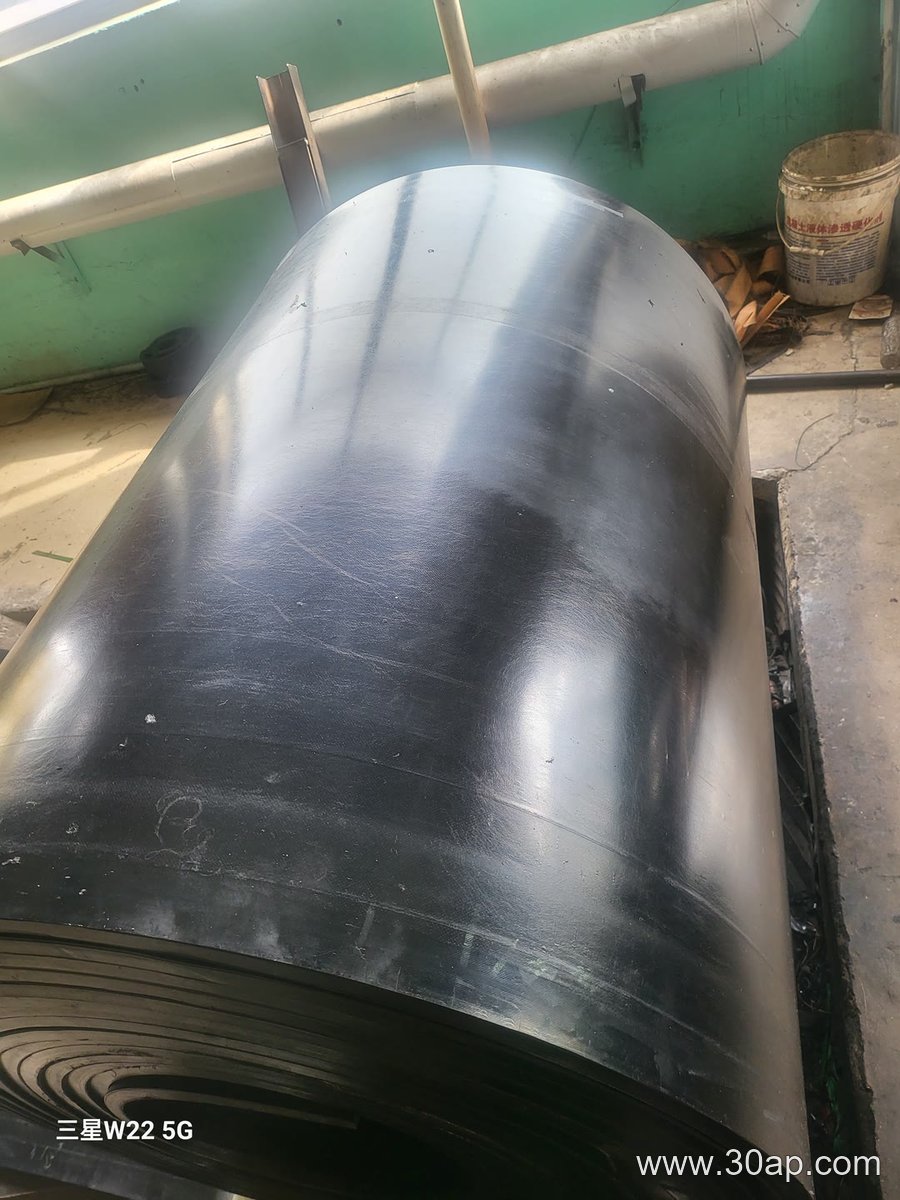
Three Checks Before Choosing
- Measure the material temperature at the loading point and along the carry run.
- Check for oil or grease exposure from bearings and gearboxes.
- Confirm the belt’s cover grade matches both abrasion and heat conditions.
No single property guarantees performance. A conveyor belt must be selected for the dominant risk, then checked against secondary risks. In a cement plant, abrasion resistance is necessary but rarely sufficient.
Why tube welding and bearing fit decide idler roller life
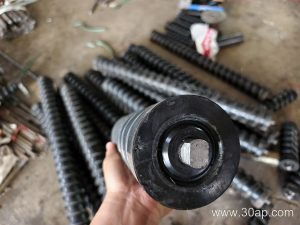
An idler roller can look identical outside yet fail in months. The difference often comes from two manufacturing stages: tube welding and bearing housing fit. Poor weld heat can warp the shell, so the idler roller runs out of round and loads one bearing. A loose housing lets the bearing spin and wear the bore.
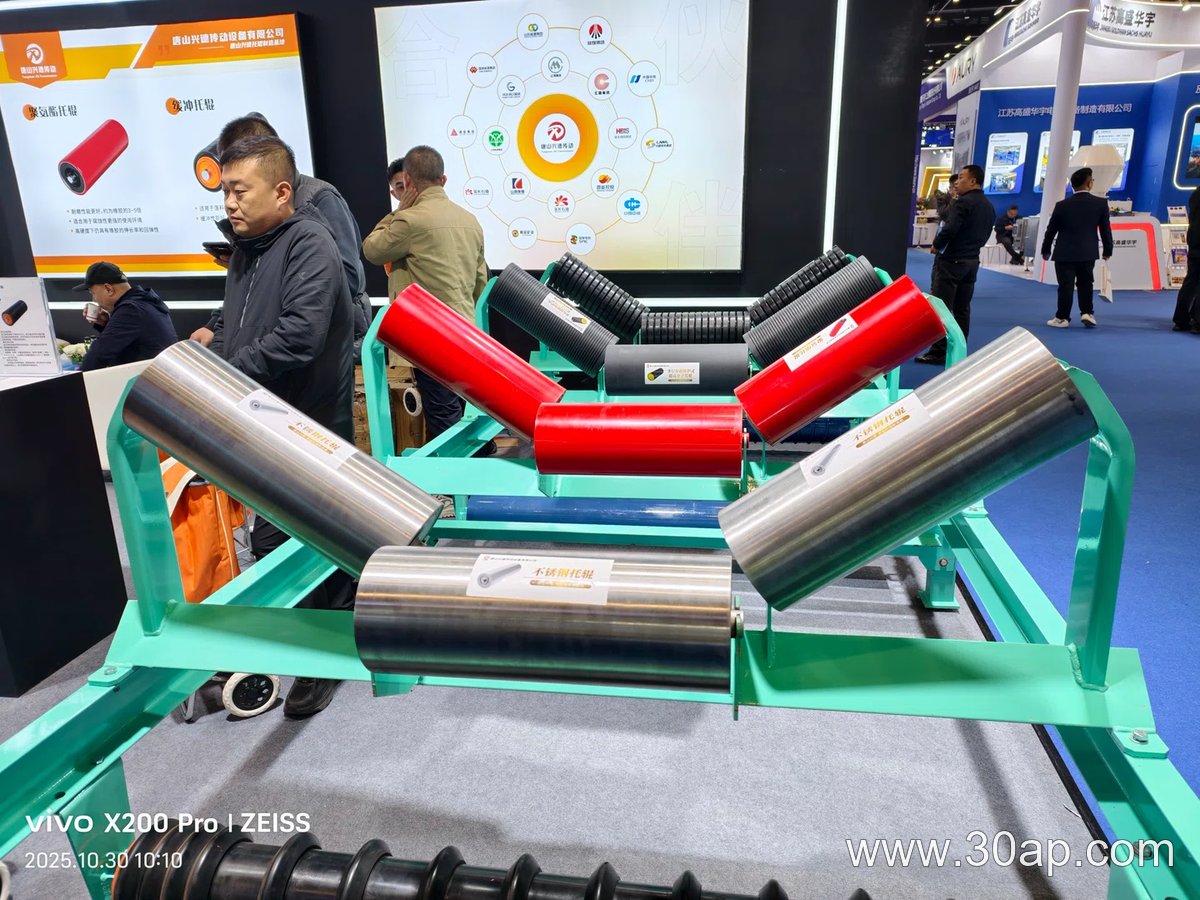
Stages that shape finished quality
- Tube cutting and squaring: crooked ends cause uneven belt contact.
- Welding: controlled heat limits distortion and keeps the idler roller straight.
- Bearing press fit: correct interference prevents creep and vibration.
- Sealing: a clean, seated seal keeps dust out of the bearing.
On a general manufacturing line, these checks matter more than a thick shell. A straight, well-sealed idler roller tracks quietly and lasts.
Why Iron Ore Punishes a Conveyor Pulley
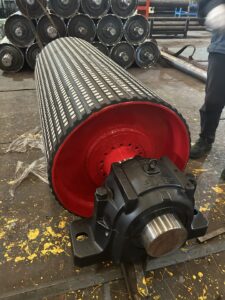
Sharp, dense ore concentrates pressure at the belt contact zone. The conveyor pulley must resist abrasion at the shell and lagging while keeping the belt tracking straight under surge loads. In a mineral-processing plant, a hypothetical 1,200 mm wide belt carrying lump ore illustrates the trade-offs.
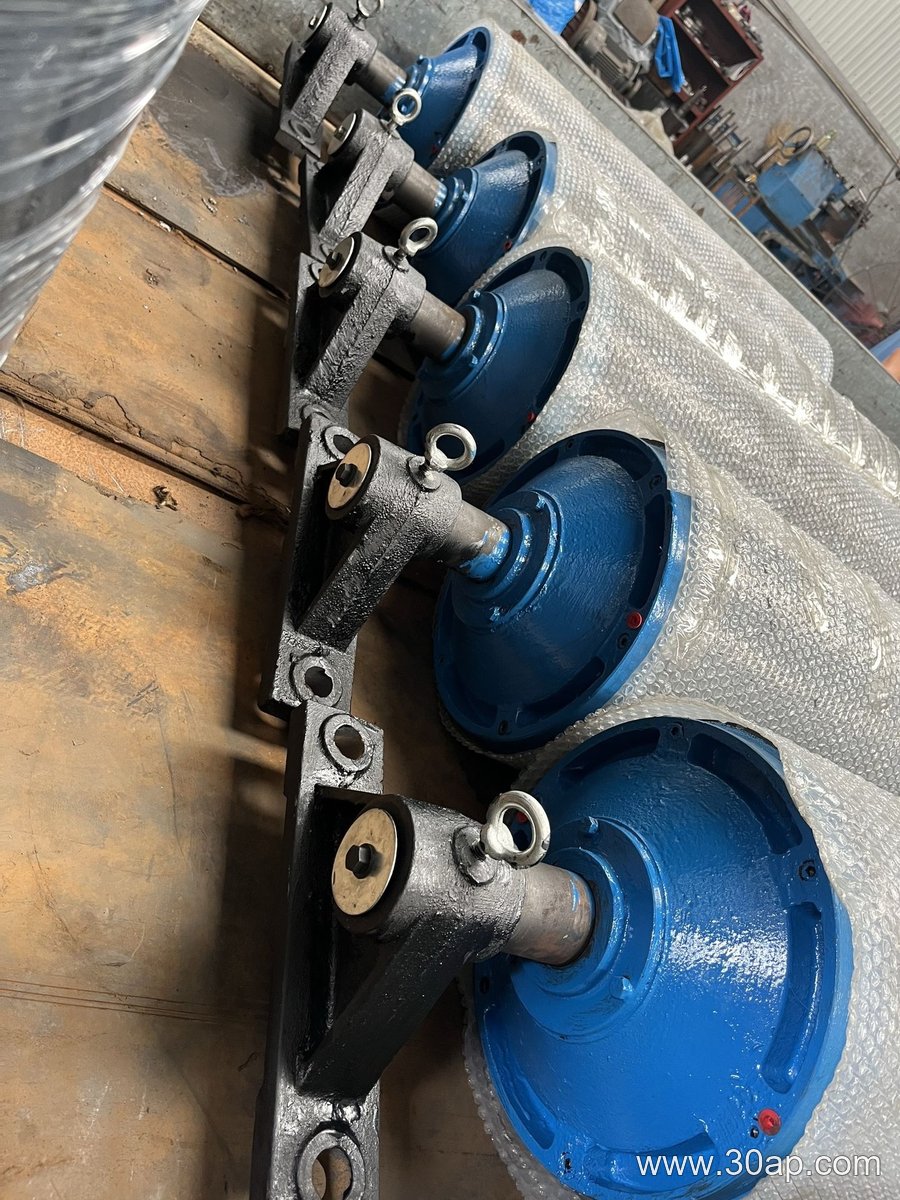
Checks Before Specifying
- Confirm lump size and drop height, since impact accelerates lagging wear.
- Match shell thickness to expected tension and abrasion, not to a default catalog value.
- Choose lagging hardness and groove pattern for grip without trapping fines.
- Verify shaft and hub fit for the calculated bending load.
For a discharge-end pulley, a slightly thicker shell and moderate rubber lagging often balance wear life and belt grip. A tail bend pulley may need a cleaner profile if fines build up. These are engineering examples, not universal ratings; final dimensions come from the actual belt tension and duty calculation.