What a Conveyor Ceramic Lagged Pulley Is
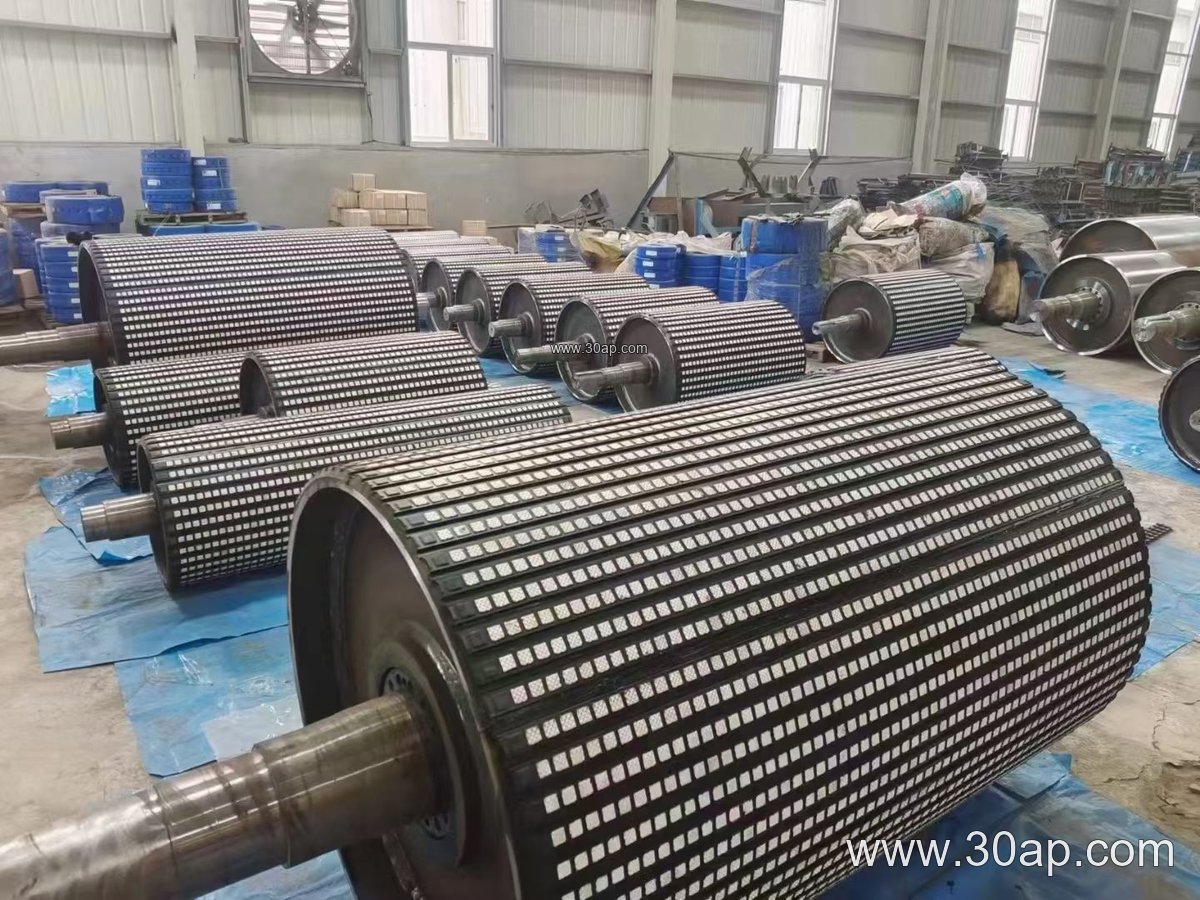
A conveyor ceramic lagged pulley is a conveyor pulley whose outer shell is covered with a rubber layer embedded with ceramic tiles. The ceramic pieces sit in a raised pattern, and the rubber between them holds them in place while providing a flexible base. This combination gives the pulley face a hard, abrasive-resistant contact surface that grips the conveyor belt far better than a plain steel shell, especially when the belt is wet, dusty, or carrying a heavy load. In many plants the same component is simply called a ceramic lagged drum or ceramic rubber lagged pulley, and it is treated as one product family rather than a separate machine.
The ceramic lagging is not a cosmetic coating. It is a wear part designed to protect both the pulley shell and the belt, and to keep torque transfer stable over a long service life.
How the Ceramic Lagging Is Built
Most ceramic lagged pulleys use a rubber base layer that is bonded to the pulley shell, with ceramic tiles vulcanized into the rubber. The tiles are usually small squares or rectangles set in a staggered or diamond-style layout, and the gaps between them are filled with rubber so the surface stays slightly flexible. Common lagging thickness values are 8 mm, 10 mm, 12 mm, 15 mm, and 20 mm, chosen according to belt tension and duty. The ceramic surface can be plain-pattern or grooved, and the rubber can be natural rubber, SBR, or a wear-resistant compound.
Bonding quality matters more than tile hardness alone. A poorly bonded tile can pop out and damage the conveyor belt, so buyers should ask how the lagging is applied and whether the pulley shell has been properly prepared and primed before vulcanization.
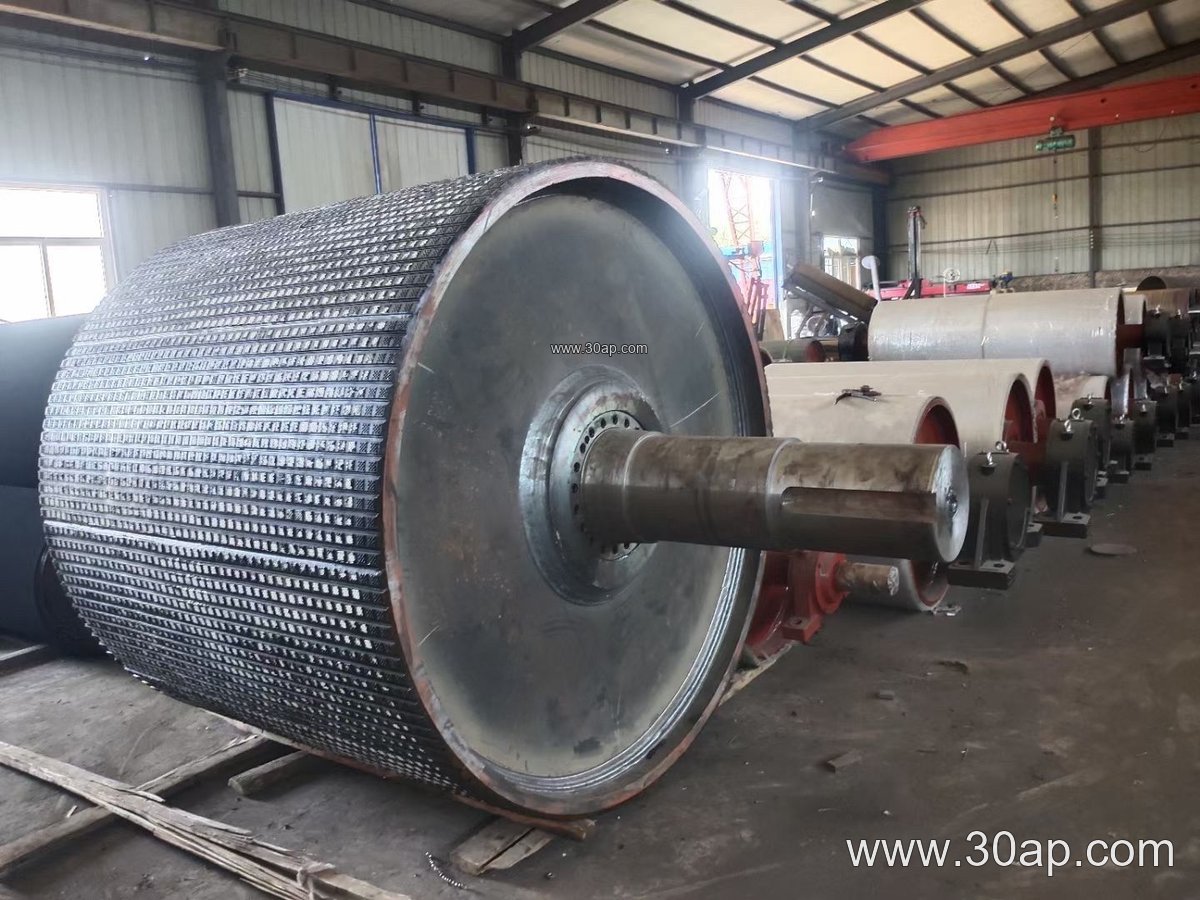
- Shell: seamless steel tube or rolled and welded shell, machined for balance
- Lagging: rubber base with embedded ceramic tiles
- Shaft: usually forged or bright-drawn steel, sized by torque and load
- Bearing housings: cast or fabricated, with grease points
- Locking: keyed hubs, shrink discs, or weld-on hubs depending on design
Where It Is Used
This pulley type fits positions where slip is costly and the environment is dirty. In a quarry or aggregate line, a ceramic lagged drive pulley on the head end helps the belt start under a full load of crushed stone. In a coal handling system at a power plant, the same surface resists coal dust and moisture that would otherwise reduce friction. Cement plants use ceramic lagging on pulleys that handle clinker and limestone, while iron ore and copper ore operations often choose it where fines and slurry are present.
It is also used on tension pulleys and bend pulleys in long overland systems, though the drive position is where the grip advantage is most obvious. A matching conveyor belt specification, such as an abrasion resistant or heavy-duty mining belt, should be reviewed together with the pulley lagging so the two wear together rather than against each other.
Sizes and Design Combinations
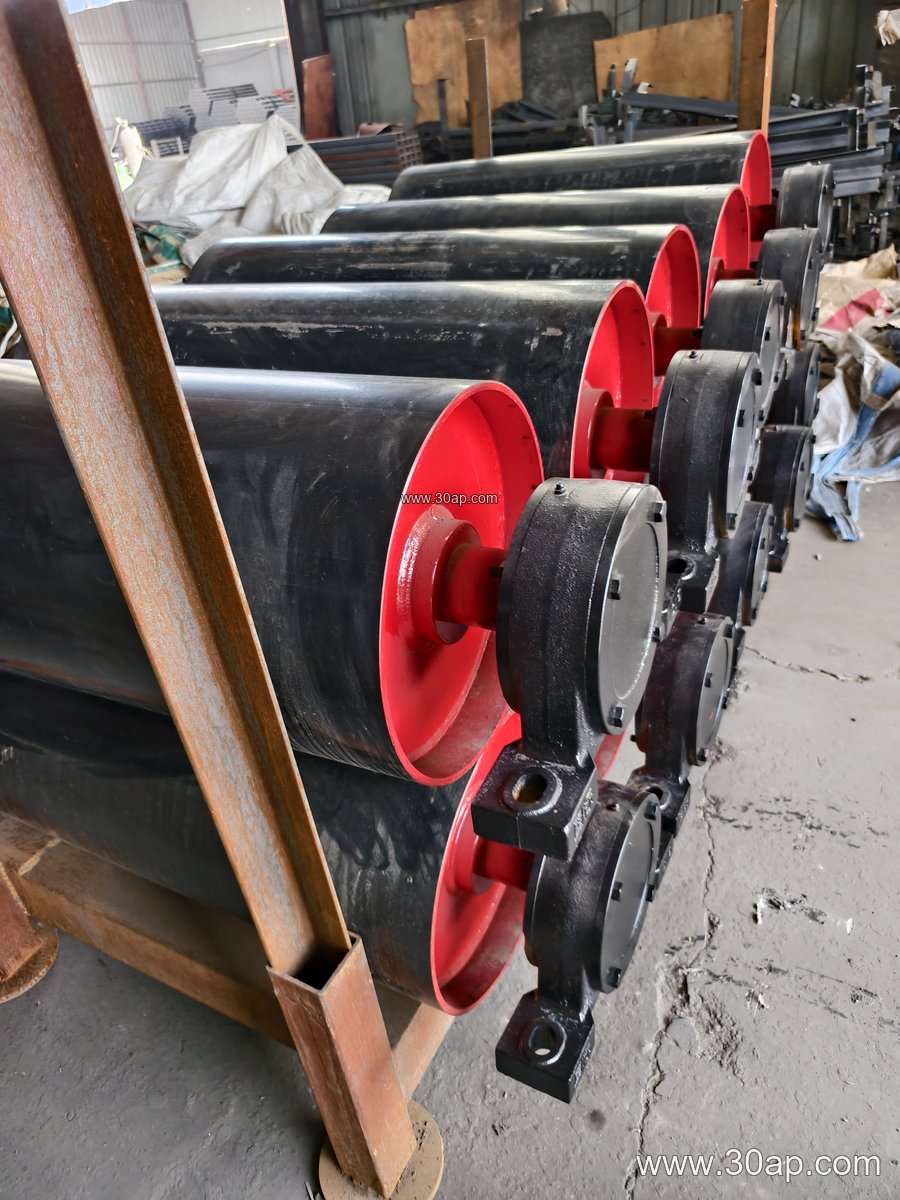
Ceramic lagged pulleys follow the same basic dimensioning as other conveyor pulleys. Belt width and pulley diameter are separate decisions, and one belt width does not lock in a single diameter. Common belt widths include B650, B800, B1000, B1200, B1400, and B1600, while pulley diameters commonly range from Ø315 to Ø1250 depending on tension and wrap angle. Face width is normally a little wider than the belt, for example B800 with a face around 950 mm or B1200 with a face around 1400 mm. Shaft diameter is set by torque and load, not by belt width alone.
| Belt width | Typical face width | Example diameter range | Example shaft range |
|---|---|---|---|
| B650 | about 750 mm | Ø315 to Ø630 | Ø60 to Ø100 |
| B800 | about 950 mm | Ø400 to Ø800 | Ø70 to Ø120 |
| B1000 | about 1150 mm | Ø500 to Ø1000 | Ø80 to Ø140 |
| B1200 | about 1400 mm | Ø630 to Ø1000 | Ø90 to Ø160 |
| B1400 | about 1600 mm | Ø800 to Ø1250 | Ø100 to Ø180 |
These are reference combinations, not fixed rules. A B1200 × Ø1000 ceramic lagged pulley is a common style, but a B1200 system may also use a smaller or larger drum depending on the conveyor layout.
What Buyers Should Check
Start with the duty. A pulley in a crusher discharge or a wet coal yard needs different lagging than one on a clean, light-duty line. Ask for the lagging thickness, the ceramic tile size and pattern, and the rubber compound. Confirm the shaft diameter and bearing size against the actual radial load, and check that the pulley bracket and conveyor bracket dimensions match the existing frame.
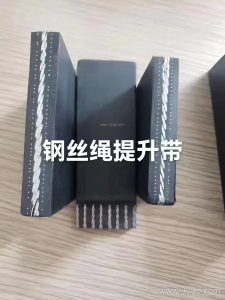
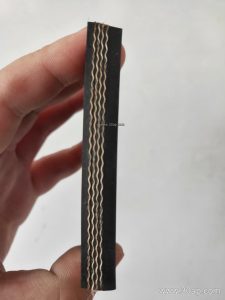
Also think about the belt it will run against. A steel cord conveyor belt and a multi-ply fabric core belt behave differently under the same lagging, and a very stiff belt may need a larger diameter to control bending stress. For dusty or wet service, an anti-static or flame retardant belt may be required in the same area, so the pulley and belt specification should be reviewed together.
Finally, plan maintenance. Ceramic tiles can chip if the belt tracking is poor or if foreign metal enters the system, so periodic inspection of the lagging surface, the conveyor pulley bearings, and the idler roller alignment is worthwhile. Good tracking protects the ceramic layer and keeps the whole conveyor running smoothly.