Understanding the EP1250 Conveyor Belt
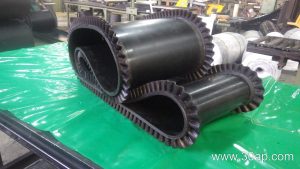
The EP1250 Conveyor Belt is a heavy-duty fabric-core belt built for demanding bulk material handling. The “EP” stands for polyester warp and nylon weft, a composite that gives the belt high tensile strength, low elongation, and excellent resistance to fatigue. With a nominal breaking strength of 1250 N/mm, this belt sits in the upper mid-range of EP constructions, making it a practical choice for long hauls, steep inclines, and high-tonnage operations in mining, cement, steel, and power generation.
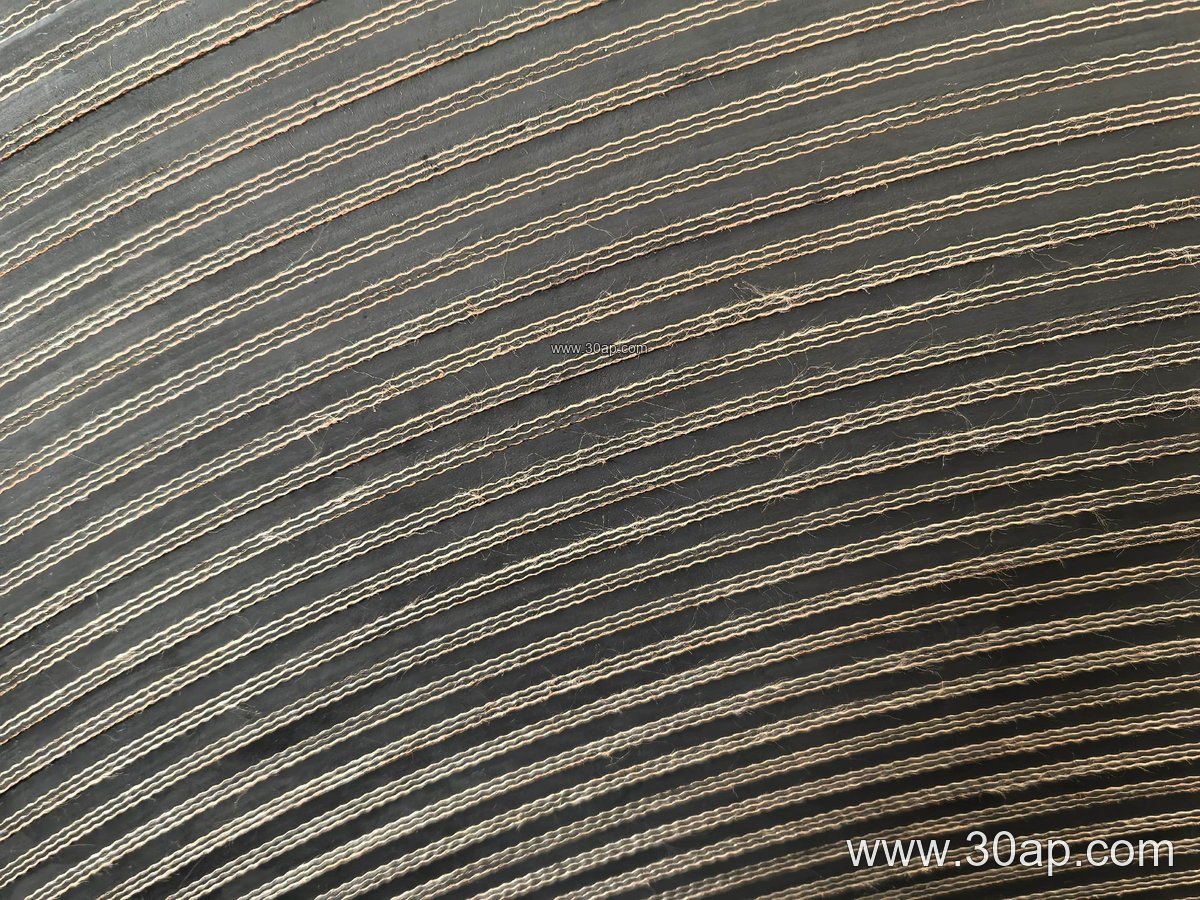
As a Multi-Ply Fabric Core Conveyor Belt, the EP1250 typically uses multiple plies of EP fabric bonded together. This structure distributes load across the plies and provides a balance between strength and flexibility that steel cord belts cannot always match in certain conveyor geometries.
Construction and Key Components
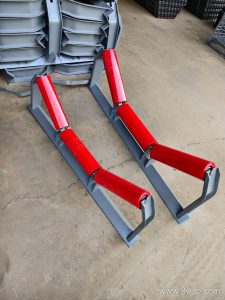
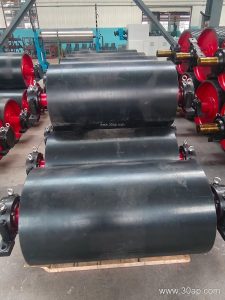
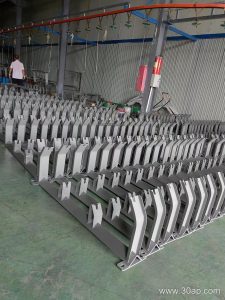
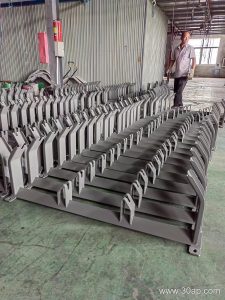
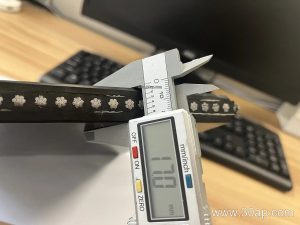
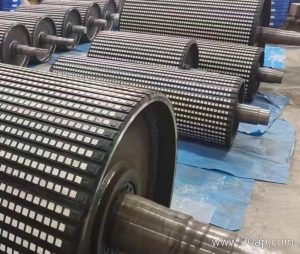
The belt’s core is made from EP fabric plies, usually two to six layers depending on the required strength and safety factor. The plies are bonded with a specially formulated rubber compound that ensures adhesion and prevents delamination under repeated flexing. Top and bottom cover rubber protect the carcass from abrasion, impact, and environmental attack. The belt works in sync with conveyor pulleys, idler rollers, and conveyor brackets, all of which must be correctly sized to handle the belt’s tension and load.
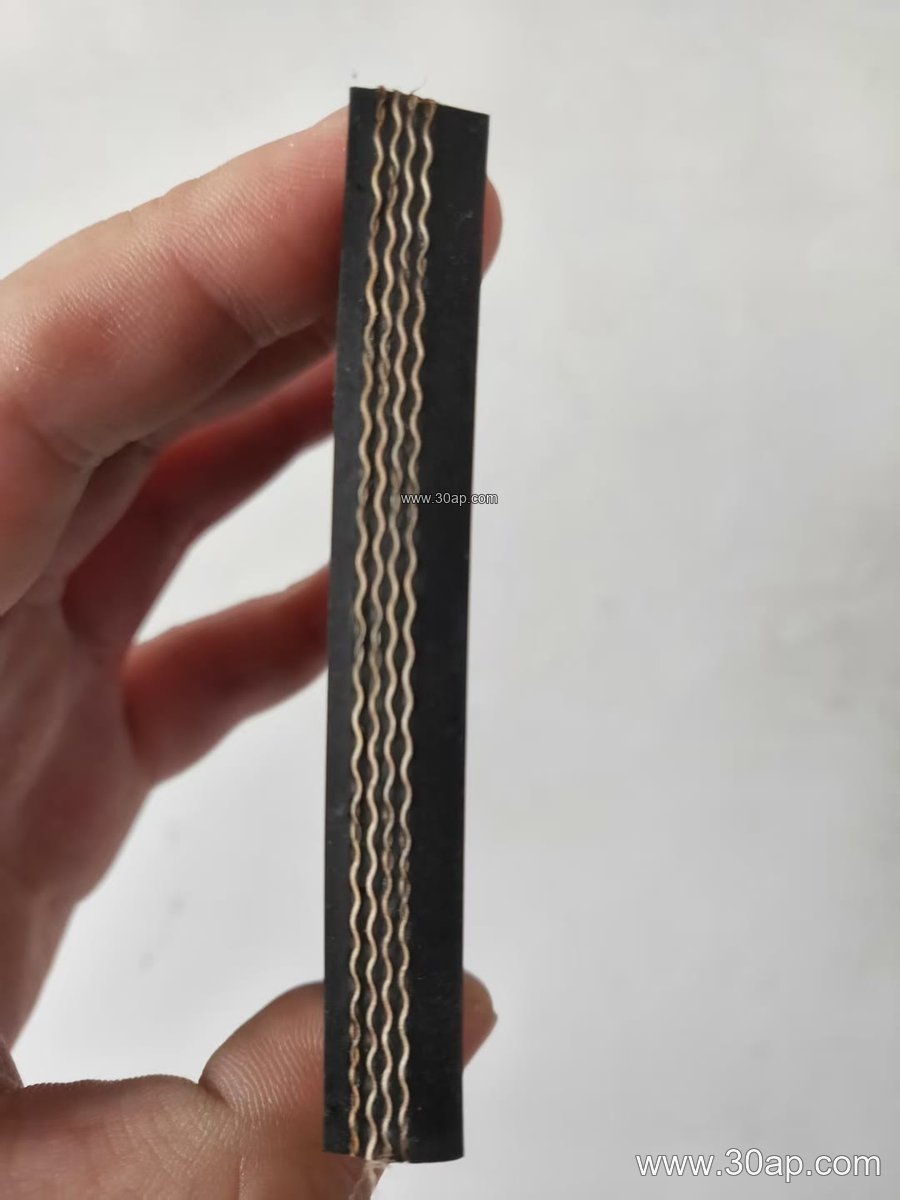
Cover thickness is commonly specified in pairs such as 6+2 mm or 8+3 mm for heavy-duty applications. Buyers should confirm cover grade based on the material being conveyed—abrasion-resistant for sharp rock, heat-resistant for clinker, or flame-retardant for underground coal mining.
Where the EP1250 Fits
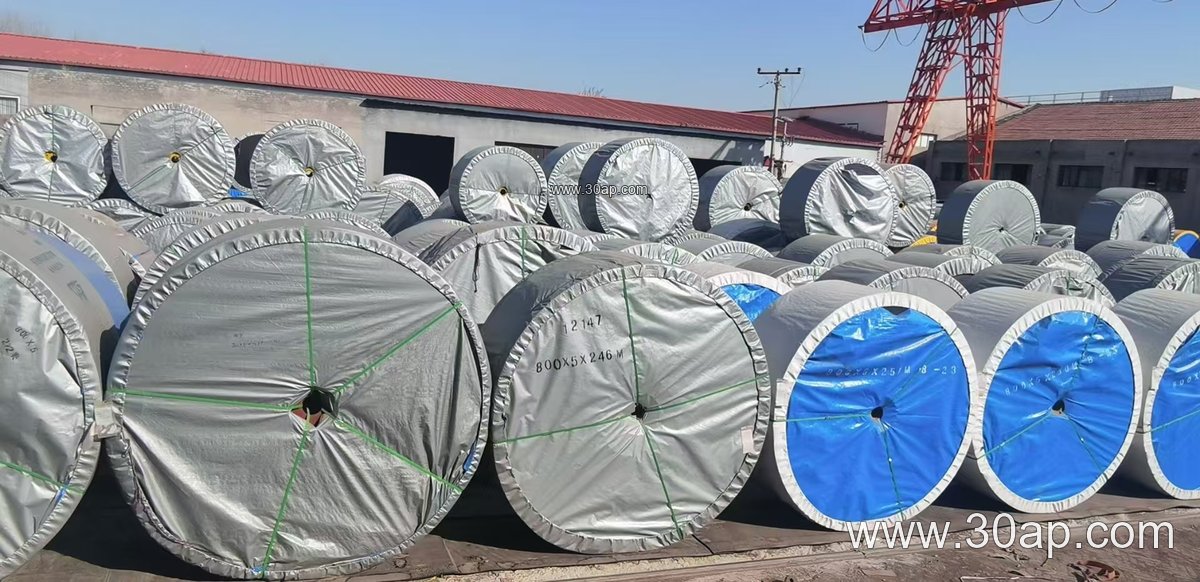
This belt is widely used in quarry and aggregate operations, where it handles crushed stone and sand at high throughput. In coal mining, flame-retardant versions are essential for underground safety. Cement plants rely on heat-resistant variants for transporting clinker and raw meal. Power plants use it for coal and ash handling, while steel plants deploy it for ore and coke. The belt also appears in port conveyor systems and ship loading facilities where long distances and high tension are routine.
For extremely abrasive iron ore or copper ore, a high abrasion resistant conveyor belt grade may be specified. In cold climates, a cold resistant conveyor belt compound prevents cracking. These are variations of the same product family, not replacements for the EP1250 itself.
Specifications at a Glance
The table below lists common reference values. Actual supply depends on the manufacturer and the application’s design requirements.
| Parameter | Common Range |
|---|---|
| Nominal strength | EP1250 (1250 N/mm) |
| Belt width | B800, B1000, B1200, B1400, B1600, B1800, B2000 |
| Cover thickness | 4+2 mm, 5+2 mm, 6+2 mm, 8+3 mm |
| Number of plies | 2 to 6 |
| Cover grades | Abrasion resistant, heat resistant, flame retardant, oil resistant, cold resistant, anti-static |
Note that belt width and pulley diameter are selected independently based on tension, load, and space; a given width does not dictate a single pulley size.
Selection and Maintenance Tips
When choosing an EP1250 Conveyor Belt, consider the maximum tension the conveyor will develop, the lump size and temperature of the material, and the environmental conditions. For underground coal mining, a flame retardant conveyor belt with anti-static properties is typically mandatory. In cement or lime applications, heat resistant conveyor belt grades protect against premature cover failure.
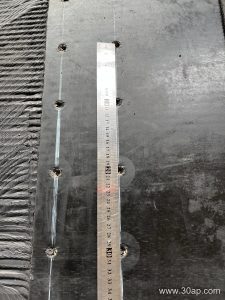
Proper maintenance extends belt life. Check idler rollers for seizure, ensure pulleys are aligned, and monitor belt tracking. A worn conveyor bracket can cause misalignment and edge damage. Inspect splices regularly, as they are often the first point of failure. Keep the belt clean and avoid material buildup on return rollers.
For high-impact loading points, consider an impact resistant conveyor belt variant or add impact idlers. In food processing, a food grade conveyor belt would be a different construction entirely, so specify according to the industry.
Buyer Checklist
- Confirm the required strength class and safety factor.
- Specify cover grade and thickness for the material and environment.
- Provide belt width and ply count based on conveyor design.
- State any special requirements such as flame retardancy or oil resistance.
- Verify that pulleys, idlers, and brackets are compatible with the belt’s tension rating.
Whether the project involves a new quarry conveyor or a replacement on an existing coal mining line, the EP1250 Conveyor Belt offers a robust, versatile solution when matched correctly to the duty.