What a Guide Idler Bracket Does
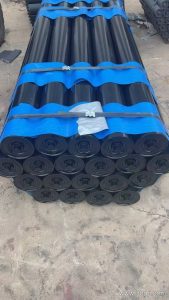
A guide idler bracket is a structural component that holds and positions guide idlers—sometimes called training idlers—so the conveyor belt stays centered on the carrying and return runs. Unlike a standard troughing idler bracket that simply supports the belt, this bracket is designed to allow or force a small amount of angular movement, which nudges a misaligned belt back on track. In quarry, cement plant, and bulk terminal conveyors, a well-chosen guide idler bracket reduces edge damage and spillage without overloading the belt.
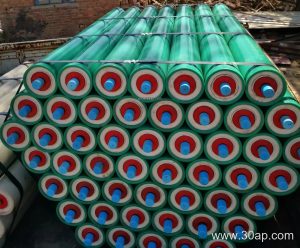
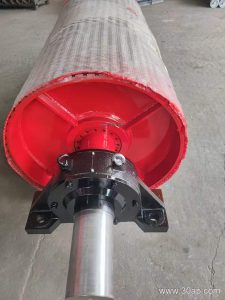
The bracket works together with the conveyor belt and the idler roller it carries. When the belt drifts, the guide idler reacts, and the bracket transmits that correction to the frame. This makes the guide idler bracket a small but important part of the tracking system, distinct from drive pulleys, tail pulleys, and bend pulleys, which handle power transmission and direction changes rather than continuous tracking.
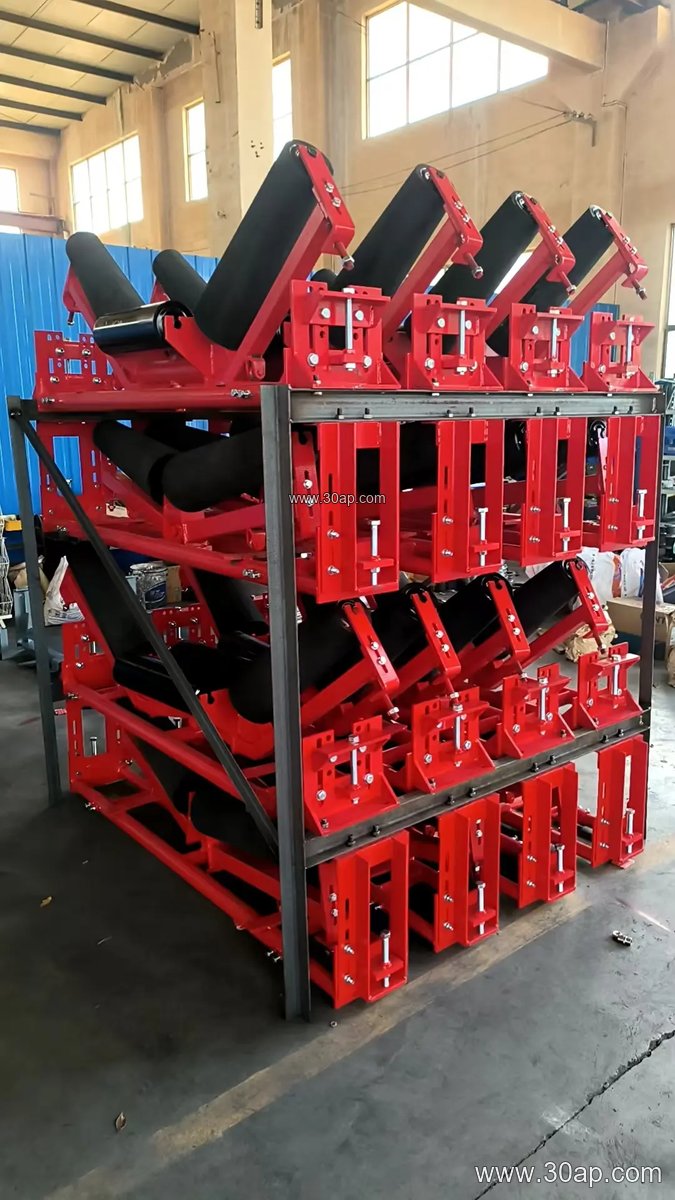
Construction and Mounting Arrangements
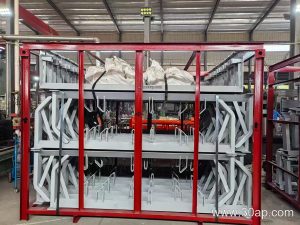
Most guide idler brackets are fabricated from angle steel, channel steel, or folded steel plate. The material choice depends on the load and the environment: a heavy-duty mining conveyor belt in an underground coal mining operation may call for thicker channel sections, while a lighter aggregate conveyor belt in a sand and gravel line can use folded plate. Common surface treatments include painting or galvanizing, but the exact finish should be confirmed with the supplier for the site conditions.
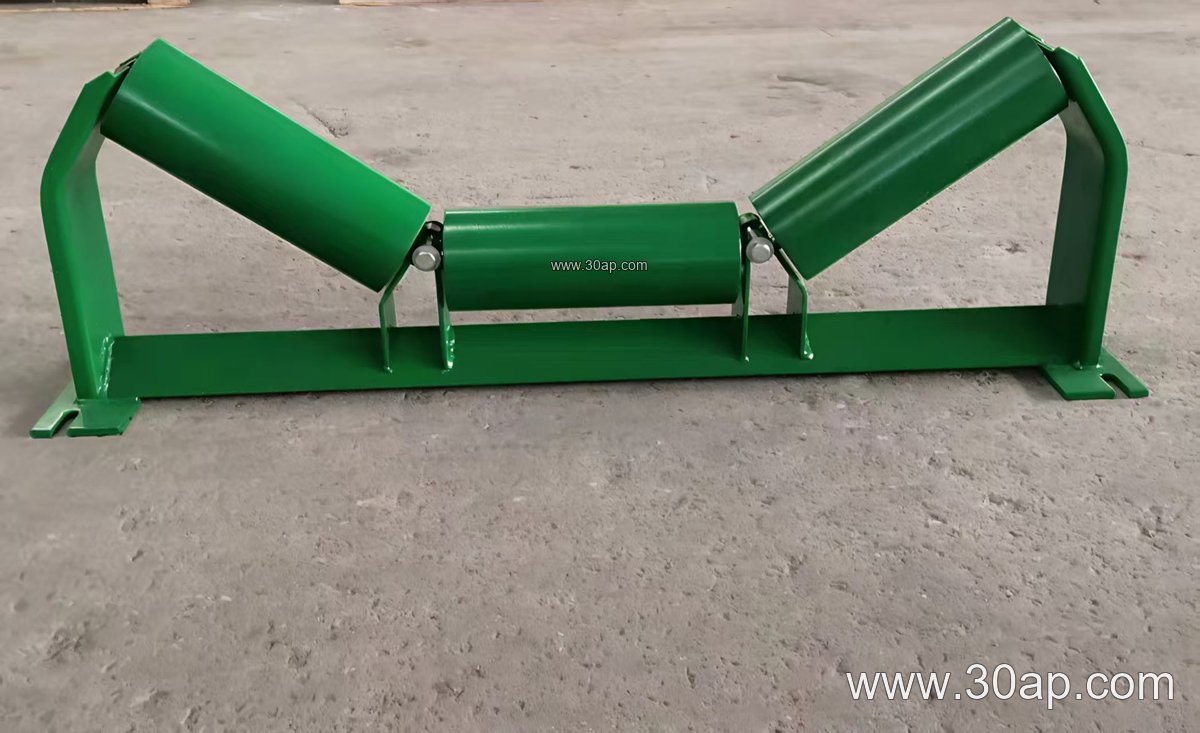
Mounting varies by design. Fixed guide idler brackets are welded or bolted directly to the conveyor frame at a set angle. Adjustable brackets allow the idler position or tilt to be changed on site, which is useful during commissioning or when belt tension and load change. The bracket is usually paired with a V-return or flat return idler on the return side, or with a training idler on the carrying side. It should not be confused with a troughing bracket, which sets the trough angle of the carrying idlers.
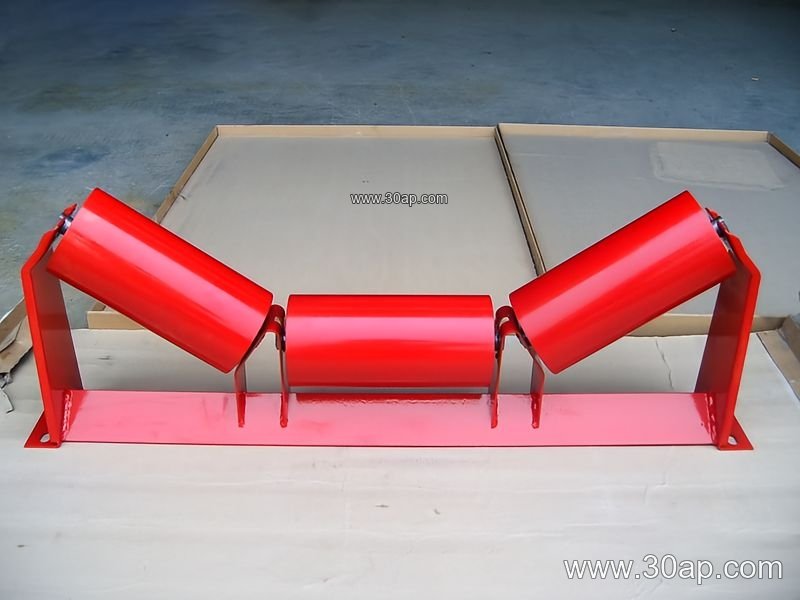
Where Guide Idler Brackets Are Used
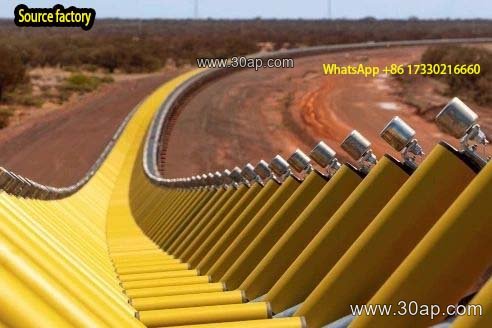
These brackets appear wherever belt tracking is critical. In a limestone quarry, a guide idler bracket on the return run helps keep a steel cord conveyor belt centered after the crusher discharge. In a coal washing plant, a flame retardant conveyor belt on a long incline benefits from guide brackets that resist vibration and side loading. Power plant coal handling and port ship loading conveyors also use them to protect belt edges on high-capacity runs.
A guide idler bracket is not a substitute for correct pulley alignment or proper belt tensioning. It is a fine-tuning device. On a pipe conveyor belt or a corrugated sidewall conveyor belt, the bracket design must match the special idler profile, so buyers should confirm compatibility rather than assuming a standard bracket will fit.
Matching Brackets to Belt Width, Trough Angle, and Roller Diameter
There is no single bracket size for all conveyors. The bracket must suit the belt width, the required trough angle, and the idler roller diameter. The table below shows common reference combinations; actual mounting hole spacing and beam length are determined by the conveyor design.
| Belt Width | Trough Angle | Idler Diameter | Typical Bracket Type |
|---|---|---|---|
| B500 | 20°–30° | Ø89 | Adjustable guide bracket |
| B650 | 30° | Ø89–Ø108 | Fixed or adjustable |
| B800 | 35° | Ø108 | Troughing guide bracket |
| B1000 | 35°–45° | Ø108–Ø133 | Adjustable guide bracket |
| B1200 | 45° | Ø133 | Heavy-duty guide bracket |
| B1400 | 35°–45° | Ø133–Ø159 | Fixed or adjustable |
| B1600 | 35°–45° | Ø159 | Heavy-duty guide bracket |
| B1800 | 35°–45° | Ø159–Ø194 | Heavy-duty guide bracket |
| B2000 | 35°–45° | Ø194 | Engineered bracket |
These values are common references, not mandatory pairings. A B800 belt can be used with different trough angles and roller diameters depending on load and speed. Buyers should provide the belt width, idler diameter, frame dimensions, and whether the bracket is for the carrying or return side.
Buyer Checklist
- Confirm the bracket type: fixed, adjustable, V-return, or training bracket.
- Check material and finish for the environment—dust, moisture, or corrosive atmosphere.
- Match the bracket to the idler roller diameter and belt width, not just the conveyor model.
- Ask for mounting dimensions and verify them against the existing frame.
- Consider belt type: an abrasion resistant conveyor belt may need a different guide setup than an oil resistant conveyor belt.
- Plan for maintenance access; adjustable brackets simplify re-alignment after belt replacement.
For reliable tracking, the guide idler bracket should be selected as part of the whole conveyor system, alongside the conveyor pulley, idler roller, and belt. More technical details on conveyor components can be found at beltconveyorparts.com and idlerbracketpro.com, where guide idler bracket options are described for different industrial conveyors.