What an Idler Bracket Does on a Conveyor
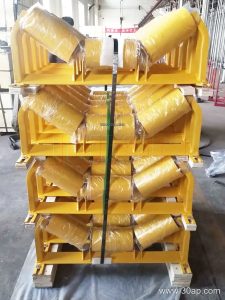
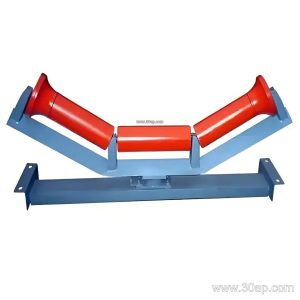
An idler bracket is the structural component that holds conveyor idler rollers in the correct position and angle beneath the conveyor belt. Sometimes called a conveyor bracket or idler frame, it carries the load transmitted from the belt through the rollers into the conveyor stringer or frame. Without a properly aligned bracket, even a well-made idler roller will run off-centre, wear unevenly and shorten belt life. In a quarry, a coal washing plant or a cement clinker line, the bracket is a small but decisive part of the whole conveying chain.
The bracket does not move material itself. Its job is geometry and support: keeping the trough shape, maintaining spacing between rollers, and holding the assembly steady under vibration and impact. That is why bracket selection deserves the same attention as the conveyor belt and the pulleys.
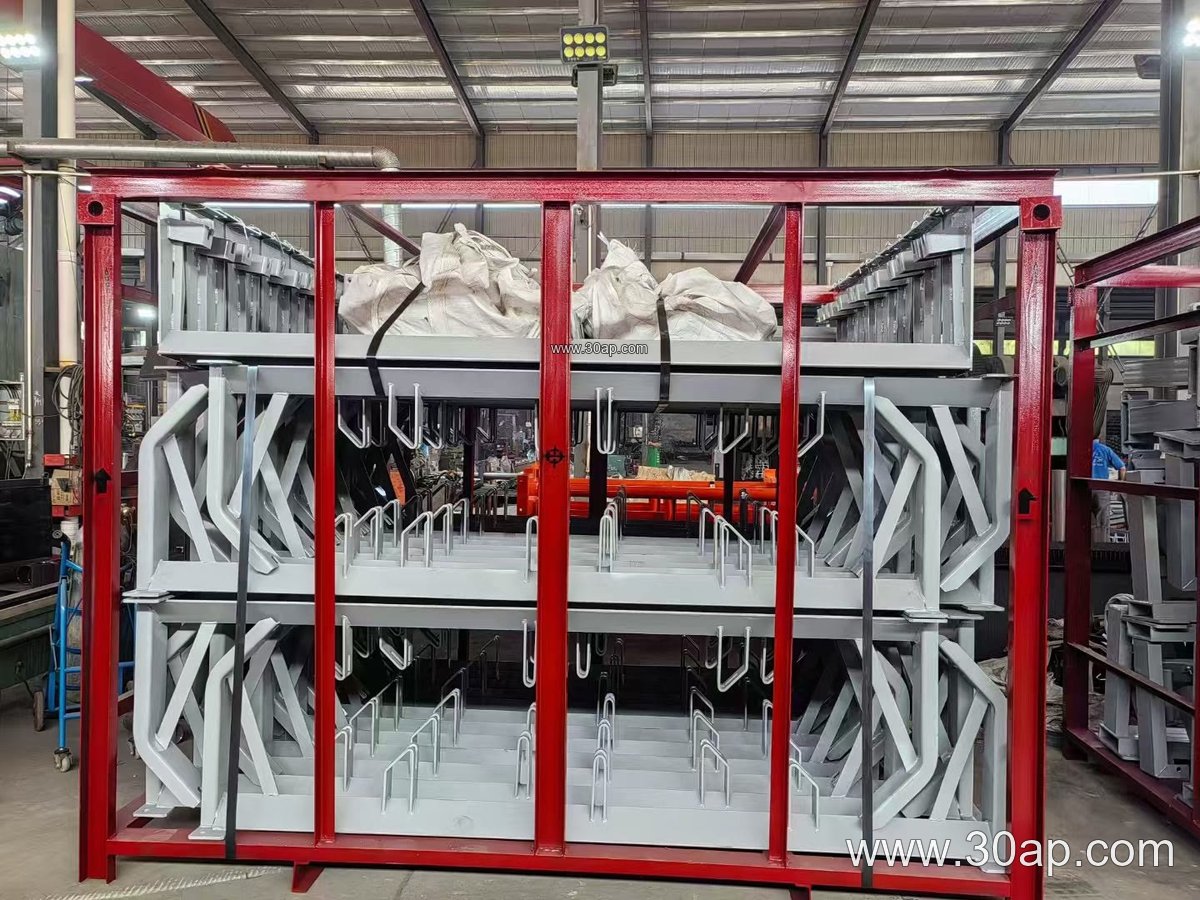
Construction and Common Materials
Most idler brackets are fabricated from angle steel, channel steel or folded steel plate. The frame is drilled or punched to accept idler shafts, then welded or bolted into a rigid unit. Surface treatment usually involves painting or galvanising, depending on the environment. In wet or corrosive settings such as a port terminal or a fertiliser plant, the coating matters as much as the steel thickness.
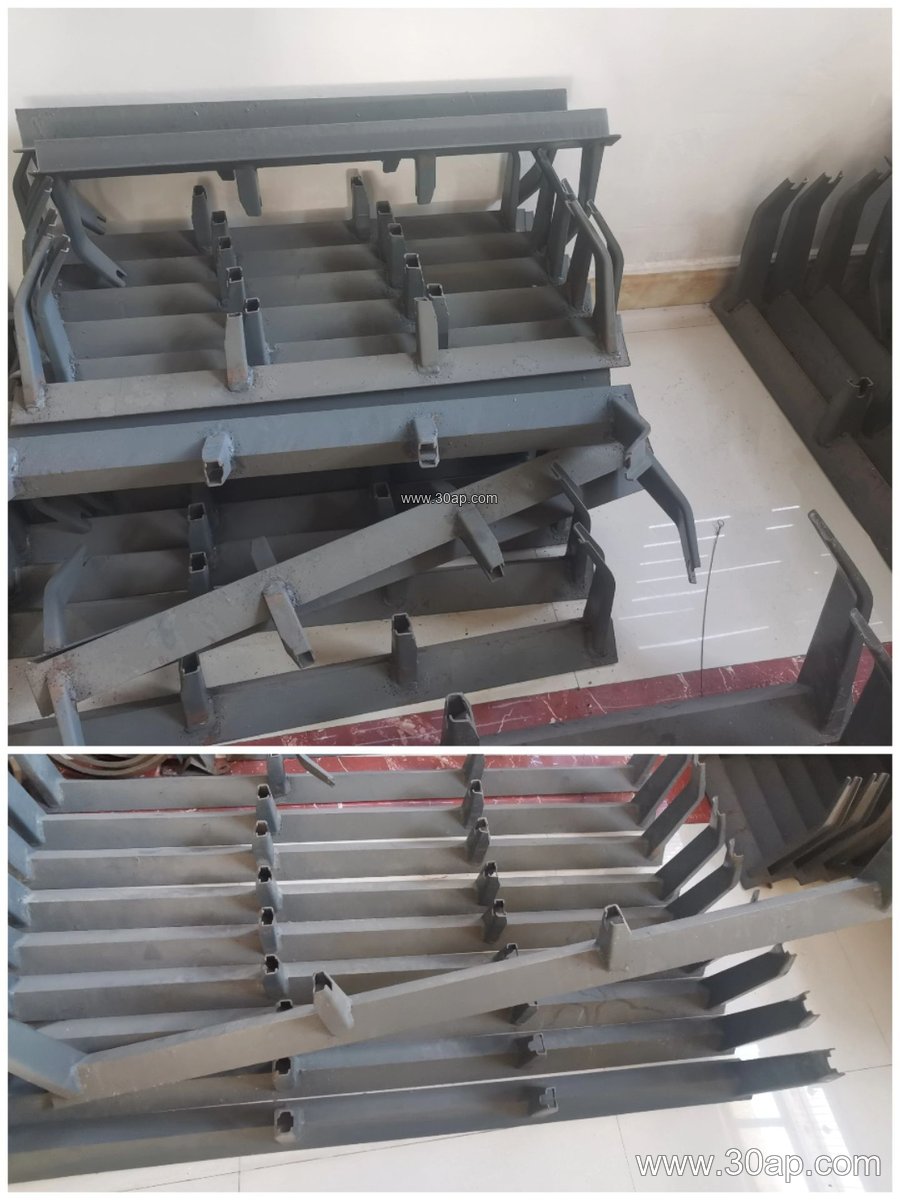
Typical forms include trough brackets, transition brackets, return brackets, V-return brackets, impact brackets, self-aligning brackets and adjustable brackets. Each has a distinct role, and they are not interchangeable. A trough bracket sets the carrying idlers; a return bracket supports the belt on its way back. Self-aligning brackets correct minor belt tracking errors, while impact brackets sit under loading points to absorb shock from falling material.
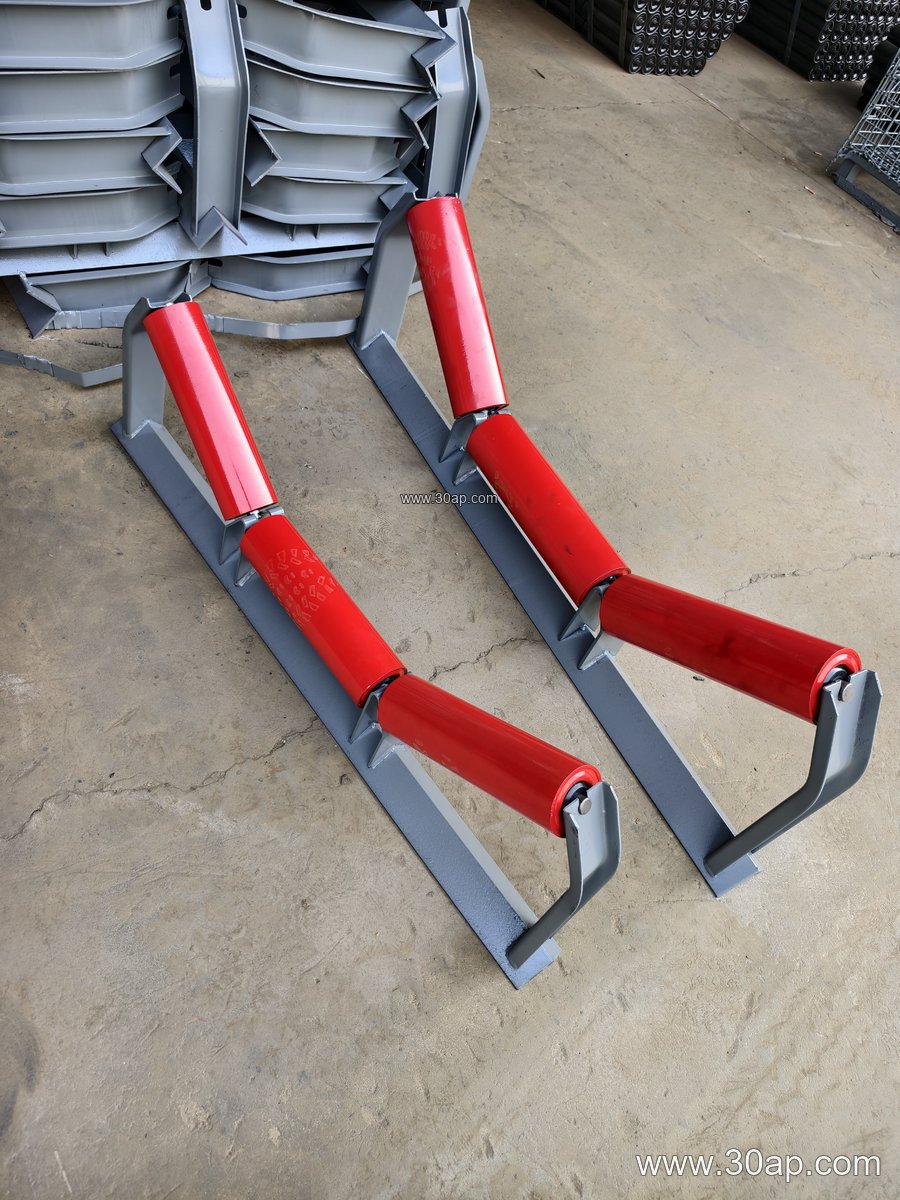
Matching Bracket, Belt Width and Roller Diameter
Bracket dimensions follow belt width, trough angle and roller diameter. Common belt widths range from B500 and B650 up through B800, B1000, B1200, B1400, B1600 and B1800, with wider frames available for large installations. Trough angles are usually 20, 30, 35 or 45 degrees, and adjustable brackets allow the angle to be changed within that range. Roller diameters such as Ø89, Ø108, Ø133, Ø159 and Ø194 are matched to load and belt speed by design.
There is no fixed rule that ties one belt width to one trough angle or one roller diameter. A B800 frame might be specified at 35 degrees with Ø108 rollers for a sand and gravel line, while a B1200 conveyor in an iron ore plant may use 45 degrees and Ø133 rollers. Installation hole spacing and beam length change with width and angle, so these values should always come from the conveyor design rather than from a generic table.
| Reference item | Common range | Notes |
|---|---|---|
| Belt width | B500 to B1800, wider by design | Frame length follows width |
| Trough angle | 20, 30, 35, 45 degrees | Adjustable versions vary within range |
| Roller diameter | Ø89, Ø108, Ø133, Ø159, Ø194 | Selected by load and speed |
| Forward tilt | About 1.5 to 2 degrees | Used on forward-tilt brackets |
Where Idler Brackets Are Used
In a limestone mine or crushing and screening circuit, trough brackets carry heavy Run-of-mine rock, often beneath an abrasion resistant conveyor belt. In a power plant coal yard, flame retardant and anti-static belts run on brackets that must resist dust and occasional moisture. Cement plants use them along clinker and raw meal lines, while steel plants rely on them in sinter and coke transport. The same component appears in tunnel muck removal, grain silos and bulk material terminals.
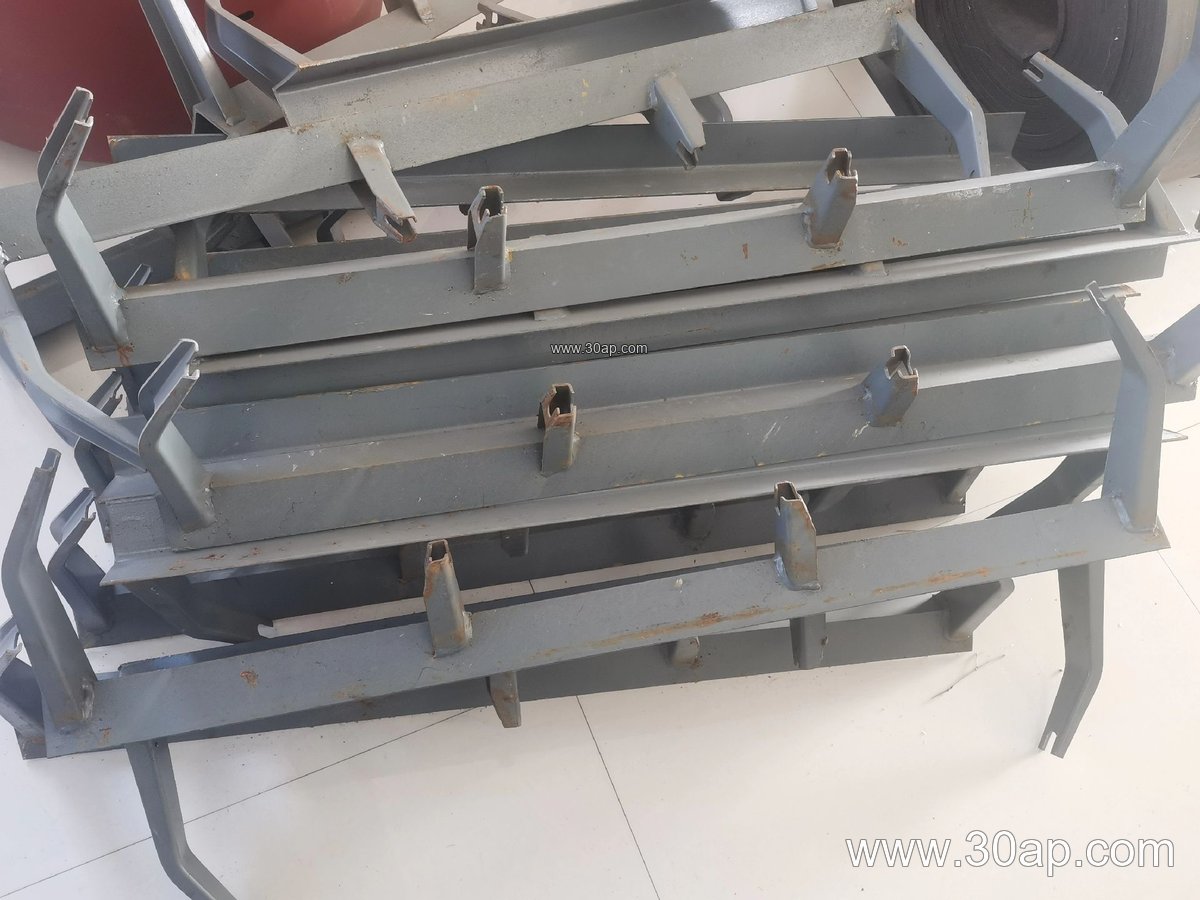
Bracket choice also interacts with the belt type. A pipe conveyor belt, a corrugated sidewall belt or a chevron belt may need special frame geometry, while a standard EP conveyor belt or steel cord conveyor belt usually runs on conventional trough brackets. Getting this match right prevents edge damage and reduces spillage.
Buyer Checklist and Maintenance
- Confirm belt width, trough angle and roller diameter against the conveyor drawing.
- Check material and coating against the site: dusty, wet, corrosive or high-impact.
- Verify hole spacing and beam length rather than assuming a standard.
- Inspect brackets during shutdowns for bent frames, loose bolts and worn mounting points.
- Replace damaged brackets before they misalign idler rollers and damage the belt.
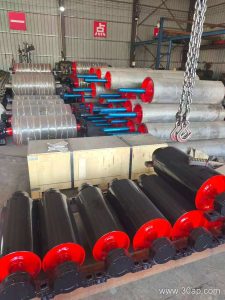
For related equipment, buyers often review the conveyor pulley, idler roller and conveyor belt together, since bracket alignment affects all three. Further details on brackets and belt matching are available at www.example.com/idler-bracket and www.example.com/conveyor-bracket. A well-chosen idler bracket is a low-cost way to protect a much more expensive conveyor belt.