What the EP630 Conveyor Belt Is
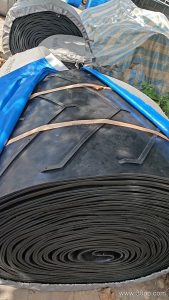
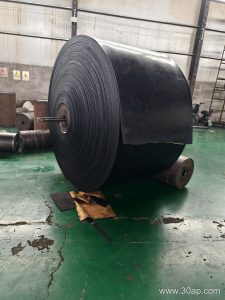
The EP630 Conveyor Belt is a fabric-core rubber belt rated at 630 N/mm of tensile strength per ply. Its carcass is built from polyester warp and polyamide weft (EP) fabric, which is why it is also called an EP Fabric Core Conveyor Belt. The number after EP is the strength class, so this belt sits in the middle-upper range of the EP family, above EP500 and below EP800. For plants that need more carrying capacity than a light belt can offer but do not require the rigidity of a Steel Cord Conveyor Belt, this class is a practical middle path.
How the Belt Is Constructed
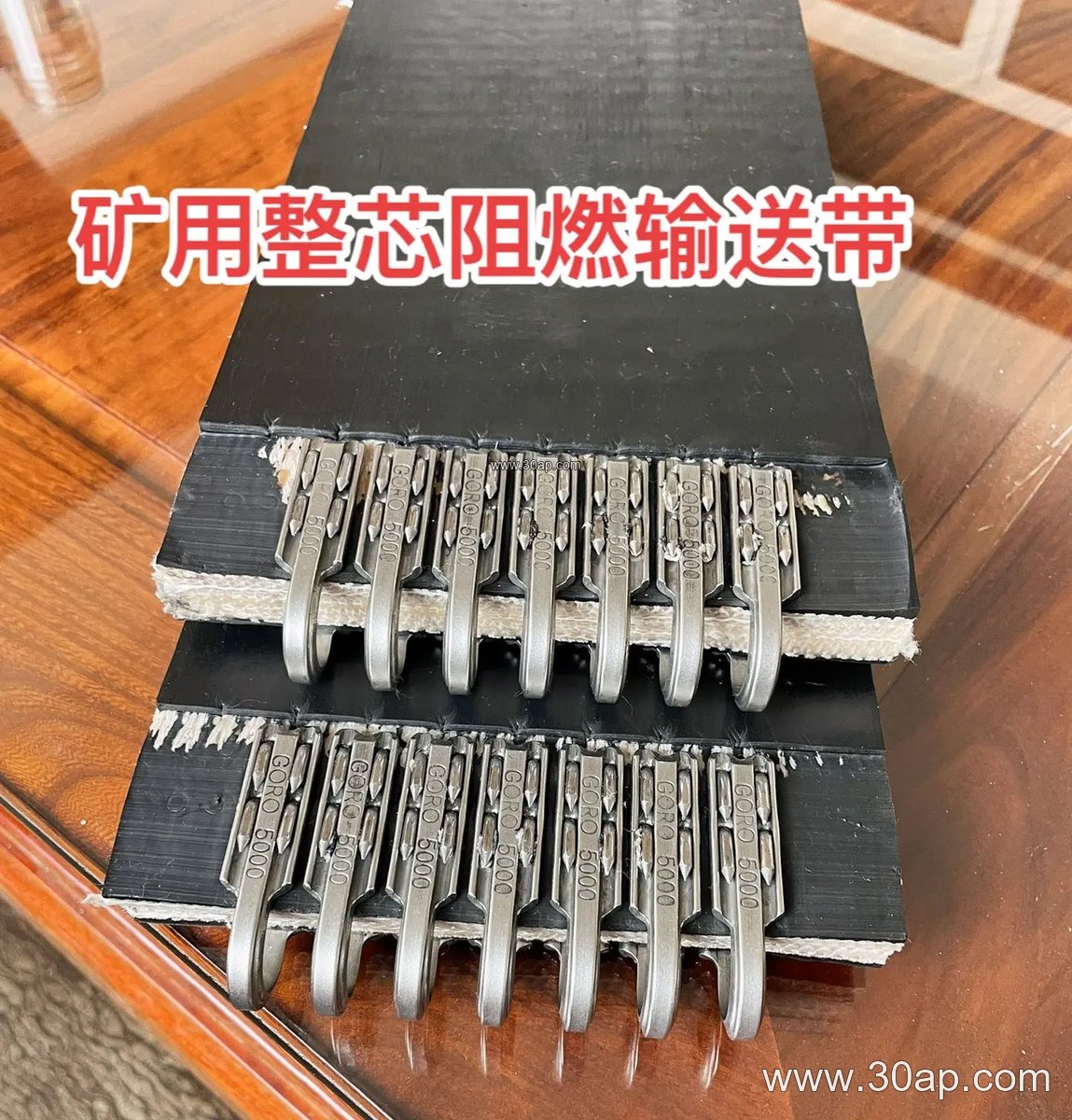
An EP630 belt is usually produced with two to five plies of EP fabric, depending on the manufacturer and the duty it is designed for. The plies are bonded with rubber skim compound and protected on both faces by cover rubber. Cover thickness is commonly quoted as a top and bottom pair, for example 4+2 mm or 6+2 mm. The polyester warp limits stretch under load, while the polyamide weft gives the belt good resistance to impact and tearing. Buyers should note that the strength rating refers to the fabric carcass, not to the cover thickness, so two belts of the same class can differ in wear life if their covers differ.
Typical Duties and Industries
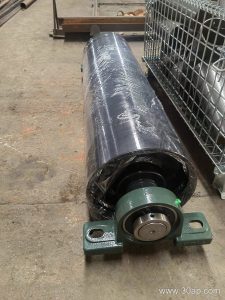
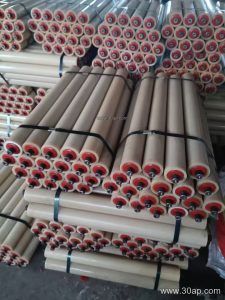
Because of its balanced strength and flexibility, the EP630 Conveyor Belt is often found on medium to long conveying lines in mines, quarries, cement plants, power stations, steel works, and sand and gravel yards. It moves crushed rock, ore, clinker, coal, and other bulk material over idler rollers and around drive, tail, and bend pulleys. In dusty or wet conditions, a properly specified cover helps the belt track well and resist abrasion. Where the material is hot, oily, or flammable, a modified cover grade such as a Heat Resistant Conveyor Belt or Flame Retardant Conveyor Belt version may be required, and the EP carcass can still be used as the base.
Common Reference Data
The values below are typical reference points only. Actual construction is set by the belt designer and can vary between suppliers.
- Strength class: EP630 (630 N/mm per ply)
- Common plies: 2 to 5
- Common widths: B650, B800, B1000, B1200, B1400, B1600
- Common cover combinations: 4+2 mm, 5+2 mm, 6+2 mm
- Related classes in the same family: EP500, EP800, EP1000
Width and strength should be selected together with the conveyor layout. A wider belt is not automatically the right choice, and a given width does not dictate one pulley diameter; the pulley size depends on the belt thickness, the load, and the conveyor design.
Selection Points for Buyers
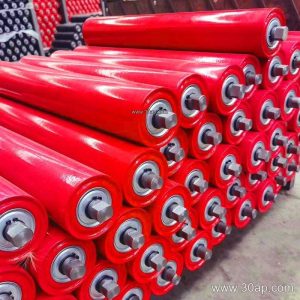
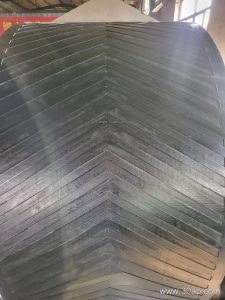
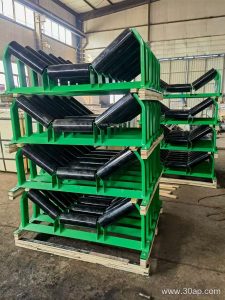
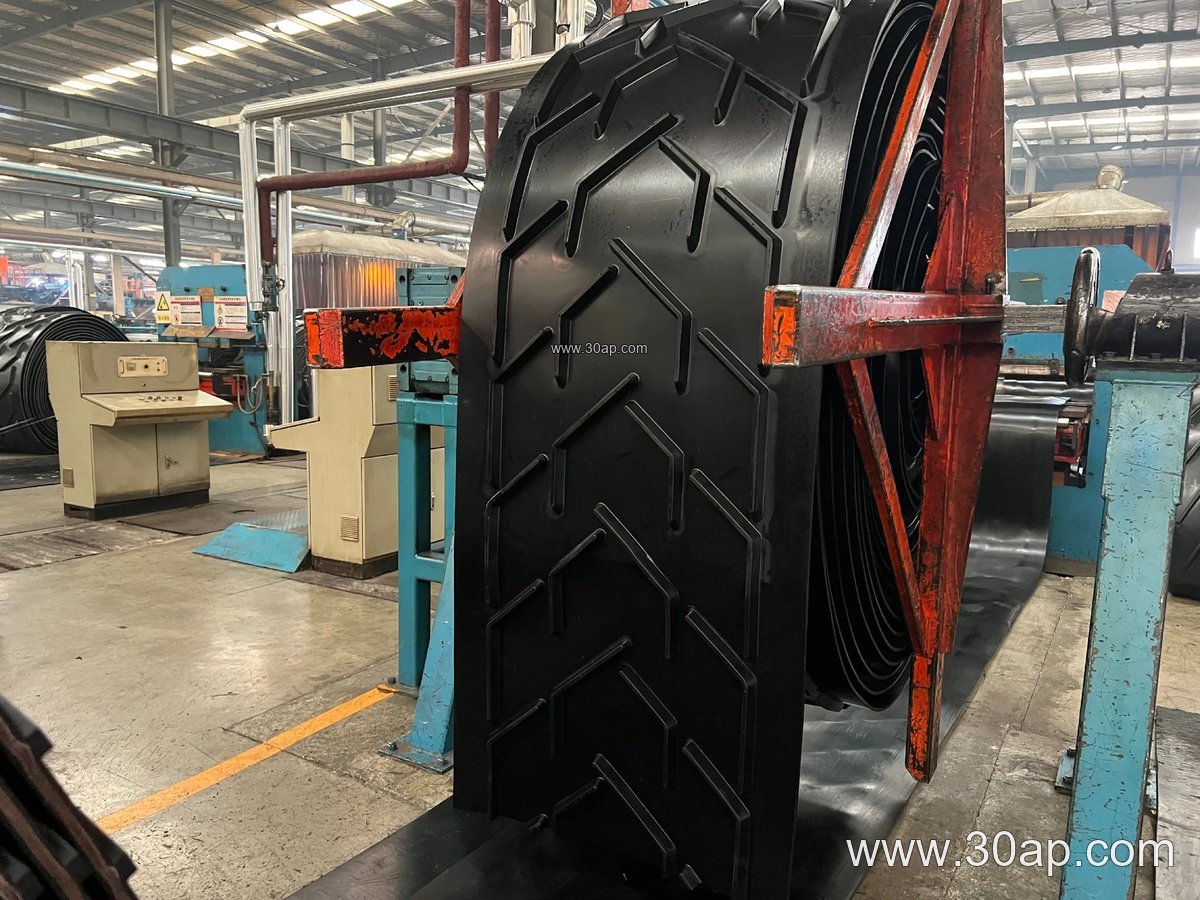
Start with the material being carried: its lump size, temperature, moisture, and abrasiveness. Then confirm the required tensile strength, belt width, and cover grade. Ask how many plies the carcass uses and what the top and bottom cover thicknesses are. Check whether the belt needs anti-static or fire-resistant properties for the site, and whether a Chevron Conveyor Belt or Corrugated Sidewall Conveyor Belt profile would suit an incline better than a flat belt. Finally, match the belt to the conveyor pulley and idler roller arrangement so that the belt runs straight and the splices hold.
Installation and Maintenance Notes
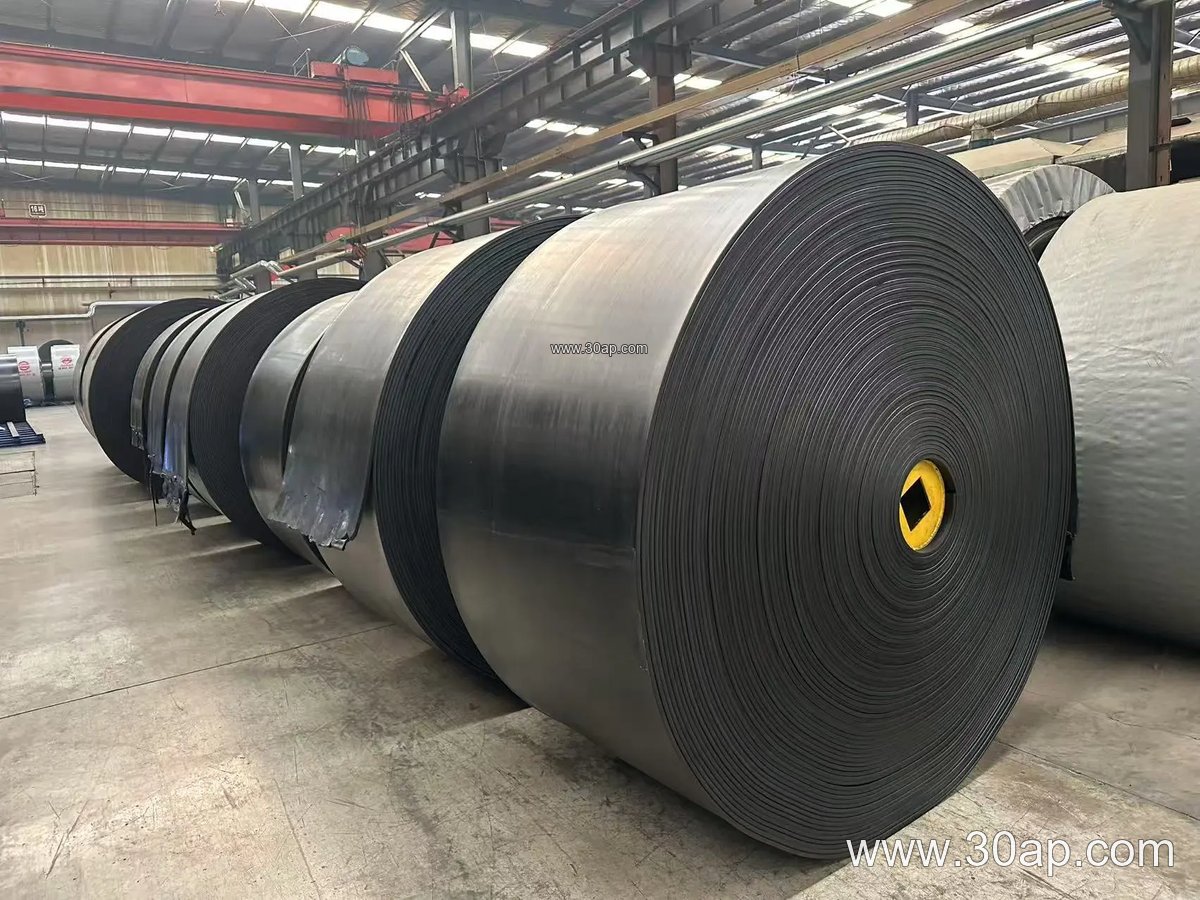
Store belts in a dry, shaded place and avoid sharp folds. During installation, keep the belt centered on the tail pulley and check that all idler rollers turn freely. Track misalignment early, because edge wear on an EP630 belt usually starts with a small tracking fault. Inspect splices and covers at regular intervals, and repair small cuts before they reach the fabric. A belt that is looked after in this way can serve for a long time in cement, coal, and quarry operations.
For more information on conveyor belting, pulleys, and rollers, visit www.beltconveyorparts.com or www.conveyorbeltpro.com to compare options for your line.