What a Conveyor Equipment Idler Does
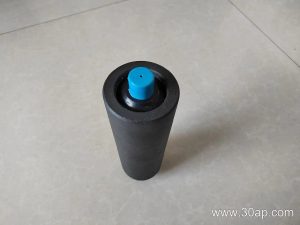
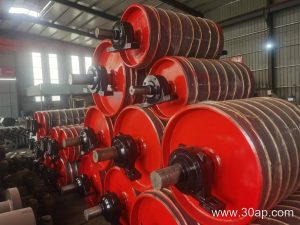
A conveyor equipment idler is the rotating roller assembly that supports a conveyor belt along its carrying and return runs. In a quarry, coal preparation plant, or cement kiln feed line, these idlers carry the weight of the belt and the material, keep the belt tracking, and reduce friction so the drive system does not work harder than necessary. The idler itself does not pull the belt — that job belongs to the conveyor pulley at the head end, while a tail or bend pulley redirects the belt. The idler is the passive support that makes the whole circuit practical.
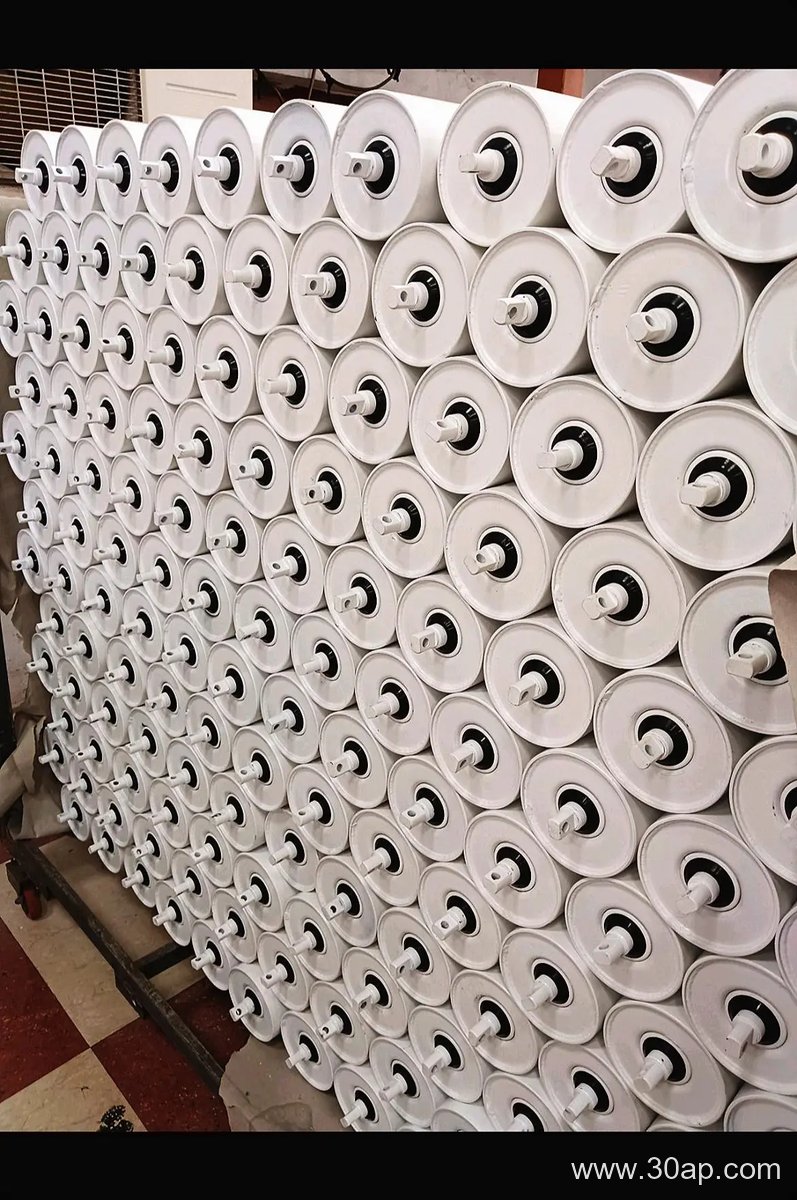
How an Idler Is Built
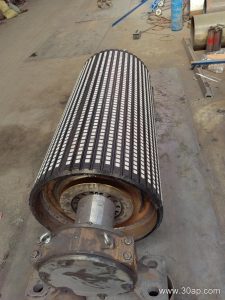
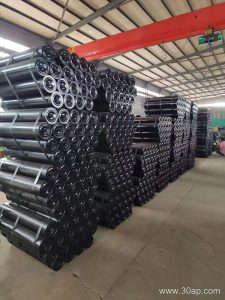
Most idlers share a common structure: a steel tube shell, a shaft, bearing housings, and a sealing arrangement. The shell may be plain steel, nylon-coated, ceramic-covered, or fitted with rubber rings for impact zones. Common roller diameters include Ø63, Ø76, Ø89, Ø102, Ø108, Ø127, Ø133, Ø159, Ø178, Ø194, and Ø219. Bearings such as 6204, 6205, 6305, 6306, 6308, and 6310 are used depending on load and speed, but a given bearing is not tied to one roller diameter. The seal is what keeps dust out in a limestone mine or sand and gravel line, and it often matters more than the tube wall thickness.
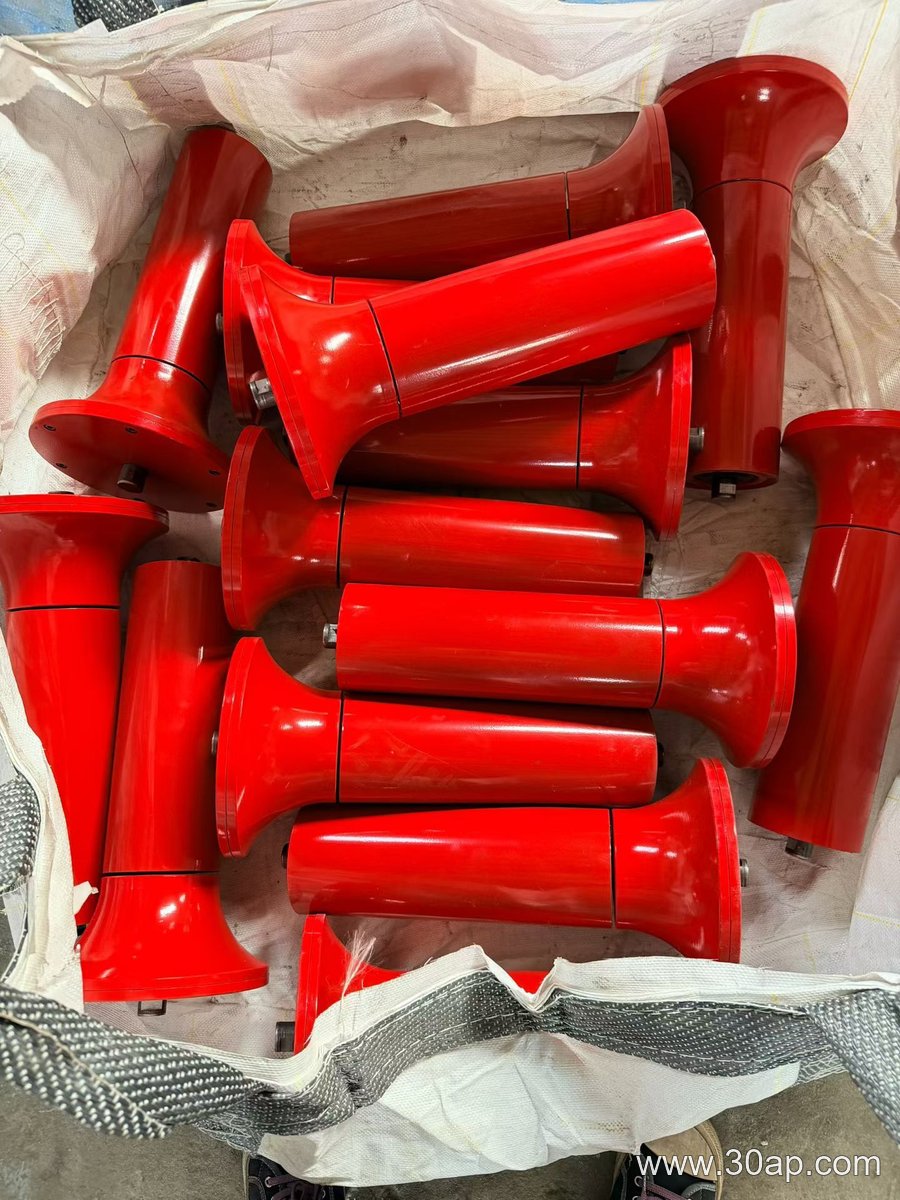
Common Idler Types and Where They Sit
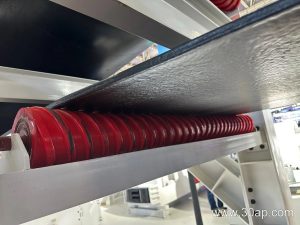
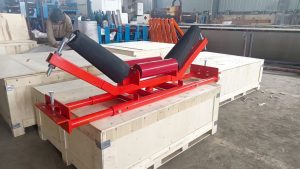
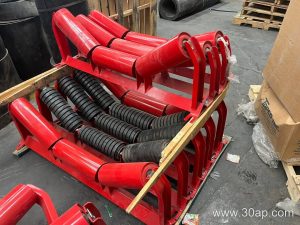
Different positions on the conveyor call for different idler forms. Troughing idlers, usually arranged as single-roll, two-roll, or three-roll sets, support the loaded belt. A three-roll troughing set with a 20, 30, 35, or 45 degree trough angle is typical on a coal or iron ore conveyor. Return idlers support the empty belt underneath; flat return idlers and V-shaped return idlers are both common. Impact idlers with rubber rings sit below the loading chute at a crusher discharge or tunnel muck-out point. Self-aligning idlers, including friction and tapered types, help correct belt drift. Spiral idlers are sometimes chosen where sticky material tends to build up on the shell.
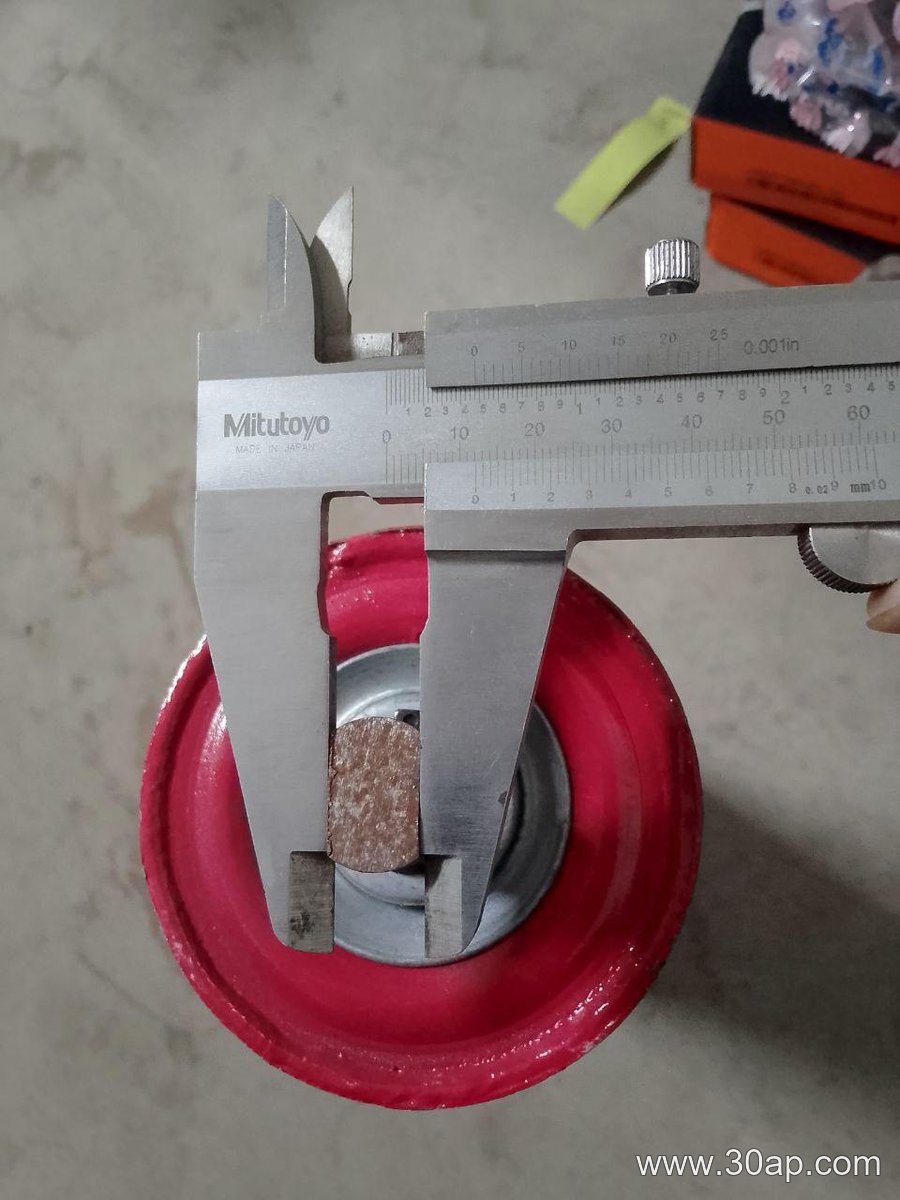
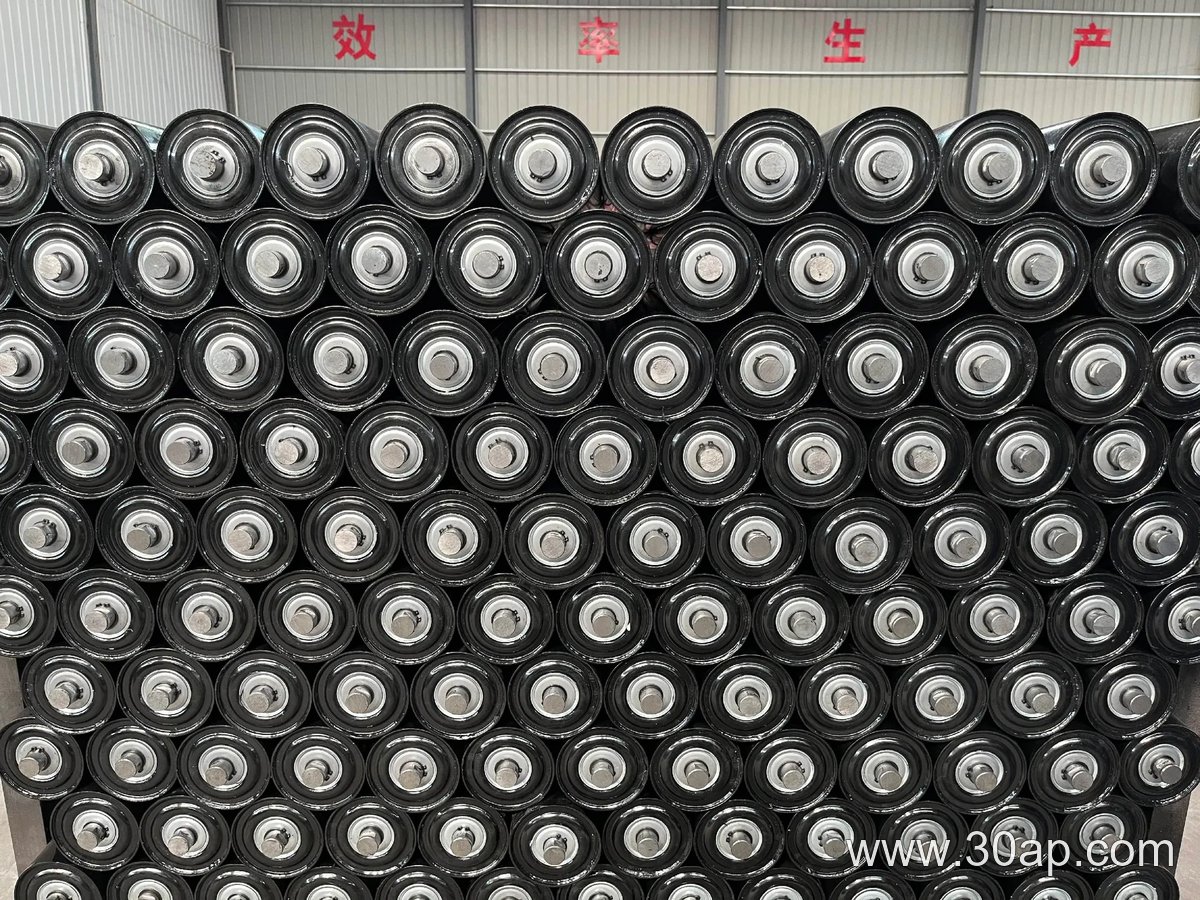
Matching Roller Length to Belt Width
Roller length is not a universal number. It follows belt width, trough angle, and the idler set arrangement. For a three-roll troughing set, common side-roller lengths are roughly 200 mm at B500, 250 mm at B650, 315 mm at B800, 380 mm at B1000, 465 mm at B1200, 530 mm at B1400, 600 mm at B1600, 670 mm at B1800, and 750 mm at B2000. These are examples only; center and side rollers can differ, and the final length is set by design.
Where These Idlers Are Used
You will find conveyor equipment idlers in a wide range of bulk handling operations. In a sand and gravel plant, they carry screened aggregate from a surge pile to a stockpile conveyor. In a power station coal yard, they support the belt on the way to the bunker. A copper concentrator, fertilizer granulation line, or grain terminal uses the same basic idler principle, though sealing and roller surface may change with the material. The idler works together with the conveyor belt, the conveyor pulley, and the conveyor bracket that holds the assembly in place.
What a Buyer Should Check
- Roller diameter and shaft size — confirm both against the conveyor frame and bearing housing, not from belt width alone.
- Bearing and seal quality — ask how the bearing is protected against fine dust and water.
- Shell material and surface — plain steel, nylon, ceramic, or rubber ring depending on abrasion and impact.
- Trough angle and set form — a 35 degree three-roll set is not the same as a 20 degree set for belt training.
- Roller length — measure the existing idler or check the drawing rather than assuming a standard value.
- Operating environment — a wet tunnel or a hot sinter line may call for different grease and clearance.
A conveyor equipment idler is a small part of the total conveyor, but it affects belt life, energy draw, and downtime. Selecting the right roller diameter, bearing, seal, and set arrangement for the belt width and material is more important than choosing the lowest-cost item. For a replacement, compare the old idler dimensions, the trough angle, and the mounting bracket before ordering.