What a High-Friction Lagged Pulley Does
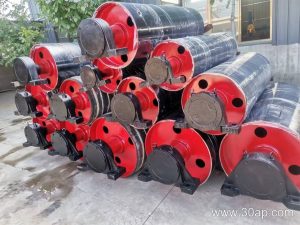
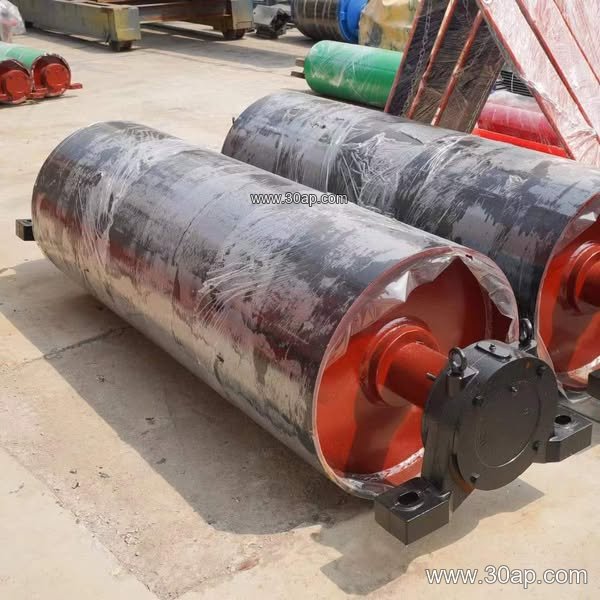
A high-friction lagged pulley is a conveyor pulley whose shell carries a rubber or ceramic friction layer, often called lagging, to raise the coefficient of grip between the drum surface and the conveyor belt. In a quarry, a limestone mine, or a crusher discharge line, that extra grip is what keeps the belt from slipping when the load is heavy and the wrap angle is limited. The product is also described accurately as a rubber-lagged conveyor pulley or a friction-lagged drum pulley; both names refer to the same item, while drive, tail, and bend positions remain distinct roles rather than interchangeable labels.
The lagging matters most on the drive pulley, where torque must pass from the shell into the belt. It also helps on a tension or snub position when the belt needs steadier tracking. A bend pulley without lagging may be perfectly adequate in a low-load return run, so the comparison is about duty, not about replacing one position with another.
Construction and Surface Options
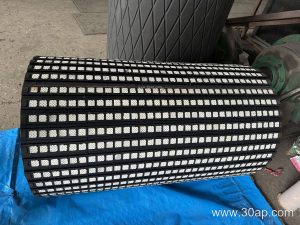
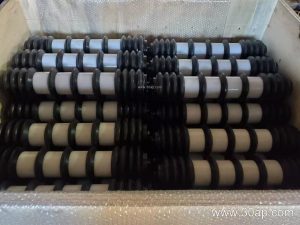
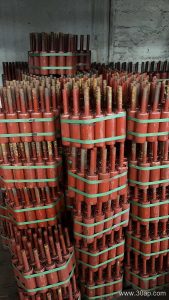
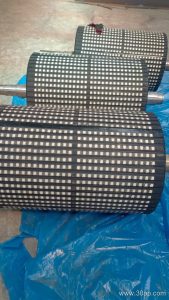
The body is usually a welded steel shell with end discs, a hub, and a shaft sized by torque and load rather than by belt width alone. Lagging is applied in several ways: hot-vulcanized rubber, cold-bonded rubber sheet, cast rubber, diamond grooved rubber, chevron grooved rubber, plain sheet, or ceramic tiles set in a rubber matrix. Common lagging thicknesses are 8, 10, 12, 15, and 20 mm, selected with the duty and the belt cover in mind.
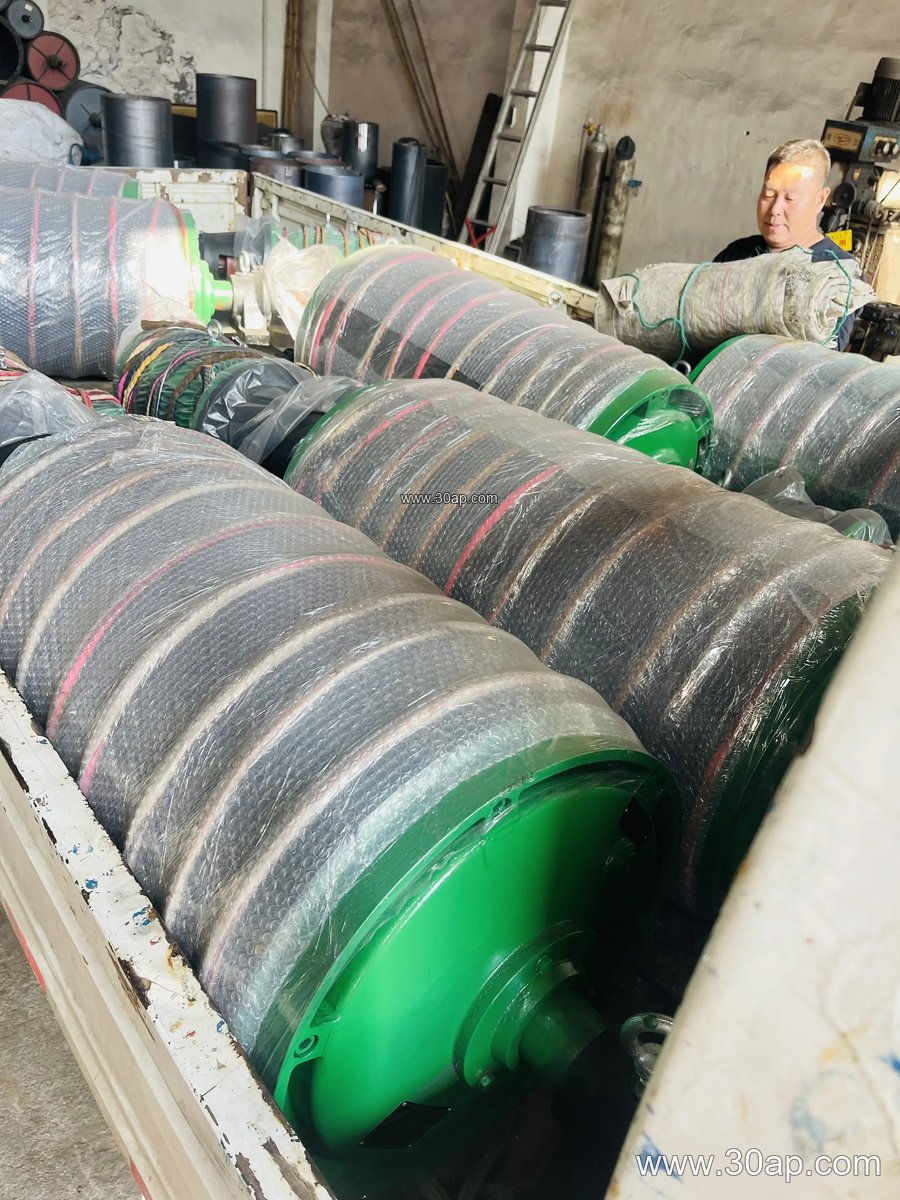
Grooved surfaces help water and fine dust escape from the contact zone, which is useful in a wash plant or a tunnel mucking operation. Ceramic lagging suits high-torque drives where abrasion is severe, such as an iron ore or copper ore transfer. Plain lagging is often enough for a clean, dry aggregate line.
Matching Width, Diameter, and Shaft
Shell face width is normally a little wider than the belt. Reference combinations such as B800 x Ø500, B1200 x Ø1000, and B1400 x Ø800 appear in project drawings, but these are examples, not fixed rules. A wider belt does not dictate one diameter, and shaft diameter must be calculated from transmitted torque and bearing loads. Typical shaft sizes range from Ø50 to Ø200 mm, and the final figure belongs to the design, not to a width table.
| Belt width (common) | Approximate face width | Example diameter pairing |
|---|---|---|
| B500 | about 600 mm | Ø400 |
| B650 | about 750 mm | Ø500 |
| B800 | about 950 mm | Ø500 or Ø630 |
| B1000 | about 1150 mm | Ø800 |
| B1400 | about 1600 mm | Ø800 or Ø1000 |
| B1800 | about 2000 mm | Ø1250 |
Values are indicative reference data; confirm every dimension against the actual conveyor design.
Where It Fits in the Plant
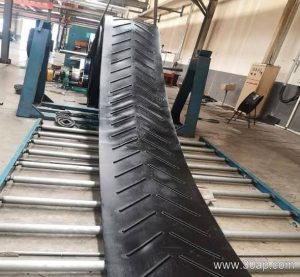
In a coal washing plant, a lagged drive drum paired with a flame retardant conveyor belt gives the head end dependable traction through wet, dusty conditions. In a cement plant clinker line, heat resistant conveyor belt grades protect the belt while the pulley lagging keeps the drive from polishing smooth. Power plant coal handling and port bulk terminals rely on the same principle, with an abrasion resistant conveyor belt running over a friction-lagged shell.
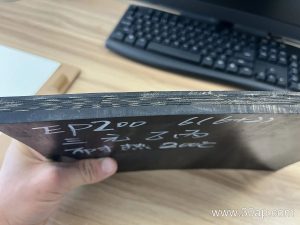
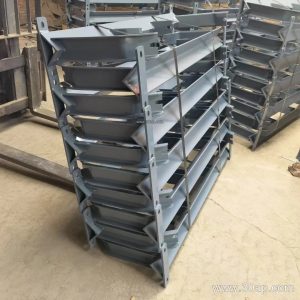
The pulley works together with the conveyor belt, idler roller sets, and conveyor bracket assemblies; a slack belt or a misaligned frame will defeat even a well-lagged drum. On a heavy-duty mining conveyor, a steel cord conveyor belt or a multi-ply fabric core conveyor belt may call for a larger drum and a thicker lagging to spread load across the contact arc.
Buyer Checklist
- State the pulley role clearly: head drive, tail, tension, snub, or bend.
- Give belt width, belt type, and belt tension so the supplier can size the shell and shaft.
- Choose lagging by environment: diamond or chevron grooves for wet, dusty service; ceramic for severe abrasion; plain for clean duty.
- Confirm lagging thickness and fixing method, including whether the surface is replaceable.
- Check balancing, bearing selection, and shaft tolerance before ordering.
- Plan inspection: worn lagging reduces grip quietly, so check groove depth and surface condition on a schedule.
A friction-lagged drum is a small part of the conveyor but a decisive one. Matching the surface, diameter, and shaft to the actual load keeps the belt moving without slip, whether the line serves a sand and gravel pit, a sinter plant, or a fertilizer warehouse.