What Rubber Pulley Lagging Does on a Conveyor Pulley
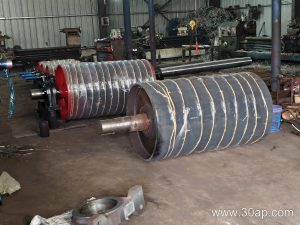
Rubber pulley lagging is the sacrificial rubber layer bonded to the shell of a conveyor pulley to raise friction between the drum and the conveyor belt. Without it, a bare steel shell can slip when the belt is wet, dusty, or heavily loaded, and slip means heat, wear, and shortened belt life. The lagging also protects the pulley shell from abrasion and can be renewed without scrapping the drum itself.
In a typical aggregate or cement plant, a drive pulley with quality lagging keeps the belt moving at the design speed even when rain or wash water reaches the return side. On a tail pulley, the same material helps centre the belt and reduce shell wear. The product is closely tied to the rest of the conveyor: the conveyor belt, idler roller, conveyor bracket and frame all influence how well lagging performs.
How the Lagging Is Built and Applied
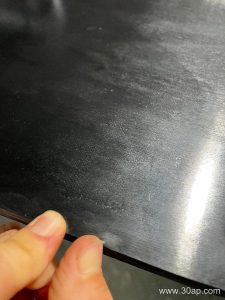
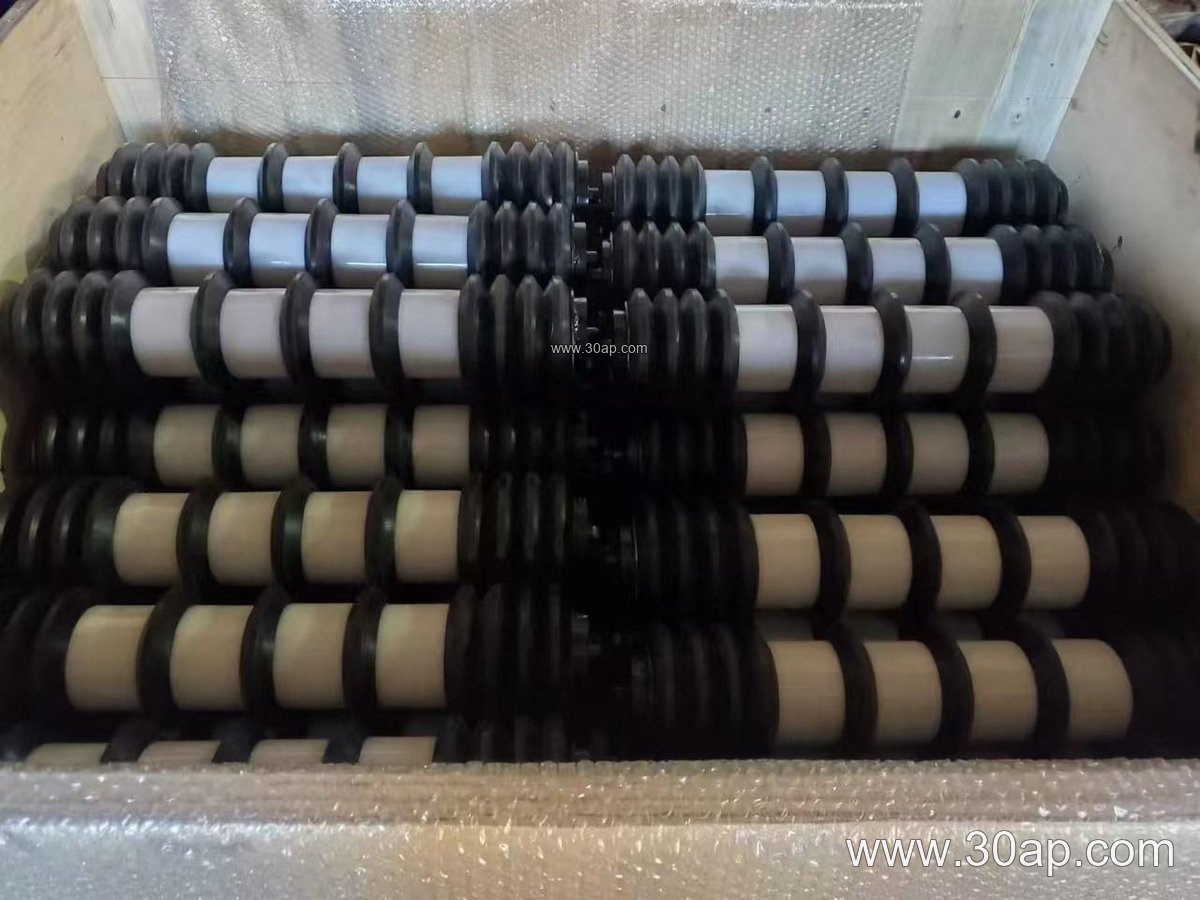
Most rubber pulley lagging is supplied either as pre-cured sheets and strips or as uncured rubber that is vulcanised onto the shell in place. Common surface forms include plain (smooth) rubber, diamond pattern, herringbone pattern, and ceramic-studded rubber for the most abrasive duty. Thickness is usually selected from a range such as 8, 10, 12, 15 or 20 mm depending on pulley diameter and torque.
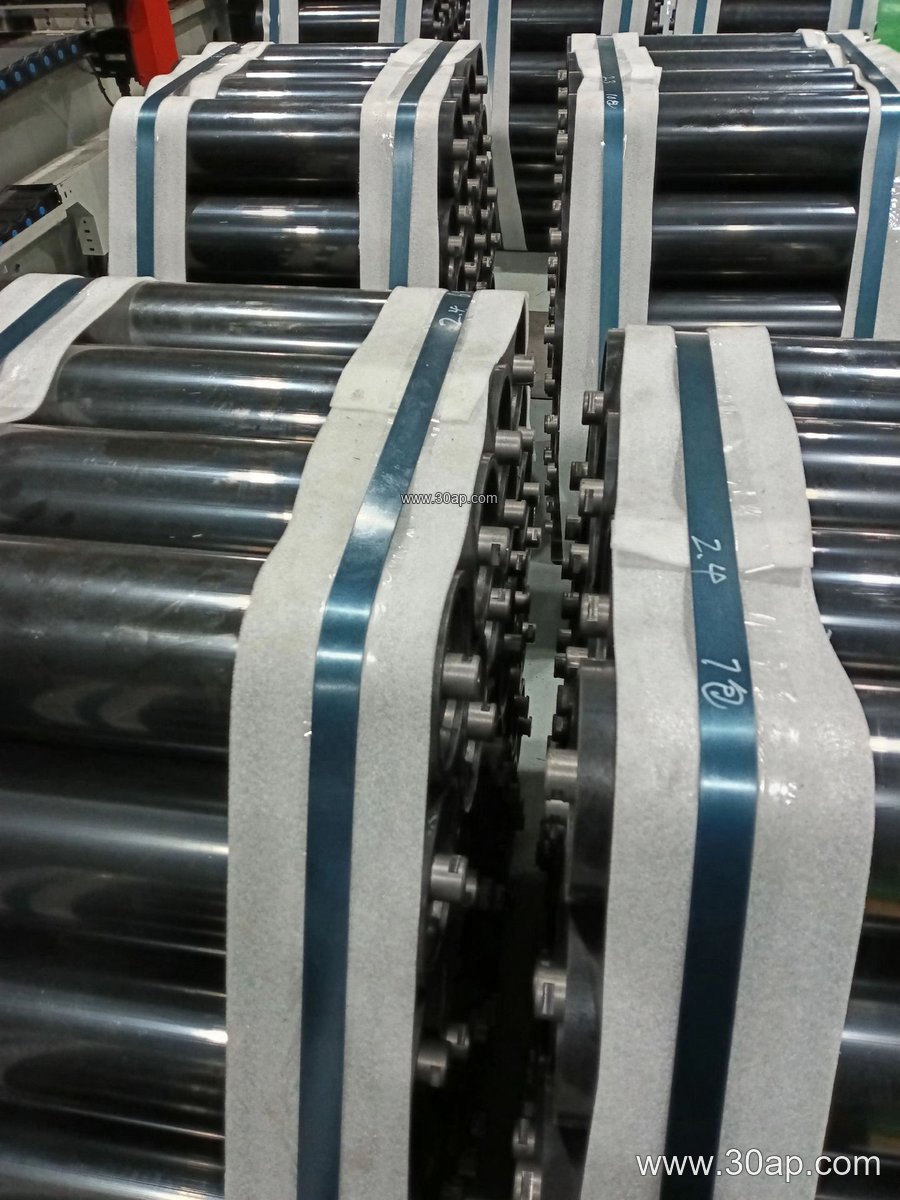
Bonding methods matter. Cold-bonded lagging uses an adhesive system and is convenient for on-site repair. Hot-vulcanised lagging forms a stronger chemical bond and is common on new pulleys or in workshops. A properly prepared shell, clean and roughened, is essential in both cases.
- Plain rubber: general duty, easy to clean, suits many tail and bend positions.
- Diamond or herringbone: improved grip and water shedding on drive pulleys.
- Ceramic lagging: high abrasion resistance for iron ore, copper ore and other harsh slurries or wet loads.
Where It Is Used Across Industries
Rubber pulley lagging appears wherever a belt conveyor moves bulk material. In a limestone quarry or sand and gravel line, it protects drive and tail pulleys from grit. In a coal washing plant or power station coal yard, flame retardant and anti-static grades are often requested to match the belt specification. Cement plants use lagging on clinker and raw meal conveyors, while steel plants and sinter lines rely on it in hot, dusty conditions.
The choice of lagging should match the belt and the duty. A heavy-duty mining conveyor belt carrying sharp rock demands tougher lagging than a smooth EP conveyor belt on a light package line. Where a steel cord conveyor belt runs at high tension, the drive pulley lagging must deliver reliable friction without damaging the belt cover.
Sizing and Selection Notes for Buyers
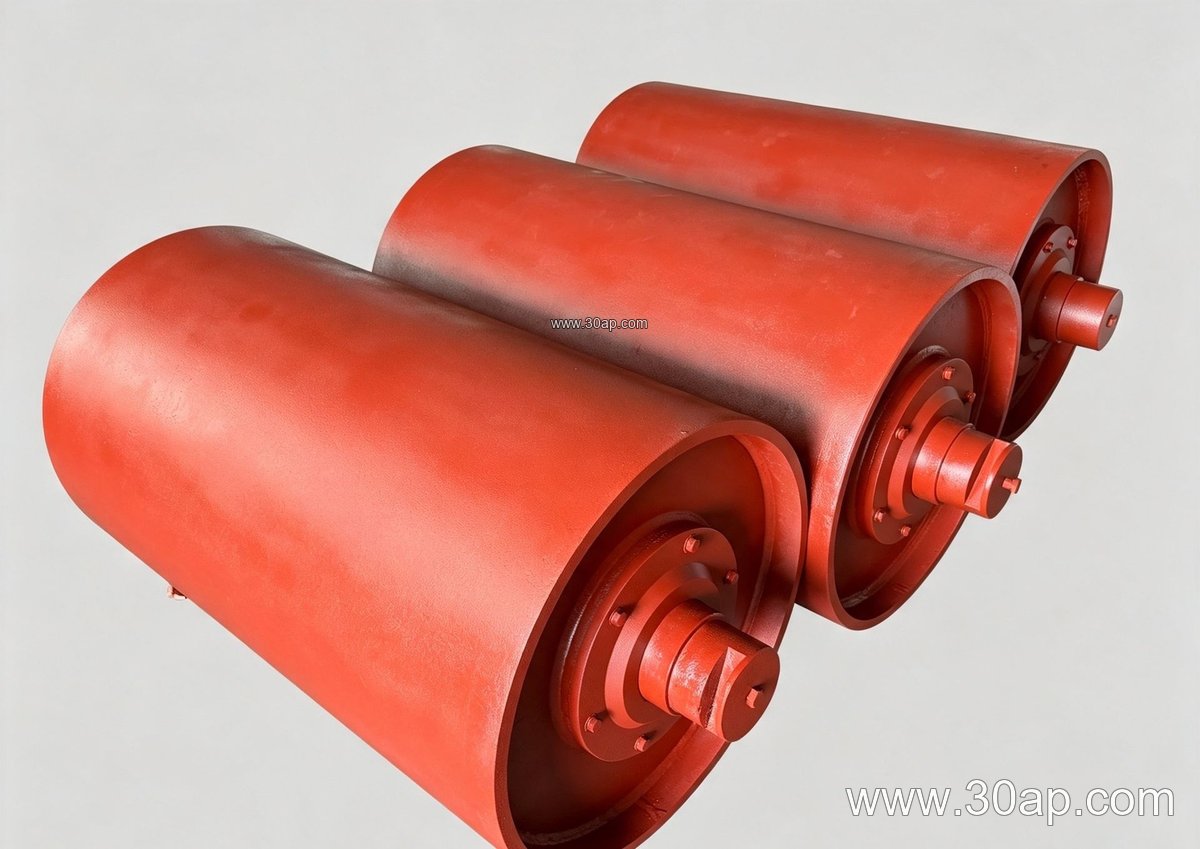
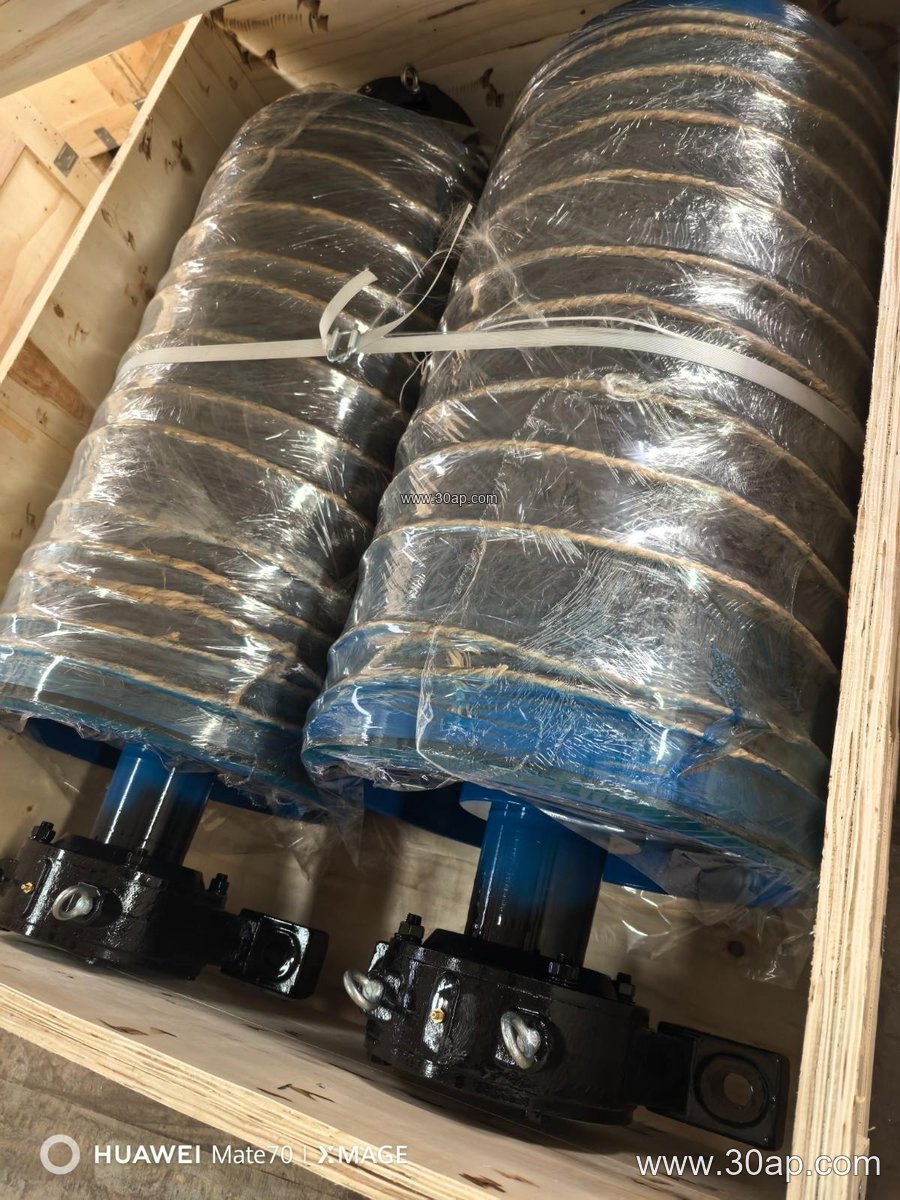
Lagging is ordered by pulley face width, pulley diameter and thickness. Face width is normally a little wider than the belt, for example B800 belt on a pulley with roughly 950 mm face, or B1200 belt on a pulley around 1400 mm face. Diameter and shaft size are determined by torque and load, not by belt width alone, so a B800 conveyor might use Ø500 or Ø630 depending on the drive design.
| Belt width (B) | Typical pulley face width | Example diameter | Common lagging thickness |
|---|---|---|---|
| B500 | about 600 mm | Ø315 to Ø400 | 8 to 10 mm |
| B650 | about 750 mm | Ø400 to Ø500 | 10 mm |
| B800 | about 950 mm | Ø500 to Ø630 | 10 to 12 mm |
| B1000 | about 1150 mm | Ø630 to Ø800 | 12 to 15 mm |
| B1200 | about 1400 mm | Ø800 to Ø1000 | 12 to 15 mm |
| B1400 | about 1600 mm | Ø1000 to Ø1250 | 15 mm |
| B1600 | about 1800 mm | Ø1250 to Ø1400 | 15 to 20 mm |
| B1800 | about 2000 mm | Ø1400 to Ø1600 | 15 to 20 mm |
These figures are common reference values, not fixed rules. Always confirm the pulley drawing, shaft diameter and belt tension before ordering. A conveyor pulley with an unusual hub or bearing arrangement may need custom strip lengths.
Installation and Maintenance Pointers
Check lagging wear at each shutdown. Worn diamonds, exposed shell or loose edges are signs that replacement is due. On a drive pulley, uneven wear often points to belt misalignment or a worn idler roller nearby, so fix the cause rather than only the symptom. Keep the belt tracking straight and the conveyor bracket bolts tight to avoid edge loading on the lagging.
For spare parts planning, record the pulley diameter, face width, lagging thickness and surface pattern. Matching these details keeps a replacement consistent with the original design and helps maintain steady friction between the drum and the belt, whether the line handles coal, clinker, ore or aggregate.