What a Conveyor Belt Idler Does
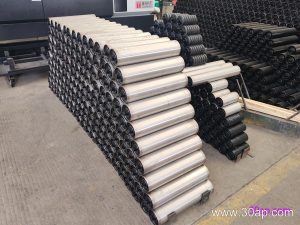
A conveyor belt idler is the rotating component that supports the belt along its carrying and return runs. Often called an idler roller, it keeps the belt profile stable, reduces friction, and helps material stay centered. In a quarry or a coal washing plant, the idler set is one of the most numerous parts on the line, so choosing the right type and size has a direct effect on uptime and belt life.
Construction and Common Types
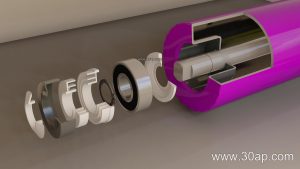
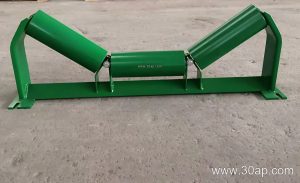
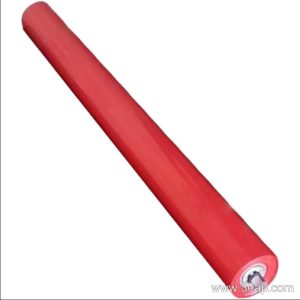
Most idlers share a similar build: a steel tube shell, bearing housings, a shaft, and a sealing system. The shell can be plain steel, nylon-coated, ceramic-lined, or fitted with rubber rings for impact absorption. Bearing sizes such as 6204, 6205, 6305, 6306, 6308, and 6310 are common, but the bearing is matched to the load and speed rather than to a single roller diameter.
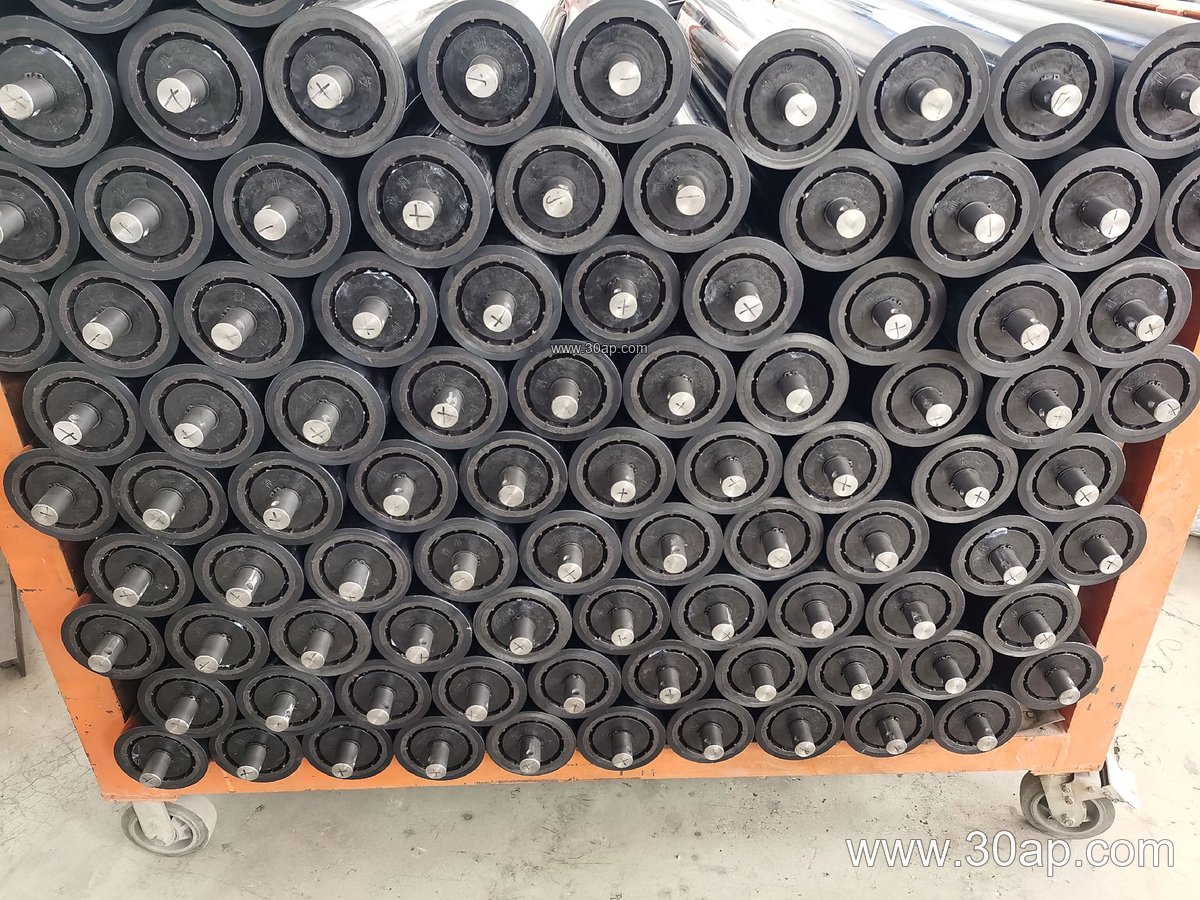
- Troughing idlers (three-roll, two-roll, or single-roll) support the loaded belt.
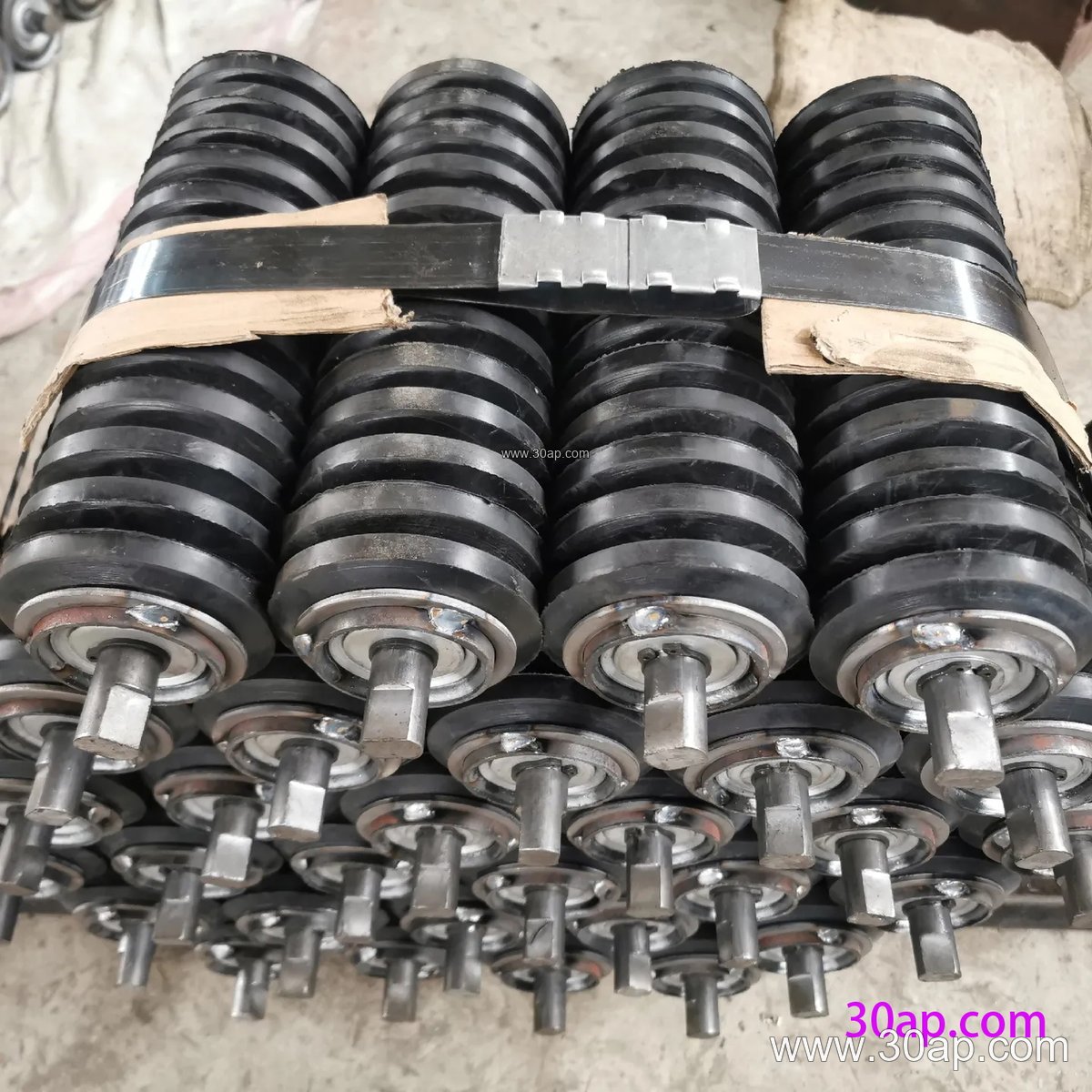
- Impact idlers with rubber rings sit under loading points in crusher and screen circuits.
- Return idlers, including flat and V-type, support the empty belt.
- Self-aligning idlers help correct belt tracking on long runs.
- Spiral and comb idlers are used where sticky material tends to build up.
Trough angles of 20, 30, 35, and 45 degrees are common; a forward tilt of about 1.5 to 2 degrees is sometimes used on training idlers. Roller diameters from Ø63 to Ø219 mm cover most duties, from small aggregate lines to heavy-duty mining conveyors.
Matching Idlers to Belt Width
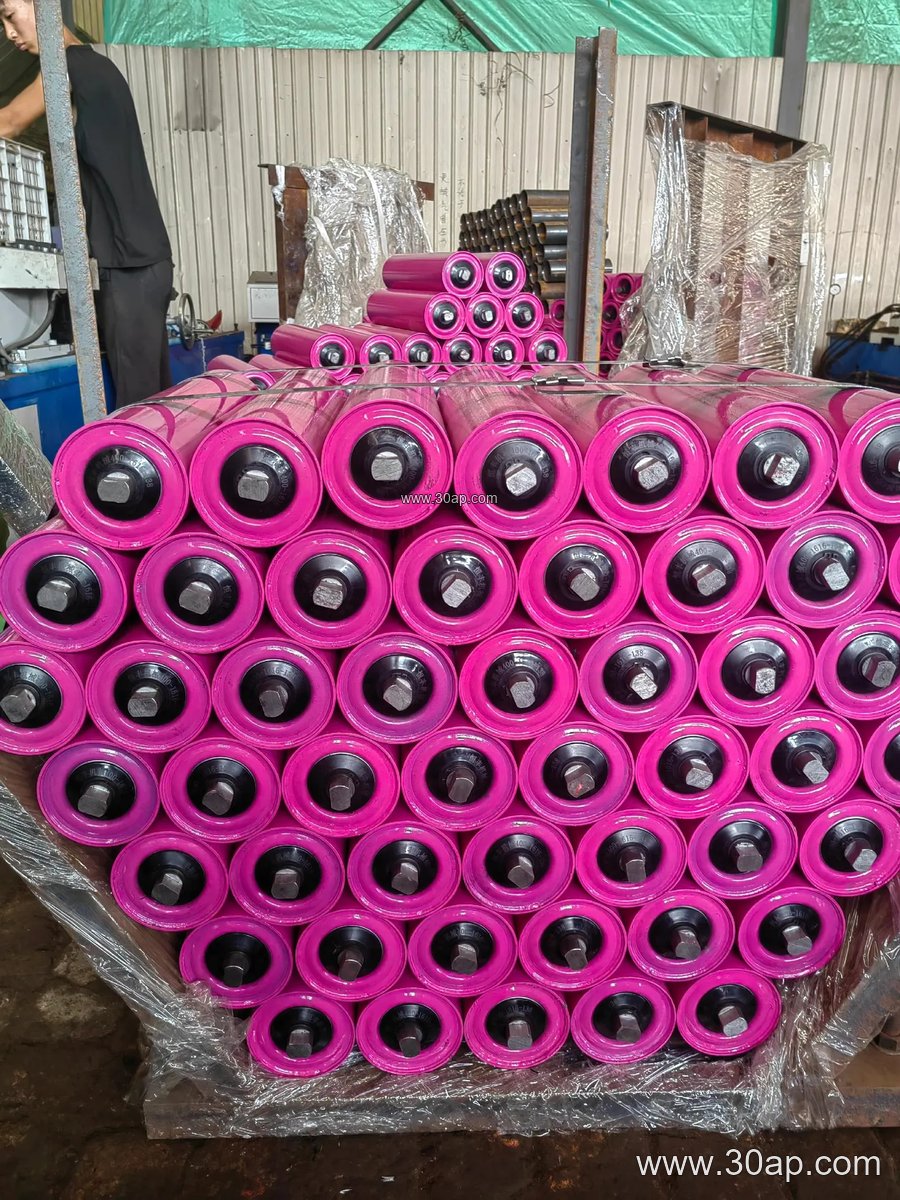
Roller length is not fixed by belt width alone, but typical three-roll troughing sets use roughly 200 mm rolls for B500, 250 mm for B650, 315 mm for B800, 380 mm for B1000, 465 mm for B1200, 530 mm for B1400, 600 mm for B1600, 670 mm for B1800, and 750 mm for B2000. Side rolls and center rolls can differ, so these figures are examples rather than universal rules. On a 1200mm wide conveyor belt or a 1500mm wide conveyor belt, the idler frame and roll length should be confirmed against the actual trough angle and belt load.
Belt construction also matters. A heavy-duty mining conveyor belt or a steel cord conveyor belt carrying iron ore may need larger roll diameters and stronger bearings than a fabric core conveyor belt on a cement plant transfer. Heat resistant conveyor belt and flame retardant conveyor belt installations in power plant coal handling often call for idlers that tolerate higher temperatures and dusty conditions.
Where Idlers Are Used
In a sand and gravel plant, troughing idlers carry aggregate from the crusher to the screen; impact idlers absorb the drop at transfer points. In a coal mine or underground coal mining conveyor, flame retardant conveyor belt and anti-static conveyor belt requirements usually go together with well-sealed idlers to handle dust and moisture. Port bulk material conveyor belt systems use long idler trains on ship loading and unloading lines. In a steel plant or sintering plant, heat resistant conveyor belt sections need idlers that can handle hot fines without seizing.
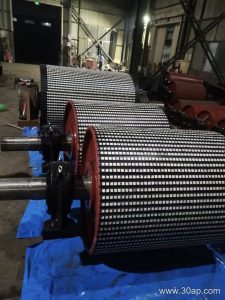
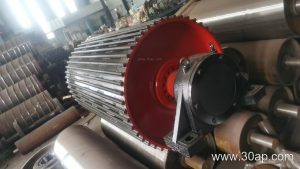
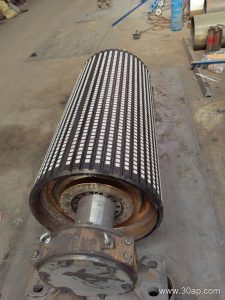
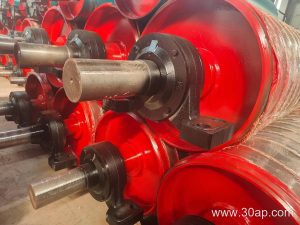
Other conveyor components work alongside the idler: the conveyor pulley at the drive and tail ends, the conveyor bracket that holds the idler frame, and the conveyor belt itself. Drive, tail, and bend pulleys are not interchangeable with idlers, and each has its own selection criteria.
Buyer Checklist
Before ordering, confirm the belt width (B400 to B2400), trough angle, roll diameter, bearing size, and shell material. Check whether the application needs rubber-ring impact idlers, self-aligning idlers, or abrasion resistant roller surfaces. For an EP conveyor belt or NN conveyor belt line, standard steel idlers are often sufficient; for a pipe conveyor belt or corrugated sidewall conveyor belt, the idler arrangement is different and should be specified by the conveyor designer. Ask for the shaft diameter and fixing dimensions rather than assuming them from belt width. Finally, review the sealing and lubrication approach, because dust ingress is a leading cause of idler failure in quarry, cement, and mining service.