What a Q235 Conveyor Bracket Does
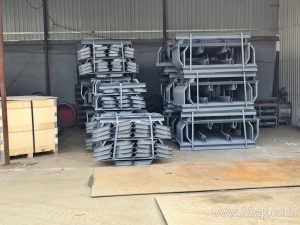
A Q235 conveyor bracket is the steel frame that holds idlers in position along a belt conveyor. It is usually called a Q235 conveyor support bracket or Q235 idler bracket, and its job is simple but critical: keep the idlers at the right height, angle and spacing so the conveyor belt runs smoothly. The bracket carries the weight of the belt, the material and the idlers themselves, and it transfers those loads into the conveyor frame. In a quarry, a cement plant or a power plant coal yard, this part is often overlooked until a bent or rusted bracket starts to misalign the belt.
Q235 refers to a common structural carbon steel grade. It offers a practical balance of strength, weldability and cost, which is why it is widely used for conveyor frames and supports. The bracket is not a wear part in the same way as a rubber conveyor belt, but it still needs the right design and finish for the environment.
How the Bracket Is Built
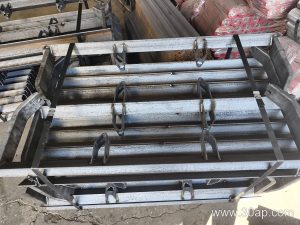
Most Q235 conveyor brackets are fabricated from angle steel, channel steel or folded steel plate. The shape depends on where the bracket sits and what it supports. Common forms include trough brackets, return brackets, transition brackets, self-aligning brackets and adjustable brackets. A typical fabrication sequence includes cutting, punching or drilling mounting holes, bending, welding and surface treatment such as painting or galvanizing.
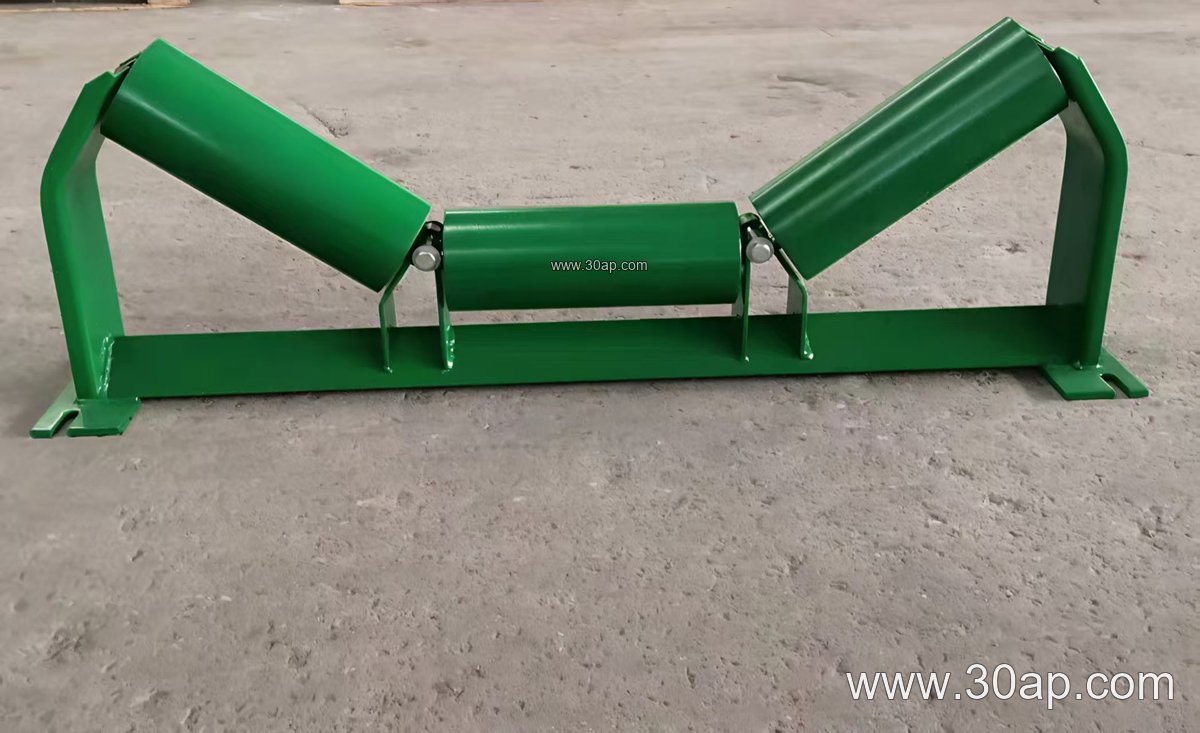
Several details matter for a good bracket. The mounting holes must line up with the conveyor frame, the idler seats must be square to the belt path, and the weld quality must suit the load. For a heavy-duty mining conveyor belt carrying ore, a thicker section and stronger welds are more suitable than a light bracket used on a small aggregate line.
Common Types and Where They Fit
The type of bracket follows the idler position. Trough brackets support the carrying side and set the trough angle. Return brackets hold the idlers under the belt. Transition brackets are used near pulleys where the belt changes from flat to troughed. Self-aligning brackets help correct belt drift, and impact brackets sit below loading points to absorb shock.
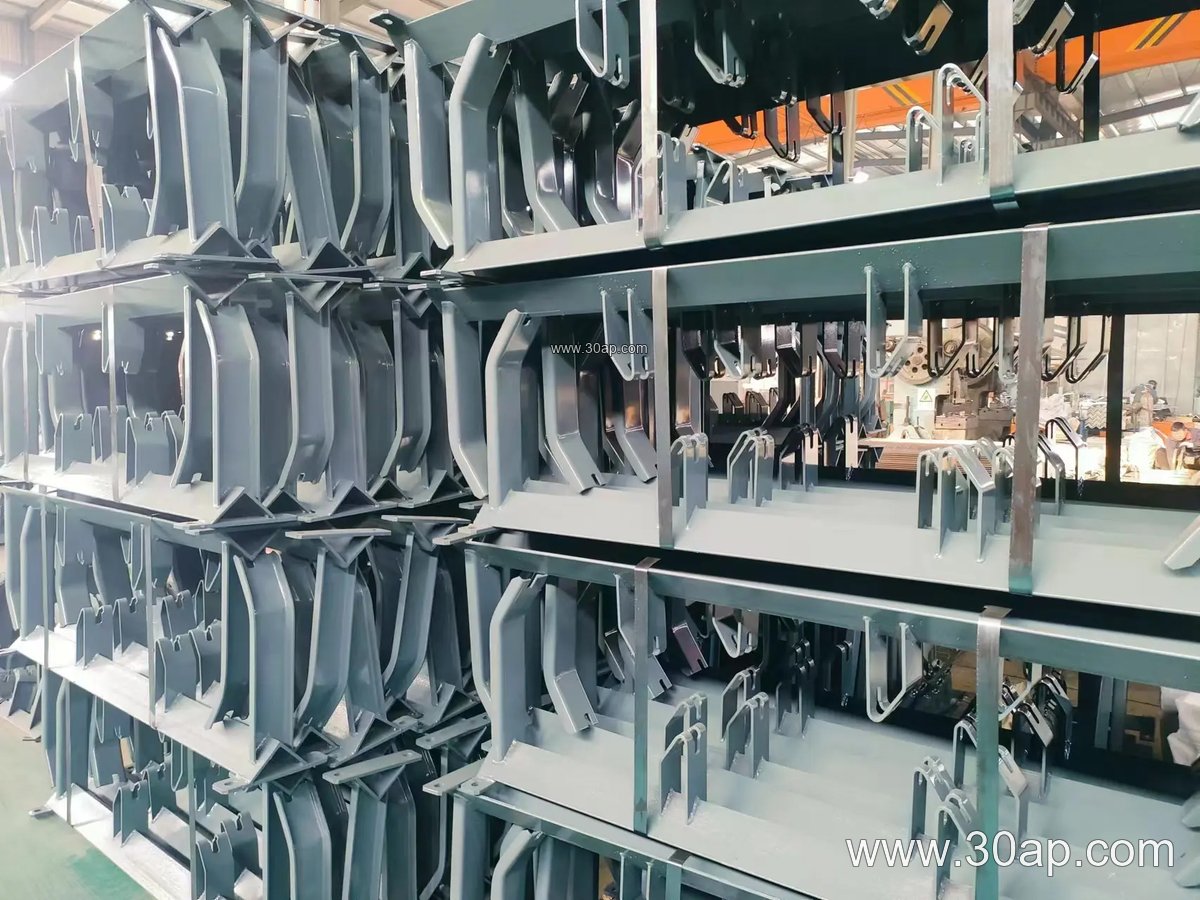
| Bracket Type | Typical Position | Notes |
|---|---|---|
| Trough bracket | Carrying side | Sets trough angle, usually 20 to 45 degrees |
| Return bracket | Return side | Supports flat or V-return idlers |
| Transition bracket | Near pulleys | Guides the belt from flat to troughed |
| Self-aligning bracket | Along the line | Helps control belt misalignment |
| Impact bracket | Loading point | Works with impact idlers |
Trough angle is a key choice. Common angles are 20, 30, 35 and 45 degrees. A wider belt such as B1200 or B1400 often uses a deeper trough to keep material centered, while a smaller B650 or B800 line may use a shallower angle. Adjustable brackets allow the angle to be set on site within a range, which is useful during commissioning.
Matching Brackets to Belt Width and Idler Diameter
Bracket dimensions follow the belt width and the idler diameter. Common belt widths include B500, B650, B800, B1000, B1200, B1400, B1600 and B1800. Common idler diameters include Ø89, Ø108, Ø133, Ø159 and Ø194. A combination such as B800 with Ø108 idlers and a 35 degree trough is common, but it is not a fixed rule. The same belt width can work with different idler diameters depending on load and speed, and the bracket design should be confirmed with the conveyor layout.
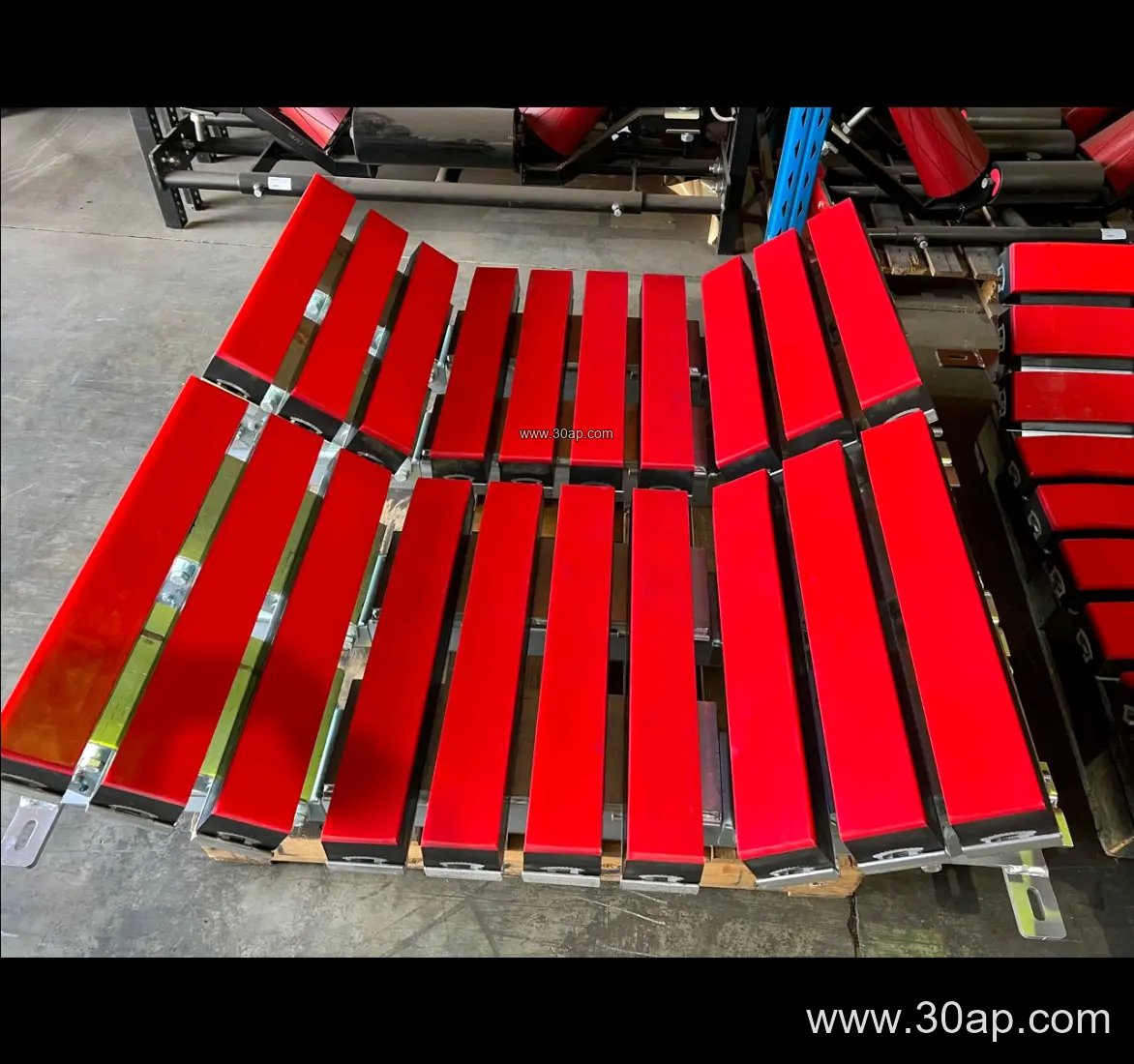
Installation hole spacing and crossbeam length are usually determined by the belt width and trough angle. They should not be treated as universal constants. On a long overland line carrying iron ore or copper ore, the bracket spacing and frame stiffness deserve more attention than on a short transfer point.
Applications Across Industries
Q235 conveyor brackets appear in many bulk handling settings. In a coal preparation plant, they support idlers under a flame retardant conveyor belt. In a cement plant, they hold troughing idlers beneath a heat resistant conveyor belt on clinker lines. In a sand and gravel yard, they keep an abrasion resistant conveyor belt aligned through crusher and screening stations. Port terminals, steel plants and fertilizer warehouses also use them.
The environment guides the finish. A wash-down area may call for galvanized brackets, while a dry indoor line may use painted steel. In a mine, dust and moisture make corrosion protection and sturdy welds more important.
Buyer Checklist
- Confirm belt width, idler diameter and trough angle before ordering.
- State the mounting hole pattern and frame connection details.
- Choose the bracket type by position: carrying, return, transition or self-aligning.
- Specify surface treatment for the site conditions.
- Check that the bracket works with the selected idler roller and conveyor pulley layout.
- Ask for dimensional drawings rather than relying on a generic size list.
A well-matched Q235 conveyor bracket keeps idlers steady, reduces belt edge wear and supports longer service from the whole conveyor. For more conveyor components, including idlers and belts, visit www.xinrui-conveyor.com to compare options for your line.