Understanding the Ore Conveyor Idler
An ore conveyor idler is a critical component in bulk material handling systems, particularly in mining and mineral processing operations. It supports the conveyor belt and the load it carries, reducing friction and ensuring smooth movement. In a typical iron ore or copper ore mine, these idlers are subjected to heavy loads and abrasive conditions, making their design and material choice essential for reliable performance.
Construction and Key Components
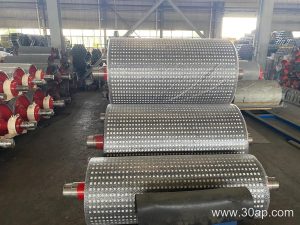
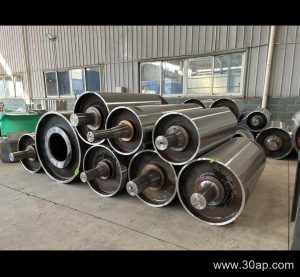
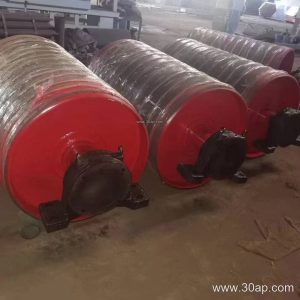
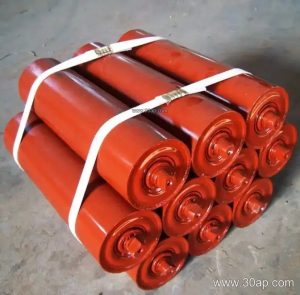
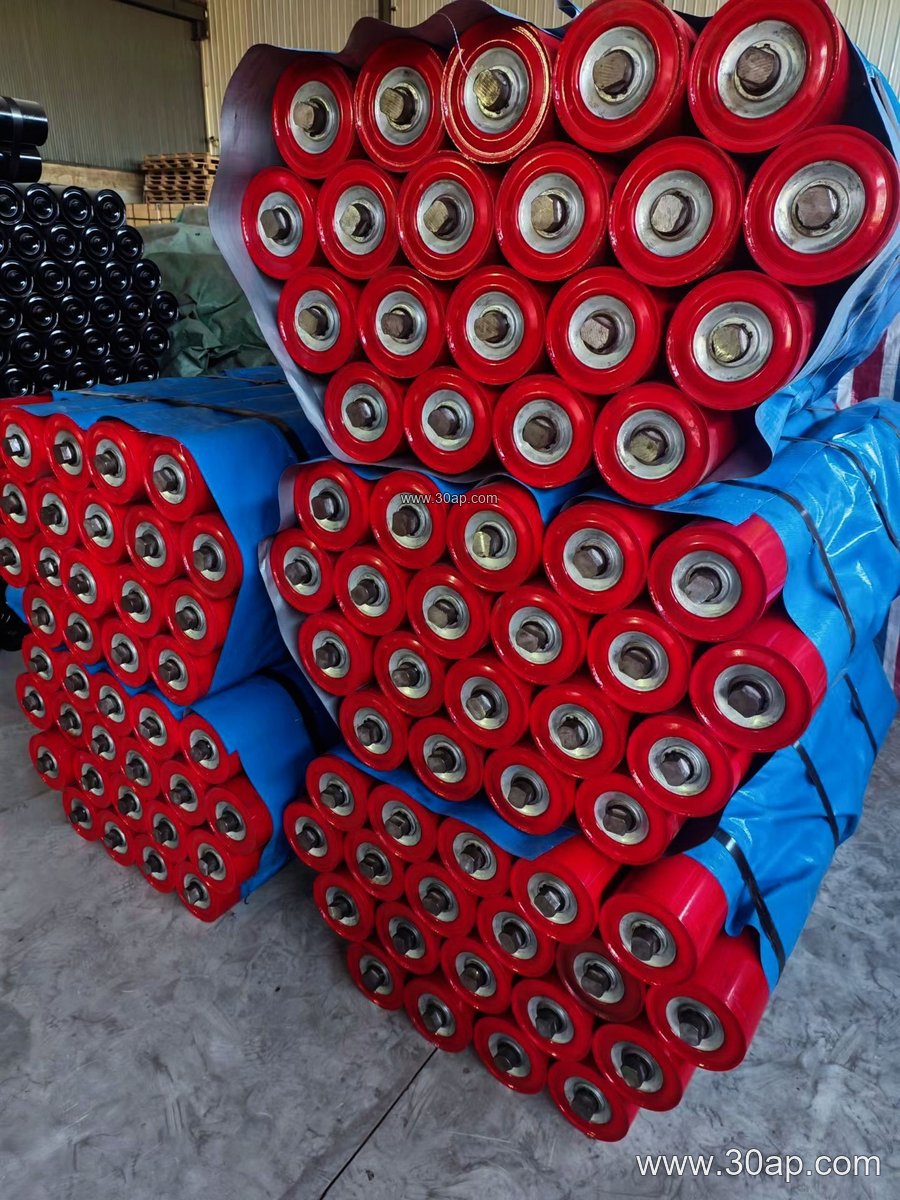
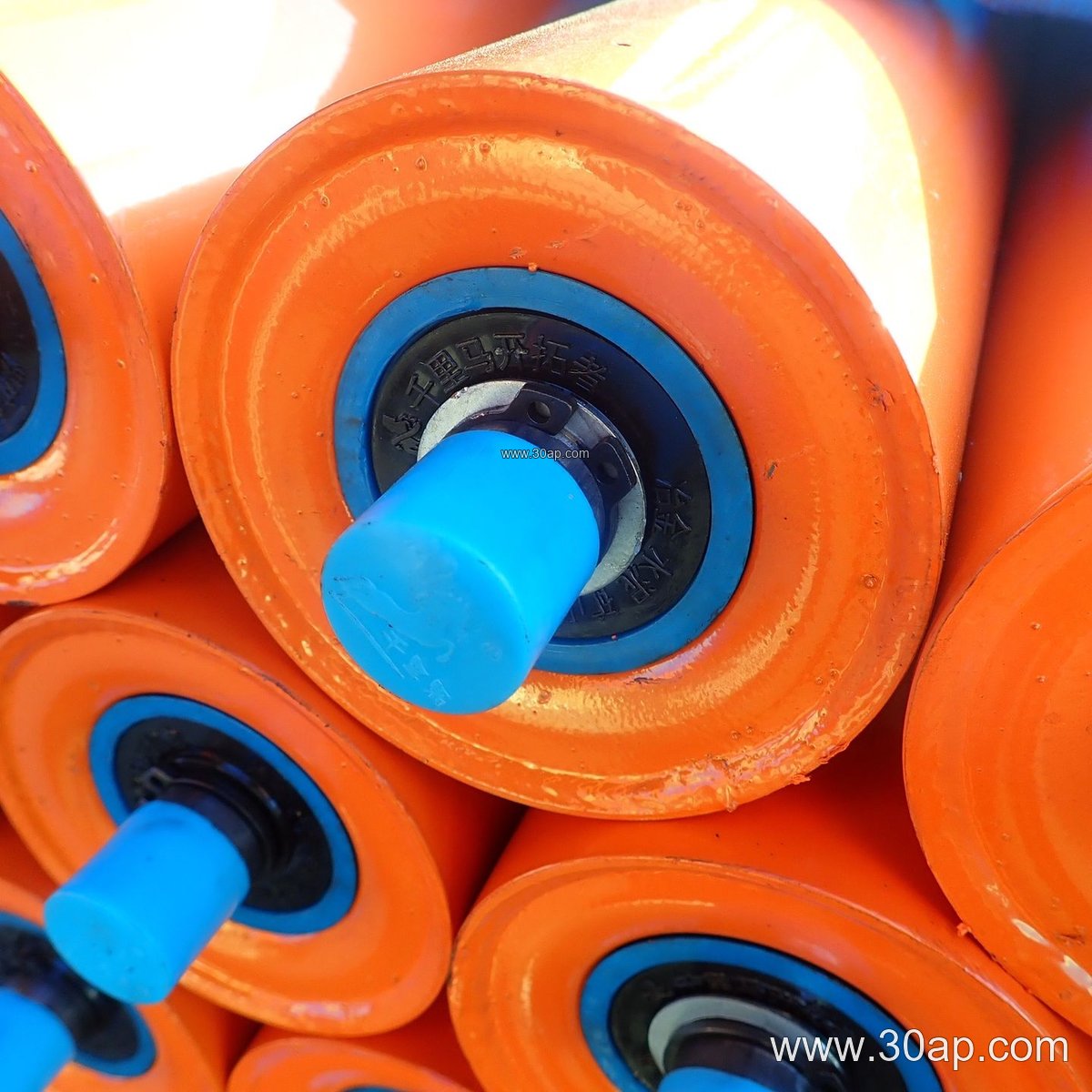
The ore conveyor idler, often simply called a conveyor idler roller, consists of a cylindrical shell, bearings, and a shaft. The shell is commonly made of steel, but for abrasive ore, rubber or ceramic lagging may be applied to extend service life. Bearings are crucial for smooth rotation; common sizes include 6204, 6205, 6305, 6306, 6308, and 6310, selected based on load and speed requirements. Sealing is vital to prevent dust and moisture ingress, especially in underground mining or dusty quarry environments.
Types and Arrangements for Ore Handling
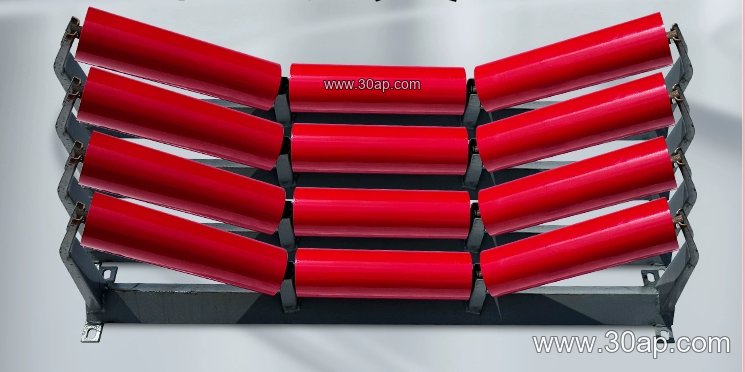
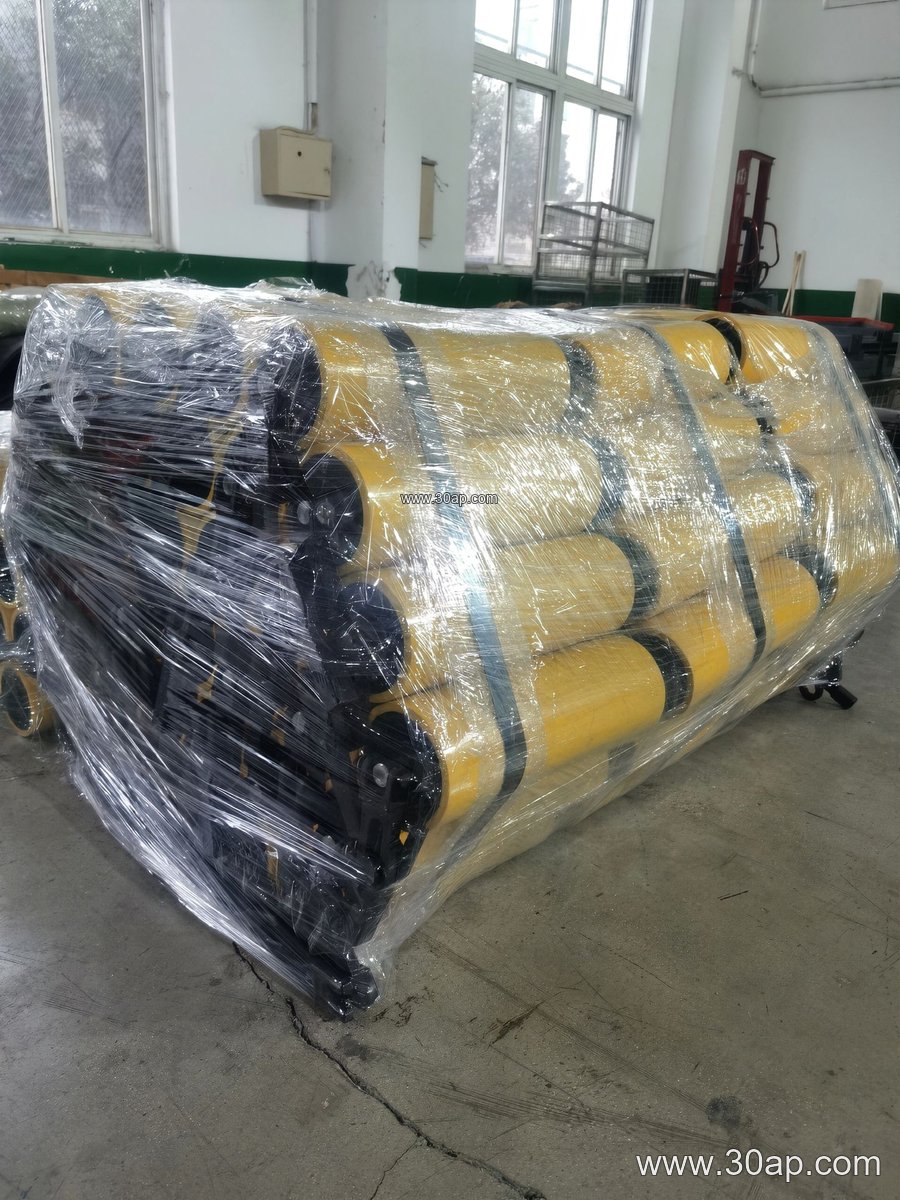
Ore conveyor idlers come in various configurations to suit different sections of the conveyor. Troughing idlers, typically arranged in three-roll sets, are used on the carrying side to shape the belt into a trough, preventing material spillage. Common trough angles are 20, 30, 35, and 45 degrees. For transition zones or impact areas, impact idlers with rubber rings absorb shock from large ore lumps. On the return side, flat or V-return idlers support the empty belt. Self-aligning idlers help keep the belt centered, reducing edge damage.
Typical Applications in Industry
These idlers are found in a range of industries handling abrasive materials. In a quarry or aggregate plant, they support belts transporting crushed stone. In a coal preparation plant or power plant coal yard, they endure dusty conditions. Cement plants use them for clinker and raw meal. Port facilities rely on them for ship loading and unloading of ore. The robust construction of an ore conveyor idler ensures continuous operation even in harsh environments.
Specifications and Selection Considerations
When selecting an ore conveyor idler, several parameters must be matched to the conveyor system. The table below outlines common reference data; actual dimensions should be confirmed with the conveyor design.
| Parameter | Common Options / Notes |
|---|---|
| Roller Diameter (mm) | Ø63, Ø76, Ø89, Ø102, Ø108, Ø127, Ø133, Ø159, Ø178, Ø194, Ø219 |
| Belt Width (mm) | B400, B500, B650, B800, B1000, B1200, B1400, B1600, B1800, B2000, B2200, B2400 |
| Roller Length (mm) | For three-roll troughing sets: approx. 200 for B500, 250 for B650, 315 for B800, 380 for B1000, 465 for B1200, 530 for B1400, 600 for B1600, 670 for B1800, 750 for B2000. Side and center rolls may differ. |
| Trough Angle | 20°, 30°, 35°, 45° |
| Bearing Sizes | 6204, 6205, 6305, 6306, 6308, 6310 (selection depends on load and speed) |
| Roller Surface | Steel, nylon, ceramic, rubber rings (for impact or abrasion resistance) |
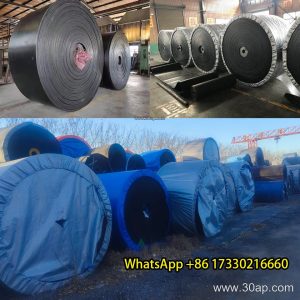
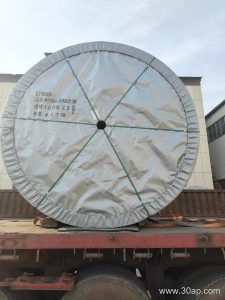
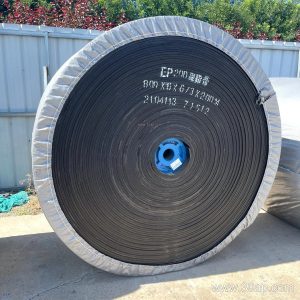
Belt width and idler diameter are not fixed pairs; the correct combination depends on load, belt speed, and space constraints. For high-abrasion ore, consider idlers with rubber or ceramic lagging. In coal mines, flame retardant and anti-static properties may be required for the conveyor belt, and idlers should be compatible with such belts. The conveyor belt itself, such as an EP conveyor belt or steel cord conveyor belt, also influences idler selection due to its weight and stiffness.
Maintenance and Troubleshooting
Regular inspection of ore conveyor idlers helps prevent unplanned downtime. Check for worn shells, seized bearings, or misalignment. Lubrication schedules should follow manufacturer recommendations. In dusty environments, sealed bearings are preferred. Replace idlers showing excessive wear or noise. Proper alignment of the conveyor bracket and pulley components ensures even belt tracking and prolongs idler life.
Buyer’s Checklist
- Confirm belt width and trough angle to determine idler arrangement and roll length.
- Select roller diameter based on load and belt speed; larger diameters suit higher loads.
- Choose bearing size and sealing appropriate for the environment (dust, moisture).
- Consider surface material: steel for general use, rubber for impact, ceramic for high abrasion.
- Ensure compatibility with the conveyor belt type, such as abrasion resistant conveyor belt or heat resistant conveyor belt.
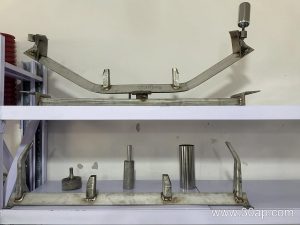
- Verify mounting dimensions with the conveyor bracket and frame.
For more information on conveyor components, visit our website at conveyor idler and conveyor belt sections. Proper selection of ore conveyor idlers enhances the efficiency and longevity of your bulk handling system.