What a Wear-Resistant Idler Is
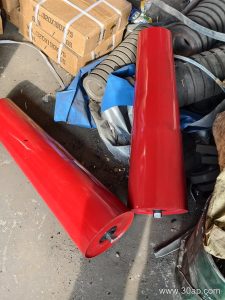
A wear-resistant idler is a carrying or return roller built to hold its shape and surface through abrasive, dusty, and high-load conveyor duty. In a coal washing plant, a limestone quarry, or a power station coal yard, the conveyor belt rubs across the roller shell thousands of times per shift. Standard rollers may wear thin at the shell, seize at the bearing, or lose their round profile. A wear-resistant idler roller is specified when the cost of stoppages and replacement labor is high enough to justify a tougher shell and a better seal.
The product is still an idler roller in the ordinary sense. It mounts on a conveyor bracket or frame, supports the conveyor belt, and turns on bearings. What changes is the material and construction of the wear surfaces.
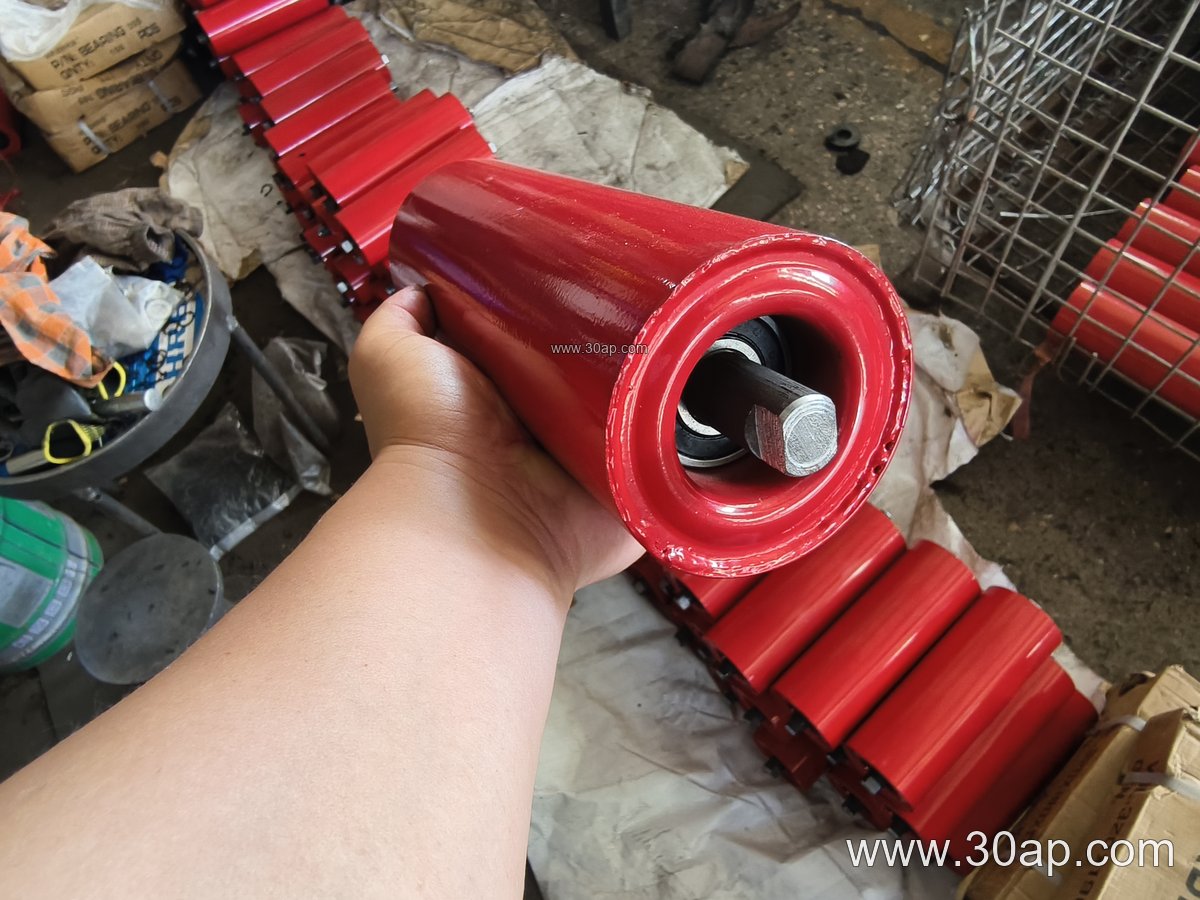
How the Roller Is Built
The wear path runs from the belt to the shell, then to the shaft and bearing housing. Builders therefore focus on three areas: the roller surface, the bearing protection, and the end seal.
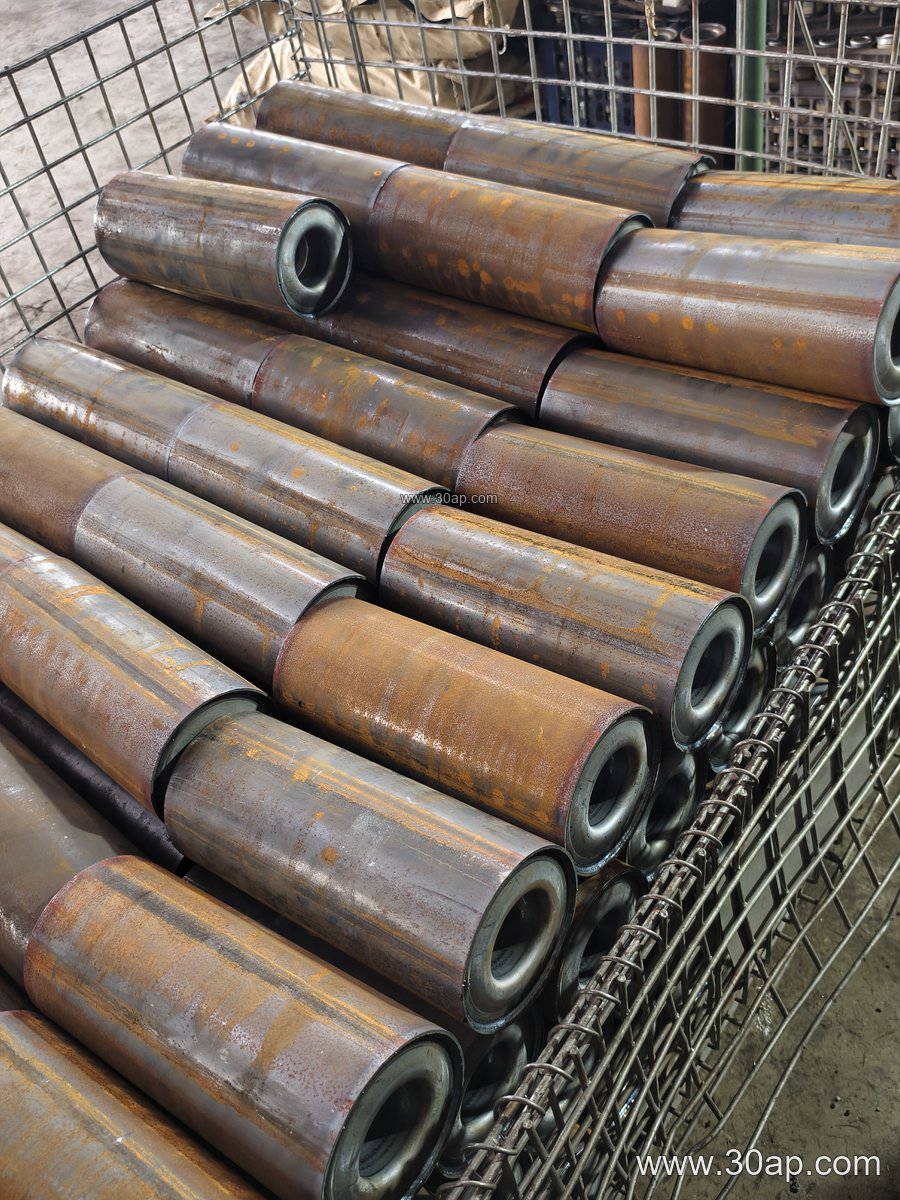
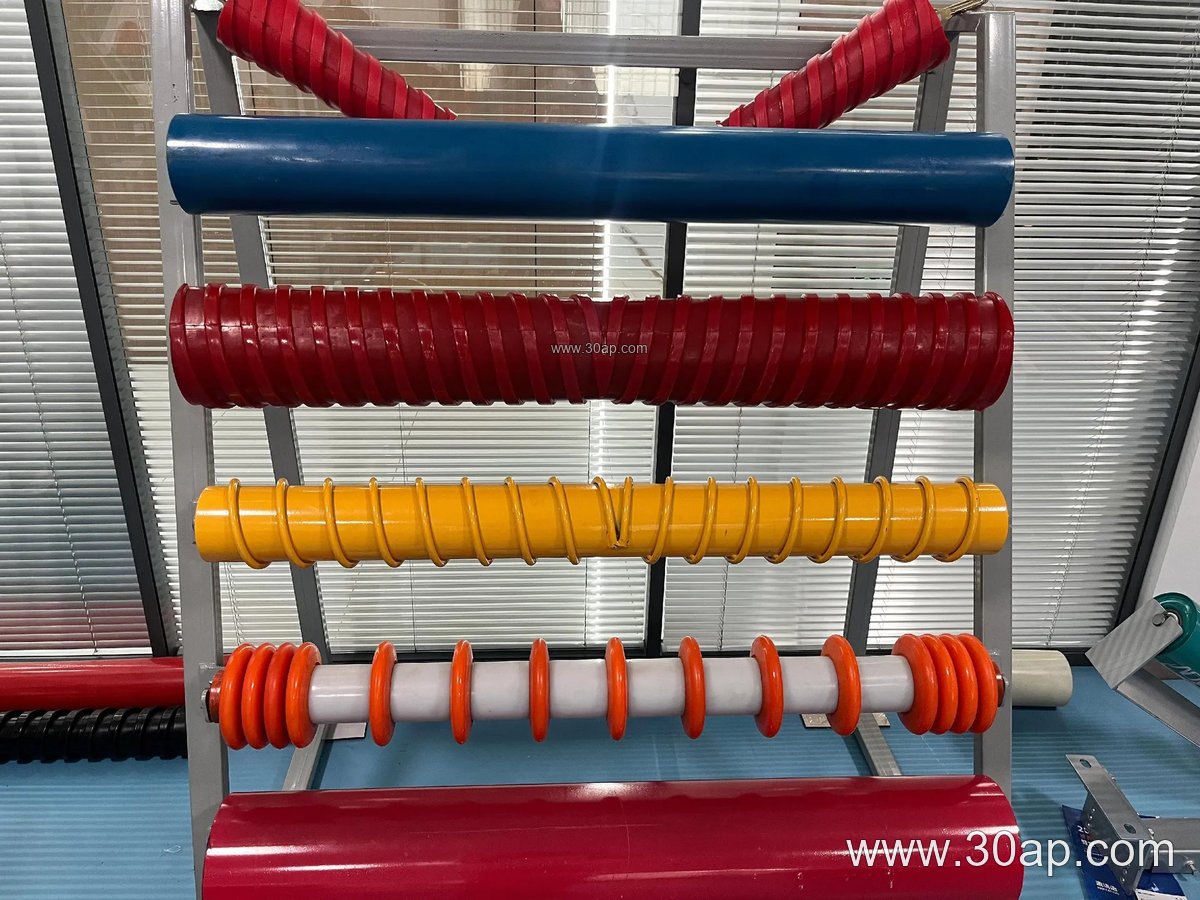
- Shell materials include steel tube, nylon, ceramic-faced tube, and rubber rings. Steel is the common base; ceramic or rubber surfaces add abrasion or impact resistance where the belt is heavily loaded.
- Bearing choices commonly include 6204, 6205, 6305, 6306, 6308, and 6310, selected by load and speed rather than by roller diameter alone.
- Sealing is often the real difference between long service and early failure. Labyrinth seals, contact seals, and grease-retaining end caps keep fine dust out of the bearing cavity.
Thicker tube walls resist denting and shell wear. A well-finished weld at the end disc reduces the chance of cracking under repeated load. None of these features is universal; a buyer should ask what the shell thickness, surface treatment, and seal design actually are.
Where It Fits on the Conveyor
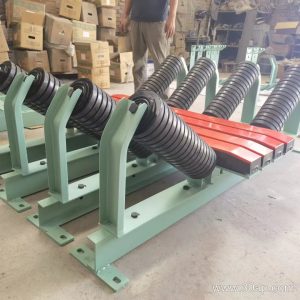
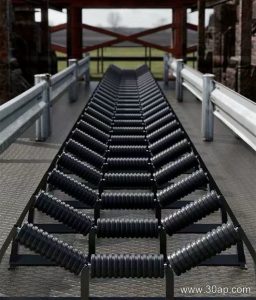
Wear-resistant idlers appear in both carrying and return positions. On the carrying side, three-roll troughing sets with 20, 30, 35, or 45 degree trough angles are common, and the wing rollers take much of the edge wear. On the return side, flat and V-shaped return rollers support the empty belt. Impact zones below a crusher or transfer chute may use rubber-ring impact idlers, which are a separate subtype chosen for shock absorption rather than general abrasion.
Typical service locations include:
- Coal handling and washing plants, where fines and moisture attack seals
- Limestone and aggregate crushing and screening lines
- Cement plant raw-material and clinker conveyors
- Power plant coal yards and iron and copper ore handling
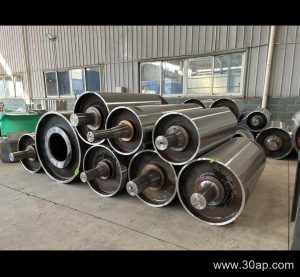
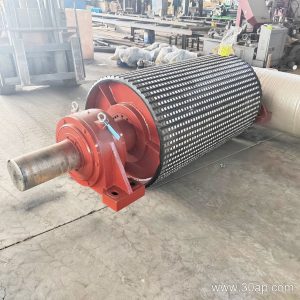
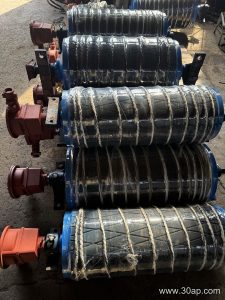
Compare this with a bend pulley or a drive pulley: those are conveyor pulleys that transmit power or change belt direction, and they are not interchangeable with idlers. A tail pulley at the loading end performs a different job again. Idlers support the belt between those pulleys.
Common Reference Dimensions
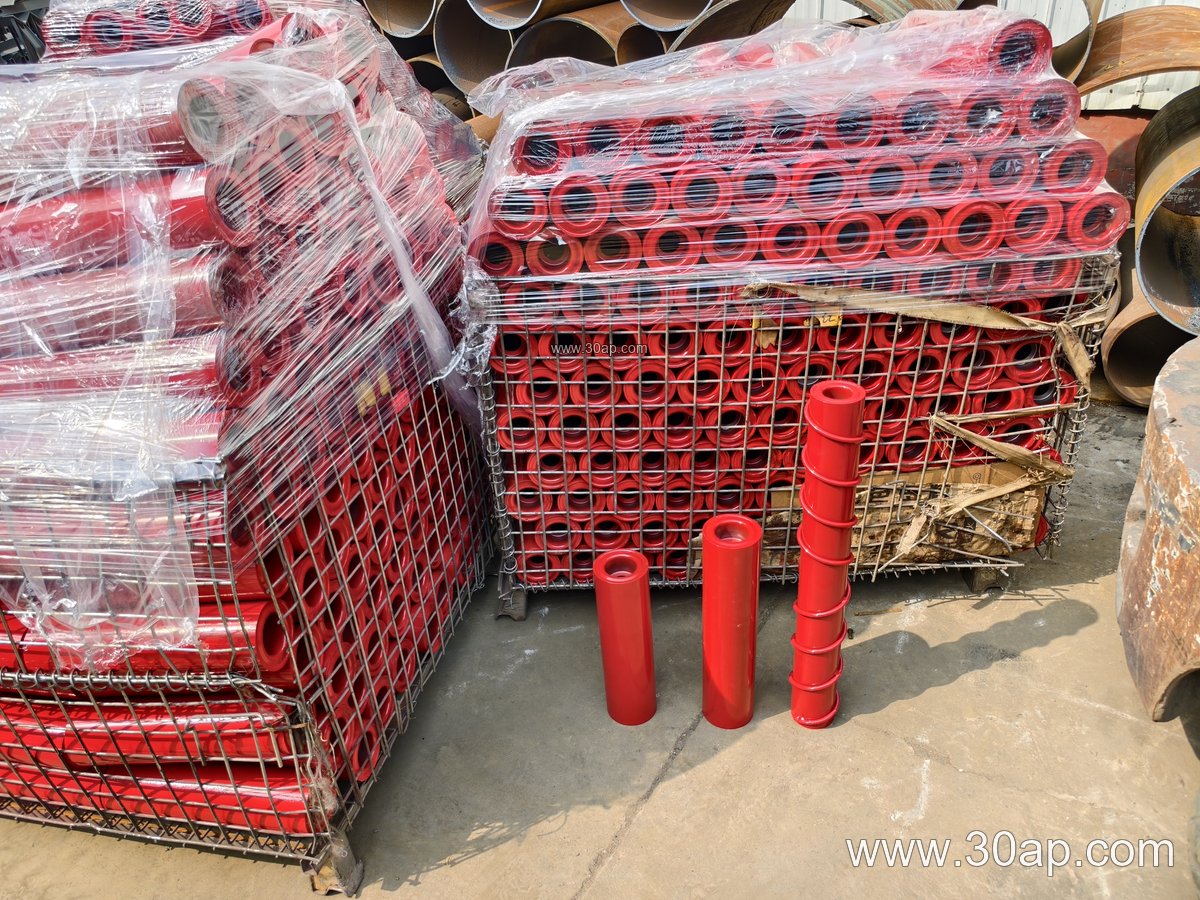
The table below gives typical reference values for general planning. Actual roller length depends on belt width, trough angle, and roll arrangement, and side rollers may differ from the center roll.
| Belt width | Typical roller length, three-roll trough (mm) | Common roller diameters (mm) |
|---|---|---|
| B500 | 200 | 63, 76, 89 |
| B650 | 250 | 76, 89, 102, 108 |
| B800 | 315 | 89, 102, 108, 127, 133 |
| B1000 | 380 | 102, 108, 127, 133, 159 |
| B1200 | 465 | 108, 127, 133, 159, 178 |
| B1400 | 530 | 127, 133, 159, 178, 194 |
| B1600 | 600 | 133, 159, 178, 194, 219 |
| B1800 | 670 | 159, 178, 194, 219 |
| B2000 | 750 | 159, 178, 194, 219 |
These figures are examples, not fixed matches. Correct selection comes from belt load, speed, spacing, and the actual frame design.
What a Buyer Should Check
Ask for the shell material and wall thickness, the bearing number and brand policy, and the seal type. Confirm the roller length and diameter against the existing conveyor bracket and frame, and confirm the trough angle if a full set is being replaced. For abrasive service, a ceramic or rubber-surfaced roller may last longer, but it costs more and should be justified by the duty. For a coal yard or a cement plant, dust ingress protection usually matters as much as shell hardness. Keep a small stock of the most-used sizes so a failed roller does not stop the belt for long.