What Is a Q235 Conveyor Bracket?
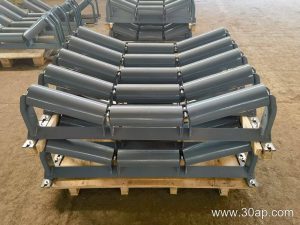
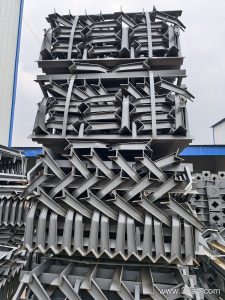
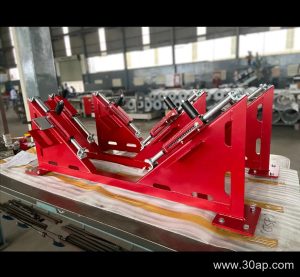
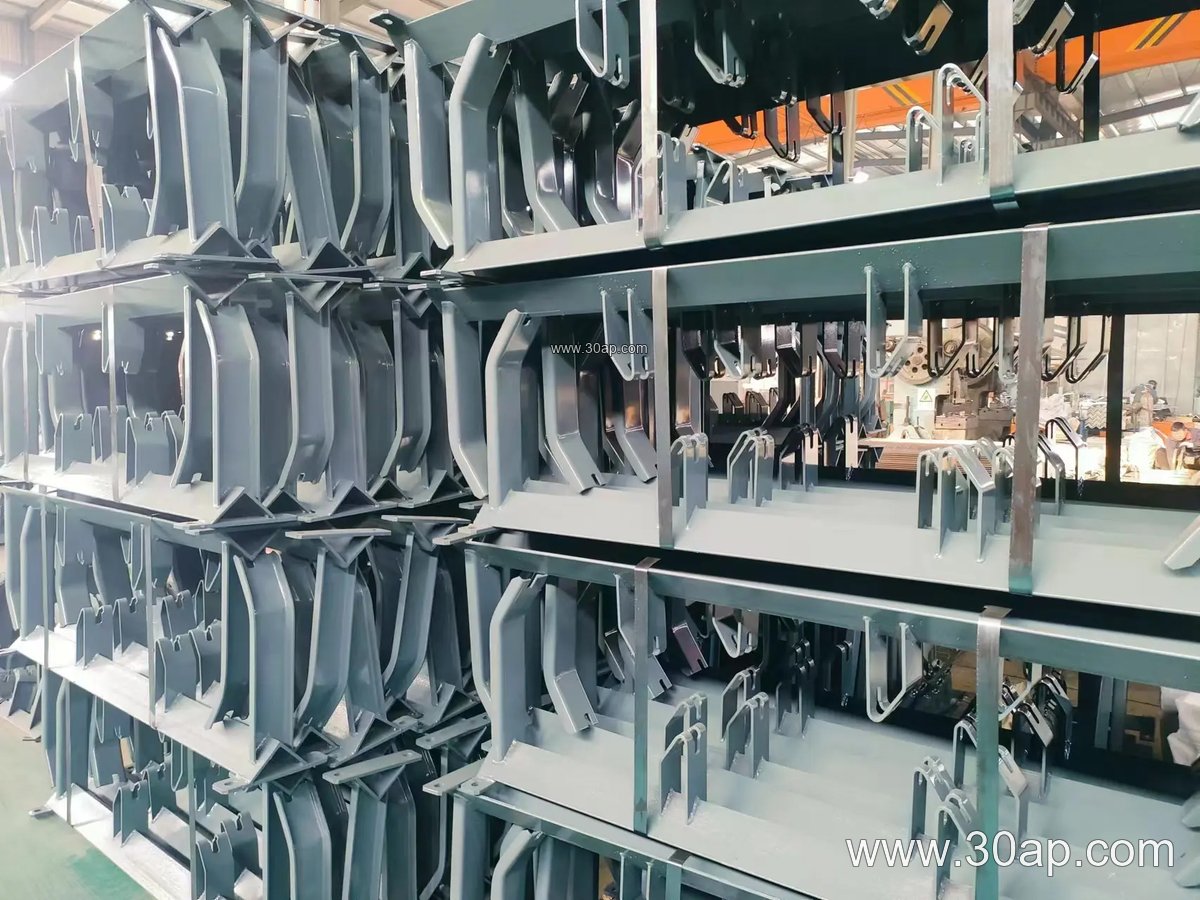
A Q235 conveyor bracket is a structural component that supports idler rollers and maintains the proper belt profile on a belt conveyor. Made from Q235 carbon structural steel, a common grade in general fabrication, this bracket is typically formed from angle steel, channel steel, or folded steel plate. It serves as the interface between the conveyor frame and the idler roller, ensuring that the belt runs smoothly and stays aligned under load. While the Q235 conveyor bracket is often associated with troughing idlers on the carrying side, it also appears in return-side configurations where belt support and training are needed.
Construction and Mounting Positions
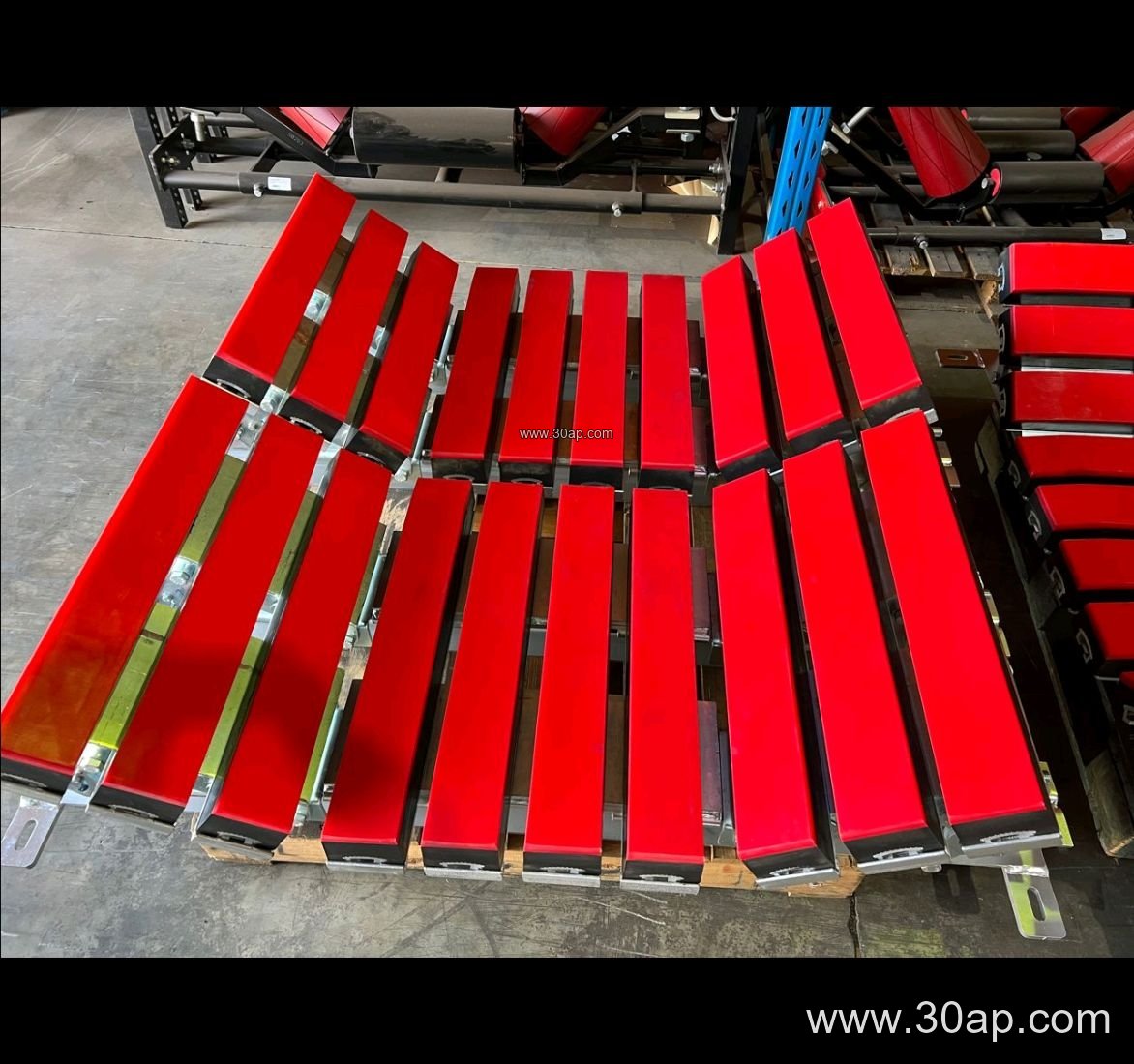
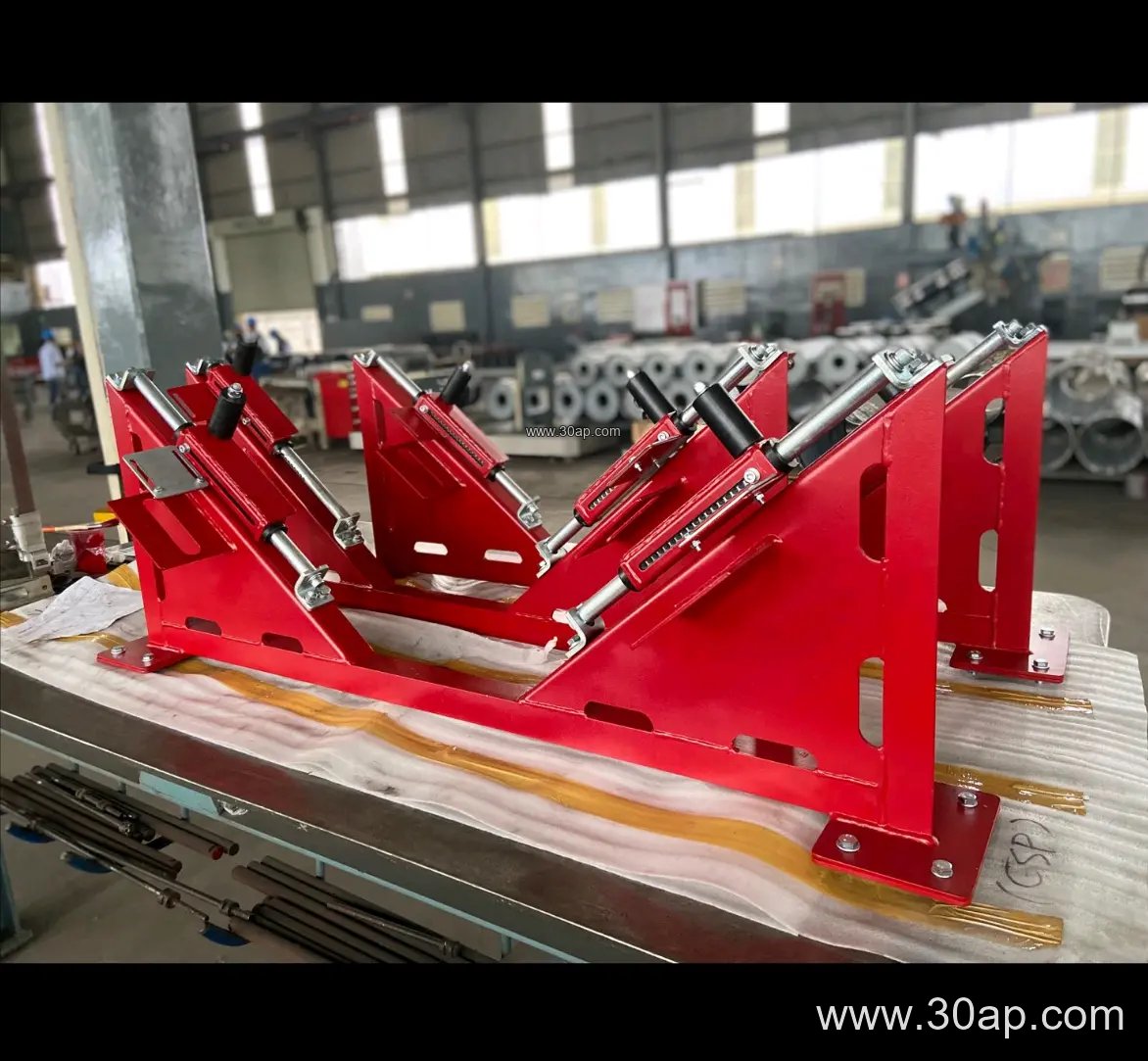
The bracket is usually welded or bolted to the conveyor stringer. Its design varies with the idler type it carries. For troughing idlers, the bracket holds three rollers at a fixed or adjustable trough angle. For return idlers, a flat or V-return bracket supports the belt on its clean side. Transition brackets are used near pulleys to guide the belt from flat to troughed. Impact brackets, often reinforced, sit under loading points to absorb shock. Adjustable brackets allow the trough angle to be changed on site, which helps fine-tune belt capacity and material containment. The Q235 conveyor bracket is not a one-size-fits-all part; its hole spacing and crossbeam length are determined by belt width, trough angle, and roller diameter.
Where It Fits in Bulk Handling
In a quarry or sand and gravel line, the Q235 conveyor bracket supports idlers that carry abrasive aggregate. In a coal washing plant, it helps maintain belt alignment through transfer points. The bracket also appears in cement plants, power plant coal handling, and port loading systems. Because it works with the conveyor belt and idler roller, its alignment directly affects belt life. A misaligned bracket can cause edge wear, material spillage, and premature roller failure. In dusty or wet conditions, proper bracket placement and drainage are important to prevent material buildup.
Common Configurations and Parameters
The table below lists typical bracket configurations and related dimensions. These are reference values, not universal specifications; actual selection depends on conveyor design, load, and environment.
| Bracket Type | Typical Belt Width (mm) | Trough Angle (degrees) | Idler Diameter (mm) |
|---|---|---|---|
| Troughing bracket | B500, B650, B800 | 20, 30, 35 | Ø89, Ø108 |
| Troughing bracket | B1000, B1200 | 35, 45 | Ø108, Ø133 |
| Transition bracket | B800, B1000, B1200 | 20 to 35 | Ø108, Ø133 |
| Return bracket (flat) | B650, B800, B1000 | 0 | Ø89, Ø108 |
| V-return bracket | B1000, B1200, B1400 | V-angle 10 to 15 | Ø108, Ø133 |
| Impact bracket | B800, B1000, B1200 | 35, 45 | Ø133, Ø159 |
| Adjustable bracket | B650 to B1400 | 20, 30, 35, 45 | Ø89 to Ø159 |
When selecting a Q235 conveyor bracket, consider the belt width, the required trough angle, and the idler diameter. For example, a B800 conveyor with 35-degree troughing might use a bracket with Ø108 idlers. A B1200 conveyor with 45-degree troughing often pairs with Ø133 idlers. The forward tilt of training idlers, typically about 1.5 to 2 degrees, is built into some bracket designs to aid belt tracking. Adjustable brackets are useful where belt loading changes or where fine tuning is needed.
Buyer Checklist
- Confirm the belt width and trough angle required for your conveyor.
- Match the bracket to the idler diameter and mounting hole spacing.
- Check the material grade and surface treatment for your environment.
- Decide between fixed and adjustable brackets based on operational flexibility.
- Ensure compatibility with your conveyor frame and idler roller type.
- For harsh conditions, consider brackets with reinforced construction or protective coatings.
Whether you are upgrading a quarry conveyor or specifying supports for a new cement plant, the Q235 conveyor bracket plays a key role in keeping the belt centered and the idlers effective. For related components such as conveyor pulleys and conveyor brackets, consult your conveyor designer to ensure a coordinated system.