What a Composite Idler Is
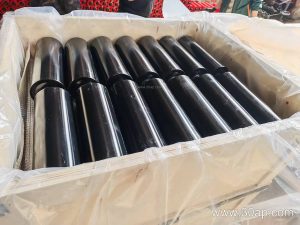
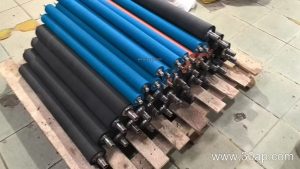
A composite idler is a conveyor idler roller whose barrel is built from a composite material rather than a plain steel tube. In everyday plant language it is often called a composite roller or composite conveyor idler. The composite barrel is commonly a polymer or reinforced resin body, sometimes with a steel shaft and bearing housing inside, so the roller keeps the mounting dimensions of a conventional idler while shedding weight and resisting corrosion.
It sits in the same frames as a steel idler roller and carries the conveyor belt on the load side or the return side. The difference is in the shell: a non-metallic, often non-stick surface that resists build-up and moisture better than bare steel in many bulk handling areas.
How It Is Built
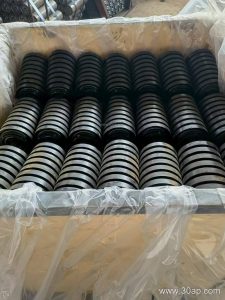
Most composite idlers combine four elements. The shaft is usually steel and machined at the ends for the bracket or frame slot. Bearings, often sealed deep-groove ball bearings such as 6204, 6205, 6305, 6306 or 6308 depending on the duty, sit in housings at each end. The composite barrel wraps the shaft and carries the belt. End caps and seals close the assembly against dust and water.
- Composite barrel with a smooth or profiled surface
- Steel shaft with standard end configurations
- Sealed ball bearings in protected housings
- Labyrinth or contact seals for dusty service
The composite shell can be moulded to include a slight crown or a defined surface pattern, but the mounting envelope normally follows conventional roller dimensions so replacement is straightforward.
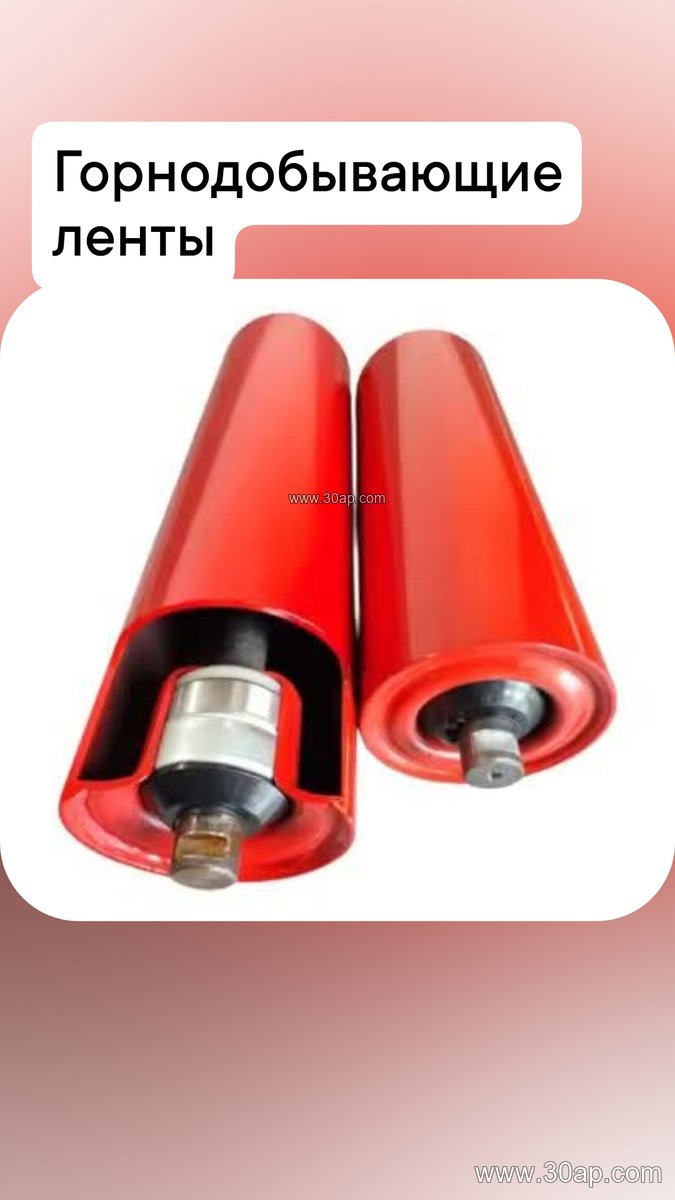
Where Composite Idlers Fit
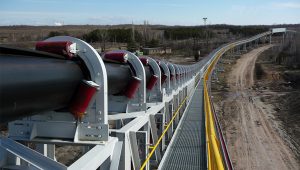
Composite idlers suit lines where corrosion, sticking material or weight matter. In a limestone quarry or a cement plant, fine dust and moisture can rust steel shells and cause belt misalignment; a composite roller keeps a cleaner surface. In a coal preparation plant or a power station coal yard, washdown and humid conditions favour non-metallic barrels. Sand and gravel lines often see abrasive slurry, and a composite idler can reduce shell wear and belt friction.
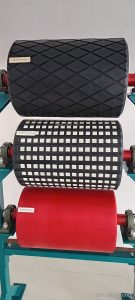
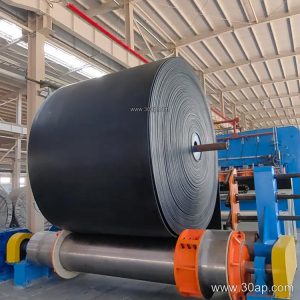
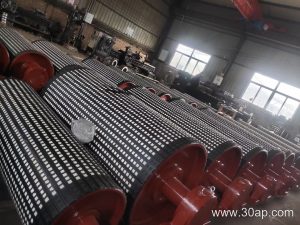
Other common sites include fertilizer plants, port terminals handling damp bulk, and tunnel spoil conveyors where water is present. The composite idler is not a substitute for a drive pulley, tail pulley or bend pulley; those are conveyor pulleys that transmit power or change belt direction. It is also distinct from a conveyor bracket, which is the frame part that holds the roller.
Types and Arrangements
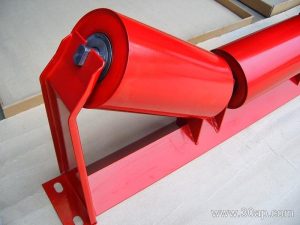
Composite idlers appear in the same arrangements as steel rollers. Troughing sets of two or three rolls carry the loaded belt; a three-roll troughing set is common on wider belts. Return idlers support the empty belt, and V-return or flat return forms are used depending on belt width and training needs. Impact and transition positions may use a composite roller where a softer, non-marking surface helps.
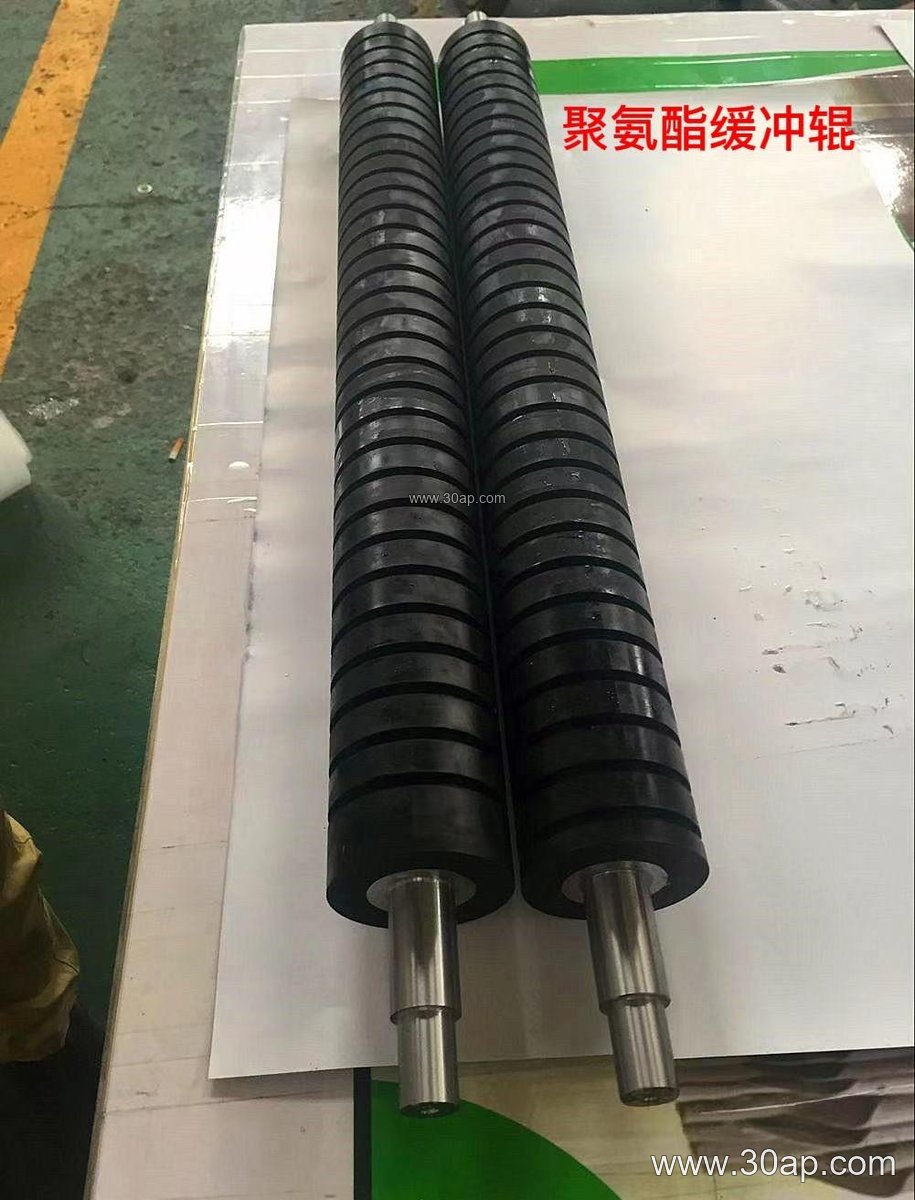
Typical reference dimensions for troughing sets are given below. These are common examples, not fixed pairings; roll length varies with belt width, trough angle and frame design, and side rolls may differ from the centre roll.
| Belt width | Common roll length (three-roll troughing) | Typical trough angle |
|---|---|---|
| B500 | about 200 mm | 20 to 35 degrees |
| B650 | about 250 mm | 20 to 35 degrees |
| B800 | about 315 mm | 30 to 35 degrees |
| B1000 | about 380 mm | 30 to 35 degrees |
| B1200 | about 465 mm | 30 to 35 degrees |
| B1400 | about 530 mm | 30 to 35 degrees |
| B1600 | about 600 mm | 35 degrees |
Composite rollers are made in the usual shaft and barrel sizes. Common roller diameters include Ø89, Ø102, Ø108, Ø127, Ø133 and Ø159 mm, with larger sizes such as Ø178 and Ø194 mm used on heavy belts. Bearing selection follows load and speed, so a given diameter is not tied to one bearing number.
What Buyers Should Check
Start with the belt width and the troughing arrangement, then confirm the roll length, barrel diameter and shaft ends against the existing frame. Check the sealing class for the site: a dusty quarry and a wet washbox need different protection. Confirm the composite material’s temperature range and its resistance to the carried material, since some chemicals and hot loads are unsuitable. Ask how the barrel is joined to the shaft and what bearing is fitted.
During operation, inspect for a worn or cracked shell, noisy bearings and a roller that no longer turns freely. Keep the belt tracking well so the composite idler is loaded evenly, and replace a damaged roller before it wears the conveyor belt edge. With the right selection and basic maintenance, a composite idler can be a practical, lightweight alternative to steel in wet and sticky bulk handling duty.