What a 2200mm Conveyor Belt Is
A 2200mm conveyor belt is an extra-wide belt built for conveyor systems that need to move large volumes of bulk material in a single pass. At 2.2 metres across, it sits at the upper end of standard belt widths, and it is usually specified where narrower belts would demand more lines, more transfer points and more maintenance attention. In practice, this width is common on mainline conveyors in mining, coal preparation, cement plants, power stations, ports and large sand and gravel operations.
The belt itself is a composite product. A tension-carrying carcass sits at the core, and rubber covers protect it from the material being carried and from the environment. The carcass may be fabric based, such as an EP conveyor belt or an NN conveyor belt, or it may use steel cords. Cover compounds are selected for abrasion, heat, oil, flame resistance or cold, depending on the duty.
Construction and Typical Specifications
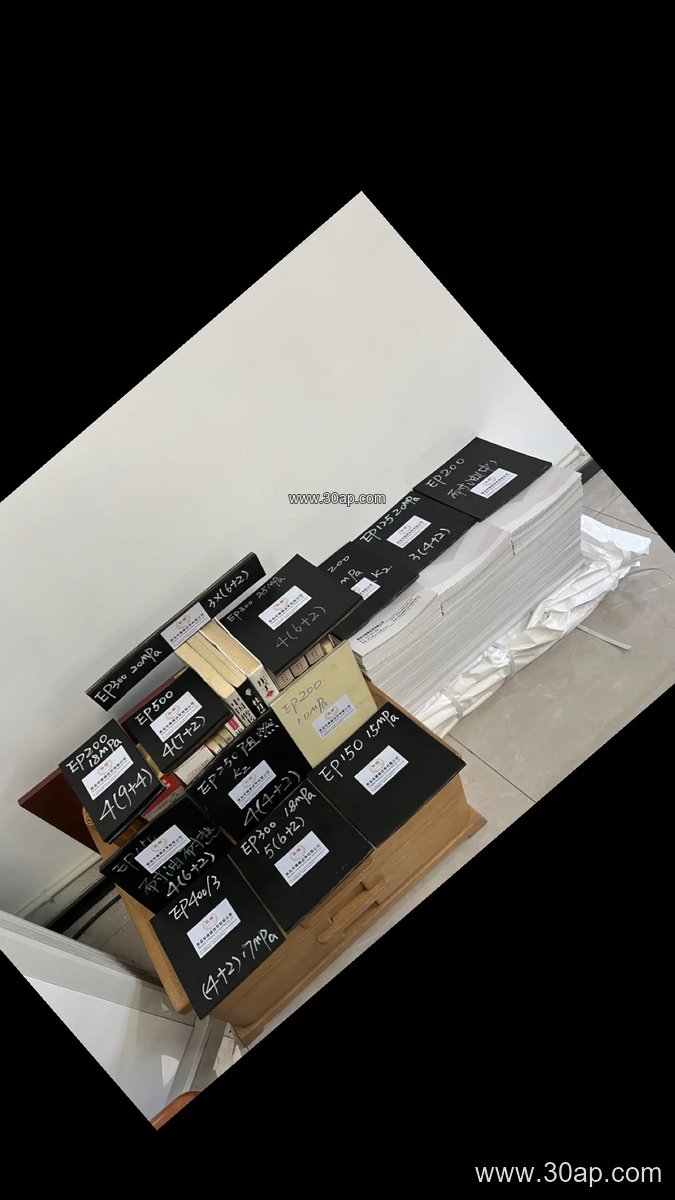
Because of the width, a 2200mm belt carries high total tension, and the carcass design matters more than on a narrow unit. Multi-ply fabric cores are common in general bulk handling, while steel cord designs suit long, high-capacity mainlines. Cover thickness is normally stated as top plus bottom, for example 6+2 mm or 8+3 mm for abrasive rock duties.
The table below gives common reference values. These are typical ranges, not fixed universal specifications, and final values should always be confirmed with the belt manufacturer against the actual conveyor design.
| Parameter | Common Reference Values |
|---|---|
| Belt width | 2200 mm (B2200) |
| Carcass type | EP fabric, NN fabric, steel cord |
| Fabric strength grades | EP200 to EP2000, NN100 to NN400 |
| Steel cord grades | ST1000 to ST3150 |
| Number of fabric plies | Typically 2 to 6 |
| Top/bottom cover | 4+2, 5+2, 6+2, 8+3 mm |
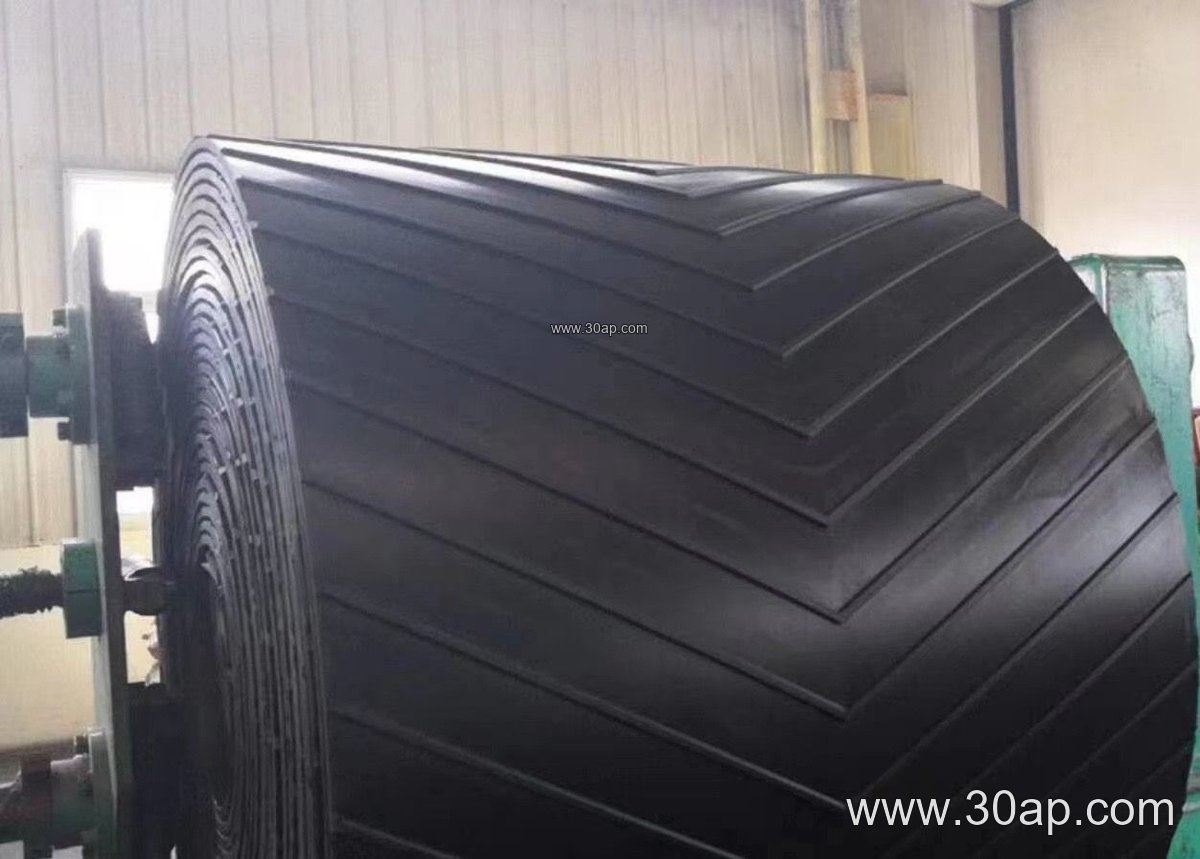
| Special constructions | Chevron, corrugated sidewall, pipe, endless |
Special forms are available when the route demands them. A corrugated sidewall belt with cleats can handle steep inclines, and a pipe conveyor belt can enclose the material to limit spillage and dust. These are different belt constructions serving different layouts, not direct replacements for a flat 2200mm belt on a standard troughed conveyor.
Where This Width Fits
Wide belts are chosen when tonnage per hour is high and the conveyor route is relatively stable. Typical installations include primary crushing discharge lines at a quarry, raw material handling in a cement plant, coal handling in a power plant, and ship loading or stockyard conveyors at a port. An underground coal mining conveyor may also use wide flame retardant and anti-static belts where regulations and ventilation conditions allow.
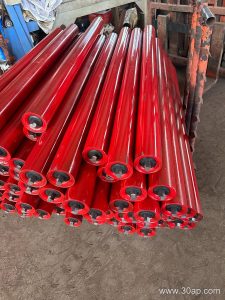
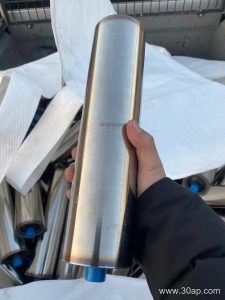
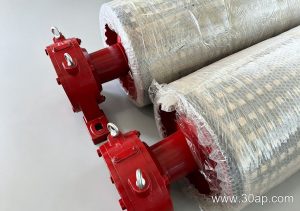
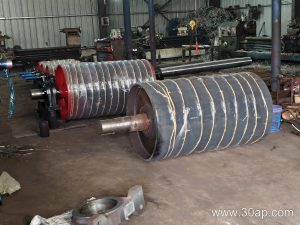
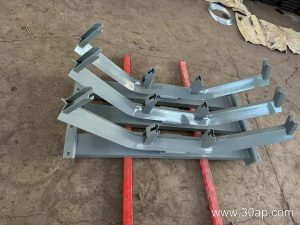
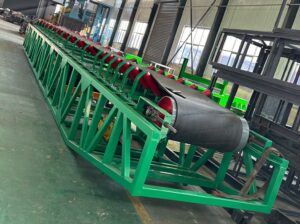
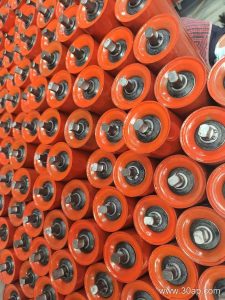
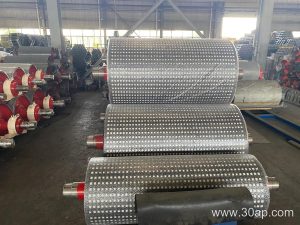
The belt does not work alone. It runs over idler rollers arranged in a trough, wraps the drive pulley and tail pulley, and is supported by conveyor brackets and frames along the route. A conveyor pulley that is undersized or badly aligned will shorten belt life regardless of belt quality, so the whole system should be reviewed together. Matching a belt width to a pulley diameter is a design decision based on tension, wrap angle and shaft load, not a fixed rule.
Buyer Checklist
- Confirm the actual duty: material type, lump size, capacity in tonnes per hour, and whether the load is abrasive, hot, oily or wet.
- State the required carcass grade and ply count, and ask for the tension rating at the specified splice efficiency.
- Choose cover thickness and compound for the environment; a high abrasion resistant conveyor belt is often appropriate for rock and ore, while heat resistant or oil resistant covers suit cement and processing lines.
- Check that the drive pulley, tail pulley, bend pulleys and idler rollers are rated for the belt tension and width.
- Plan the splice method and check whether an endless conveyor belt is preferred for the application.
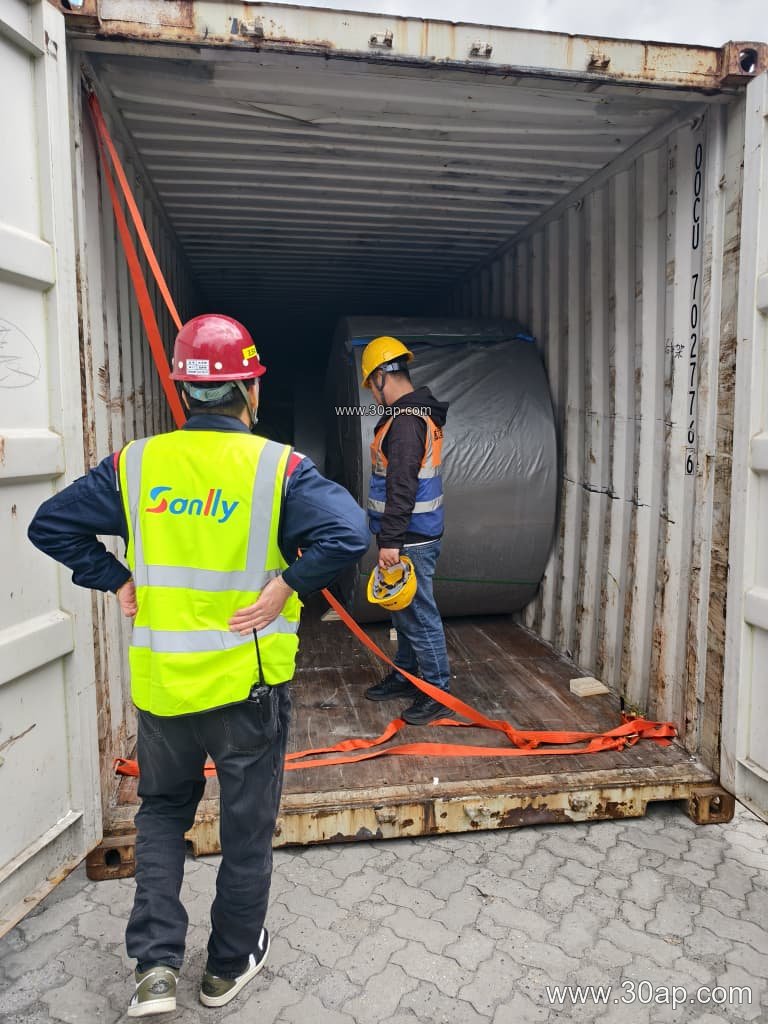
- Confirm roll length, roll weight and handling equipment, since a 2200mm belt is heavy and difficult to move without proper lifting gear.
Installation and Maintenance Notes
Wide belts are less forgiving of misalignment than narrow ones. During installation, check pulley squareness, idler alignment and frame level along the full route. Keep the belt tracking straight, maintain adequate counterweight tension, and inspect the splice regularly, since splices are usually the first point of failure on a heavily loaded mainline.
Cleanliness also matters. Spillage build-up on return idler rollers and on the tail pulley can cause tracking problems and cover damage. For coal and cement duties, a flame retardant conveyor belt combined with good housekeeping reduces risk. For cold climates, a cold resistant cover helps prevent cracking at start-up.
Finally, keep records of belt thickness, cover wear and splice condition. This allows planned replacement rather than emergency shutdowns, which is important on any conveyor carrying the main plant feed. Buyers comparing options can review belt constructions and related components such as idler roller and conveyor pulley selections at conveyor belt and idler roller pages before finalizing a specification.