What a 500mm Conveyor Belt Is
A 500mm conveyor belt is a 500 millimetre wide belt, often written as B500 in specification sheets, used on relatively narrow conveyor lines where space is tight or the material flow is moderate. It is the same product as a 500mm wide conveyor belt, and both names describe the belt itself, not the pulleys, idlers, or brackets that support it. In plants where a wider 650mm or 800mm belt would be oversized, a 500mm unit often fits the frame, the drive arrangement, and the transfer points more cleanly.
The belt is usually supplied as an endless conveyor belt or as an open length that is spliced on site. It can be a fabric core conveyor belt, a steel cord conveyor belt, or a PVC/PVG belt depending on the duty. For a buyer, the width is only the starting point; the carcass, cover grade, and splice method matter just as much as the 500mm figure.
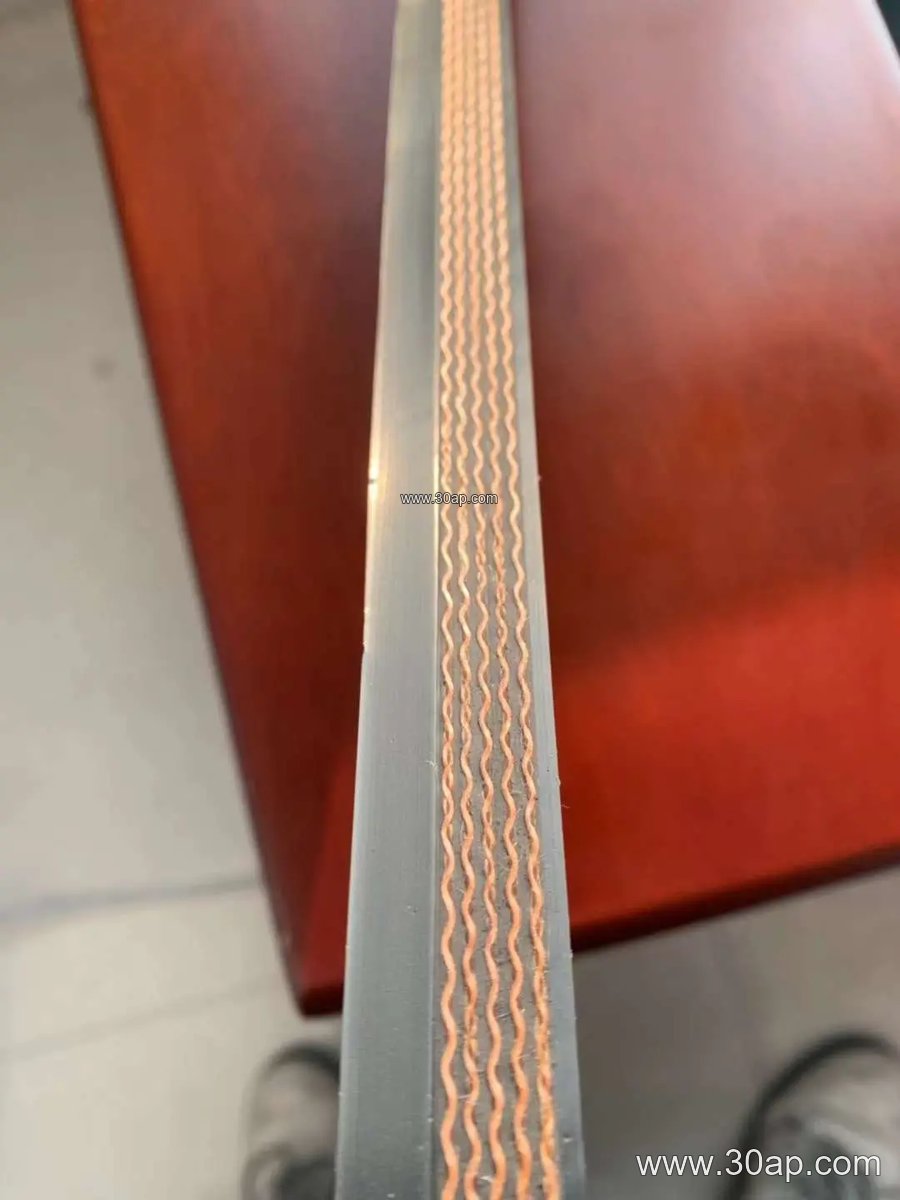
Construction and Common Specifications
Most 500mm belts use a multi-ply fabric core, with EP or NN canvas as the load-bearing skeleton. The cover rubber protects the carcass from abrasion, impact, heat, oil, or flame, and the edge construction keeps the belt tracking on the conveyor pulley. Common cover thickness combinations include 3+1.5, 4+2, 5+2, 6+2, and 8+3 mm, while the carcass is often 2 to 6 plies. These are typical reference values rather than fixed rules, and actual builds vary by manufacturer and application.
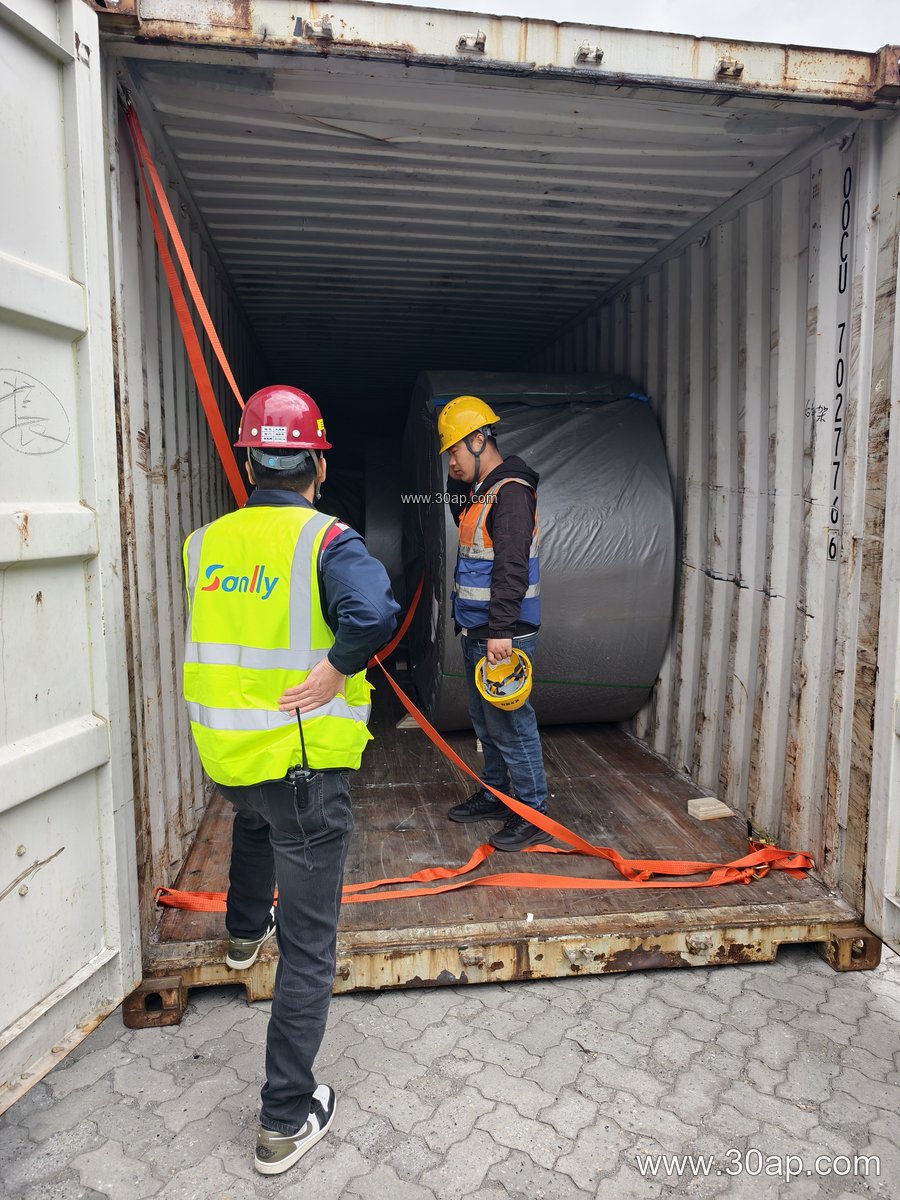
| Parameter | Common Reference |
|---|---|
| Belt width | 500mm (B500) |
| Carcass type | EP, NN, steel cord, PVC, PVG |
| Strength grades (EP) | EP200, EP315, EP400, EP500, EP630, EP800 |
| Cover thickness | 3+1.5, 4+2, 5+2, 6+2, 8+3 mm |
| Ply count | 2 to 6 plies |
| Surface options | Smooth, chevron, corrugated sidewall, skirted |
Special grades include heat resistant conveyor belt, oil resistant conveyor belt, flame retardant conveyor belt, cold resistant conveyor belt, anti-static conveyor belt, and abrasion resistant conveyor belt. In coal mining and underground mining, PVG and PVC belts are common because they combine flame resistance with a solid-woven or fabric core. Food grade and acid resistant versions exist for lighter duty, but they are usually selected by application rather than by width alone.
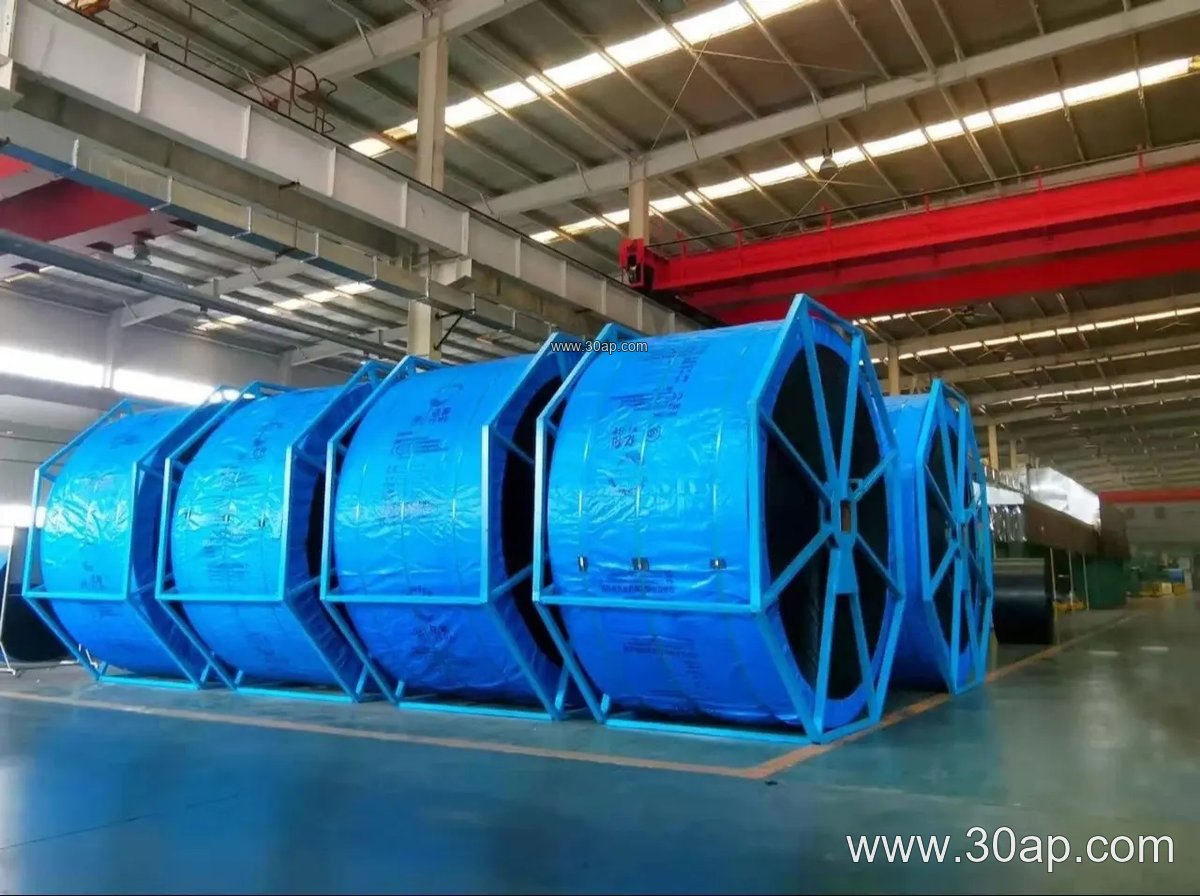
Where the 500mm Width Fits
This width appears in quarry conveyor belts, aggregate conveyor belts, and crusher conveyor belts that feed screens or stackers at modest tonnage. It is also seen in cement plants, power plants, and sand making plants on additive lines, sampling lines, and small transfer conveyors. In mining, a 500mm belt may run on a secondary or reclaim line rather than the main haul, and it can be specified as a mining conveyor belt with flame retardant properties for underground use.
Other industries use it for recycling sort lines, foundry sand, fertilizer, and light bulk material conveyor belt duties. When the material is hot, a heat resistant conveyor belt grade is chosen; when it is oily, an oil resistant conveyor belt; and when sharp rock is present, a high abrasion resistant conveyor belt with a thicker top cover is preferred. A chevron conveyor belt or corrugated sidewall conveyor belt in 500mm width can handle steeper inclines where a smooth belt would slip.
Matching the Belt to Pulleys, Idlers, and Brackets
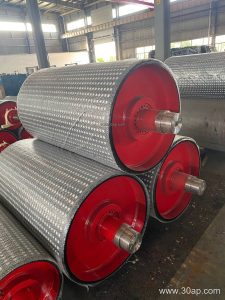
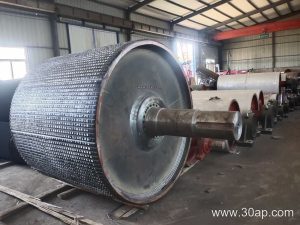
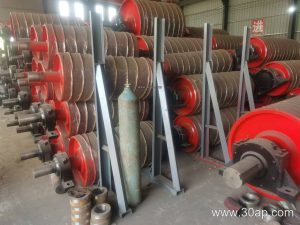
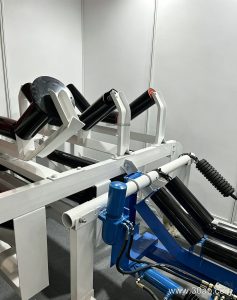
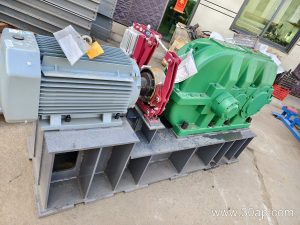
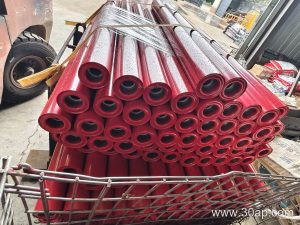
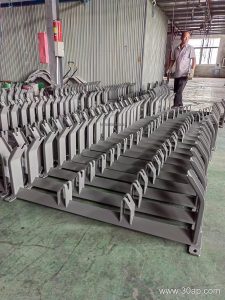
Belt width does not dictate one pulley diameter. A 500mm belt can run on different conveyor pulley sizes depending on tension, speed, and the drive layout. Drive pulleys, tail pulleys, and bend pulleys are not interchangeable names; each has a distinct role, and the drive pulley is sized for torque and grip while the tail pulley mainly guides and tensions the return side. Idler roller spacing and conveyor bracket dimensions should follow the conveyor design, not the belt width alone.
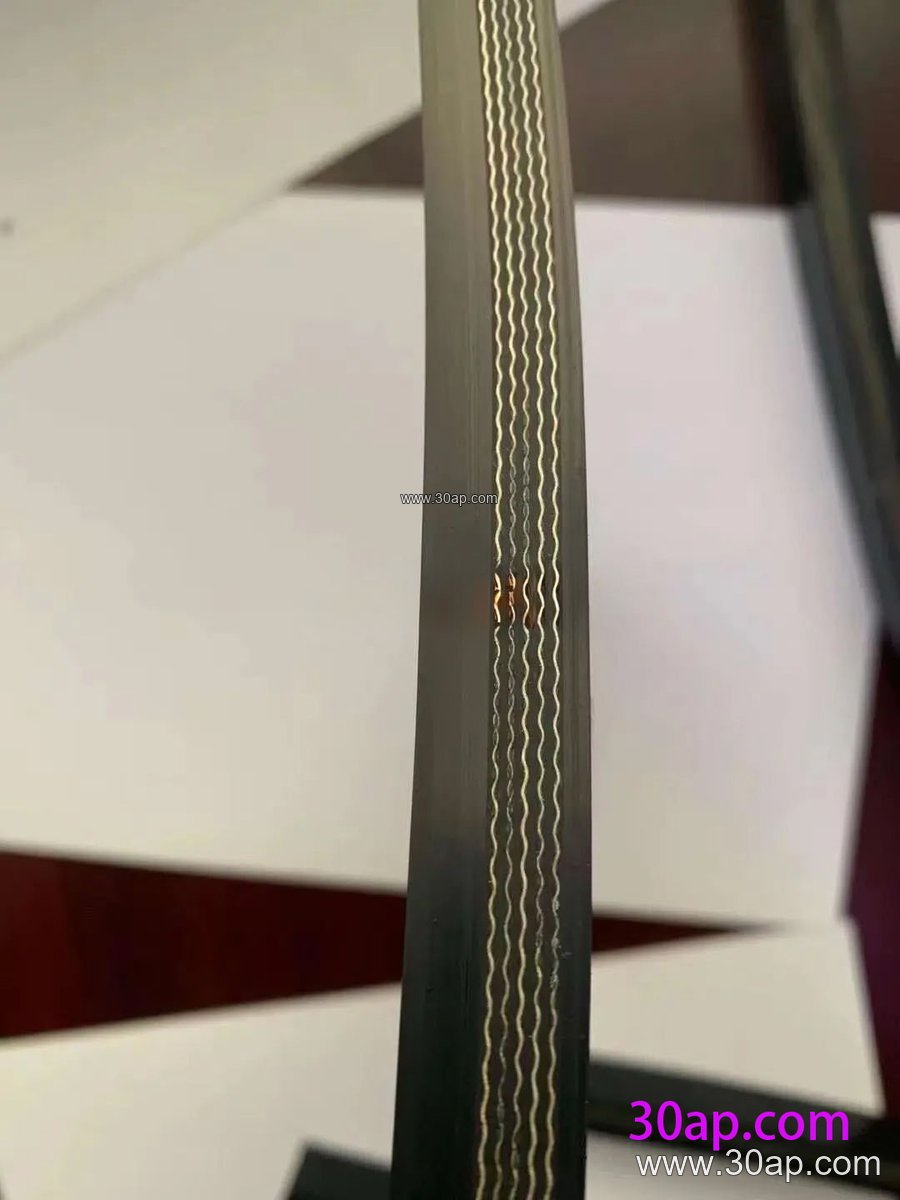
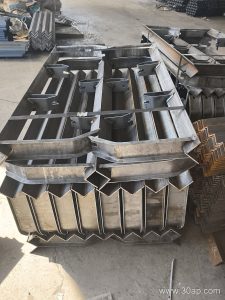
Do not assume a fixed shaft diameter from the 500mm figure. Shaft size depends on load, pulley face width, bearing selection, and the conveyor frame. A practical check is to confirm that the pulley face is wider than the belt, that the idler rollers are aligned, and that the brackets hold the frame square so the belt does not mistrack.
Buyer Checklist
- Confirm the carcass type and strength grade, for example EP400 or EP630, rather than width only.
- State the material, lump size, temperature, and whether oil, chemicals, or flame exposure apply.
- Choose cover thickness and surface form: smooth, chevron, skirted, or corrugated sidewall.
- Confirm splice type and whether an endless belt is required.
- Check pulley face width, idler roller spacing, and conveyor bracket fit before ordering.
- Ask for the manufacturer’s data sheet, since reference values vary between suppliers.
For a 500mm conveyor belt, the width is a convenient label but not a complete specification. A belt that suits a quarry transfer point may be wrong for a coal mine shaft or a cement kiln feed line. Matching rubber grade, fabric core, and mechanical support to the actual duty keeps the conveyor reliable and avoids premature edge wear or splice failure.