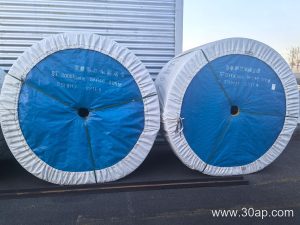
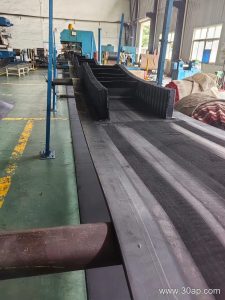
What the ST2000 Conveyor Belt Is
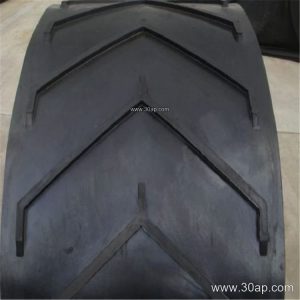
The ST2000 Conveyor Belt is a steel cord conveyor belt rated for a nominal breaking strength of 2000 N/mm. It sits in the upper-middle range of the ST series, above ST1600 and below ST2500 and ST3150. Where a fabric core belt relies on woven plies, this belt carries its load in a single layer of high-carbon steel cords, arranged parallel to the belt length and bonded in rubber. That construction is what allows a long conveyor to move heavy bulk material with limited stretch and fewer transfer points.
The product is also described simply as an ST2000 steel cord belt or a 2000 N/mm steel cord conveyor belt. These are names for the same article, not separate products. It should not be confused with drive, tail or bend pulleys, which are separate conveyor components with their own duties.
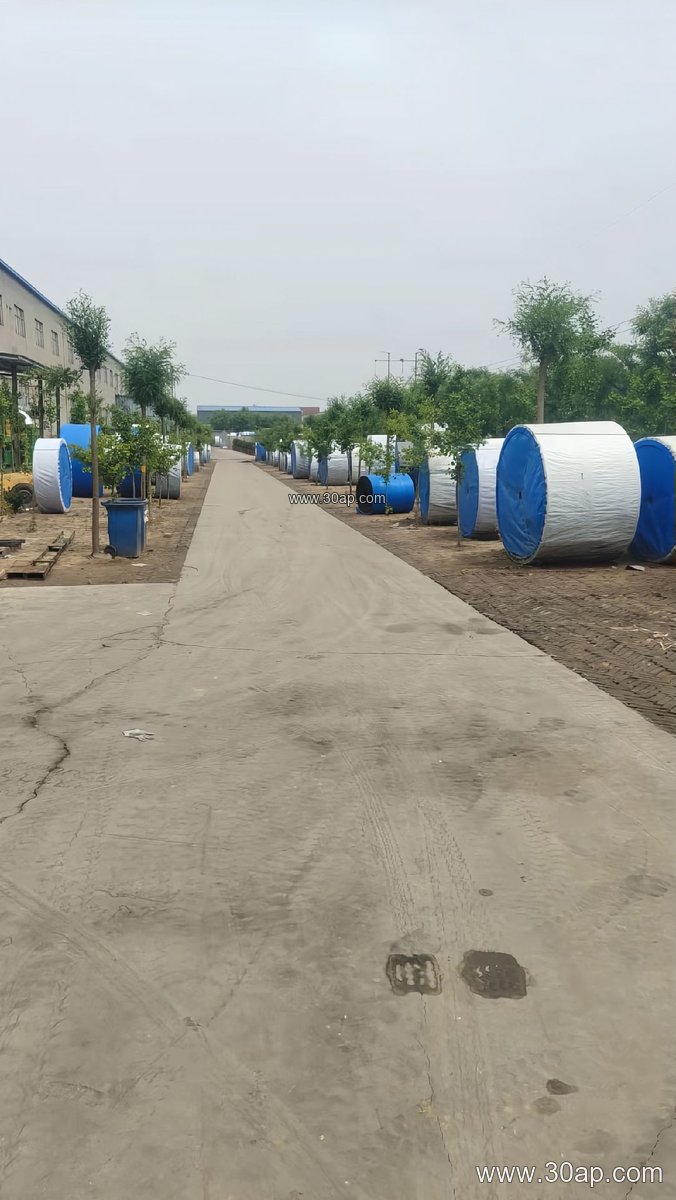
How the Belt Is Built
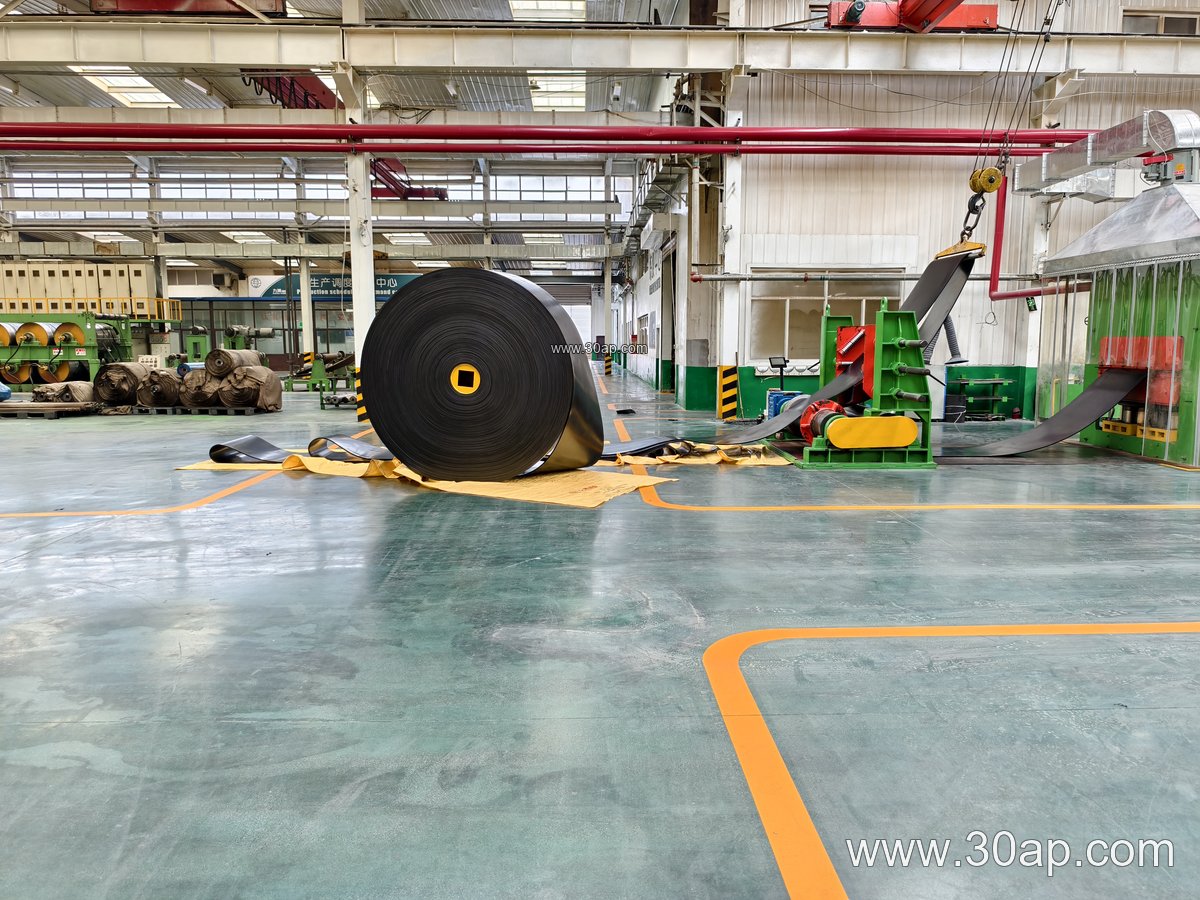
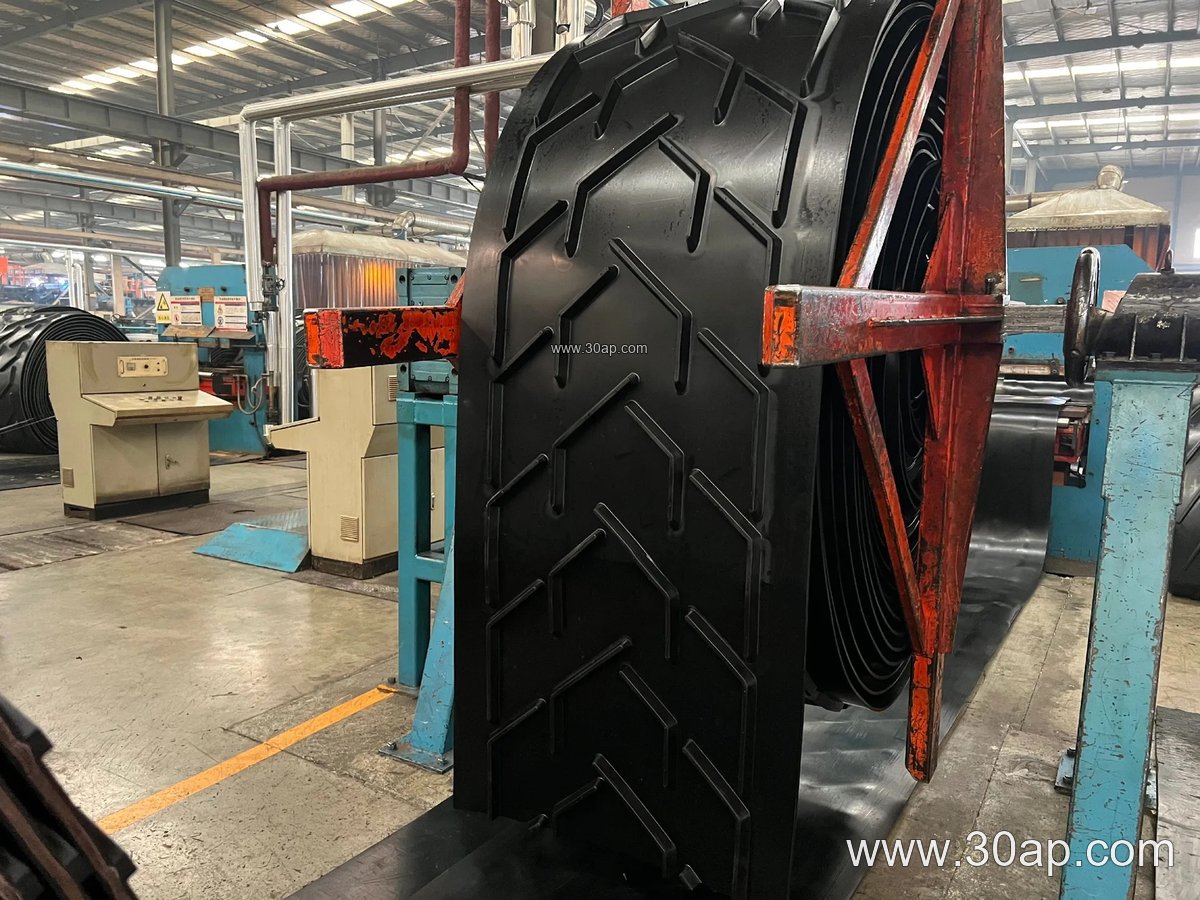
Beneath the covers, the steel cords run in a plane and are held apart by a thin rubber compound so they do not touch and abrade one another. Top and bottom cover rubber protect the carcass from impact, abrasion and moisture. Cover thickness is usually stated as a pair, for example 6+2 mm or 8+3 mm, and is set by the duty rather than by the belt strength alone.
Common variants stay within the steel cord family but change the rubber for the environment:
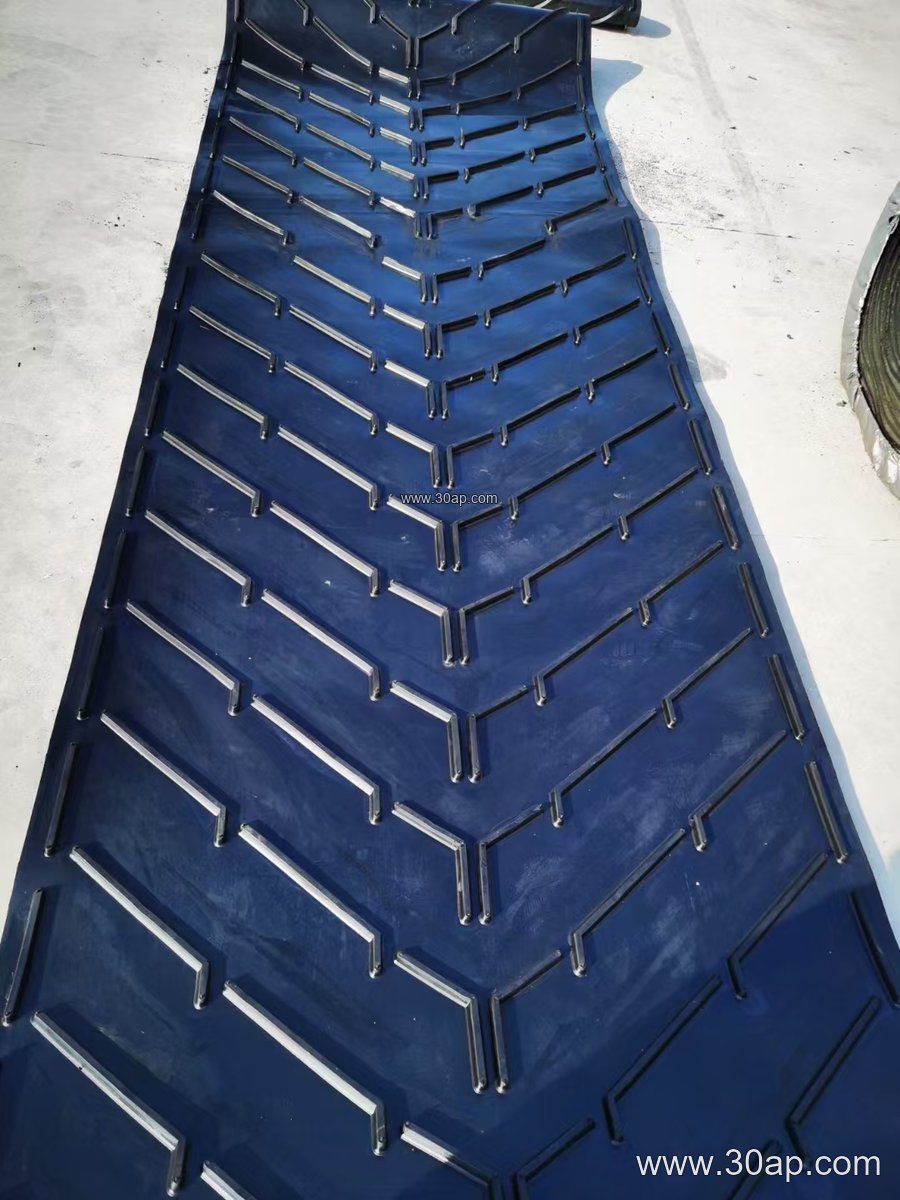
- Heat Resistant Conveyor Belt for clinker, sinter or hot coke
- Flame Retardant Conveyor Belt and Fire Resistant Conveyor Belt for coal handling and enclosed galleries
- Abrasion Resistant Conveyor Belt for ore and crushed stone
- Oil Resistant Conveyor Belt for oily feedstock and some recycled material
- Cold Resistant Conveyor Belt for winter operation at ports and open pits
- Anti-Static Conveyor Belt where static build-up is a concern
Where It Is Used
Steel cord belts of this strength class appear in mines, coal preparation plants, cement works, power stations, steel plants, quarries, sand and aggregate yards, and port ship-loading systems. A typical duty is a mainline haul from a crusher to a stockpile, or a long overland run where a fabric belt would need too many splices. In an underground coal mine, a flame retardant grade may be specified; in an iron ore or copper ore circuit, abrasion resistance and impact resistance usually lead the specification.
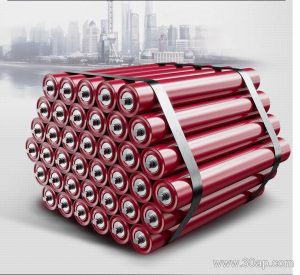
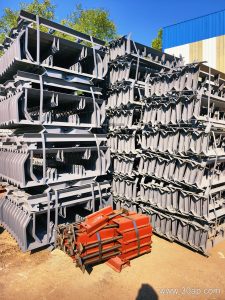
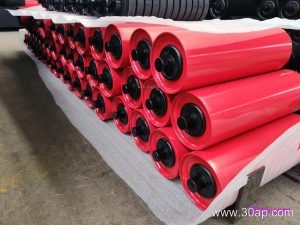
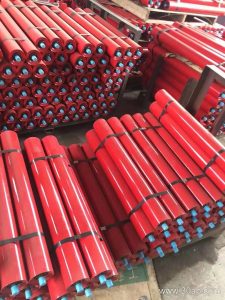
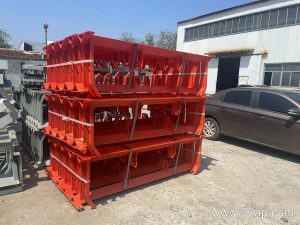
The belt does not work alone. It runs over a conveyor pulley at the head and tail, is supported by idler rollers, and is held in line by conveyor brackets and frames. A worn idler roller or a misaligned bend pulley can damage a good belt quickly, so the whole conveyor should be reviewed as a system.
Reference Dimensions
Values below are typical reference points only. Actual belt width, cover gauge and cord grade are confirmed per project design and can differ between manufacturers.
| Item | Common reference values |
|---|---|
| Strength grade | ST2000 (2000 N/mm) |
| Belt width | B800, B1000, B1200, B1400, B1600, B1800, B2000 |
| Cover thickness | 5+2 mm, 6+2 mm, 8+3 mm |
| Rubber grades | abrasion resistant, heat resistant, flame retardant, oil resistant, cold resistant, anti-static |
| Splice | hot vulcanized, stepped |
A 1200mm or 1400mm width is common on mainline conveyors, while wider 1800mm and 2000mm belts suit high-tonnage ports and large mines. Width and strength are separate decisions; a given width does not dictate one pulley diameter or shaft size.
Buyer Checklist
- State the material, lump size, temperature and moisture, since these drive cover grade and thickness.
- Give the conveyor length, lift, capacity and trough angle so the belt class can be checked.
- Confirm whether a flame retardant or anti-static grade is required by the site.
- Ask how the belt will be spliced and whether splice materials are supplied.
- Check pulley and idler roller condition before fitting a new belt.
- Plan storage away from sunlight, ozone and sharp edges, and rotate rolls if kept long.
For a long overland or underground run, an ST2000 belt is often compared with a high-strength fabric option such as an EP1000 or EP1250 belt; the fabric belt may suit shorter conveyors, while the steel cord design is chosen where tension and elongation control matter most. Matching the belt to the conveyor, the idler rollers and the pulleys is what keeps a haulage line running.