What an EP200 Conveyor Belt Is
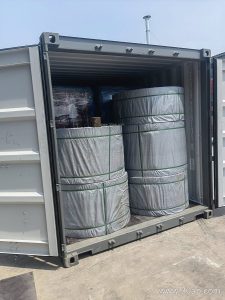
An EP200 Conveyor Belt is a fabric-core rubber belt built on polyester-cotton (EP) canvas, with a nominal tensile strength of 200 N/mm per ply. It sits in the lower-middle range of the EP family, above EP100 and below higher grades such as EP315 and EP400. Because the carcass is a multi-ply fabric structure rather than steel cord, the belt stays relatively flexible, trains well on smaller pulleys and is easier to splice in the field. In many plants the same construction is described simply as an EP rubber conveyor belt or an EP fabric core conveyor belt, and those names refer to the same product.
How the Belt Is Built
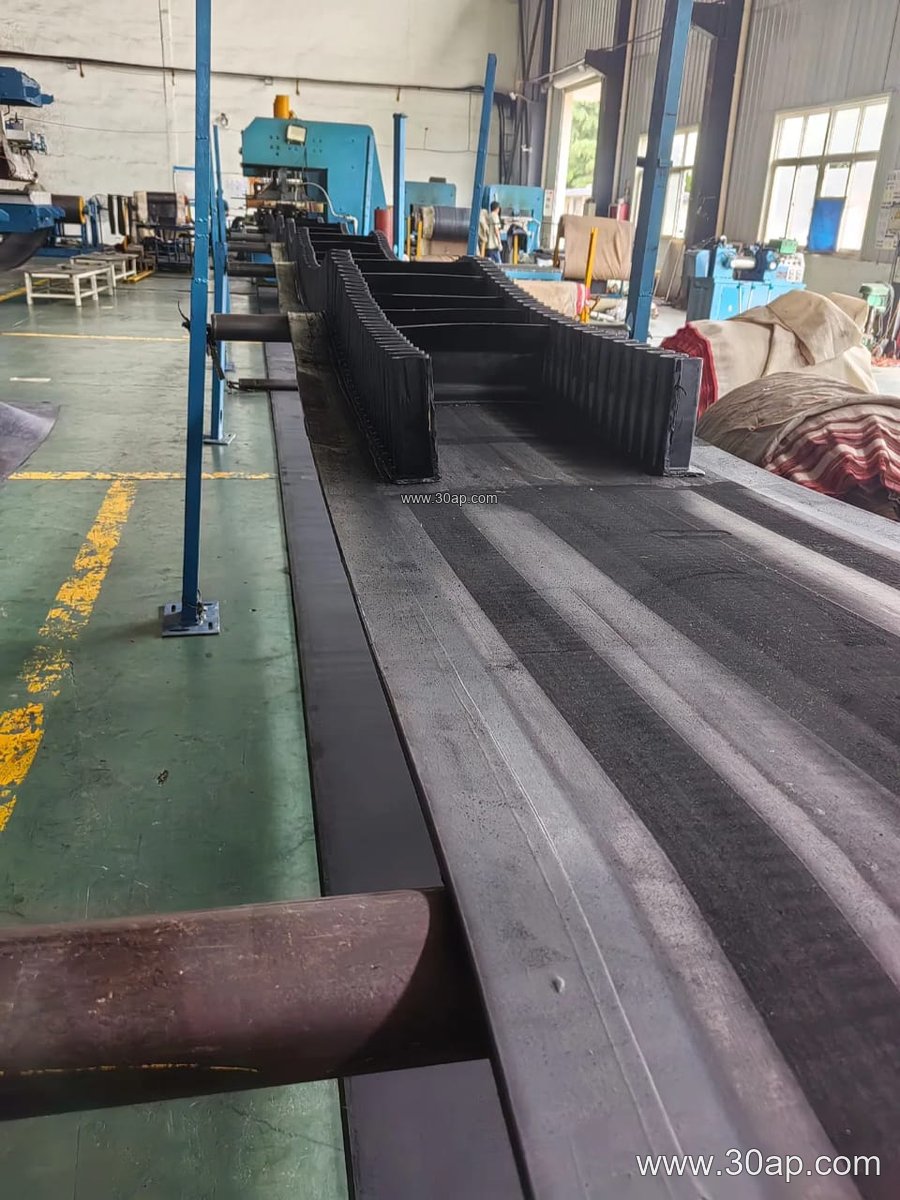
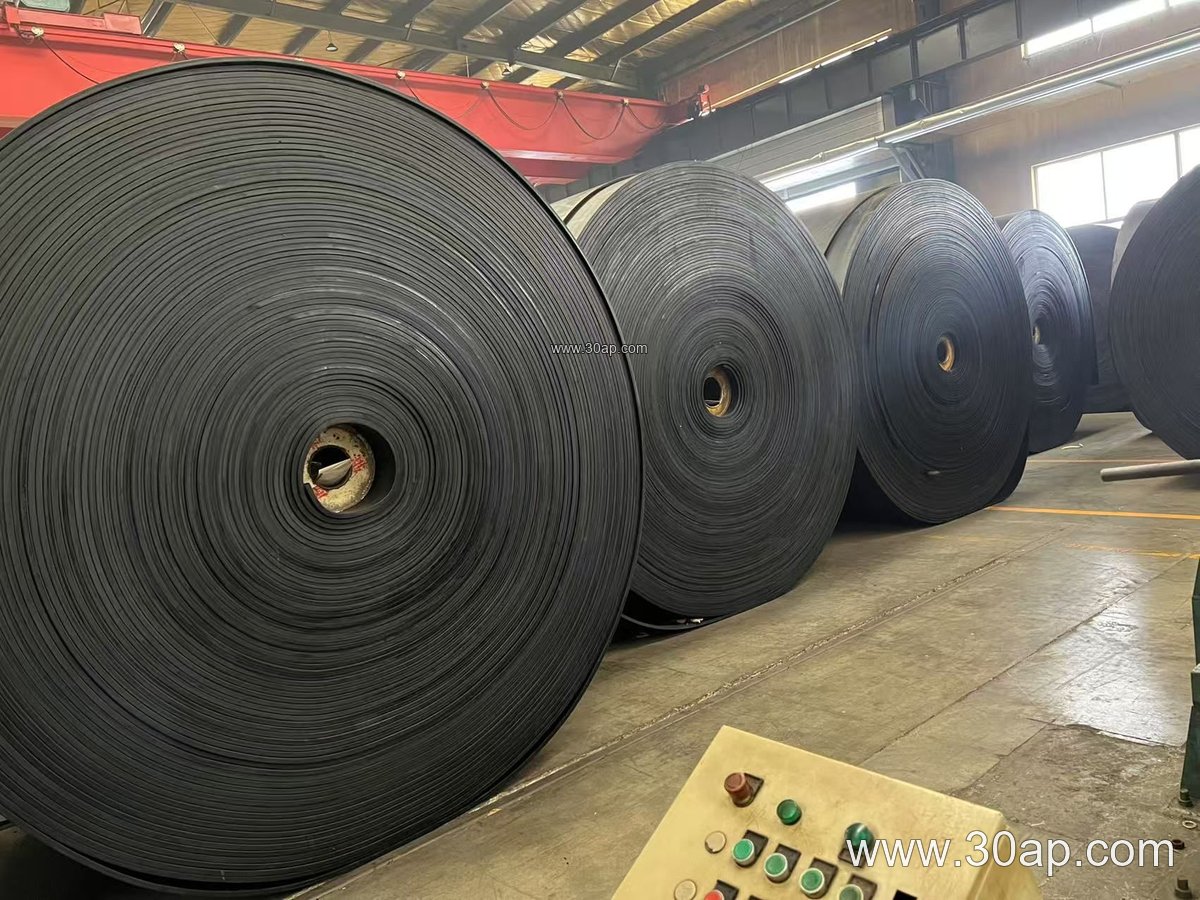
The carcass usually consists of two to six EP plies bonded together, with a rubber cover on each face. Cover thickness is commonly given as a top/bottom pair, for example 4+2 mm, 5+2 mm or 6+2 mm, and the right choice depends on whether the load is abrasive, hot, oily or wet. The EP fabric gives low elongation under tension and good resistance to moisture, which is one reason it is often chosen over cotton canvas in wet or humid duty.
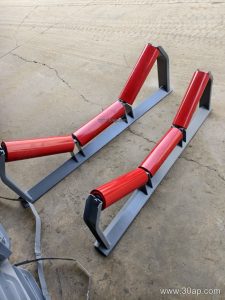
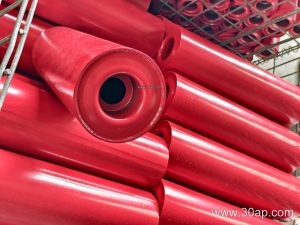
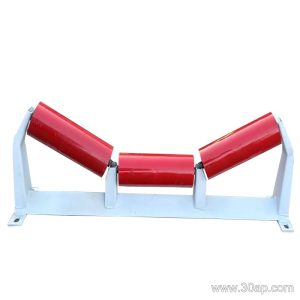
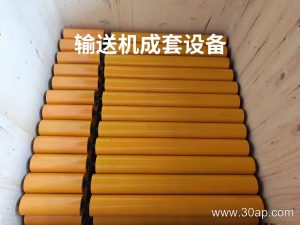
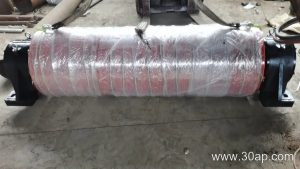
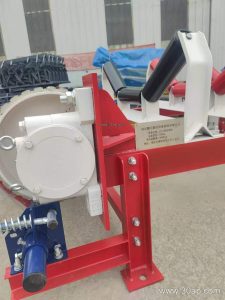
The belt runs over a conveyor pulley at the drive end, a tail pulley at the loading end and bend pulleys along the route, supported between them by idler rollers carried on conveyor brackets. Drive, tail and bend pulleys are separate components with different roles and are not interchangeable; the belt specification must match the pulley diameters and trough angles used on the actual conveyor.
Typical Duty and Industries
EP200 belting is widely used for bulk material conveyor belts in mines, coal preparation plants, cement works, power stations, quarries and sand and gravel yards. It suits medium-duty lines moving crushed rock, clinker, coal, sand, fertilizer and similar granular loads. In dusty or potentially explosive atmospheres, a flame retardant conveyor belt or fire resistant conveyor belt grade may be required; for hot clinker or sinter, a heat resistant conveyor belt construction is the relevant choice. Where the load is sharply abrasive, an abrasion resistant conveyor belt cover compound extends service life. These are cover-grade options on the same EP carcass, not different product families.
Common Reference Dimensions
The values below are typical reference data, not fixed supply commitments. Actual construction is confirmed per design and varies between manufacturers.
- Strength grades in the EP range: EP200, EP315, EP400, EP500, EP630, EP800
- Common belt widths: B500, B650, B800, B1000, B1200, B1400, B1600
- Cover thickness examples: 3+1.5 mm, 4+2 mm, 5+2 mm, 6+2 mm, 8+3 mm
- Carcass plies: usually 2 to 6, depending on strength grade and belt width
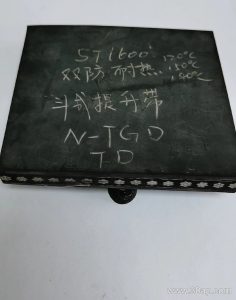
A wider belt does not dictate a single pulley diameter, and shaft size is set by the conveyor design rather than by belt width alone. When comparing with a steel cord conveyor belt, note that steel cord grades such as ST1000 or ST1600 carry far higher tension in a single plane and suit very long, high-capacity trunk lines; EP200 remains the practical choice for shorter to medium conveyors where flexibility and easier splicing matter.
Buyer Checklist
- Confirm the required tensile grade, belt width and number of plies against the conveyor design.
- State the material, temperature and any oil, acid or chemical exposure so the cover compound can be selected.
- Ask whether flame retardant or anti-static properties are needed, especially in coal mining conveyor belt and underground mining conveyor belt service.
- Check pulley diameters and troughing idler configuration before ordering, and confirm the splice method.
- For related equipment such as idler rollers, conveyor pulleys and brackets, match specifications to the same duty class.
With the right cover grade and correct installation, an EP200 belt delivers dependable service across mining, cement, power and aggregate operations.