What a Parallel Return Idler Does
A parallel return idler is the flat, single-roll support that carries the empty side of a conveyor belt on its way back to the tail end. In the trade it is also called a flat return roller or a plain return idler, and it sits directly under the returning belt without any troughing angle. Its job sounds simple, yet it quietly determines how well a belt tracks, how much power the drive must supply, and how long the belt lasts in dusty, abrasive service.
Where the carrying side is usually supported by three-roll troughing sets, the return run needs a flatter profile. That is exactly the gap the parallel return idler fills. It is not a substitute for a bend pulley or a tail pulley, and it should never be confused with a V-shaped return set, which is a different subtype used for belt training on wider or more demanding installations.
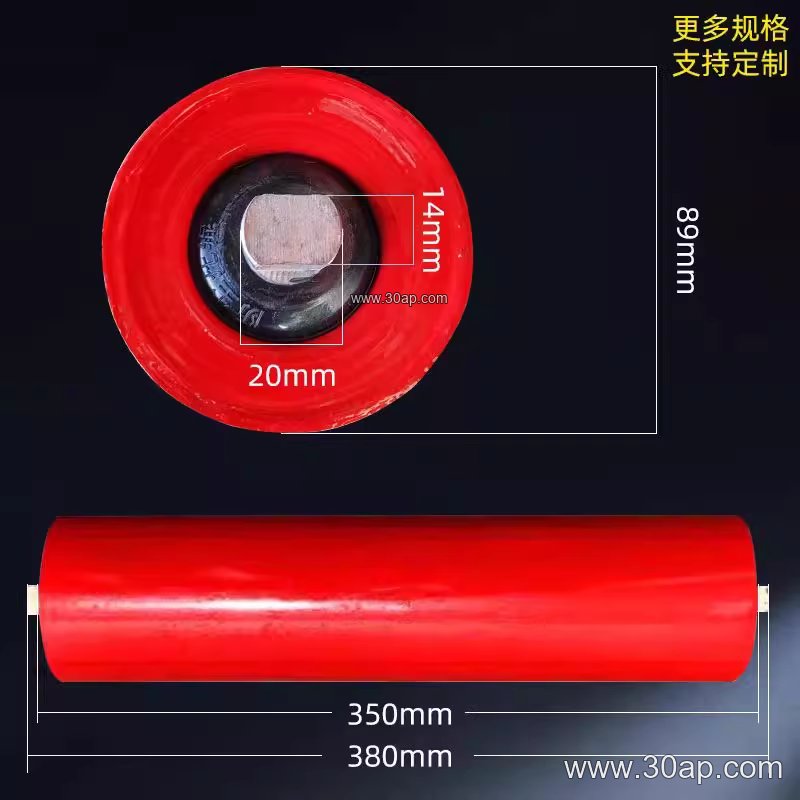
How the Roller Is Built
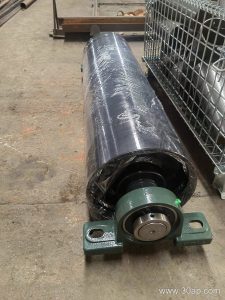
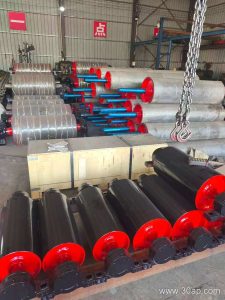
A typical unit combines a steel tube shell, a pressed or machined bearing housing at each end, a shaft, and a sealing arrangement. The shell surface may be plain steel, nylon-coated, ceramic-tiled, or fitted with rubber rings where build-up and wear are concerns. Bearings are commonly 6204, 6205, 6305, 6306, 6308 or 6310, matched to the roll diameter and load rather than to a single fixed rule.
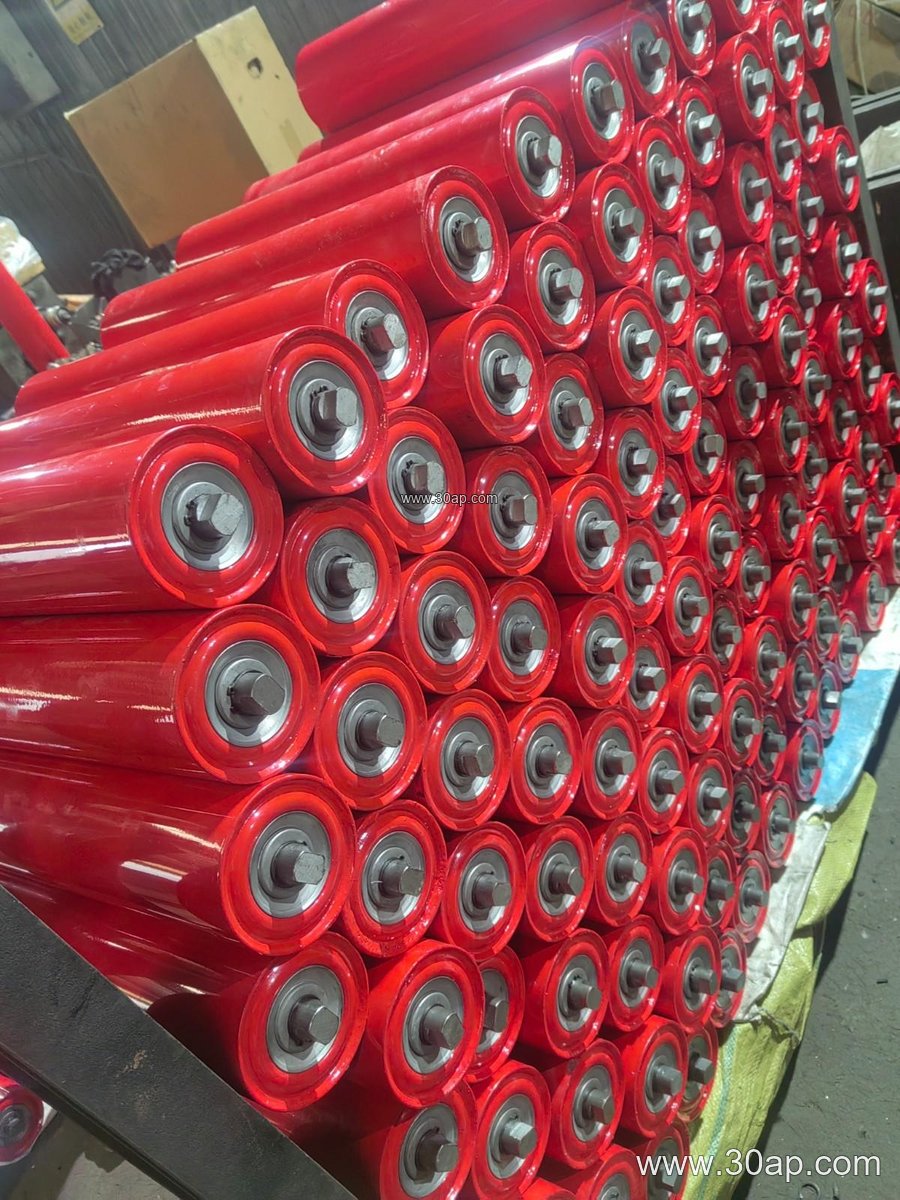
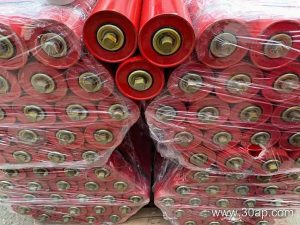
Roll diameters in common use include Ø63, Ø76, Ø89, Ø102, Ø108, Ø127, Ø133, Ø159, Ø178, Ø194 and Ø219 mm. The roller length follows the belt width and the frame design; for reference, flat return rolls on B500 to B2000 belts often fall in a broad range from about 200 mm to 750 mm, though the exact figure is set by the conveyor designer. Shaft ends are usually flattened or threaded to drop into the conveyor bracket, which keeps replacement quick.
| Parameter | Common reference range |
|---|---|
| Roll diameter | Ø63 to Ø219 mm |
| Belt width served | B400 to B2400 mm |
| Roll surface | Steel, nylon, ceramic, rubber ring |
| Bearing options | 6204, 6205, 6305, 6306, 6308, 6310 |
| Mounting | Conveyor bracket, fixed frame |
Where It Fits on the Conveyor
The return strand is exposed to spillage, dust and moisture dropping from the carrying side, so sealing quality matters more than many buyers expect. In a quarry or sand and gravel line, fine grit works into cheap seals and grinds bearings flat within months. In a cement plant or power plant coal yard, the same roller may face alkaline dust or damp fines. Underground coal mining adds flame-retardant requirements for the belt, and while the idler itself is a steel component, the whole conveyor is specified as a system.
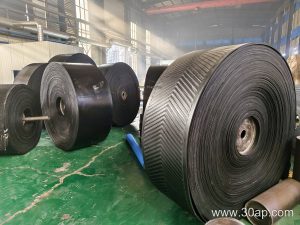
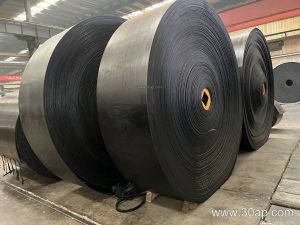
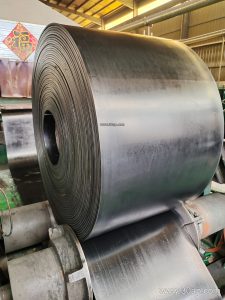
Parallel return idlers are also common in iron ore and copper ore handling, in crushing and screening circuits, at port ship loaders, and in tunnel muck removal. The belt they support might be a heavy-duty mining conveyor belt, an abrasion resistant conveyor belt, or a heat resistant conveyor belt near a kiln or sinter line. Matching the idler to the belt and the environment is more useful than buying the cheapest roll on the list.
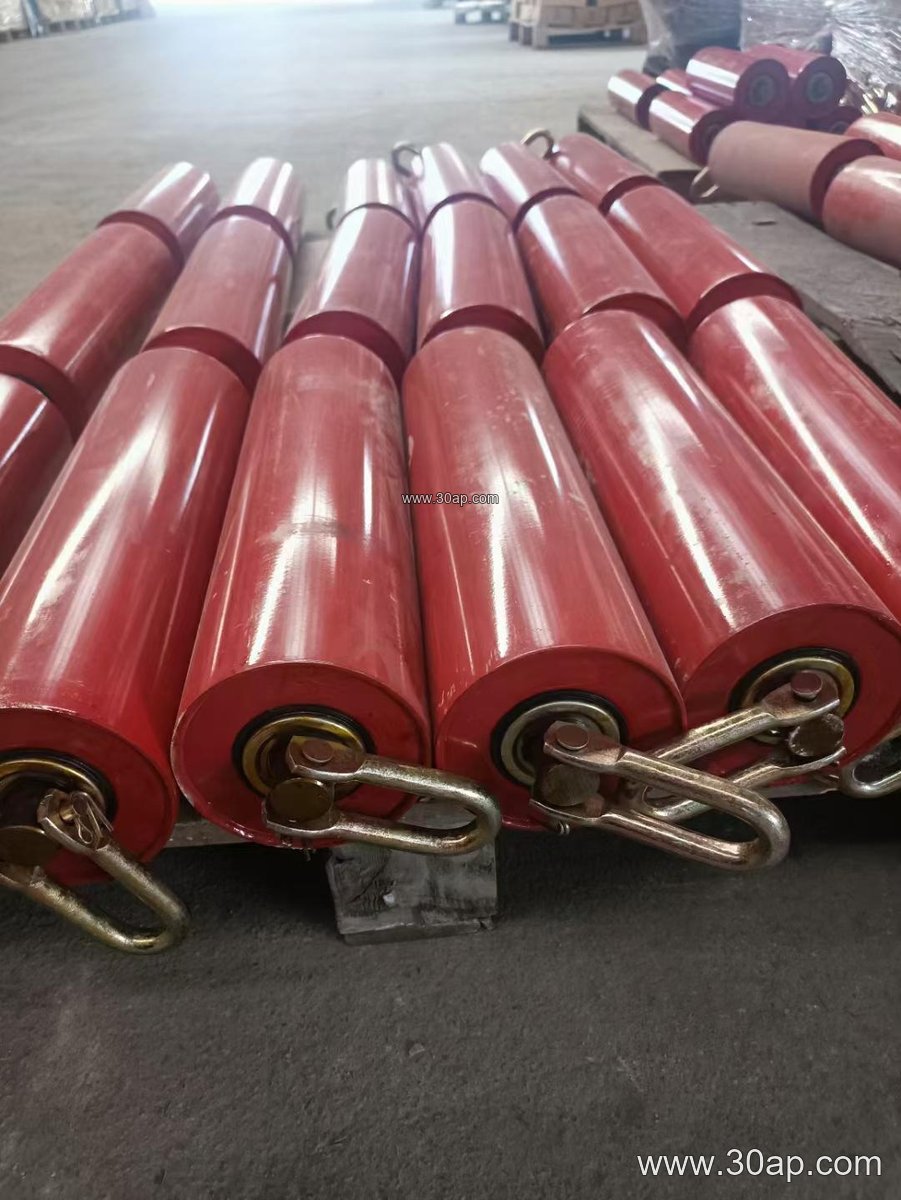
Buyer Checklist
- Confirm the belt width and the actual return roll length, not just the nominal B size.
- Check the shaft end profile against the existing conveyor bracket before ordering.
- Ask about seal type and bearing brand control for dusty or wet service.
- Decide whether plain steel, nylon, ceramic or rubber-ring surfacing suits the material.
- For wide belts, discuss whether a parallel return idler alone is enough or whether a V-return or training idler is better for tracking.
- Keep spare rolls on site; a seized return idler can damage the belt cover quickly.
Installation is straightforward: align the frame, seat the shaft in the bracket, and check that the roll turns freely and sits square to the belt path. A roller that is slightly high, low or skewed will steer the belt and wear its edges. Routine checks for noise, wobble and material build-up prevent most failures.
Related Components and Selection Notes
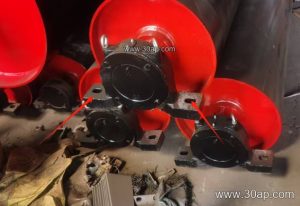
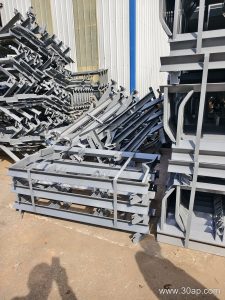
A return idler never works alone. It runs with the conveyor pulley at the discharge and tail, the conveyor bracket that holds it, and the belt itself. On a long overland system, the return roll spacing is often wider than on the carrying side, but impact zones and transfer points still need closer support. When specifying, state the application clearly, for example a quarry conveyor belt handling wet aggregate or an underground coal mining conveyor belt with flame retardant requirements, so the supplier can propose a sensible roll diameter, bearing class and surface finish rather than a one-size answer.