What an Abrasion Resistant Conveyor Belt Is
An abrasion resistant conveyor belt is a rubber conveyor belt engineered so that its cover compound and carcass can withstand the cutting, gouging and rubbing action of sharp, hard and fast-moving bulk materials. In a quarry, a cement plant or a coal mining operation, the belt surface is often the first component to fail, so the wear-resistant cover becomes the decisive factor in service life. The product is also described as a wear resistant rubber conveyor belt, and both names refer to the same article.
The abrasion resistant conveyor belt should not be confused with a heat resistant conveyor belt or a flame retardant conveyor belt, which solve different problems. A single belt can combine properties, but each cover specification should be confirmed separately for the duty involved.
How the Belt Is Built
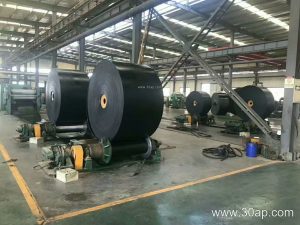
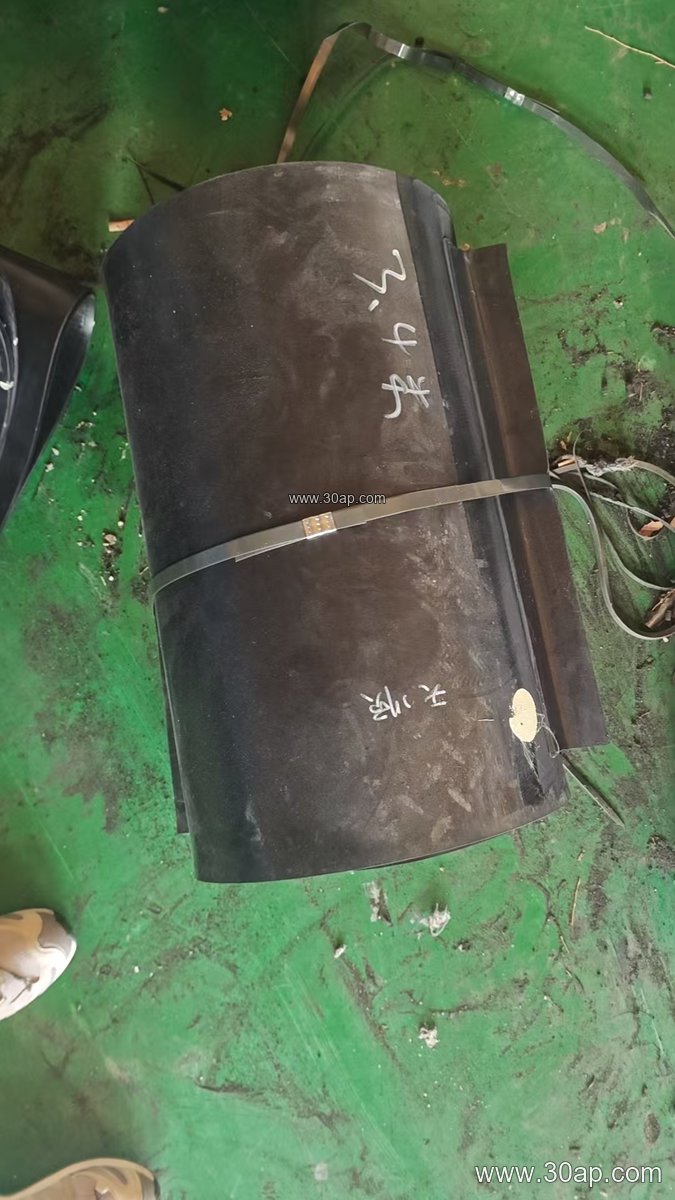
The construction usually consists of a fabric core or a steel cord core, a wear-resistant top cover, a thinner bottom cover and edge protection. For fabric constructions, EP conveyor belt (polyester warp, nylon weft) and NN conveyor belt (nylon warp and weft) are common carcass choices, and a multi-ply fabric core conveyor belt with two to six plies is typical for medium and heavy duties. Where tension and impact are both high, a steel cord conveyor belt may be preferred.
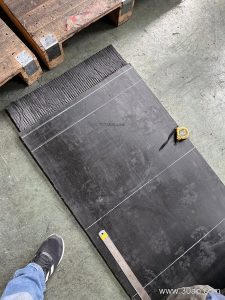
Cover thickness is normally expressed as top plus bottom, for example 4+2 mm, 5+2 mm, 6+2 mm or 8+3 mm. Thicker covers generally give more wear allowance, but they also add weight and stiffness, so the pulley and idler roller arrangement must suit the belt. Belt edges, splices and the load impact zone deserve particular attention during selection.
Typical Working Conditions
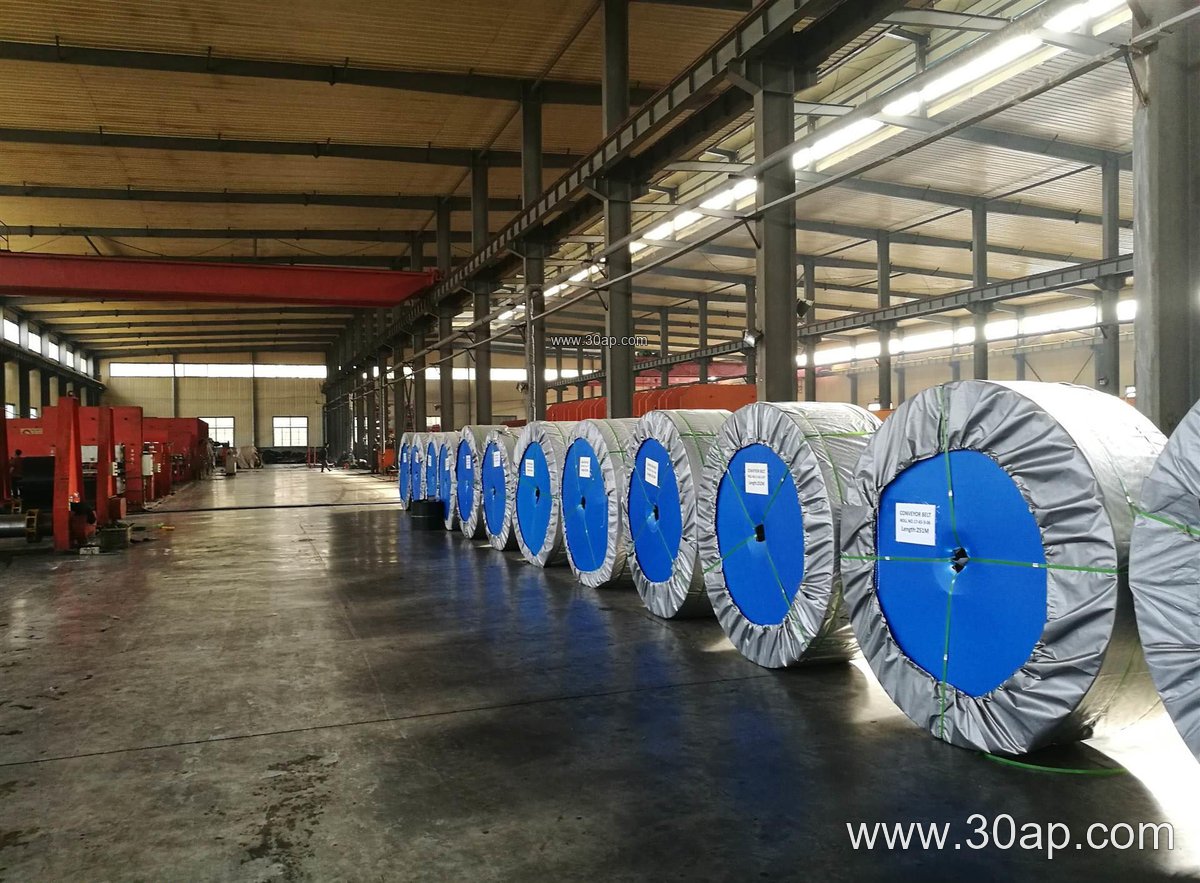
These belts are widely used in mines, coal preparation plants, cement works, power stations, sand and gravel yards, iron ore and copper ore handling, ports and ship loading systems. Sharp rock, sinter, clinker, coke and crushed stone are all aggressive on the cover. In underground coal mining, a flame retardant conveyor belt or PVG conveyor belt may be required by the site, while an anti-static conveyor belt property is often requested as well.
Where material is dropped from height, an impact resistant conveyor belt or a belt with reinforced breaker fabric can reduce damage at the loading point. For steep inclines, a chevron conveyor belt or corrugated sidewall conveyor belt handles the material differently, but these are separate designs rather than substitutes for the abrasion resistant type.
Common Reference Specifications
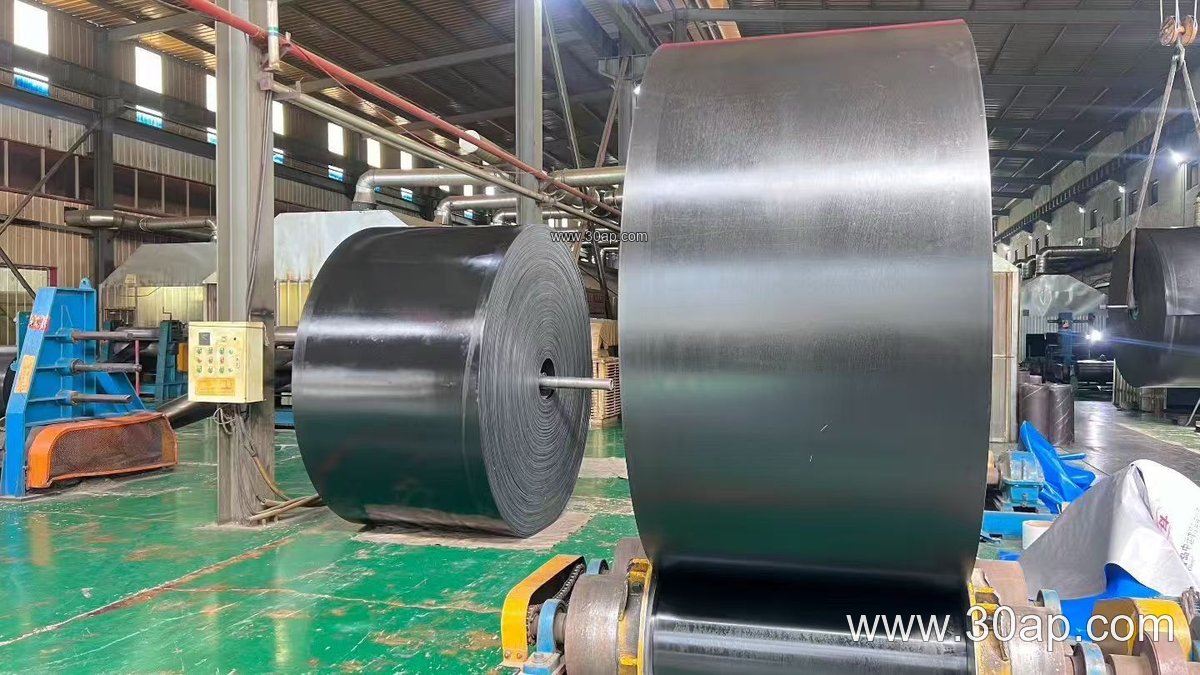
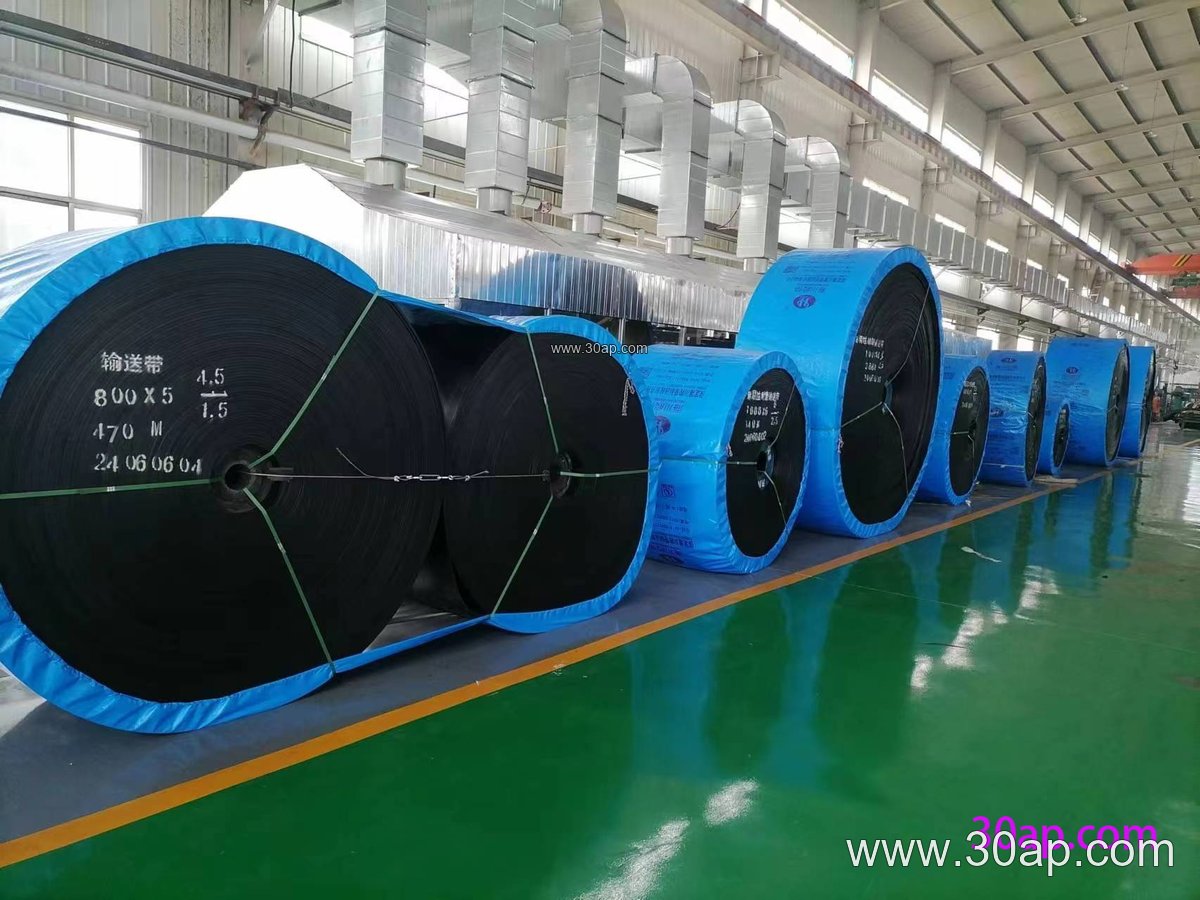
The values below are reference data only. Actual belt design, cover grade and supply range are confirmed with the manufacturer for each project.
| Item | Common Reference |
|---|---|
| Fabric core types | EP200, EP315, EP400, EP500, EP630, EP800, EP1000, EP1250, EP1600, EP2000 |
| Steel cord types | ST1000, ST1250, ST1600, ST2000, ST2500, ST3150 |
| Belt width | B500, B650, B800, B1000, B1200, B1400, B1600, B1800, B2000 |
| Cover thickness | 3+1.5 mm, 4+2 mm, 5+2 mm, 6+2 mm, 8+3 mm |
| Carcass plies | 2 to 6 plies for fabric cores |
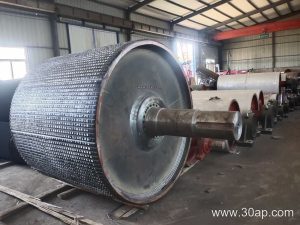
Belt width and pulley diameter are matched by conveyor design, not by a fixed rule. A wider belt does not automatically mean a larger shaft, and one width can serve several pulley sizes depending on tension and wrap angle.
What a Buyer Should Check
- Material type, lump size, moisture and temperature at the loading point.
- Required cover grade and cover thickness for the expected wear rate.
- Carcass strength and safety factor against the calculated belt tension.
- Flame retardant, anti-static or oil resistant properties if the site demands them.
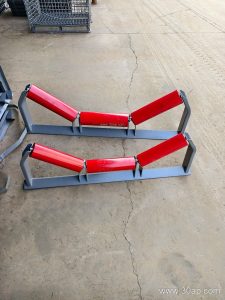
- Pulley, idler roller, conveyor bracket and take-up condition, since poor alignment accelerates edge wear.
- Splice method and whether an endless conveyor belt is preferred for long runs.
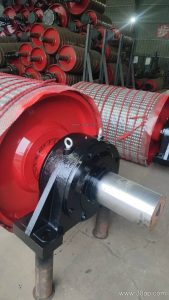
Maintenance also matters. Keeping the belt centered, cleaning carryback and checking the tail and bend pulleys help a wear-resistant belt reach its expected life. A conveyor pulley with damaged lagging or a seized idler roller can shorten belt life regardless of cover quality.
Selection Notes
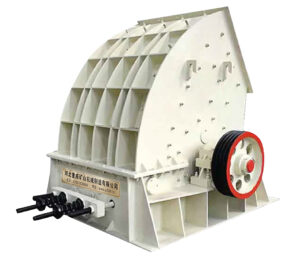
For a crusher conveyor belt or a heavy-duty mining conveyor belt, the combination of impact resistance and abrasion resistance is often more important than a single headline figure. In cement and power plant service, dust and heat may call for a heat resistant conveyor belt grade in the same circuit. Buyers should ask for the cover compound data, the carcass type and the recommended working tension, then compare offers on that basis rather than on price alone.
More belt, roller and pulley reference information is available at example.com for abrasion resistant conveyor belt, conveyor pulley and idler roller selection.