What the Gold Mining Conveyor Belt Does
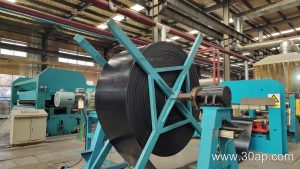
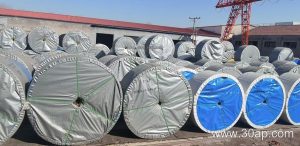
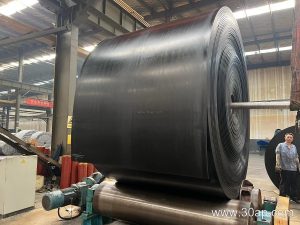
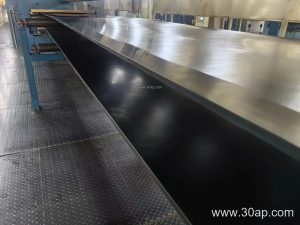
A gold mining conveyor belt moves crushed ore, mill feed, and screened aggregate between the pit, stockpile, mill, and tailings area. The belt is the carrying surface of the whole material flow, so its cover compound and carcass must match the duty at each transfer point. A gold operation usually runs a mix of high-abrasion loading zones and long, steady haulage runs, which is why buyers often specify an abrasion resistant conveyor belt for the primary and secondary crushing sections while using a general-purpose belt further downstream.
The same product may also appear under the name gold mine conveyor belt in supplier catalogs. It is still a fabric or steel-reinforced rubber belt; the wording only reflects the end market.
Construction and Carcass Options
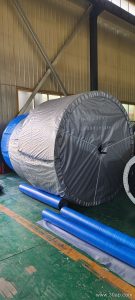
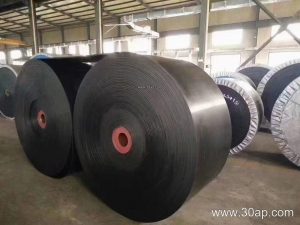
The belt body combines a carcass that carries tension with rubber covers that protect it from ore impact and wear. Common carcass families include:
- EP conveyor belt — polyester/polyamide fabric, widely used in medium and long ore runs
- NN conveyor belt — nylon/nylon fabric, good for flexing and impact absorption
- Steel cord conveyor belt — for very high strength and long center distances
- Multi-ply fabric core conveyor belt — 2 to 6 plies, depending on tension demand
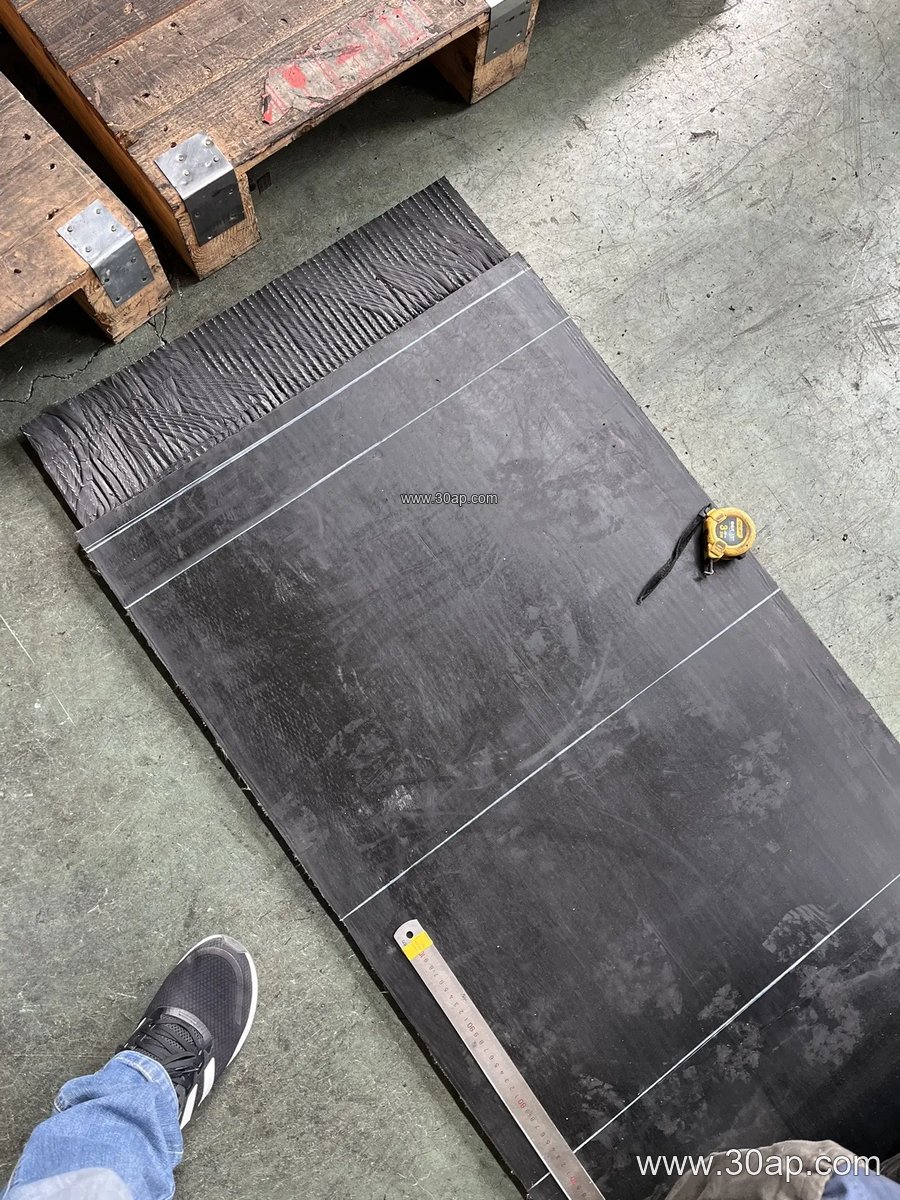
Cover thickness is usually written as top plus bottom, for example 4+2 mm or 6+2 mm. Heavier loading points may call for 8+3 mm. These figures are reference ranges; final cover thickness is determined by the conveyor design and the size and drop height of the ore.
Where the route climbs steeply, a chevron conveyor belt or a corrugated sidewall conveyor belt can prevent ore rollback. In enclosed transfers, a skirted conveyor belt or a pipe conveyor belt may reduce spillage. These are alternatives for specific layout problems, not replacements for the standard flat belt used on the main ore line.
Typical Strength and Width Reference Data
The table below shows common fabric and steel cord grades. Values are indicative and should be confirmed against the actual conveyor tension calculation.
| Type | Common Grades | Typical Belt Widths |
|---|---|---|
| EP fabric | EP200, EP315, EP400, EP500, EP630, EP800, EP1000 | B500, B650, B800, B1000, B1200, B1400 |
| NN fabric | NN100, NN200, NN300, NN400 | B500 to B1400 |
| Steel cord | ST1000, ST1250, ST1600, ST2000 | B800 to B2000 |
The belt width and the pulley diameter are separate design decisions. A 1000mm belt may run on pulleys of different diameters depending on the carcass, the shaft load, and the take-up arrangement. There is no fixed rule that one width matches one pulley size, and shaft diameters should always come from the conveyor designer.
Where It Fits in the Gold Circuit
Gold plants use these belts at the crusher discharge, the screen feed, the mill feed, and the concentrate or tailings handling line. The same belt family is also found in quarry conveyor belt, aggregate conveyor belt, and iron ore conveyor belt service, since the wear mechanism—sharp rock and heavy lumps—is similar. In dusty or wet conditions, an anti-static conveyor belt or a fire resistant conveyor belt may be required by site rules, particularly in enclosed galleries.
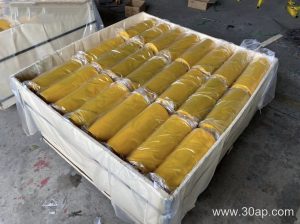
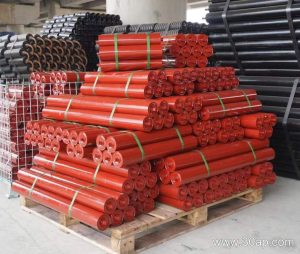
Supporting hardware matters as much as the belt. The troughing idler roller set shapes the belt into a trough, the conveyor pulley at the drive end transmits power, and the conveyor bracket holds the idlers in alignment. A misaligned bracket or a seized idler roller can damage the belt edge faster than the ore itself.
Buyer Checklist
- State the ore size, drop height, and expected throughput so the cover grade can be matched.
- Confirm whether the site needs heat resistant, oil resistant, or cold resistant covers.
- Ask for the carcass type and ply count rather than only the belt width.
- Check the pulley and idler roller specifications against the belt tension.
- Plan splice type—mechanical or vulcanized—before ordering, since an endless conveyor belt needs a different installation window.
For more information on matching belts, idlers, and pulleys, visit www.example.com/gold-mining-conveyor-belt or contact the supplier with the conveyor layout drawing.