What an Anti-Slip Lagged Pulley Does
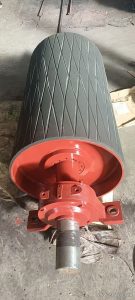
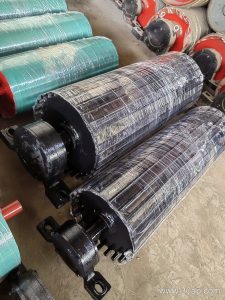
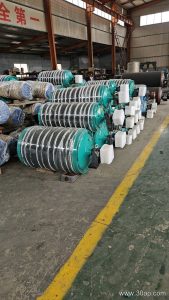
An anti-slip lagged pulley is a conveyor pulley whose shell is covered with a high-friction lagging layer to prevent belt slippage under load. It is also called a rubber-lagged pulley or friction-lagged pulley. This pulley is typically a drive pulley, but the same lagging approach can be applied to other pulley positions where traction matters. The lagging raises the coefficient of friction between the pulley and the conveyor belt, reducing slip during start-up, braking, or wet conditions. In mining, coal preparation, cement, and aggregate operations, an anti-slip lagged pulley helps maintain steady belt speed and protects the belt from premature wear.
Construction and Surface Options
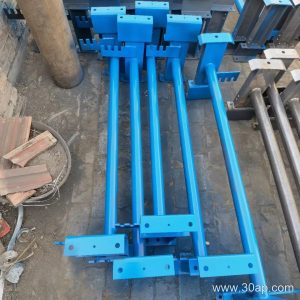
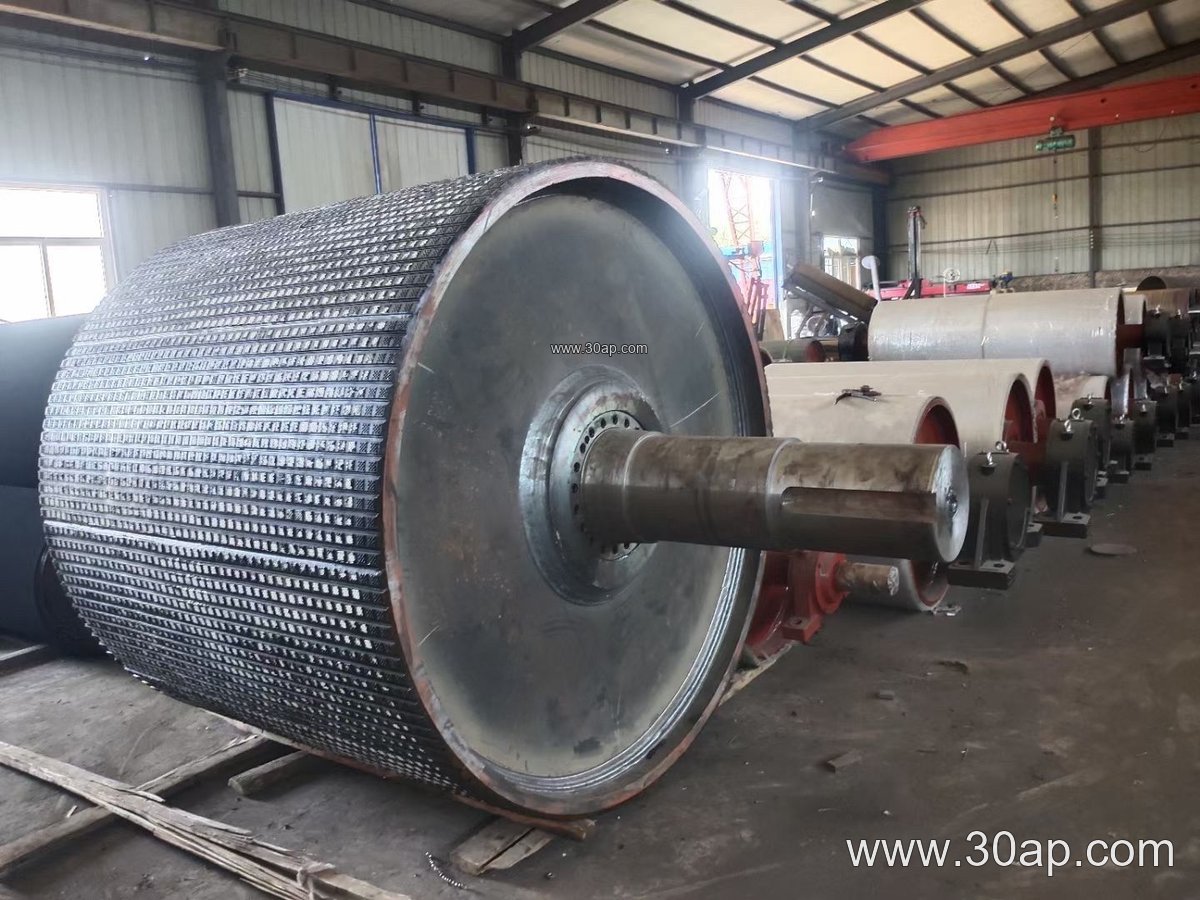
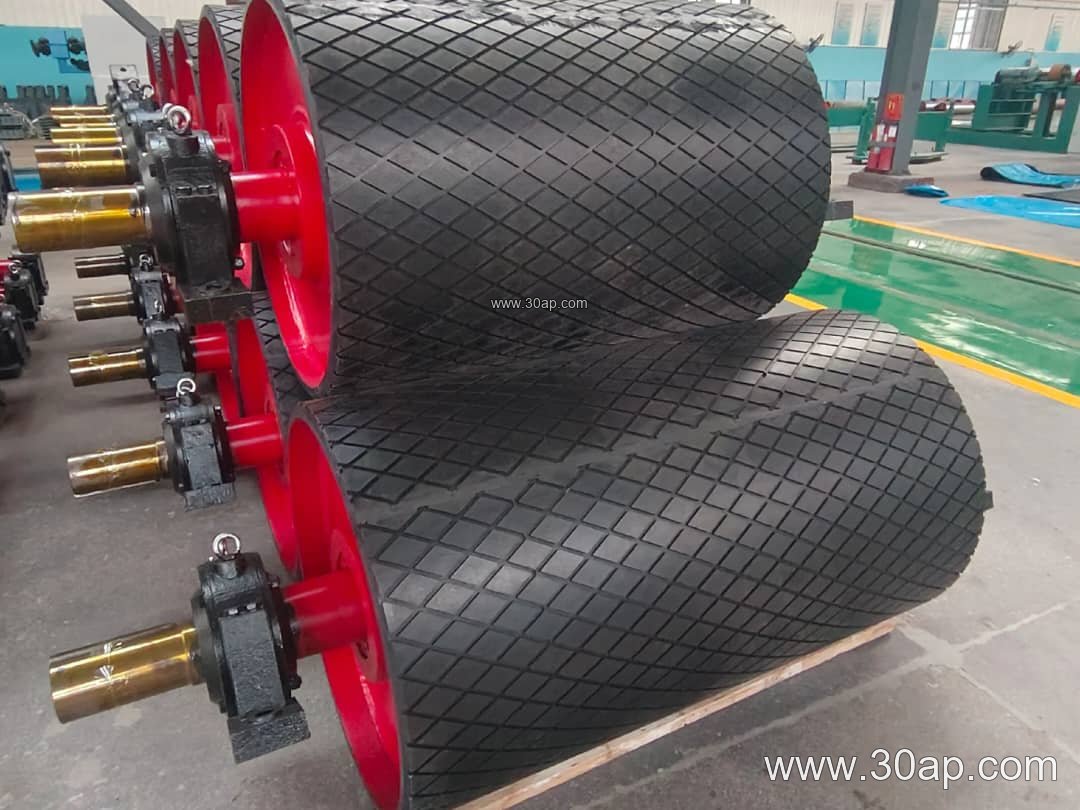
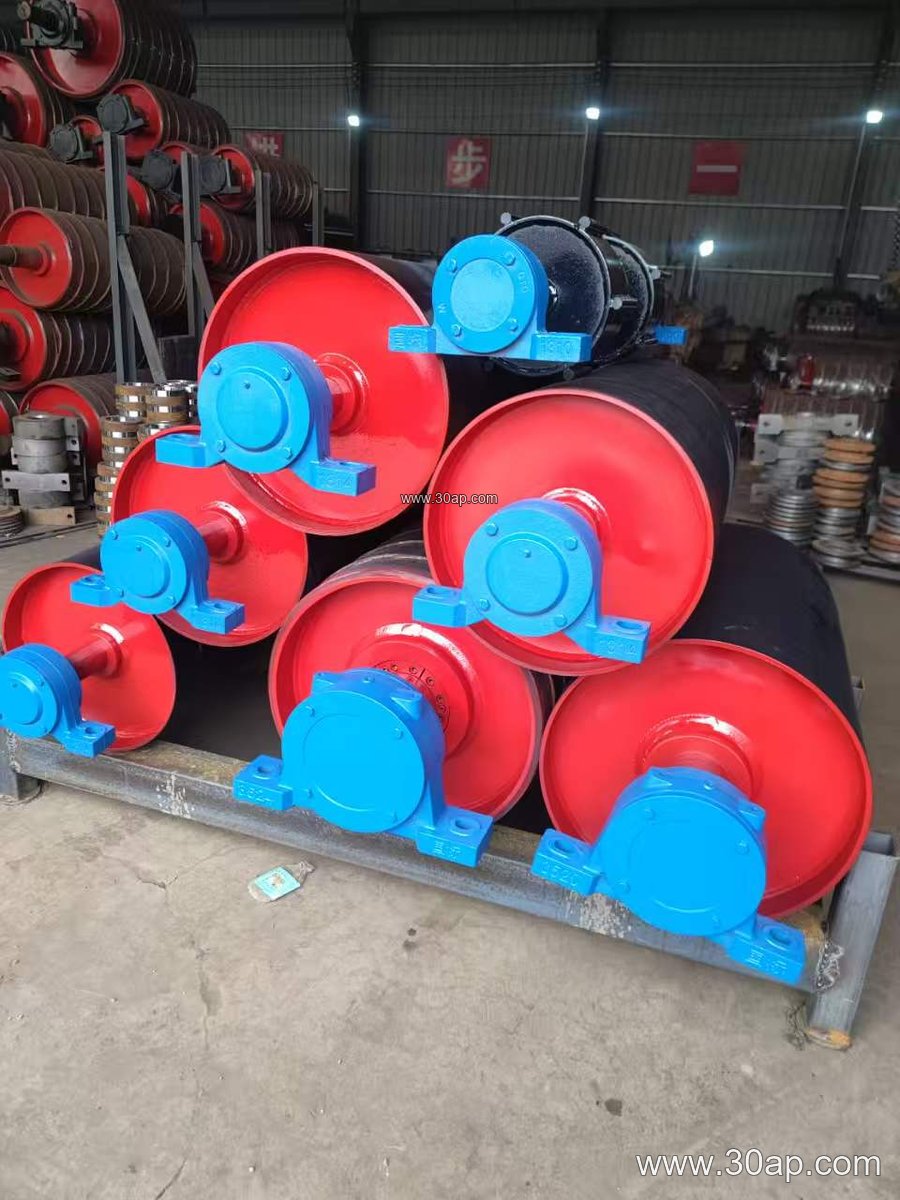
The pulley body is usually a welded steel drum with machined end discs and a shaft. Lagging is bonded to the shell in several forms: hot vulcanized rubber, cold-bonded rubber, cast rubber, or ceramic tiles embedded in rubber. Common surface patterns include plain, diamond, and herringbone grooves. Lagging thickness often ranges from 8 mm to 20 mm, with 10 mm and 12 mm being frequent choices for general duty. The right pattern depends on the belt type and the material being conveyed. For example, a diamond pattern can help shed water and fines, while a plain lagging may suit cleaner, drier conditions. The pulley is often supplied with a conveyor bracket or bearing housing matched to the shaft.
Where It Fits in the Conveyor
An anti-slip lagged pulley is most often installed as the head or drive pulley at the discharge end. It can also serve as a tail pulley or take-up pulley when extra grip is needed. In a typical bulk material conveyor, the drive pulley transmits power to the conveyor belt, and the lagging ensures that power is transferred without slip. This is especially important in primary crushing circuits, where a crusher conveyor belt may start under a full load. Similarly, in a coal mining conveyor belt system or a power plant coal handling line, an anti-slip lagged pulley contributes to stable operation. Other pulleys in the same conveyor, such as bend pulleys or snub pulleys, usually have different functions and are not interchangeable with the drive pulley.
Matching Pulley to Belt and Duty
Selecting an anti-slip lagged pulley involves more than belt width. The pulley diameter, shaft diameter, lagging thickness, and bearing size are determined by the belt tension, torque, and load. Common belt widths include B500, B650, B800, B1000, B1200, and B1400, and the pulley face width is usually slightly larger than the belt width. For instance, a B800 belt may run on a pulley with a face width around 950 mm, and a B1200 belt may use a pulley face width near 1400 mm. Diameters such as Ø500, Ø630, Ø800, and Ø1000 are common in medium to heavy-duty conveyors, but no single diameter is mandatory for a given belt width. Shaft diameters are often Ø80, Ø100, Ø120, or Ø140, chosen by torque calculation rather than belt width alone. The table below gives reference examples, not fixed combinations.
| Belt Width | Example Pulley Diameter | Example Face Width | Common Lagging Thickness |
|---|---|---|---|
| B800 | Ø500 | 950 mm | 10 mm |
| B1000 | Ø630 | 1150 mm | 12 mm |
| B1200 | Ø800 | 1400 mm | 12–15 mm |
| B1400 | Ø1000 | 1600 mm | 15 mm |
These values are for reference only. Actual selection should consider the conveyor belt type, such as EP conveyor belt or steel cord conveyor belt, and the operating environment. For a heavy-duty mining conveyor belt, a thicker lagging and larger shaft may be needed. In a quarry conveyor belt or aggregate conveyor belt line, abrasion-resistant lagging can extend service life. Always confirm dimensions with the pulley manufacturer.
Buyer Checklist
- Confirm the pulley position: drive, tail, take-up, or bend. An anti-slip lagged pulley is usually a drive pulley, but other positions may also use lagging.
- Specify belt width, pulley diameter, face width, shaft diameter, and lagging thickness based on calculated tension and torque.
- Choose the lagging pattern and material for the environment: rubber for general grip, ceramic for high abrasion, and grooves for wet or dirty conditions.
- Check compatibility with the conveyor belt and the conveyor bracket or bearing assembly.
- Ask for a dimensional drawing and material certificate if needed for the project.
For related conveyor components, you may also consider the conveyor pulley, idler roller, and conveyor bracket to complete the system. A well-matched anti-slip lagged pulley helps reduce downtime and keeps the conveyor belt running smoothly in demanding industries such as mining, cement, and power generation.