What a 650mm Conveyor Belt Is
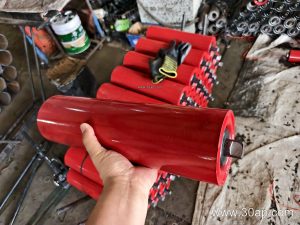
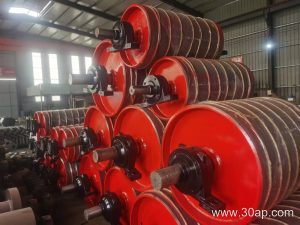
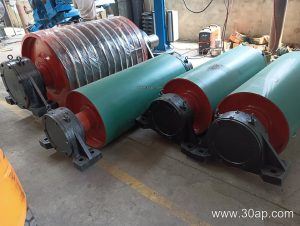
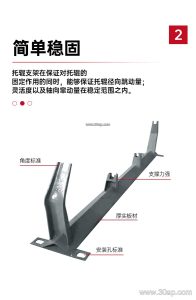
A 650mm conveyor belt is a belt with a nominal width of 650 millimeters, often written as B650 in specifications and drawings. It is a mid-narrow width used on bulk material handling conveyors where the tonnage per hour and the lump size fit within the belt’s load cross-section. The belt itself is only one part of the machine: it runs over a drive pulley, tail pulley and bend pulleys, and it is supported on the carrying side by idler rollers mounted on conveyor brackets along the frame.
Width is a dimension, not a complete specification. Two 650mm belts can differ greatly in carcass type, ply count, cover thickness and rubber compound, and those differences decide whether the belt suits a quarry, a cement plant or an underground coal mine.
How the Belt Is Built
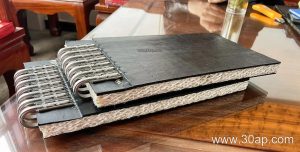
Most belts at this width use a fabric carcass. A Fabric Core Conveyor Belt carries the tension in multiple plies of EP or NN fabric, with rubber covers on both faces. EP fabric (polyester warp, nylon weft) offers low stretch and good moisture resistance; NN nylon fabric gives high strength and excellent flex fatigue, which helps on small pulleys. Single-ply and multi-ply constructions are both available, and a Multi-Ply Fabric Core Conveyor Belt with 2 to 6 plies is common in this width range.
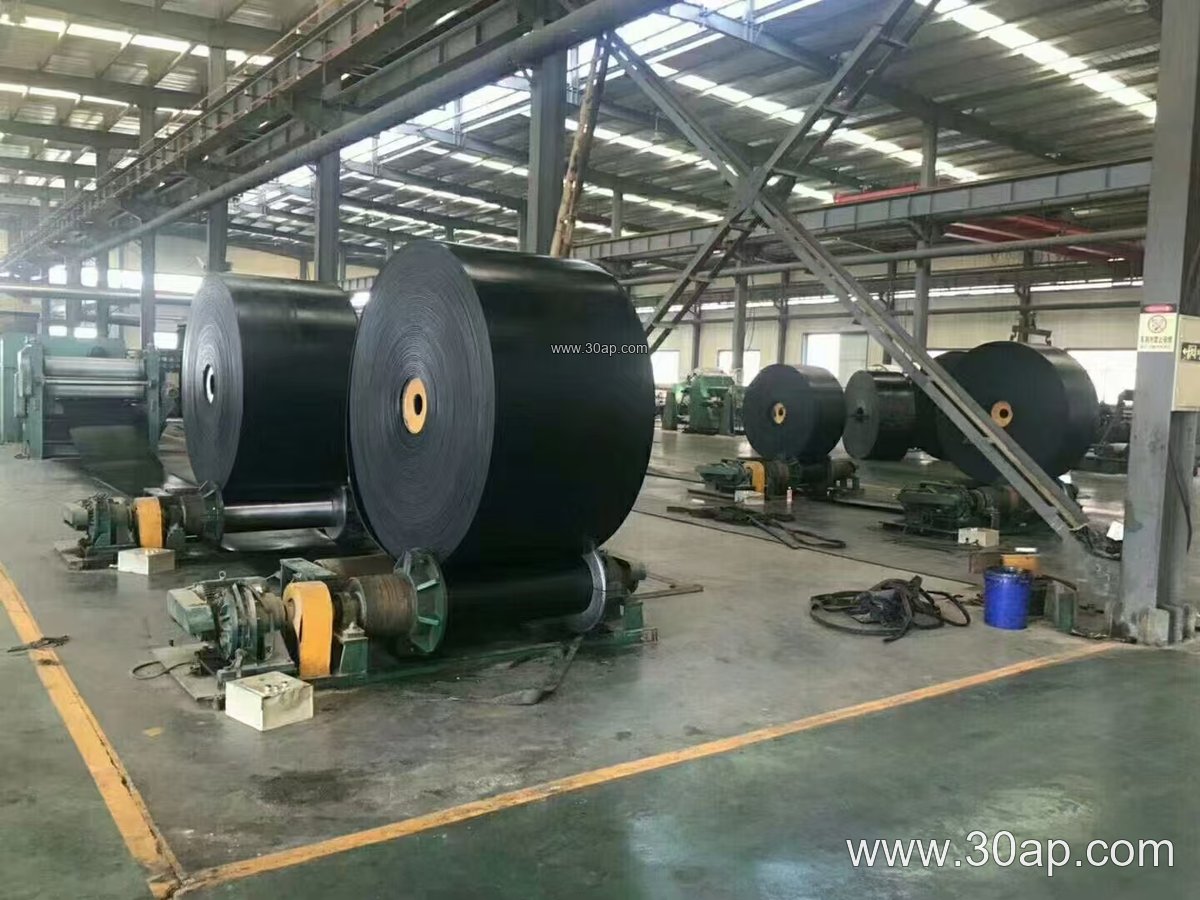
For long horizontal runs or high lift, a Steel Cord Conveyor Belt may be considered, but at 650mm the fabric option is more usual because the belt is often used on short to medium conveyors, mobile crushing plants and transfer lines.
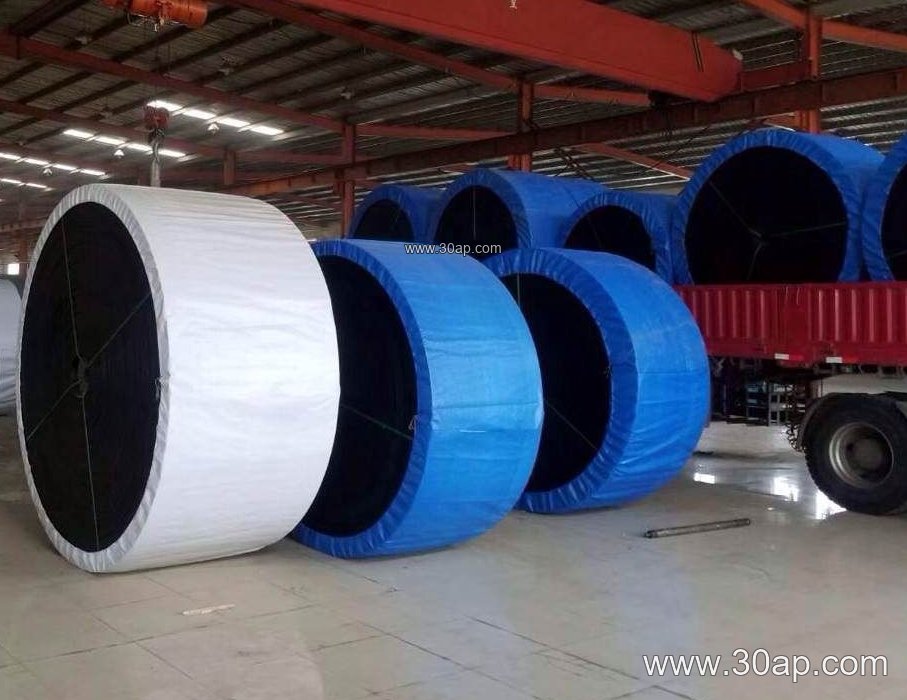
Typical construction reference
| Item | Common range (reference only) |
|---|---|
| Belt width | 650 mm (B650) |
| Carcass | EP or NN fabric, 2–6 plies; steel cord in special cases |
| Strength grades | EP200, EP315, EP400, EP500, EP630, EP800 |
| Top / bottom cover | 3+1.5, 4+2, 5+2, 6+2 mm |
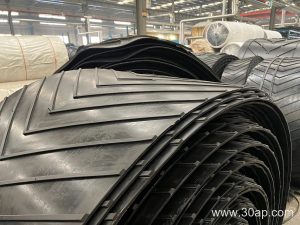
| Surface forms | Plain, chevron, skirted, corrugated sidewall |
These are reference values. Actual ply count, cover gauge and grade are set by the conveyor design, the material carried and the duty cycle.
Where a 650mm Belt Fits
This width appears in many industries. In a sand and gravel plant it may feed a screen or carry crushed stone from a crusher; in a cement plant it can move clinker, limestone or additives on a short transfer; in a power plant it handles coal from a stockpile or bunker; and in mining it serves as a Mining Conveyor Belt on development or panel conveyors. It is also common on portable crushers, batching plants, recycling lines and ship loading systems where the required capacity is moderate.
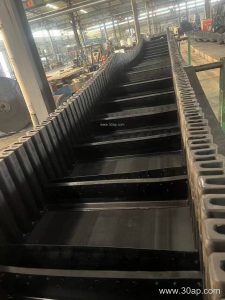
The material matters as much as the width. Hot clinker calls for a Heat Resistant Conveyor Belt; coal in an underground roadway needs flame retardant and anti-static properties; sharp, abrasive rock favors an abrasion resistant cover; oily scrap or grain may need an oil resistant grade. Chevron, skirted and corrugated sidewall versions help on steep inclines or where material must be contained.
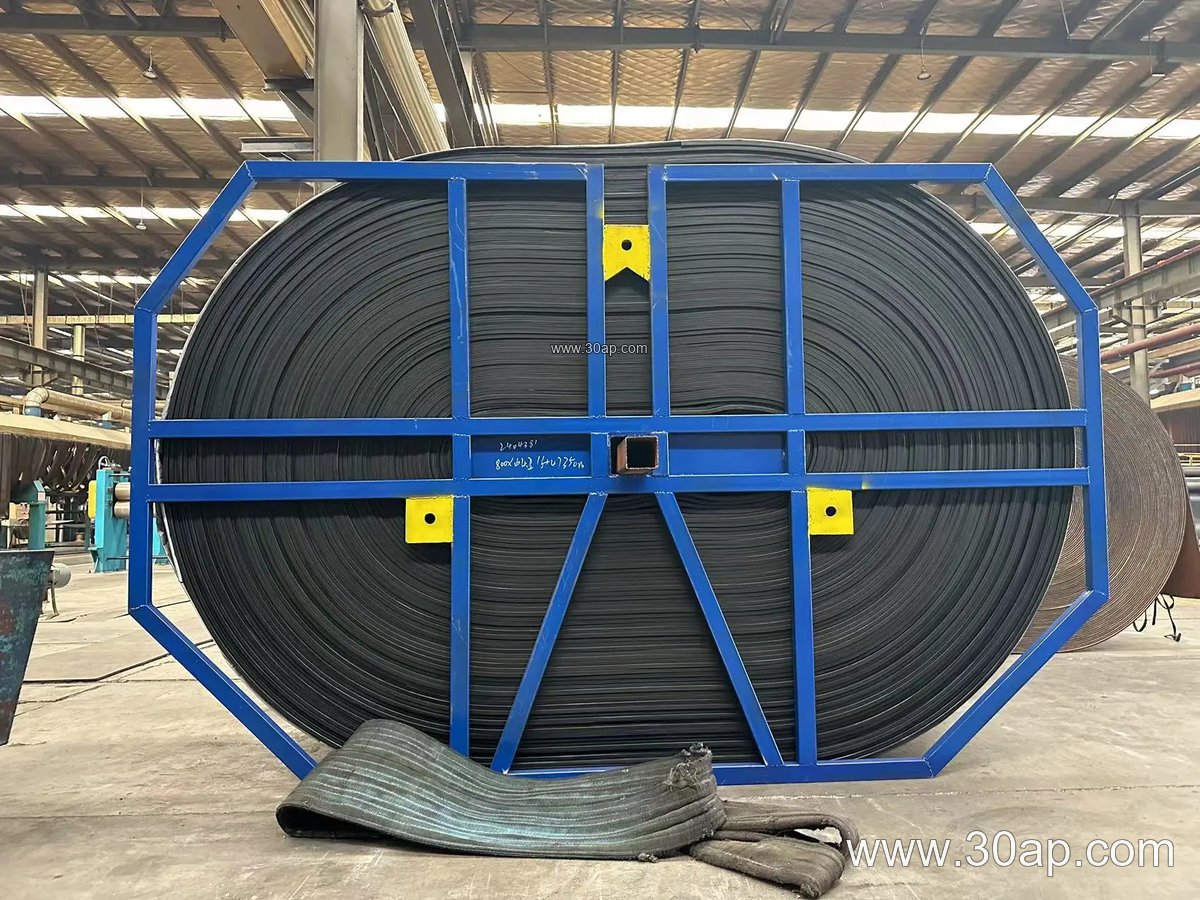
Choosing the Right Specification
Start with the duty: tonnes per hour, material density, lump size, incline angle, pulley diameters and the distance between idlers. The belt width must be wide enough to carry the load without spillage, and the carcass must handle the running tension with a sensible safety factor. Cover thickness should match the wear: a 4+2 mm cover is a common starting point, while 6+2 or 8+3 mm may be used where impact and abrasion are severe.
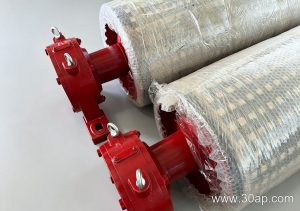
Pulley and idler selection follows the belt, not the other way round. A 650mm belt can run on pulleys of different diameters depending on tension, speed and carcass flexibility, so the drive pulley, tail pulley and bend pulleys should be sized from the conveyor calculation rather than from belt width alone. Idler spacing and trough angle also affect belt life and material containment.
Installation and Maintenance Notes
- Check pulley alignment and idler squareness during installation; a belt that runs off-center wears its edges quickly.
- Keep the belt tension correct — too loose causes slip and spillage, too tight overloads the carcass and pulleys.
- Inspect splices, edges and covers regularly; small edge damage can grow into a full-width failure.
- Match the belt grade to the environment: a Flame Retardant Conveyor Belt for underground coal, a cold resistant compound for freezing yards, and anti-static grades where dust ignition is a risk.
- Store spare belts flat and dry, away from sunlight and ozone sources.
A 650mm belt is a practical, widely used width, but the right choice depends on the carcass, cover and compound behind the number. Buyers should confirm the full specification against the conveyor design rather than ordering by width alone.