What a Conveyor Idler Bracket Does
A conveyor idler bracket is the structural component that holds troughing and return idlers at the correct position under and along the conveyor belt. It transfers the load of the belt and material to the conveyor frame, keeps the idlers at the designed trough angle, and allows maintenance crews to replace a worn idler roller without cutting or lifting the belt. In a quarry, a coal preparation plant, or a cement kiln feed line, the bracket is a small part of the total cost but a decisive one for belt tracking and uptime.
Also called a conveyor bracket or idler support bracket, the part is usually bolted to the stringer or cross member of the conveyor structure. Its hole spacing and beam length are determined by belt width, trough angle, and the idler diameter chosen for the duty.
Construction and Common Forms
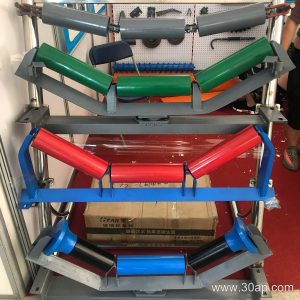
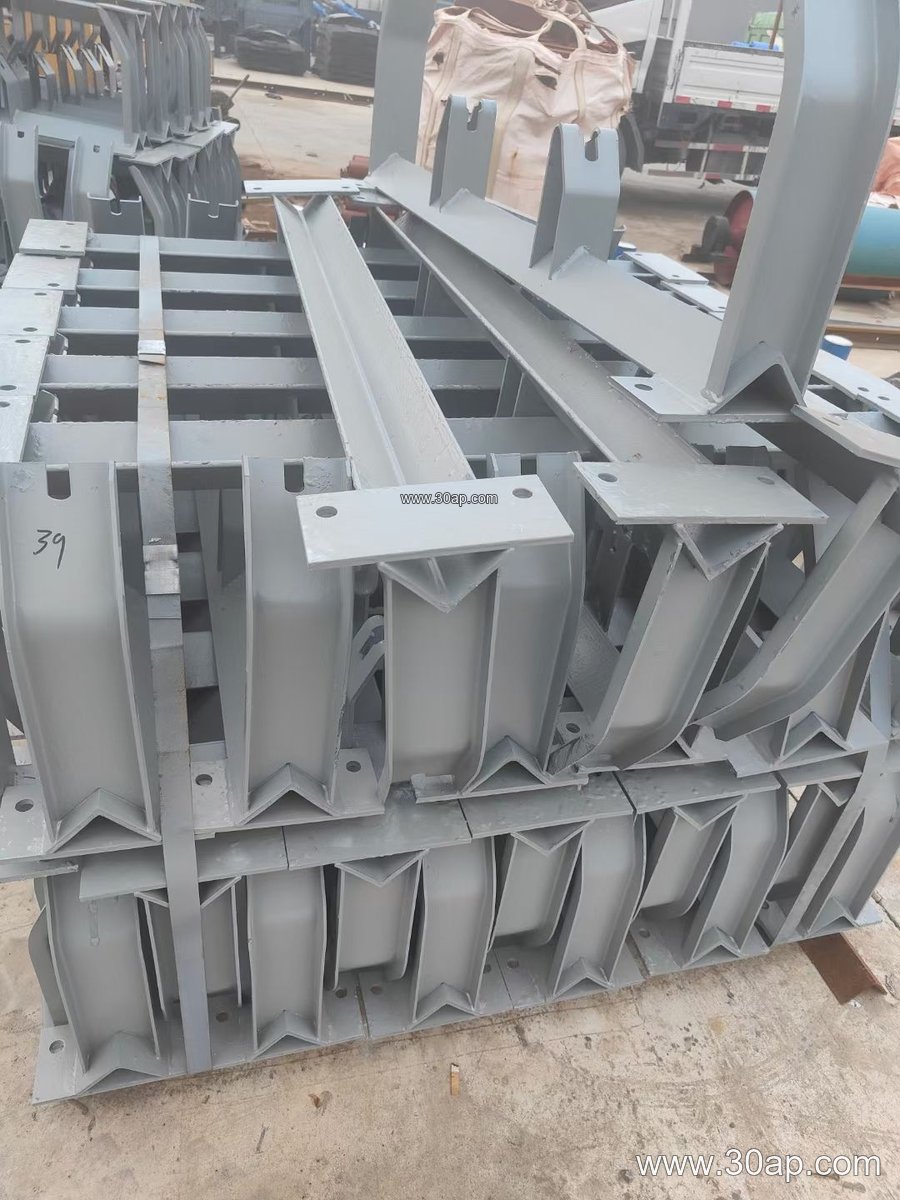
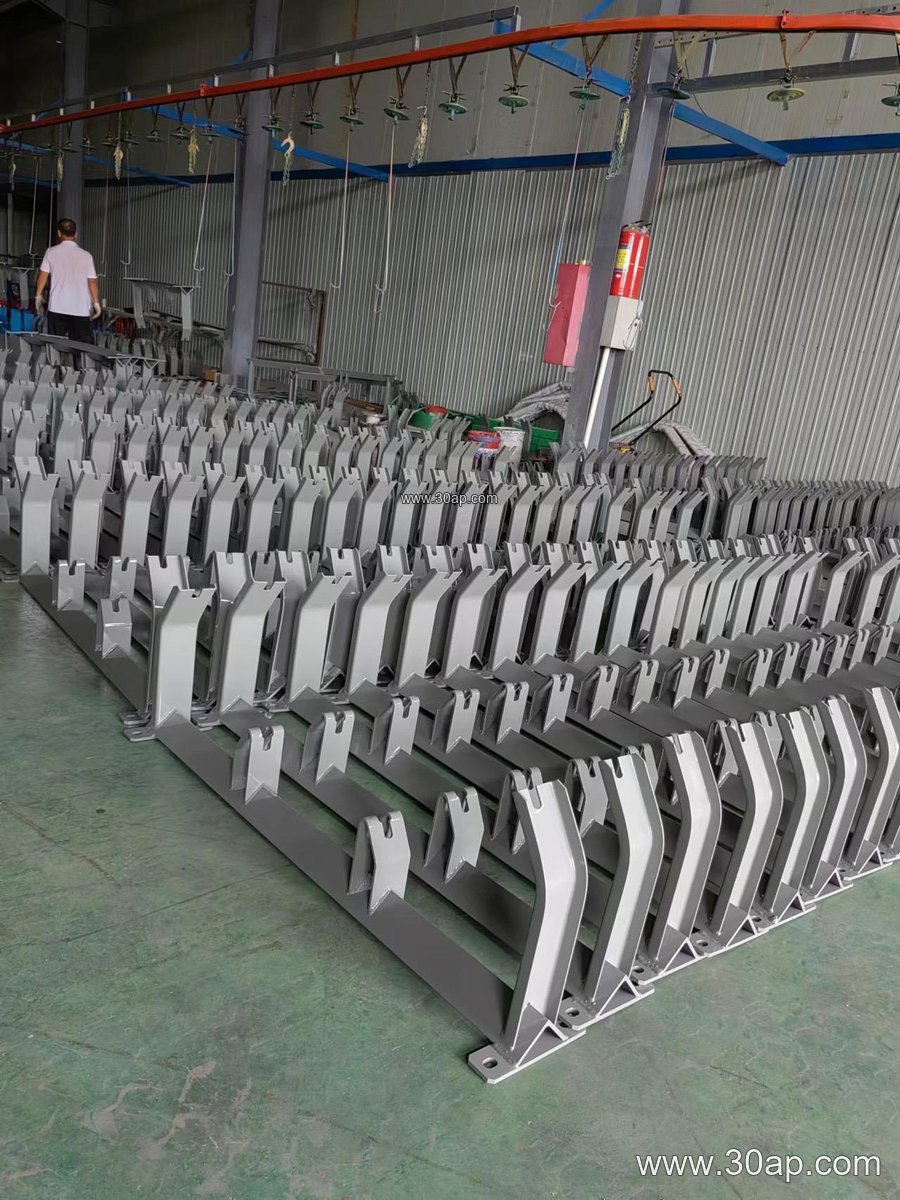
Most brackets are fabricated from angle steel, channel steel, or bent steel plate, then drilled or punched for mounting. A powder-coated or galvanized finish is common in wet or dusty service. Typical configurations include:
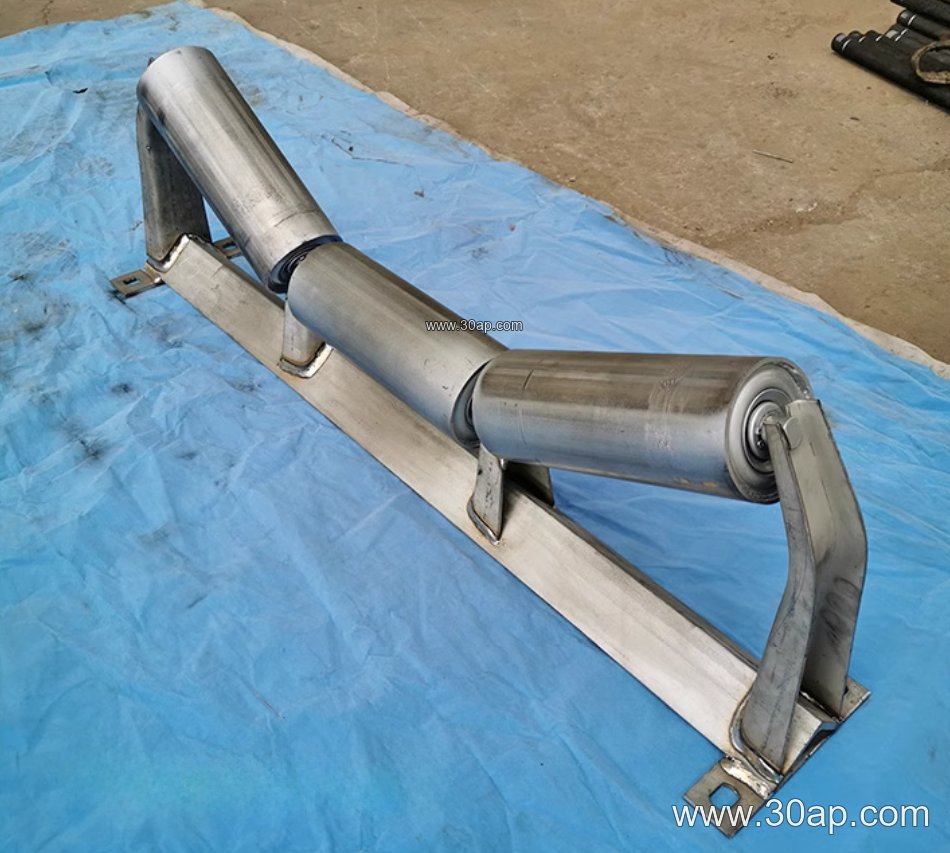
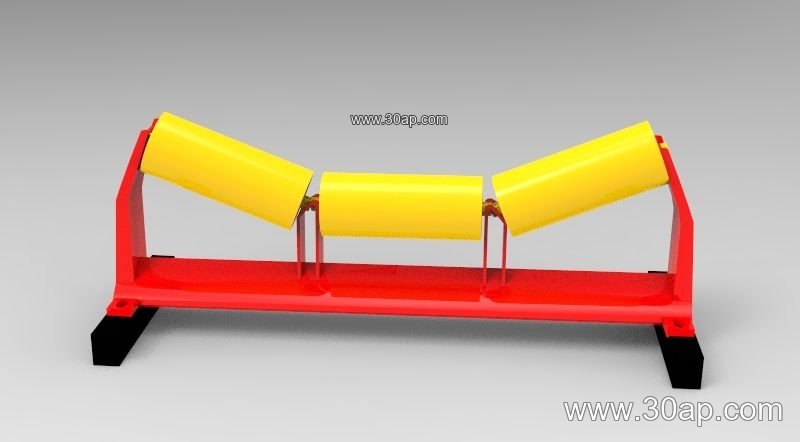
- Troughing bracket for carrying idlers, normally set at 20, 30, 35, or 45 degrees
- Transition bracket near the head and tail to ease the belt from flat to troughed
- Return bracket, flat or V-shaped, for the empty side of the belt
- Impact bracket under the loading point, paired with impact idlers
- Self-aligning bracket that permits small angular movement to correct belt wander
- Adjustable bracket that can be set to different trough angles on site
Forward-leaning brackets, commonly around 1.5 to 2 degrees, are used to encourage centering on long runs. The choice depends on belt speed, material, and the tracking history of the line.
Matching Bracket, Belt, and Idler
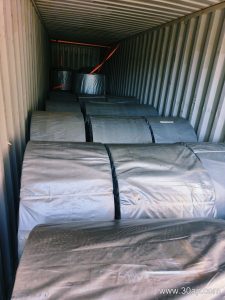
Belt width and idler diameter should be considered together, not treated as fixed pairs. A B800 conveyor might run 30 degree troughs with Ø108 idlers in a sand and gravel line, while a B1200 conveyor in an iron ore plant may use 35 or 45 degree troughs with Ø133 or Ø159 idlers. Heavier belts, such as a Steel Cord Conveyor Belt or a thick abrasion resistant belt, usually call for larger rollers and stronger brackets.
Reference combinations often seen in design drawings include:
| Belt width | Trough angle | Idler diameter |
|---|---|---|
| B650 | 30 degrees | Ø89 |
| B800 | 35 degrees | Ø108 |
| B1000 | 35 degrees | Ø108 or Ø133 |
| B1200 | 45 degrees | Ø133 |
| B1400 | 35 degrees | Ø159 |
| B1800 | 45 degrees | Ø159 or Ø194 |
These are common references only; final hole spacing and beam length follow the conveyor design. Do not assume one belt width locks in a single trough angle or roller size.
Where the Bracket Matters Most
In a limestone mine or aggregate crushing circuit, a poorly aligned troughing bracket shows up quickly as edge wear and spillage. In a power plant coal yard, return brackets and V-return brackets keep the belt from sagging between pulleys. In a fertilizer or grain silo, smooth bracket surfaces and good corrosion protection reduce buildup and jamming.
A conveyor idler bracket also affects how easily crews can service idler rollers. Slotted or drop-in designs shorten replacement time, which matters on a long overland conveyor where every stop costs production.
Buyer Checklist
- Confirm belt width, trough angle, and idler diameter before ordering
- Ask for mounting hole spacing and beam length rather than assuming a standard
- Check material thickness and finish for the site environment
- Decide between fixed and adjustable brackets based on tracking needs
- Verify compatibility with the existing conveyor frame and pulley layout
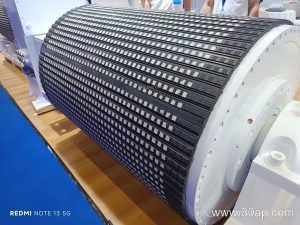
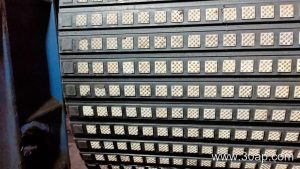
For inquiries on brackets, idlers, and related components such as conveyor belt, conveyor pulley, and conveyor bracket, contact the supplier with the full conveyor specification so the parts fit the line the first time. More details are available at www.beltsupplier.com for conveyor idler bracket and related conveyor components.