Understanding the Three-Roll Idler Bracket
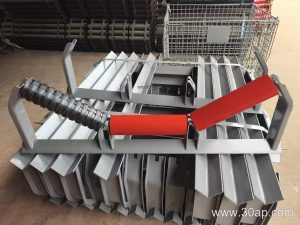
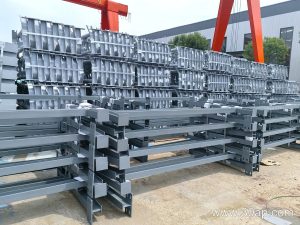
A three-roll idler bracket is the structural component that holds three idler rollers in a troughing arrangement on a belt conveyor. Often called a troughing idler bracket or simply a three-roll bracket, it positions the center roll horizontally and the two side rolls at an incline, forming the trough that keeps bulk material centered on the conveyor belt. This bracket is a key part of the idler assembly, working alongside the idler roller and conveyor pulley to maintain smooth belt travel.
Unlike a drive pulley or tail pulley, which transmit power and change belt direction, the three-roll idler bracket is a stationary support element. It does not rotate; its job is to hold the rollers at the correct angle and spacing so the belt retains its trough shape under load.
Construction and Materials
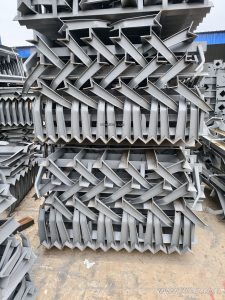
Most three-roll idler brackets are fabricated from angle steel, channel steel, or bent steel plate. The choice of material and gauge depends on the load and environment. In heavy-duty mining conveyor systems, brackets are often made from thicker channel steel to resist impact and vibration. The bracket typically includes mounting slots or holes for the idler shafts, and may have adjustable features to change the trough angle.
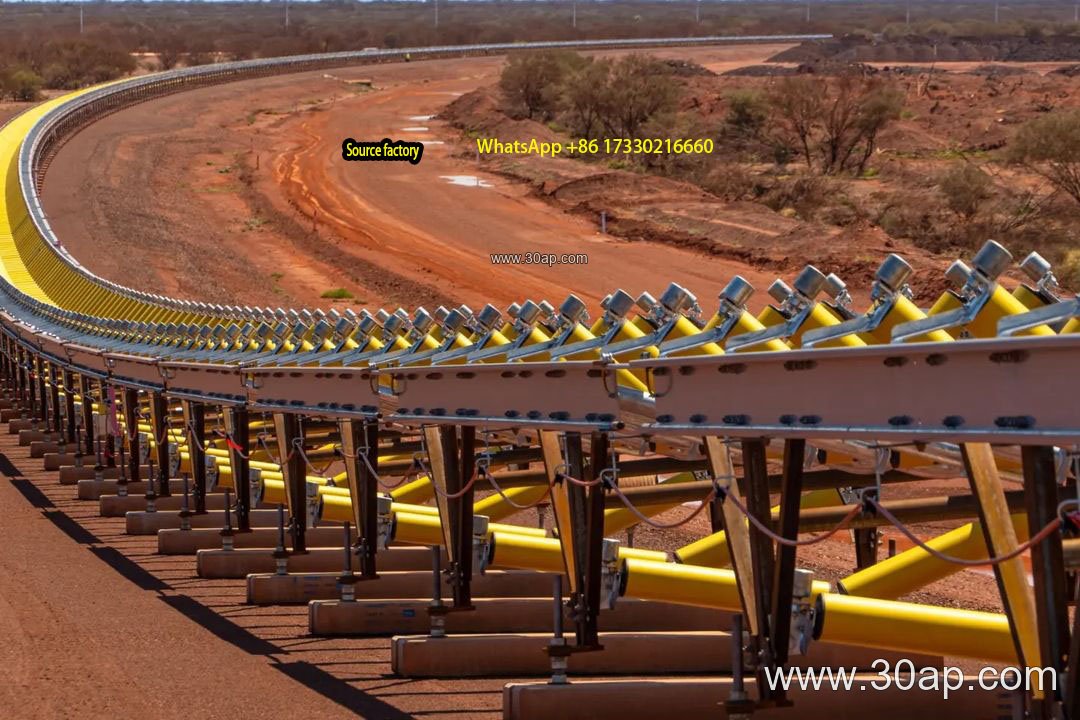
Common surface treatments include painting or galvanizing to resist corrosion in wet or dusty conditions. The bracket must be rigid enough to keep the three rolls aligned; any flex can cause belt misalignment and premature wear on the conveyor belt.
Where It Is Used
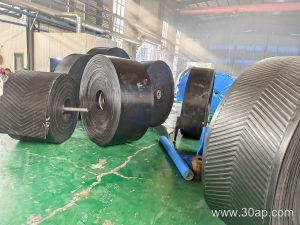
Three-roll idler brackets are found in the carrying side of a conveyor, typically spaced at intervals along the belt path. They are common in quarry conveyor lines, coal mining operations, cement plants, and power plant coal handling systems. In a stone crushing plant, for example, the bracket supports the belt that carries aggregate from the crusher to the screen. In a coal mining conveyor belt system, flame retardant conveyor belts run over these brackets to keep coal contained.
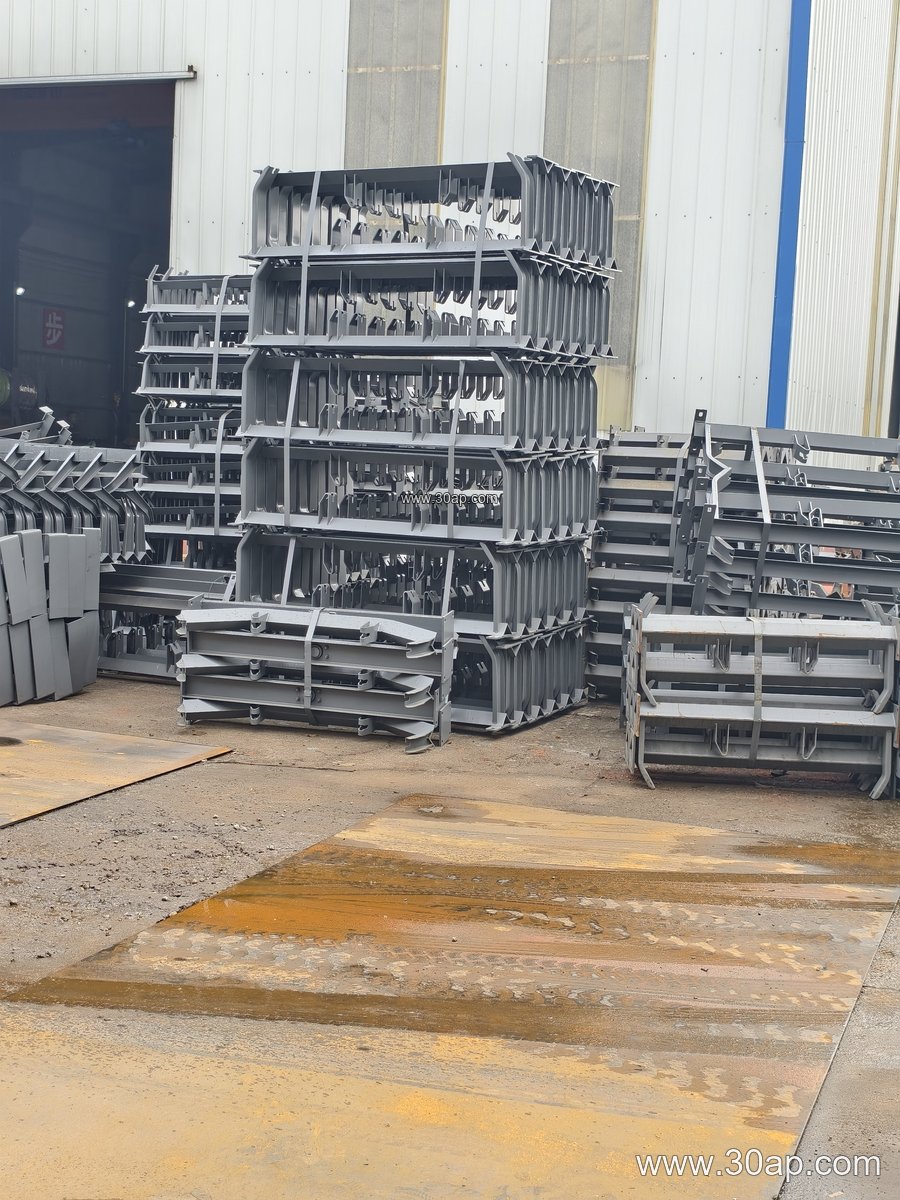
They are also used in port bulk material handling and steel plant sinter lines. The bracket works with the conveyor belt and idler roller to reduce belt sag and keep material from spilling.
Types and Adjustability
Three-roll idler brackets come in fixed and adjustable designs. Fixed brackets are set to a specific trough angle, while adjustable brackets allow the side rolls to be positioned at different angles. Common trough angles include 20, 30, 35, and 45 degrees. Adjustable brackets can be set between these values to suit the material and belt width.
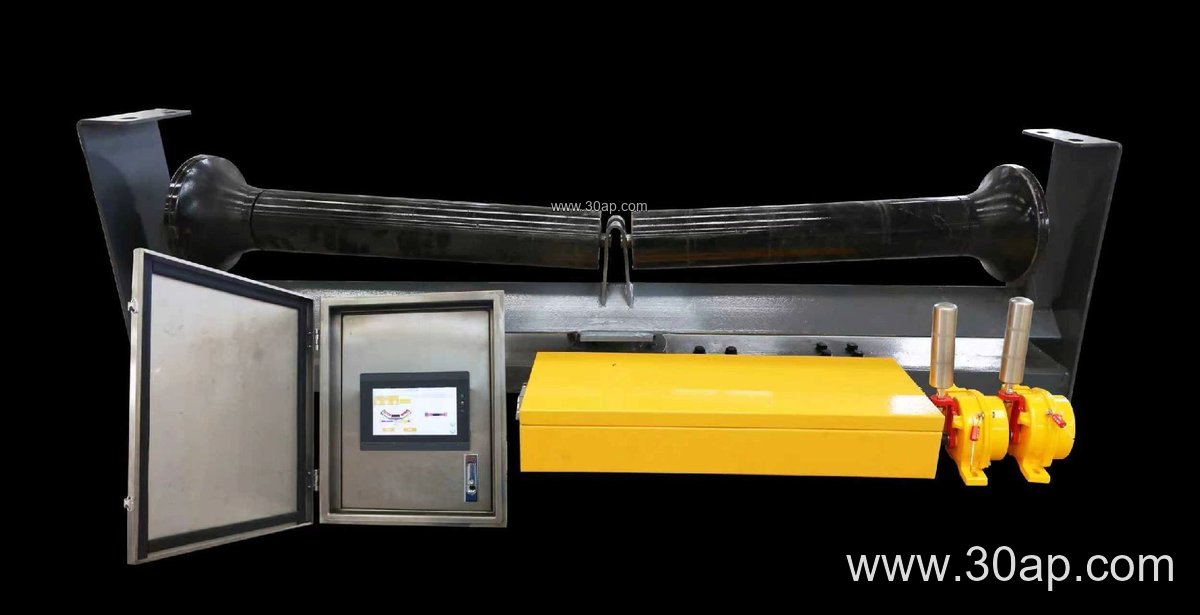
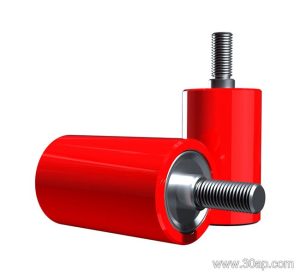
Other variations include transition brackets used near pulleys, and impact brackets that use cushioning rollers for loading zones. These are still three-roll designs but with specific features for their location.
Matching Belt Width and Roll Diameter
Selecting a three-roll idler bracket involves matching it to the conveyor belt width and the idler roller diameter. Belt widths from B500 to B2200 are common, and roll diameters such as Ø89, Ø108, Ø133, Ø159, and Ø194 are used depending on load and belt speed. There is no fixed rule that one belt width must use one specific roll diameter or trough angle; the combination is determined by the conveyor design.
For example, a B800 belt might use a 35-degree bracket with Ø108 rolls, while a B1200 belt could use a 45-degree bracket with Ø133 rolls. These are typical arrangements, not mandatory. The bracket’s mounting hole spacing and crossbeam length vary with belt width and trough angle, so they are specified per project.
Buyer Checklist
- Confirm the belt width and required trough angle for your conveyor.
- Check the idler roller diameter and shaft size to ensure the bracket fits.
- Consider the environment: dusty, wet, or corrosive conditions may call for galvanized or painted brackets.
- Decide between fixed and adjustable brackets based on whether you need to fine-tune the trough angle.
- Verify that the bracket material and thickness suit the load, especially in heavy-duty mining or quarry applications.
For reliable conveyor support, the three-roll idler bracket should be matched with quality idler rollers and a compatible conveyor belt. Whether you are running an EP conveyor belt in a cement plant or a steel cord conveyor belt in a coal mine, the bracket plays a quiet but critical role in keeping the system aligned and efficient.