Coal dust at a bulk port terminal
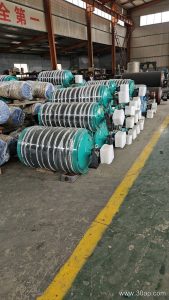
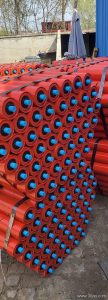
Coal is light, dusty and often damp. An idler roller here faces fine dust that migrates into seals, plus steady belt load. Smooth steel shells shed coal well, but abrasion-resistant lagging or rubber discs can reduce buildup.
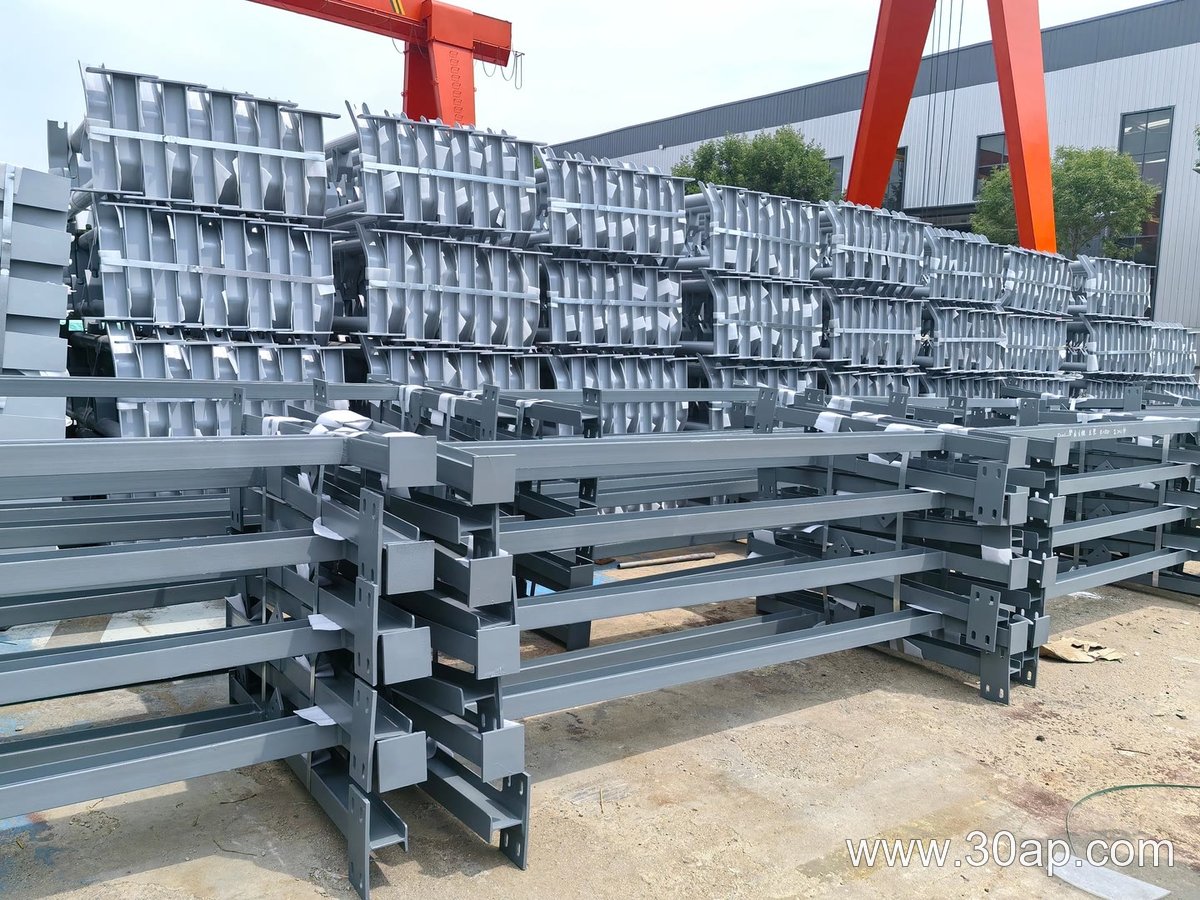
What matters for coal
- Sealed bearings for dust exclusion
- Shell material that resists coal abrasion
- Roller spacing matched to belt sag
For a hypothetical 1400 mm coal conveyor, choose rollers with labyrinth seals and a shell that releases fines. Confirm load per station before finalizing diameter.
Will a Conveyor Pulley Crown Stop Belt Mistracking on a Wet Outdoor Conveyor
A crowned conveyor pulley can help center a belt, but on a wet outdoor conveyor it is not a guaranteed fix. Water reduces friction, and a crown may not overcome severe misalignment.
What the Crown Does
The crown creates a slightly higher center. As the belt runs, it tends to ride toward the high point. This works best when the belt is flexible and the pulley is the main cause of mistracking.
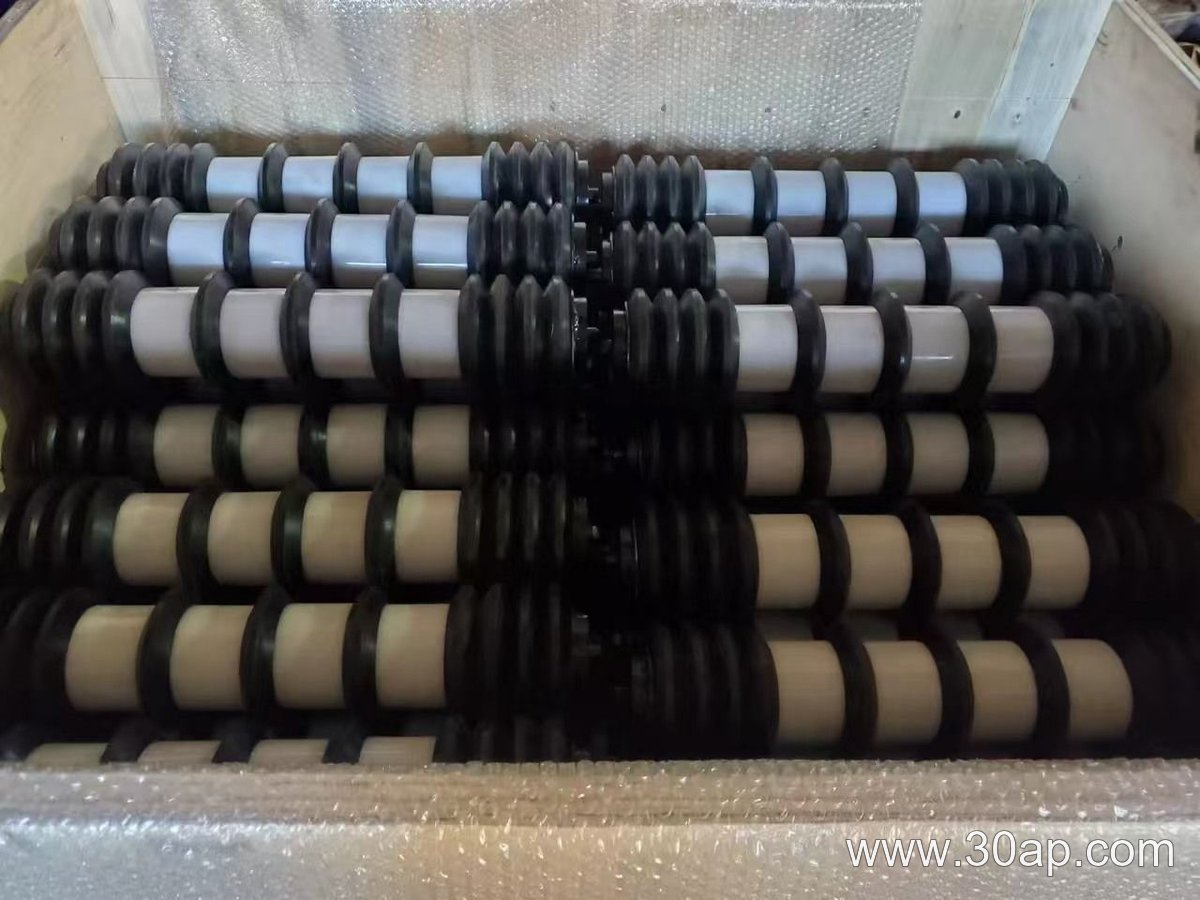
Wet Weather Limits
- Water film lowers friction, so the belt may not follow the crown.
- Uneven loading or a seized idler can still pull the belt off line.
- Ice or debris on the pulley face can mask the crown’s effect.
Check alignment, loading, and lagging condition first. A crowned conveyor pulley is one tool, not a cure-all.
What Determines the Mounting Hole Spacing on a Conveyor Bracket?
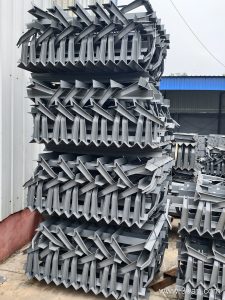
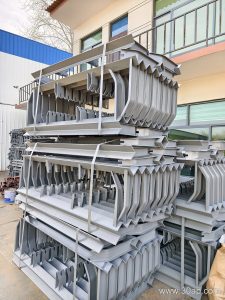
Mounting hole spacing must match the idler frame and the supporting stringer. It is not a universal number. The spacing is set by the idler shaft gauge and the bolt pattern of the frame.
A Simple Sizing Check
Assume a hypothetical conveyor bracket for a 600 mm wide belt with a 100 mm gap between the stringers. The bracket base length is 150 mm. Hole spacing is calculated as base length minus twice the edge distance. With a 25 mm edge distance, spacing is 100 mm. This ensures the bolts clear the welds and the bracket seats flat.
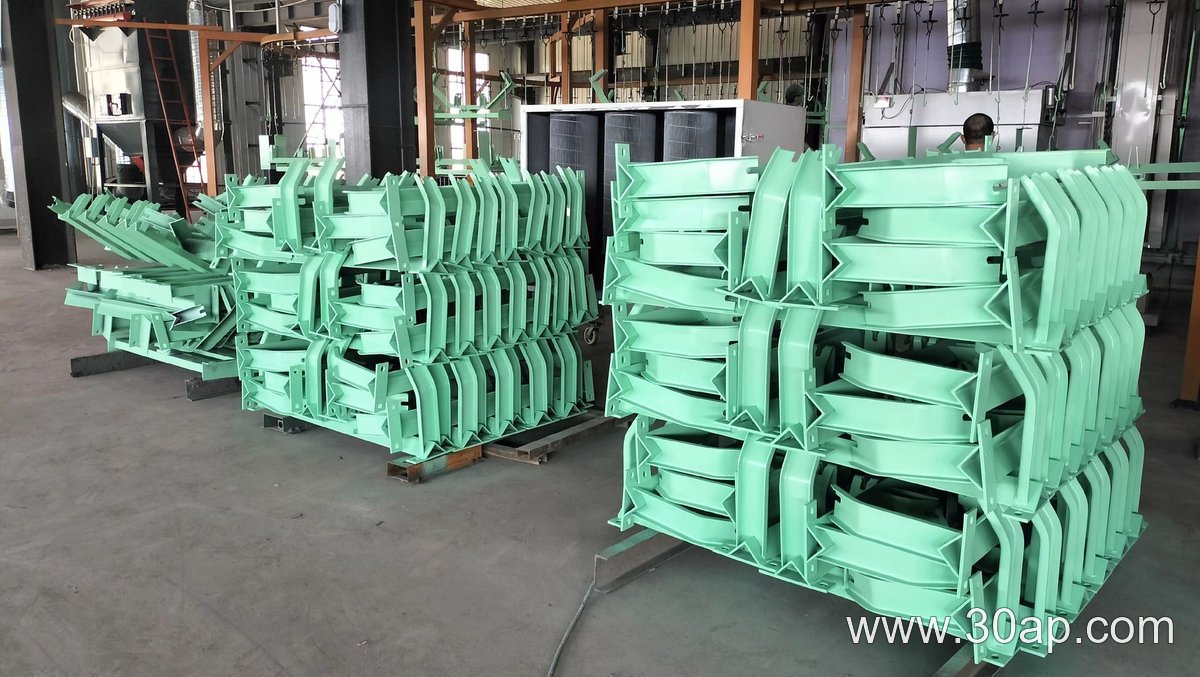
Always verify the actual frame dimensions before drilling. A mismatch causes misalignment and belt drift.
Why the Edge Distance Matters
- Too small: bolt head may overhang or crack the base.
- Too large: bracket may not fit between stringers.
- Check the idler shaft gauge to avoid interference.
For a heavy-duty conveyor bracket, increase edge distance to 30 mm for M16 bolts. This is a general guide, not a specification. Confirm with the frame drawing.
How Do You Calculate the Belt Length for a Wet Outdoor Conveyor Belt with a Short Incline
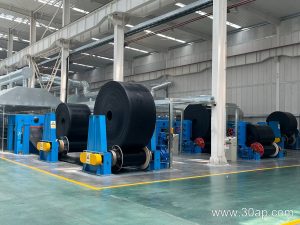
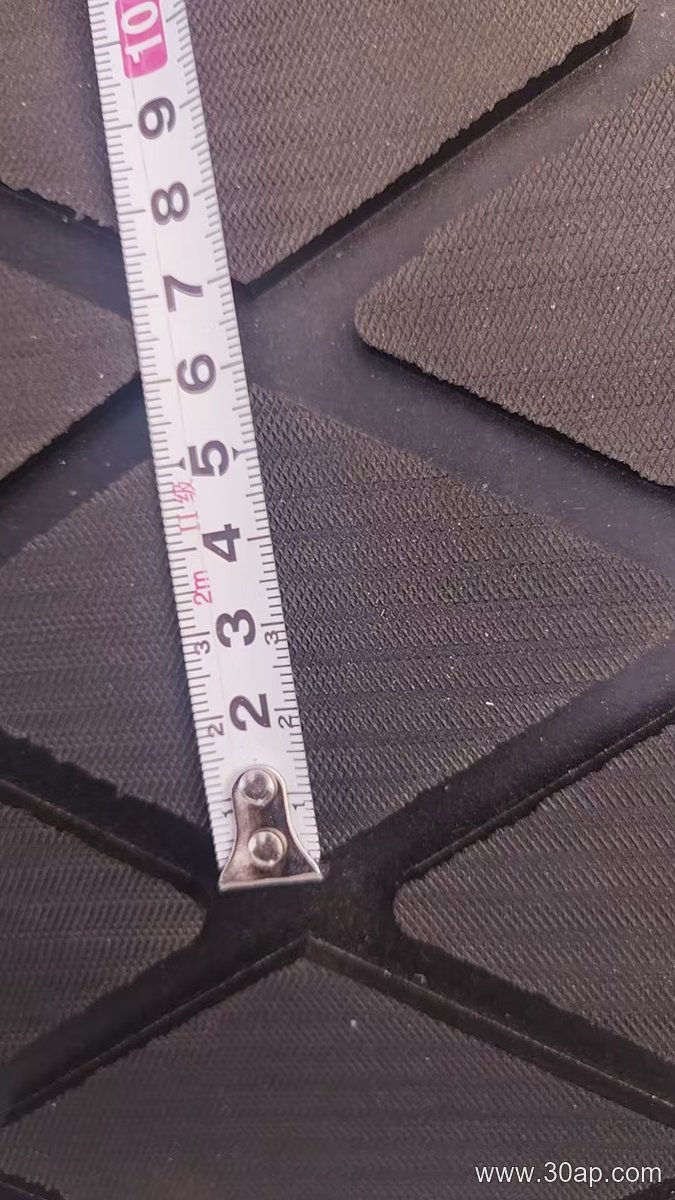
For a wet outdoor conveyor belt, length calculation must account for slip and stretch. Use the center-to-center distance between pulleys, pulley diameters, and an extra allowance for splice and take-up travel.
Assumptions and Method
Assume a hypothetical conveyor with head and tail pulley centers 20 m apart, 0.5 m pulley diameters, and a 1.2 m take-up allowance. The approximate belt length is 2 × 20 m + π × 0.5 m + 1.2 m = 41.77 m. Wet conditions add 0.5–1% for slip and elongation, giving about 42.2 m. Units are in meters; always verify with actual site dimensions.