What a Four-Roll Idler Bracket Does
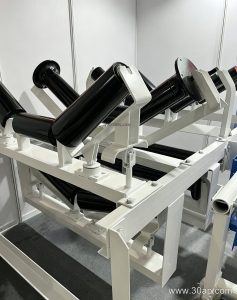
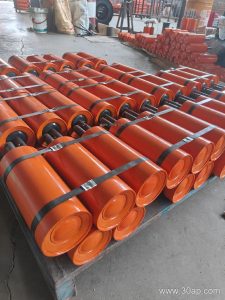
A four-roll idler bracket is a support frame that holds four idler rollers in a trough configuration on the carrying side of a conveyor. It is used where a standard three-roll arrangement cannot provide the trough depth or belt support the application needs, such as wide belts or high-capacity loading points. The bracket keeps the rollers at a consistent angle so the belt forms a deep, stable trough that contains bulk material and reduces spillage.
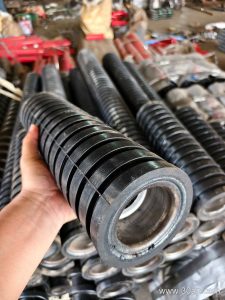
In a quarry or a cement plant, the four-roll bracket is often chosen when the belt is wide and the material is heavy. The four rollers share the load, so each roller and bearing carries less stress than in a three-roll set. The result is smoother belt tracking and longer roller life when the conveyor moves abrasive or dense material.
Structure and Construction
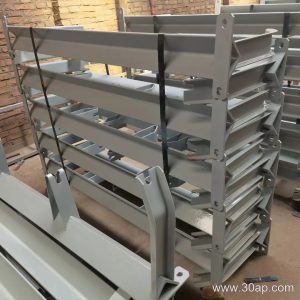
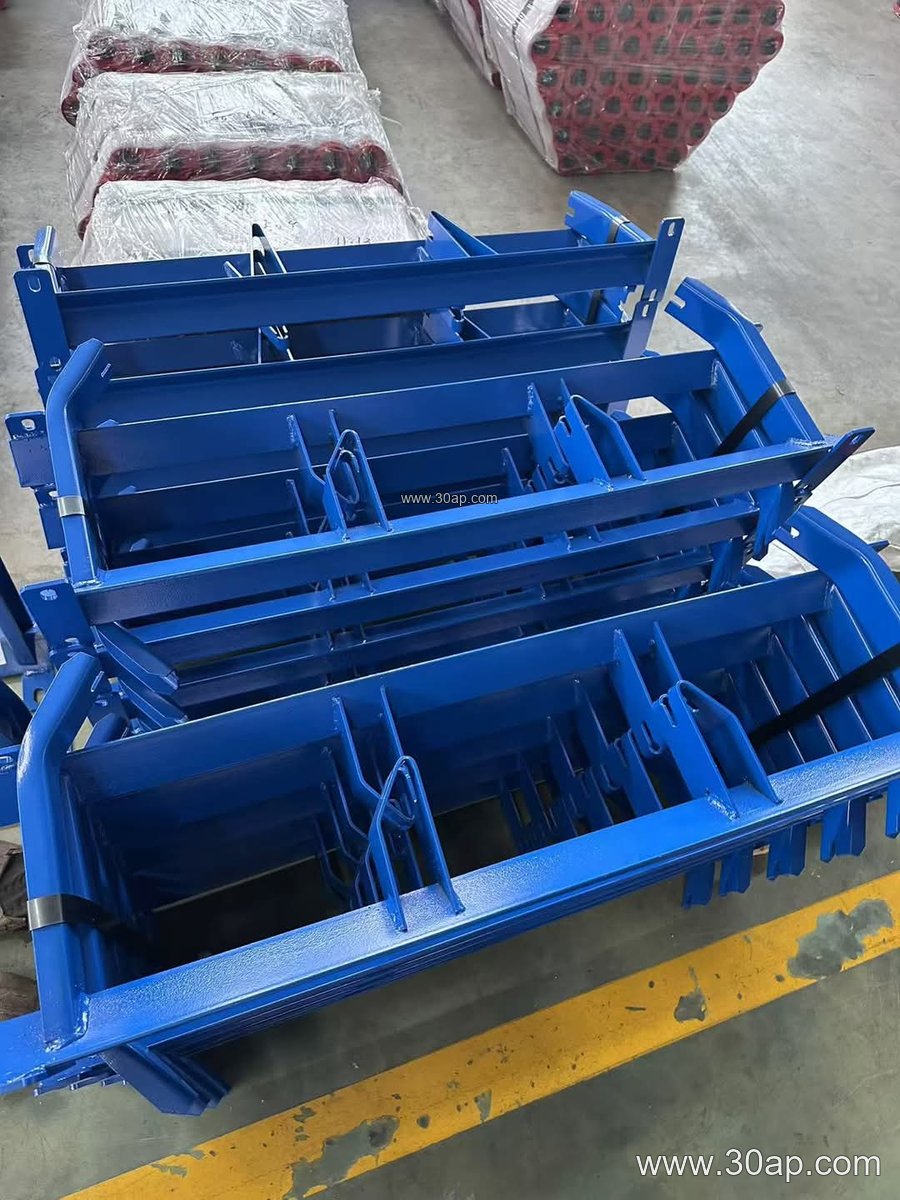
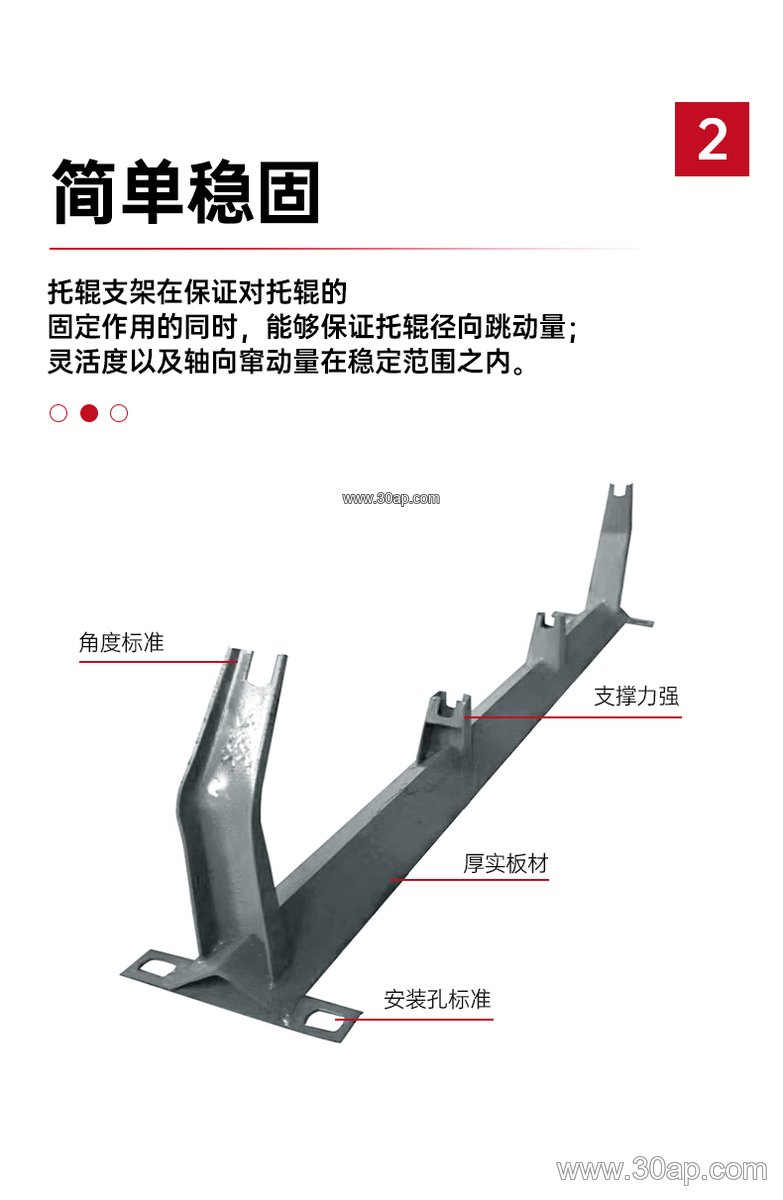
The bracket is typically fabricated from angle steel, channel steel, or bent steel plate. The frame includes mounting positions for the two outer rollers and the two inner rollers, with the outer rollers set at a steeper angle to form the trough. The bracket is bolted to the conveyor stringer or frame, and the rollers are mounted on shafts that sit in the bracket slots or fixed holes.
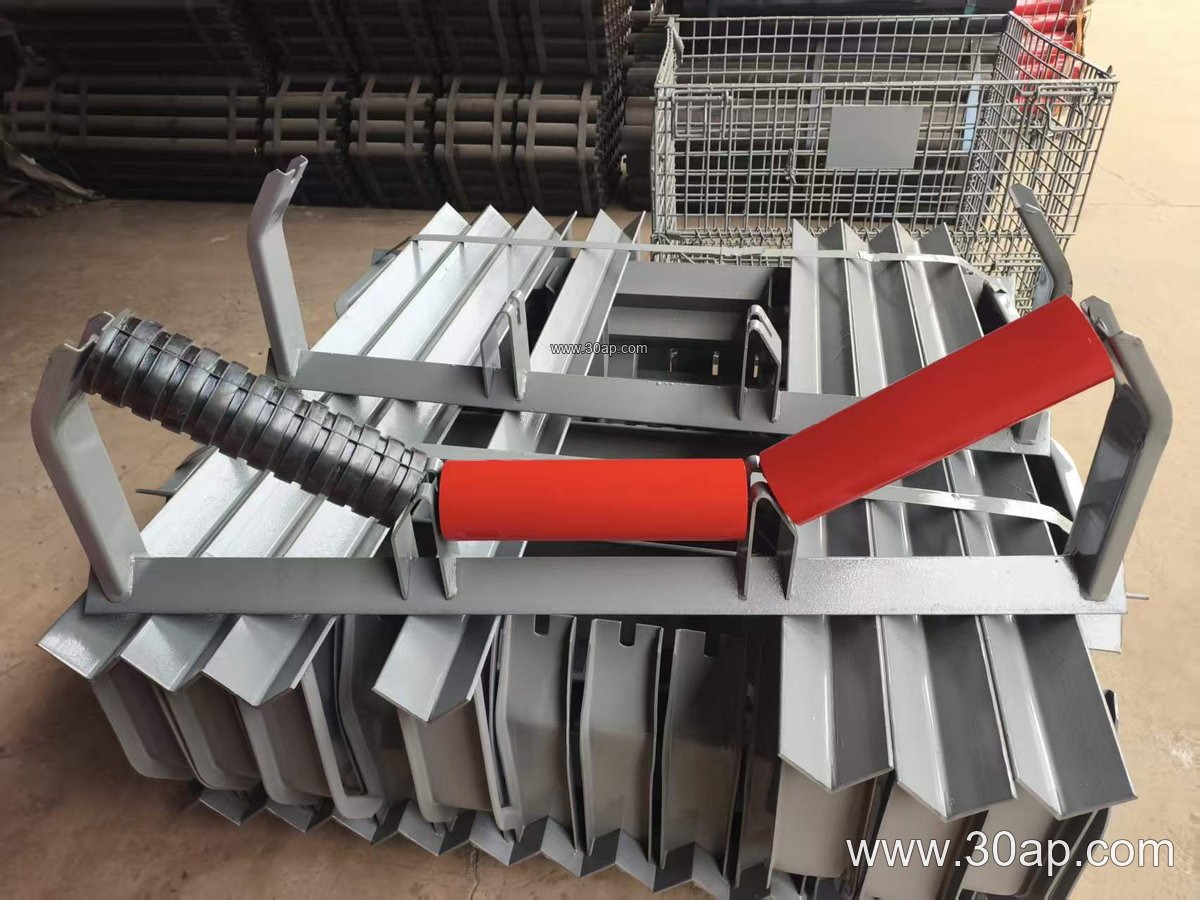
- Frame material: angle steel, channel steel, or folded steel plate
- Roller positions: two outer and two inner, arranged in a trough profile
- Mounting: bolted to the conveyor stringers, with hole spacing set by belt width and trough angle
- Finish: painted or coated steel, depending on the environment
The exact dimensions of the bracket depend on the belt width and the trough angle. Installation hole spacing and crossbeam length are not fixed values; they are determined by the conveyor design. A bracket for a wider belt will have a longer crossbeam and different hole spacing than one for a narrow belt.
Where It Fits on the Conveyor
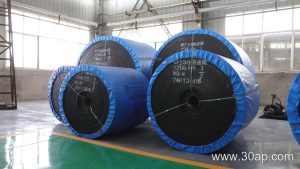
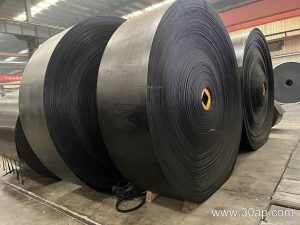
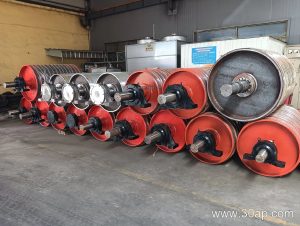
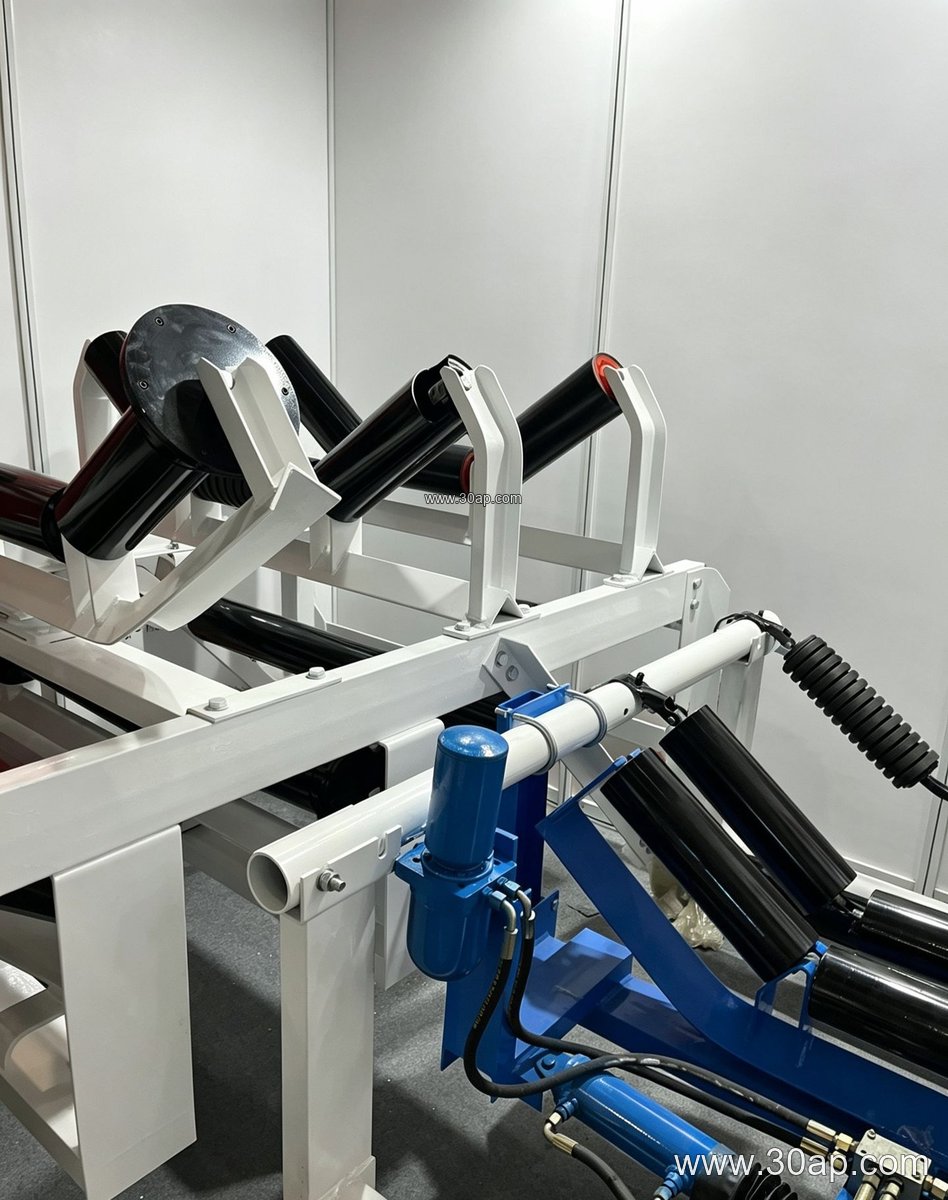
The four-roll bracket is normally installed on the carrying side, between the head and tail of the conveyor. It is not a substitute for a drive pulley, tail pulley, or bend pulley, which serve different functions at the ends and curves of the conveyor. The bracket works together with the conveyor belt and the idler rollers to support the loaded belt and keep it in a stable trough.
In a coal handling system at a power plant, four-roll brackets may be used on the main conveying runs where the belt is wide and the coal load is heavy. In a sand and gravel line, they can be used at transfer points where the belt needs extra support. The bracket is also relevant in iron ore and copper ore operations where the belt carries dense, abrasive material.
Matching Rollers, Belt Width, and Trough Angle
Selection starts with the belt width and the required trough angle. Common belt widths include B500, B650, B800, B1000, B1200, B1400, B1600, B1800, B2000, B2200. Trough angles of 20, 30, 35, and 45 degrees are common, and adjustable brackets can be set between these angles. Roller diameters such as Ø89, Ø108, Ø133, Ø159, and Ø194 are used depending on the belt width and load.
There is no single rule that one belt width must use one trough angle or one roller diameter. A B800 belt might use a 35-degree trough with Ø108 rollers, while a B1200 belt might use a 45-degree trough with Ø133 rollers. The final combination is set by the conveyor design, the material being carried, and the required capacity.
| Belt Width | Common Trough Angle | Common Roller Diameter |
|---|---|---|
| B650 | 30 degrees | Ø89 |
| B800 | 35 degrees | Ø108 |
| B1200 | 45 degrees | Ø133 |
These values are examples, not fixed combinations. Buyers should confirm the bracket dimensions, hole spacing, and roller positions with the conveyor design before ordering.
What Buyers Should Check
Before selecting a four-roll idler bracket, confirm the belt width, the trough angle, and the roller diameter. Check the mounting hole spacing and crossbeam length against the existing conveyor frame. For abrasive material such as ore or clinker, consider a heavier frame and wear-resistant rollers. For coal mining or underground coal mining conveyors, flame retardant and anti-static properties of the belt and components matter, so the bracket should be compatible with the selected conveyor belt type.
Also consider the environment. In a port or a fertilizer plant, corrosion resistance may be important. In a steel plant or sinter plant, heat resistance of nearby components should be reviewed. The bracket itself is a structural part, but it must fit the overall conveyor system, including the idler roller and conveyor belt used on the line.
Maintenance Notes
Inspect the bracket for loose bolts, bent frames, and worn mounting holes during routine maintenance. A misaligned bracket can cause the belt to track poorly and wear the roller edges. Keep the bracket clean and check that the rollers turn freely. If the frame is damaged, replace it rather than bending it back into shape, since a deformed bracket can affect the trough profile and belt life.
For more information on conveyor components, visit conveyor belt and idler roller pages on our site.