What a Belt Conveyor Bracket Does on the Line
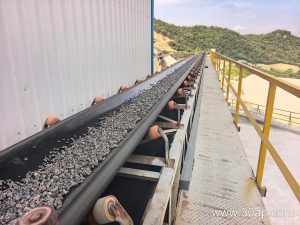
A belt conveyor bracket is the steel support that holds the idler roller in position and keeps the conveyor belt running in the shape the design intended. It is a small component compared with the pulley or the belt itself, yet it sets the trough angle, the height of the belt line, and the spacing between rollers. In a quarry, a cement plant, or a power plant coal yard, a weak or misaligned bracket shows up quickly as belt wander, spilled material, and uneven roller wear.
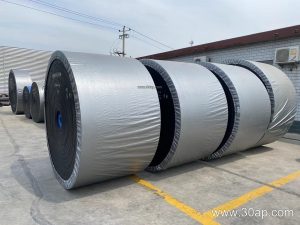
Also called a conveyor bracket or idler frame, the part is usually bolted to the conveyor stringer or to a cross beam. Because it carries the weight of the belt and the load, its stiffness matters as much as its shape. For heavy ores and coarse rock, the bracket works together with a heavy-duty conveyor belt and impact-resistant rollers to absorb loading shocks at the transfer point.
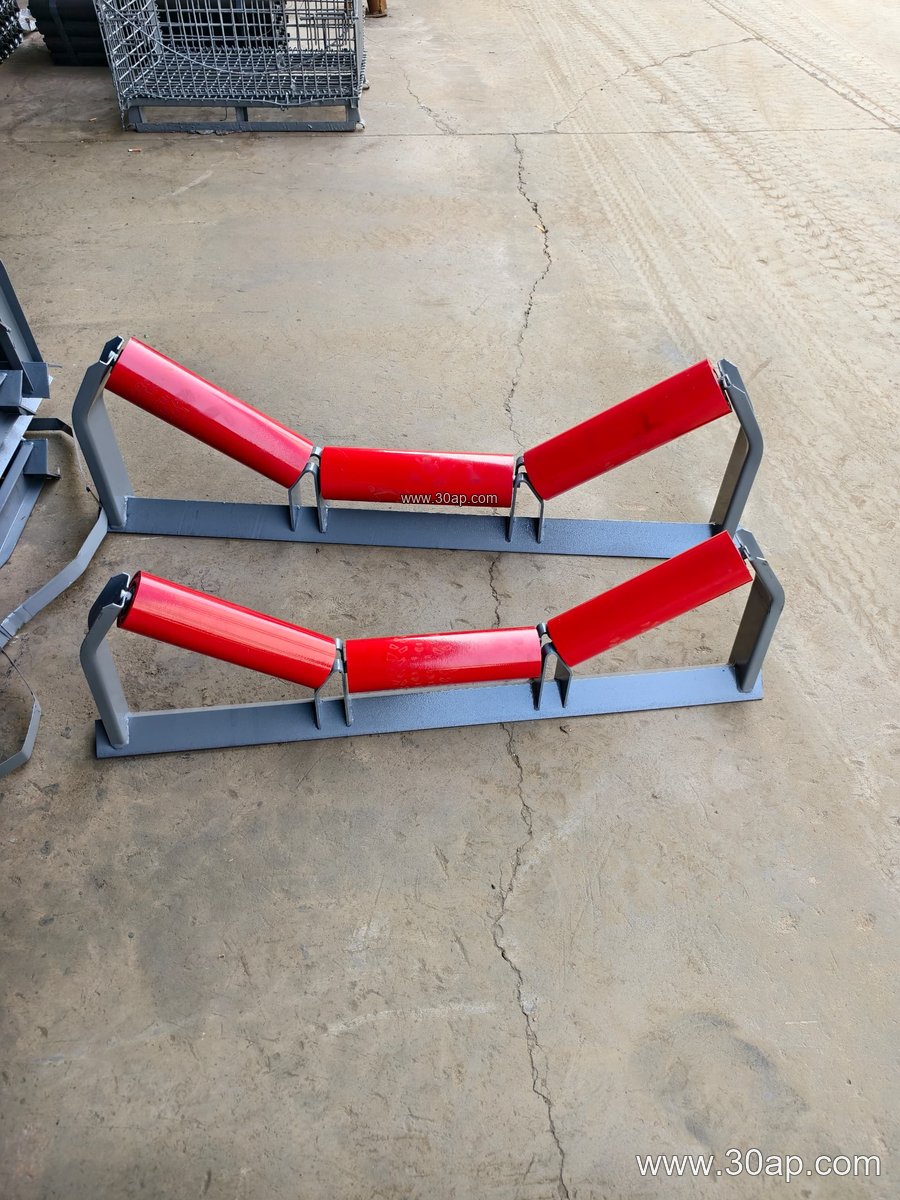
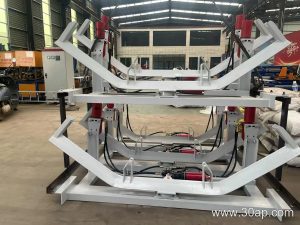
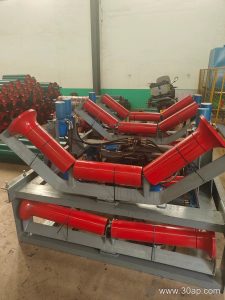
Construction and Common Forms
Most brackets are fabricated from angle steel, channel steel, or folded steel plate, then drilled and painted or galvanized. The design differs by position along the conveyor:
- Troughing brackets on the carrying side, normally with three rollers
- Transition brackets near the head and tail, where the belt changes from flat to troughed
- Return brackets and V-return brackets under the belt
- Impact brackets at loading points, fitted with cushion rollers
- Self-aligning and forward-leaning brackets for belt training
- Suspended and adjustable brackets for special layouts
Adjustable frames let maintenance staff change the trough angle between commonly used values such as 20, 30, 35, and 45 degrees. Forward-leaning types usually sit at about 1.5 to 2 degrees to help center the belt. These are design options, not fixed rules for every conveyor.
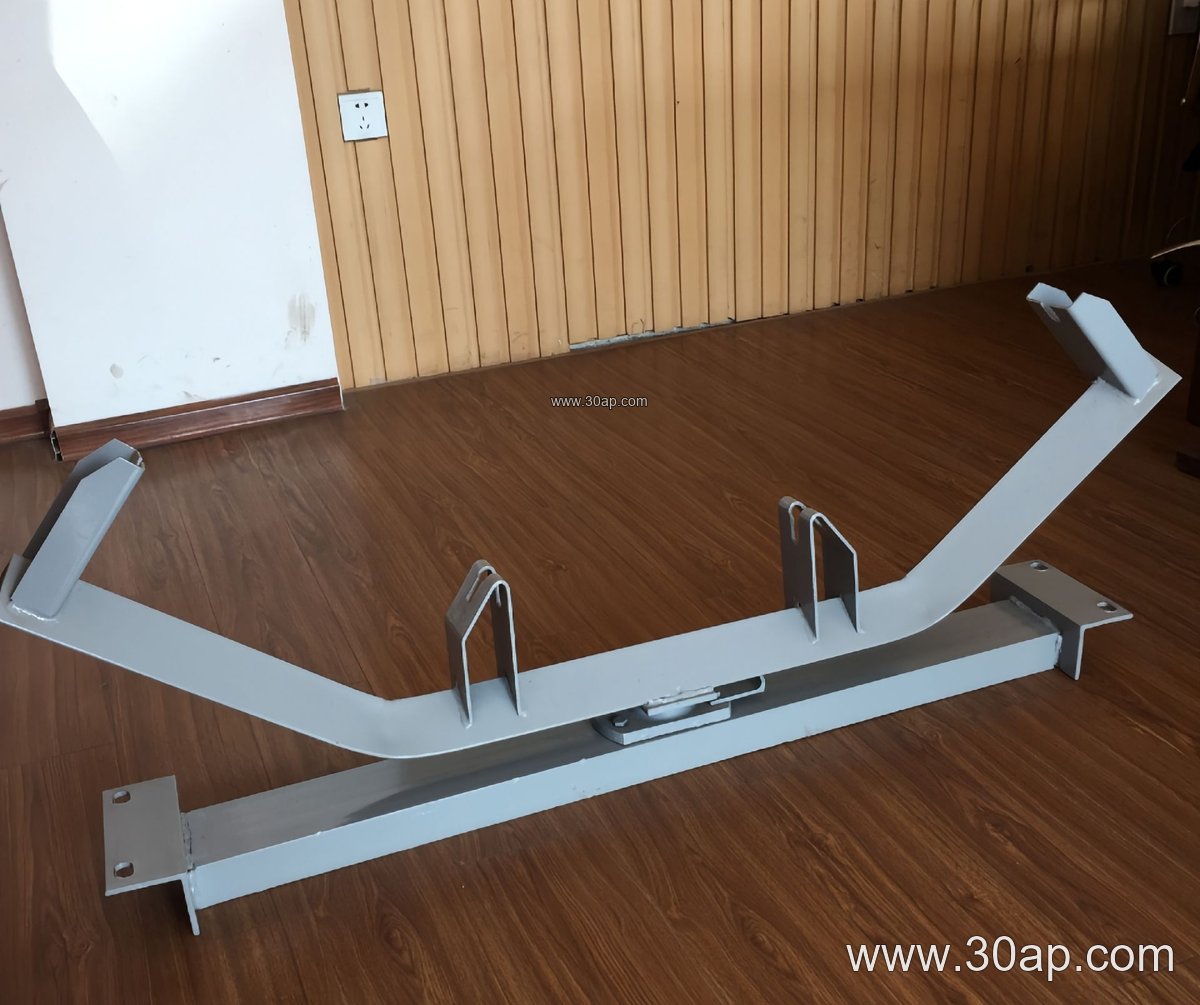
Matching Bracket, Belt Width, and Roller Diameter
Buyers often ask which bracket fits which belt. The answer depends on the whole conveyor design, not on one number. A B800 belt may run with Ø89 or Ø108 rollers at 30 or 35 degrees depending on capacity and material; a B1200 line in a crusher discharge may use Ø133 rollers at 35 or 45 degrees. The table below shows reference combinations only, and actual hole spacing and beam length are set by the conveyor designer.
| Belt width | Typical trough angle | Common roller diameter | Typical use |
|---|---|---|---|
| B500 / B650 | 20–30 degrees | Ø89 | Small aggregate or sand lines |
| B800 / B1000 | 30–35 degrees | Ø108 | General bulk handling |
| B1200 / B1400 | 35–45 degrees | Ø133 | Cement, coal, ore transport |
| B1600 / B1800 | 35–45 degrees | Ø159 | Heavy mining and port duty |
| B2000 and above | 35–45 degrees | Ø194 | High-capacity trunk conveyors |
Do not assume that one belt width can only match one pulley diameter or one trough angle. The bracket, roller, and belt must be selected together. For long overland lines carrying iron ore or copper ore, an EP conveyor belt or steel cord conveyor belt may need wider roller spacing and a stiffer frame. In coal mining, a flame retardant conveyor belt and anti-static components are often specified, and the bracket should be compatible with the roller fixing method used.
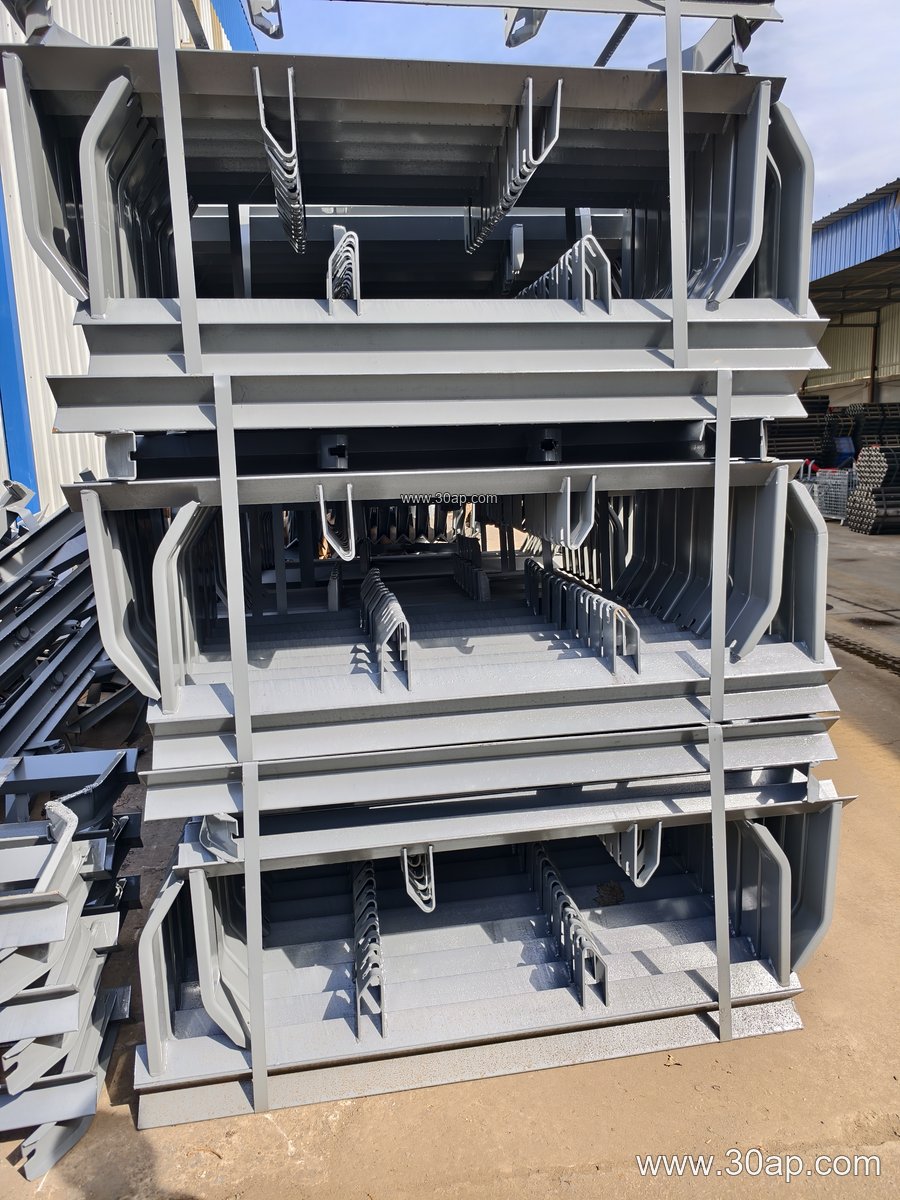
Where These Frames Are Used
You will find belt conveyor brackets in nearly every bulk handling plant. In a limestone quarry or stone crushing line, troughing brackets guide the belt under the crusher discharge and along the screening deck. In a cement plant, they support clinker and raw meal transport. In a power plant coal yard, they keep the coal belt tracking through long galleries. Port ship loaders and stockyard conveyors use heavy frames with large rollers, while a fertilizer or grain silo may use lighter, corrosion-protected versions.
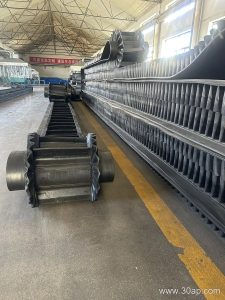
The choice of belt also affects the frame. A chevron conveyor belt or corrugated sidewall conveyor belt needs clearance for its profile, and a pipe conveyor belt has a completely different support arrangement. Where hot material is carried, a heat resistant conveyor belt may be paired with heat-tolerant rollers and brackets that allow for expansion.
Buyer Checklist
- Confirm belt width, trough angle, and roller diameter as a set, not separately.
- Check mounting hole spacing and beam length against the existing stringer.
- Ask for material and finish, since dusty or wet plants need suitable corrosion protection.
- For impact zones, specify cushion brackets rather than standard troughing frames.
- Keep spare brackets for transition and self-aligning positions, which wear or bend first.
- Review roller fixing details so the idler roller fits the bracket without modification.
A well-chosen bracket is a low-cost way to protect the conveyor belt, reduce downtime, and keep material moving smoothly from the quarry face to the stockpile.