What a Conveyor Idler Shaft Does
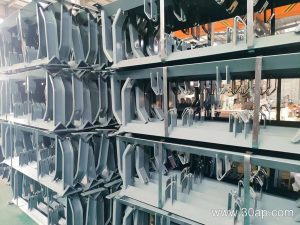
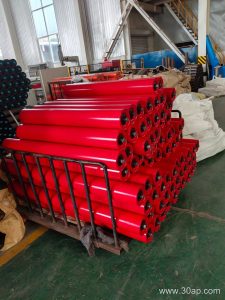
The conveyor idler shaft is the stationary axle at the heart of every idler roller on a belt conveyor. While the shell rotates with the moving belt, the shaft stays fixed, held at both ends by a conveyor bracket or frame. Bearings sit between the shaft and the shell, so the shaft carries the full load of the belt and the material on it without turning itself. In a quarry, a coal handling plant, or a cement kiln feed line, this small component quietly determines how smoothly the whole conveyor runs.
Because the shaft is the load-bearing backbone of the idler, its straightness, diameter, and end machining matter as much as the roller shell. A bent or worn shaft shows up quickly as noise, vibration, and uneven belt tracking.
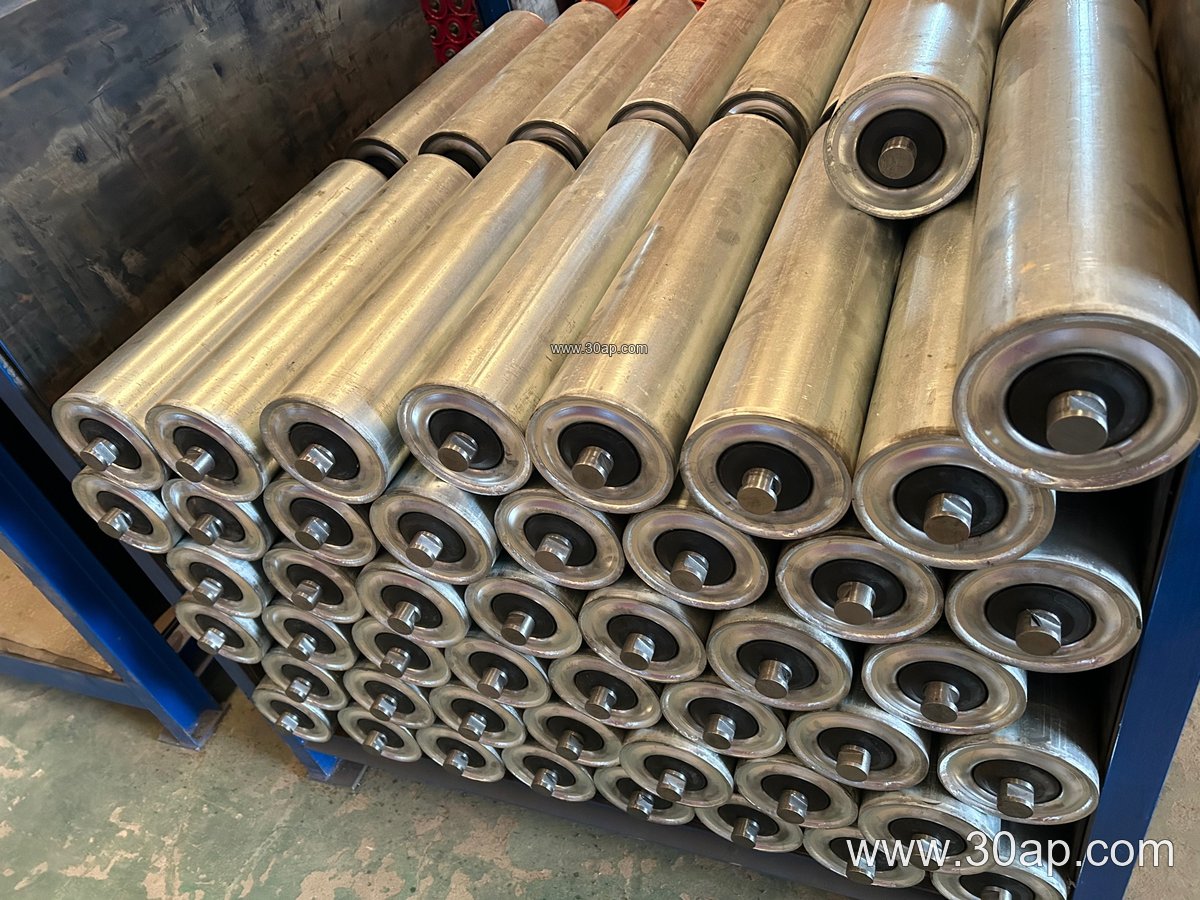
How the Shaft Is Built
Most shafts are machined from round carbon steel bar, then turned down at the ends to fit the bracket slots or flats. The bearing seats are ground to a precise tolerance so the bearing inner ring sits firmly without play. Common configurations include:
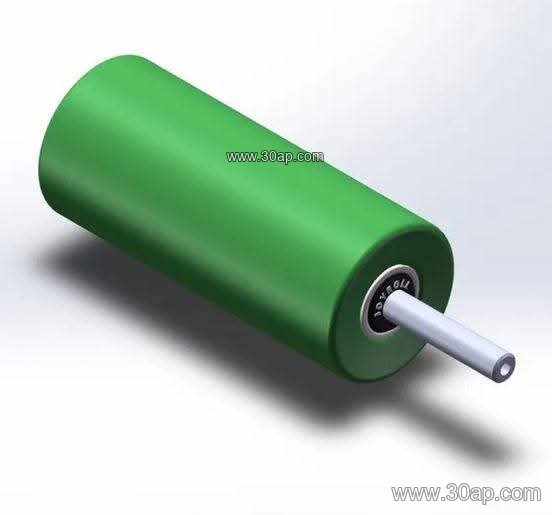
- Through shaft with machined ends and retaining grooves
- Stepped shaft with bearing journals and a larger central body
- Hollow shaft designs used where weight reduction matters
Surface treatment is usually a matter of environment. Paint or plating helps in damp tunnels and wash-down areas, while stainless or coated shafts appear in food grade and chemical exposed conveyors. The shaft must also resist bending under the belt load, so the steel grade and diameter are chosen together with the idler spacing, not in isolation.
Matching Shaft, Roller, and Belt Width
There is no single shaft diameter that belongs to one belt width. A B800 conveyor might use Ø89 or Ø108 idlers depending on load and spacing, and a B1200 line could run Ø133 or Ø159. The table below shows typical reference values only; final choice follows the conveyor design.
| Belt width | Common idler diameter | Typical bearing |
|---|---|---|
| B500 | Ø63 to Ø89 | 6204 / 6205 |
| B800 | Ø89 to Ø108 | 6205 / 6305 |
| B1000 | Ø108 to Ø133 | 6305 / 6306 |
| B1400 | Ø133 to Ø159 | 6308 |
| B1800 | Ø159 to Ø194 | 6310 |
Roller length also changes with trough angle and idler group form. A three-roll 35 degree trough set on B1000 commonly uses a center roll near 380 mm, but side rolls and transition idlers differ. Buyers should confirm shaft length, end type, and flat position against the actual bracket drawing rather than assuming a standard.
Where It Fits on the Conveyor
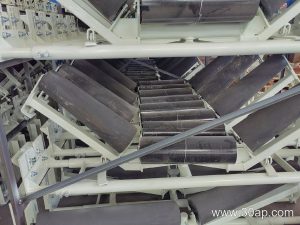
The shaft appears in every idler position: carrying idlers on the top run, return idlers underneath, impact idlers at the loading point, and self-aligning idlers on long curves. In a copper ore stockyard or a power plant coal yard, return idlers often collect fines, so sealed shafts and good bearing protection extend service life.
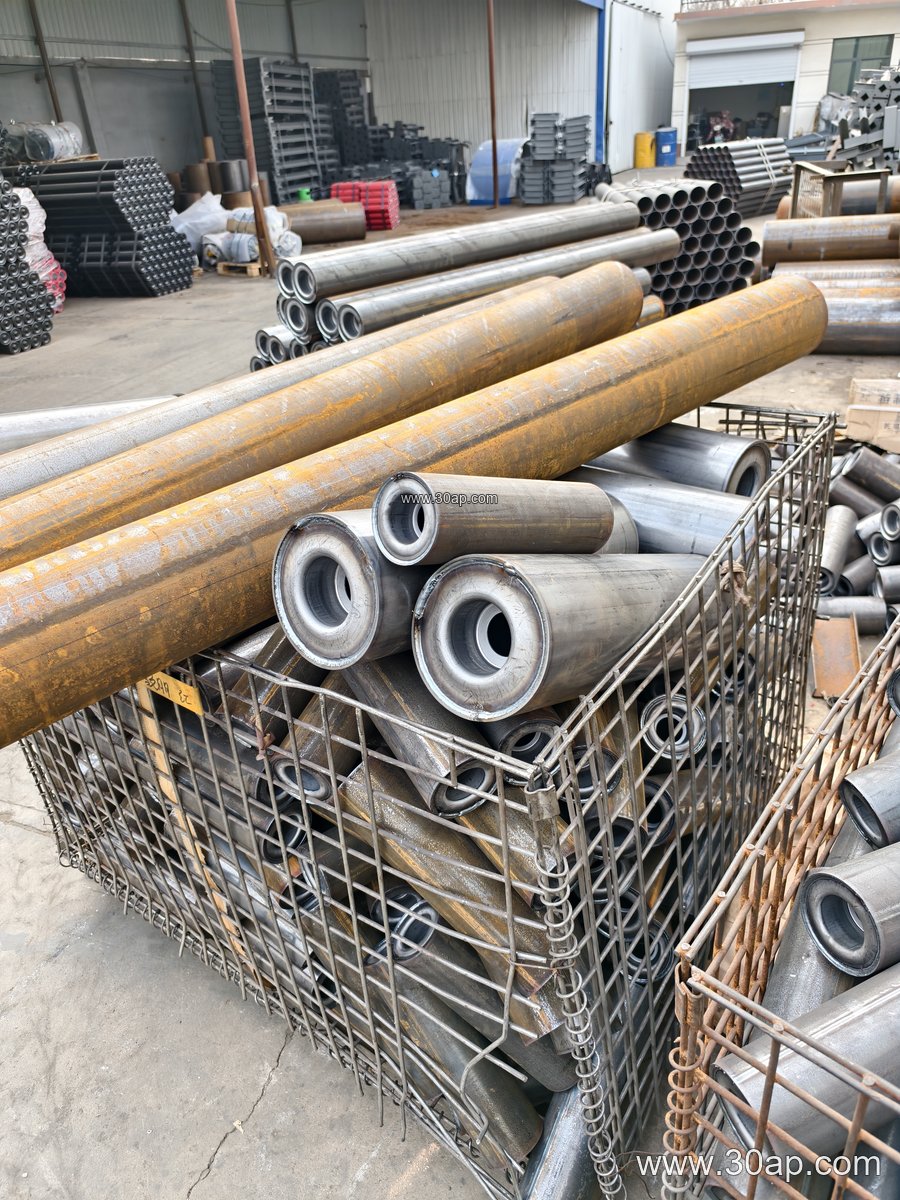
The shaft is not the same as a conveyor pulley shaft. Drive, tail, and bend pulleys are separate assemblies with their own shafts, and they are not interchangeable with idler shafts. A conveyor pulley transmits torque; an idler shaft only supports rotation. Keeping that distinction clear helps when ordering spares for a system that uses a heavy-duty mining conveyor belt alongside dozens of idlers.
Buyer Checklist
- Confirm shaft diameter, total length, and end machining against the bracket or frame
- Check bearing seat tolerance and retaining method
- Specify surface treatment for wet, dusty, or corrosive sites
- Match shaft stiffness to idler spacing and belt load, especially under an abrasion resistant conveyor belt carrying dense rock
- Ask for material certificates and dimensional inspection records where available
For a coal mining conveyor belt line or a limestone quarry transfer point, small differences in shaft quality show up over months of running. A straight, well-machined shaft keeps the idler roller turning freely, protects the belt edge, and reduces downtime. Buyers who treat the conveyor idler shaft as a wear part with real engineering value usually get longer idler life and steadier belt tracking. Visit www.beltconveyorparts.com for related conveyor components such as idler roller and conveyor bracket references.