What a Steel Cord Conveyor Belt Is
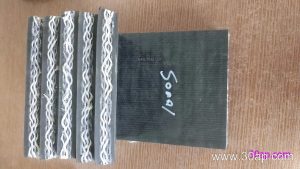
A steel cord conveyor belt is a heavy-duty rubber belt whose tension-carrying skeleton is made from parallel steel cords rather than woven fabric plies. Because the cords run longitudinally and carry the pull, the belt can span long distances, climb steep inclines and handle high tonnage with less stretch than fabric-reinforced constructions. In mining, cement, power and port terminals, this belt type is often the backbone of the main haulage line. Our steel cord belt range is listed at www.qdhuayue.com together with conveyor idler roller and conveyor pulley options for complete conveyor projects.
How the Belt Is Built
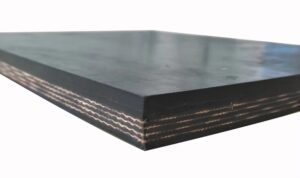
The construction is generally straightforward but demanding on process control. A layer of steel cords, each brass-plated for rubber adhesion, is sandwiched between top and bottom cover rubber. The core rubber must penetrate fully between the cords, and the covers protect the carcass from abrasion, impact, moisture and, in some cases, heat or oil. Cover thickness is usually specified as a top plus bottom figure, for example 6+2 mm or 8+3 mm, while the cord pitch and cord diameter are chosen by the belt designer. A steel cord belt is not simply a thicker rubber sheet; the cord layer governs tensile strength, elongation and splice design.
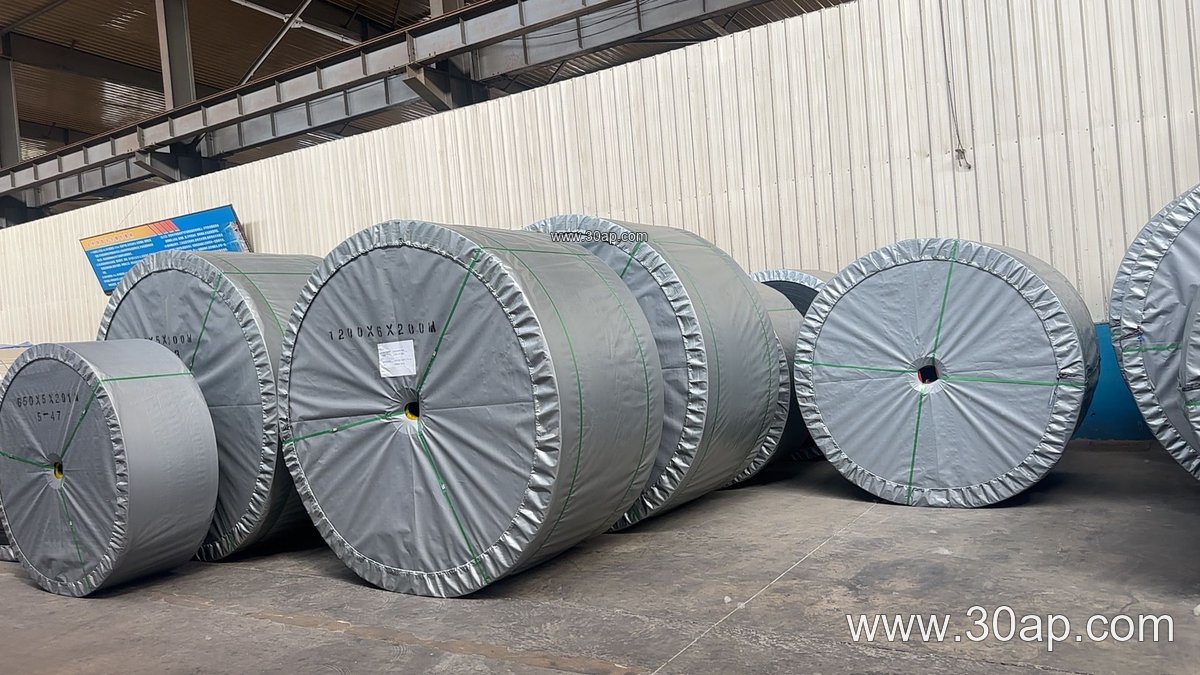
Typical Strength Grades and Dimensions
Steel cord belts are commonly identified by an ST number that reflects nominal tensile strength. The values below are reference grades, not universal supply promises; final selection depends on the conveyor profile, load and safety factor.
- ST1000, ST1250, ST1600, ST2000, ST2500, ST3150: common strength designations
- Belt widths: B800, B1000, B1200, B1400, B1600, B1800, B2000 are frequently requested
- Cover combinations: 4+2 mm, 5+2 mm, 6+2 mm, 8+3 mm, with other builds by agreement
- Cord pitch and cord diameter: set by the belt manufacturer according to the duty
The same ST grade may be produced in several widths and cover builds. A wider belt does not automatically fix a shaft diameter, and one belt width should never be treated as tied to one pulley diameter; the conveyor pulley, shaft and bearing assembly are calculated together with belt tension, wrap angle and service factor.
Where It Fits in the Plant
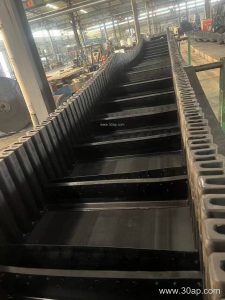
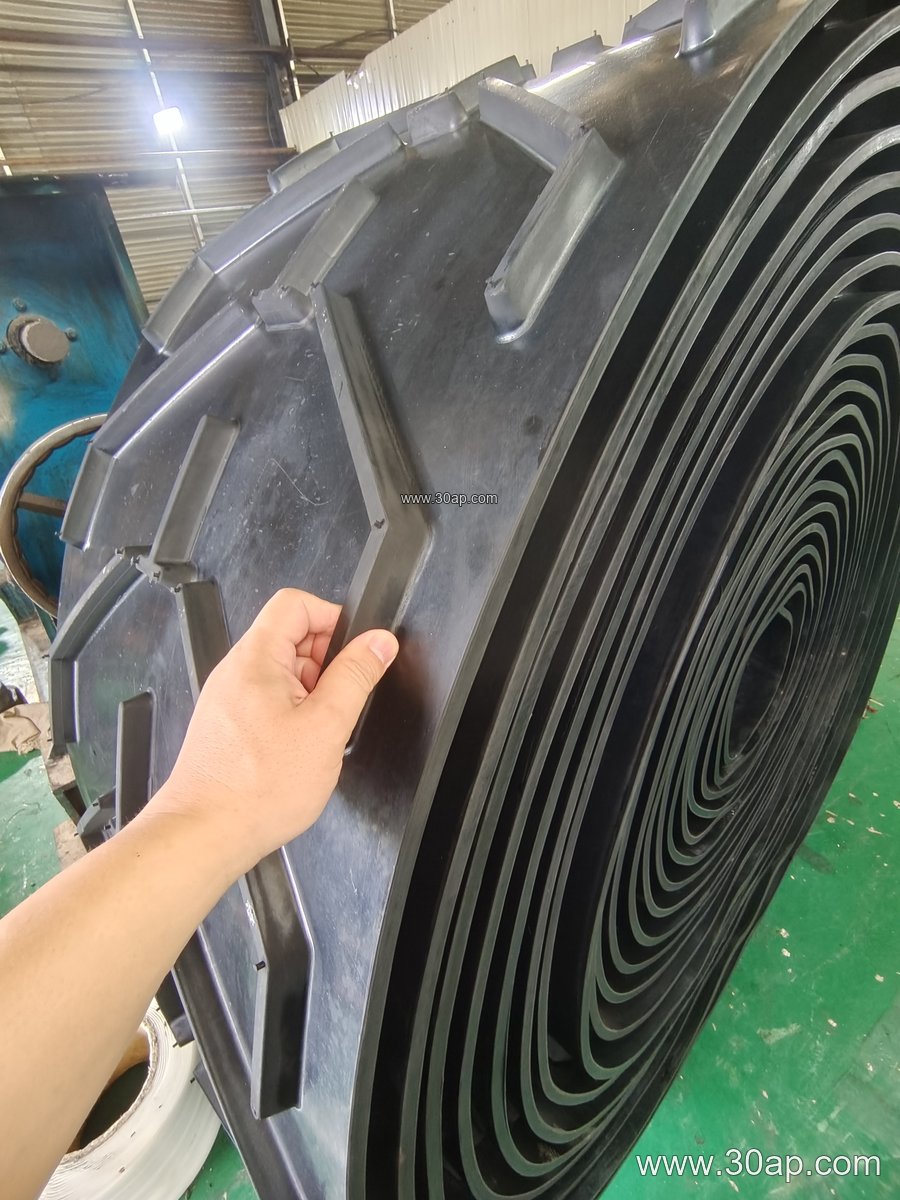
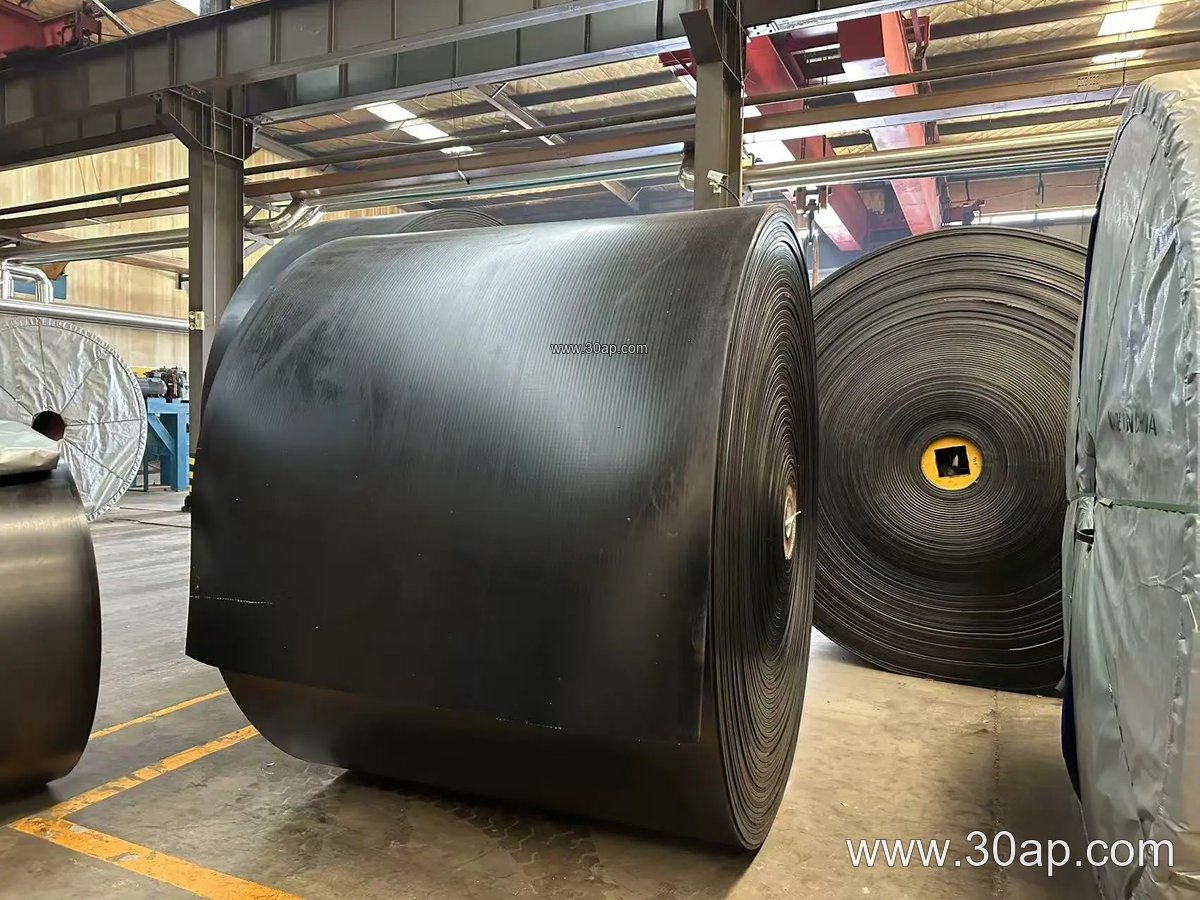
Steel cord belts are a natural choice for long overland lines, main incline haulage and high-capacity transfer points. You will see them in iron ore and copper ore handling, coal mining conveyor systems, quarry and aggregate plants, cement kilns and clinker lines, power plant coal yards, and ship loading conveyors at ports. In these duties the belt may be combined with a flame retardant conveyor belt specification for underground coal mining, or with heat resistant and abrasion resistant covers where the material is hot or sharp. For shorter, more flexible runs or smaller pulleys, an EP conveyor belt or NN conveyor belt with fabric core is often a more practical match, while a pipe conveyor belt or corrugated sidewall belt solves routing and spillage problems that a flat steel cord belt cannot.
Selection Points for Buyers
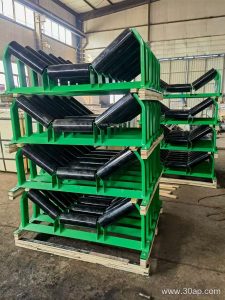
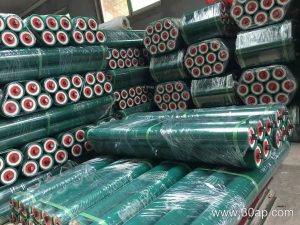
Start with the material: lump size, density, temperature, moisture and chemical exposure determine the cover compound and thickness. Then confirm the conveyor geometry, including horizontal length, lift, trough angle and the number of conveyor brackets and idler roller sets. The belt tension calculation decides the ST grade and the splice method, because steel cord belts are usually spliced with vulcanized finger joints that require skilled work and a suitable press. Check that the drive pulley, tail pulley and bend pulleys are sized for the belt’s minimum bend radius and that the take-up travel suits the belt’s low elongation. Ask for the cord construction, cover grade, edge condition and tolerances in writing. For dusty or underground installations, anti-static and fire resistant properties may be required; for cold climates, a cold resistant cover helps prevent cracking. The right specification is a balance of strength, cover life and splice reliability, not the highest ST number available.
Installation and Maintenance Notes
Alignment matters. A steel cord belt is stiff, so poor pulley alignment or a badly built chute can cause edge damage that is expensive to repair. Keep the conveyor pulley lagging in good condition, check idler roller rotation regularly and remove spillage before it builds up around the tail. Track belt elongation during the first weeks of service and adjust take-up accordingly. Store spare belt in a dry, shaded place and follow the maker’s splice procedure exactly; a weak joint will limit the whole conveyor regardless of the belt grade.