What a Waterproof Idler Is
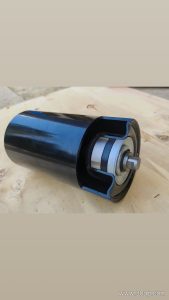
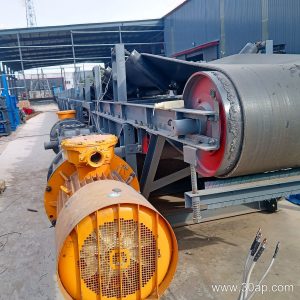
A waterproof idler is a carrying or return roller built to keep water, slurry and fine wet dust away from its bearing cavity. On a standard idler roller, the seal is mainly a dust guard. On a waterproof idler, the sealing arrangement, grease fill and surface treatment are chosen so that the roller can keep turning after repeated exposure to spray, condensation or process water. The product is still an idler roller, not a pulley: it supports the conveyor belt, while the drive, tail and bend pulleys handle traction and direction change and are not interchangeable with it.
Waterproofing matters most where belts run wet for long periods. A washdown line in a food or fertilizer plant, a dewatering section in a sand and gravel plant, or a tunnel spoil conveyor that sees seepage all put water where a conventional idler does not expect it.
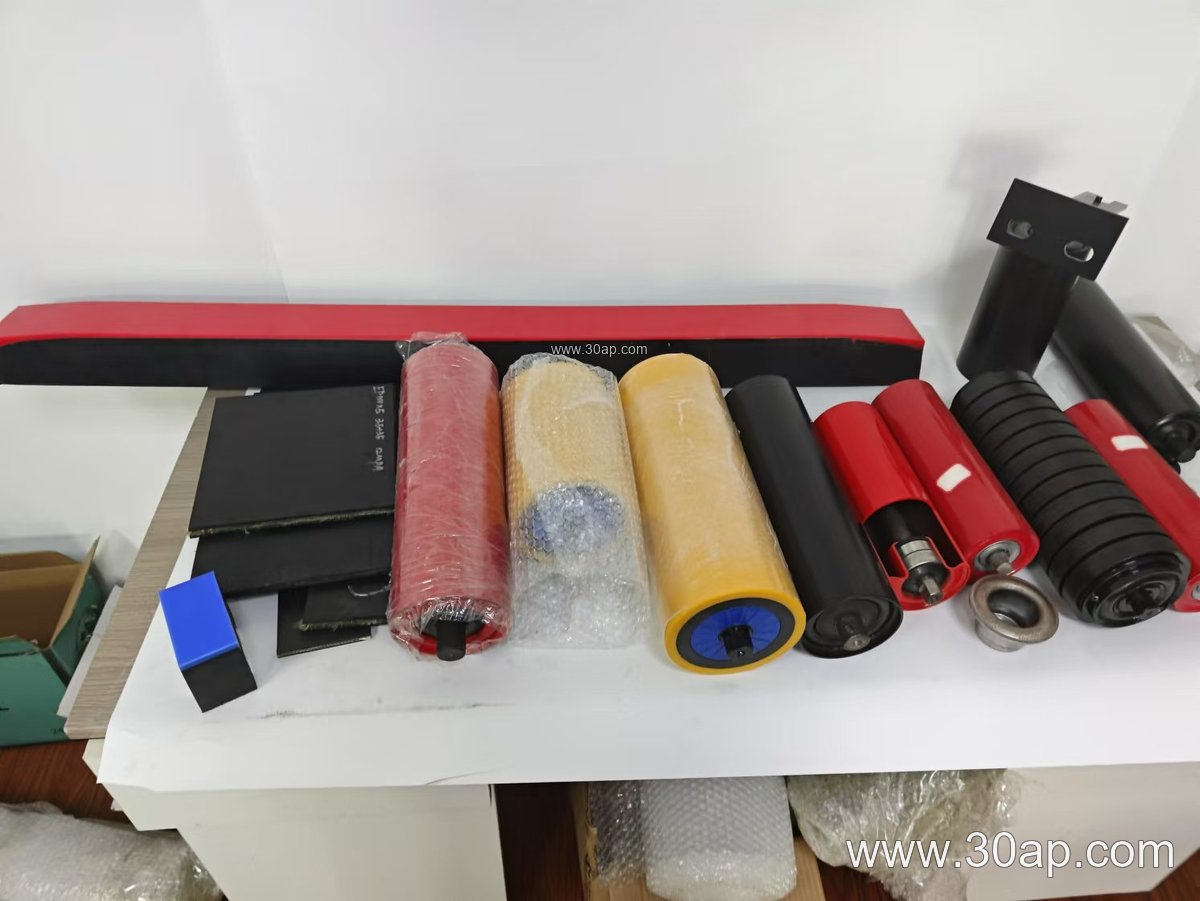
How the Waterproof Design Works
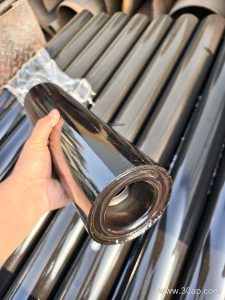
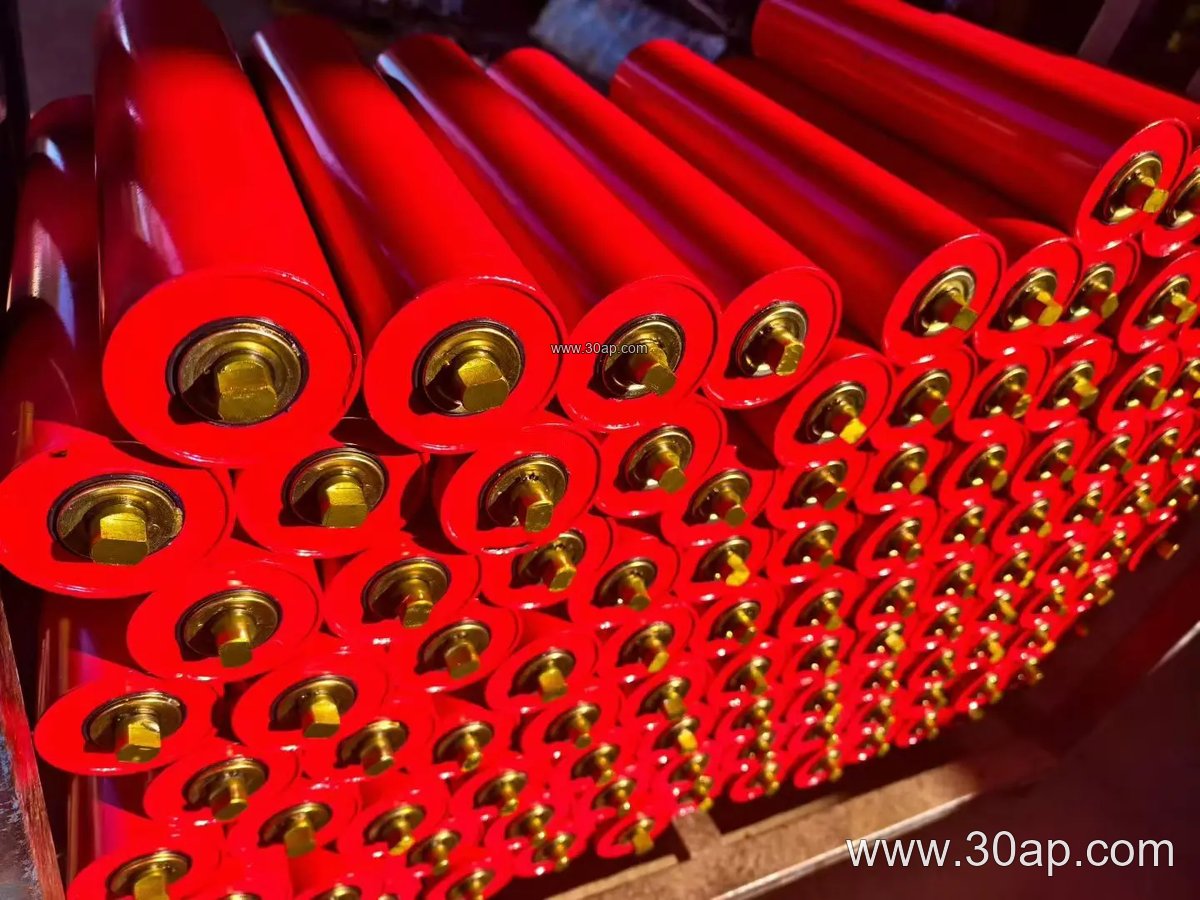
The difference sits mostly at the two ends of the roller. A typical construction uses a labyrinth seal combined with a lip or contact seal, packed with water-resistant grease. Some designs add a protective end cap or a sealed bearing cover so that direct spray cannot reach the bearing. The tube itself is usually painted, galvanized or coated to limit corrosion on the outer surface.
Bearing choice follows load and speed rather than the waterproof label alone. Common bearing numbers on idlers include 6204, 6205, 6305, 6306, 6308 and 6310, and the same bearing size may appear on rollers of different diameters. Buyers should confirm the seal grade and grease type rather than assume that any sealed bearing is suitable for continuous wet duty.
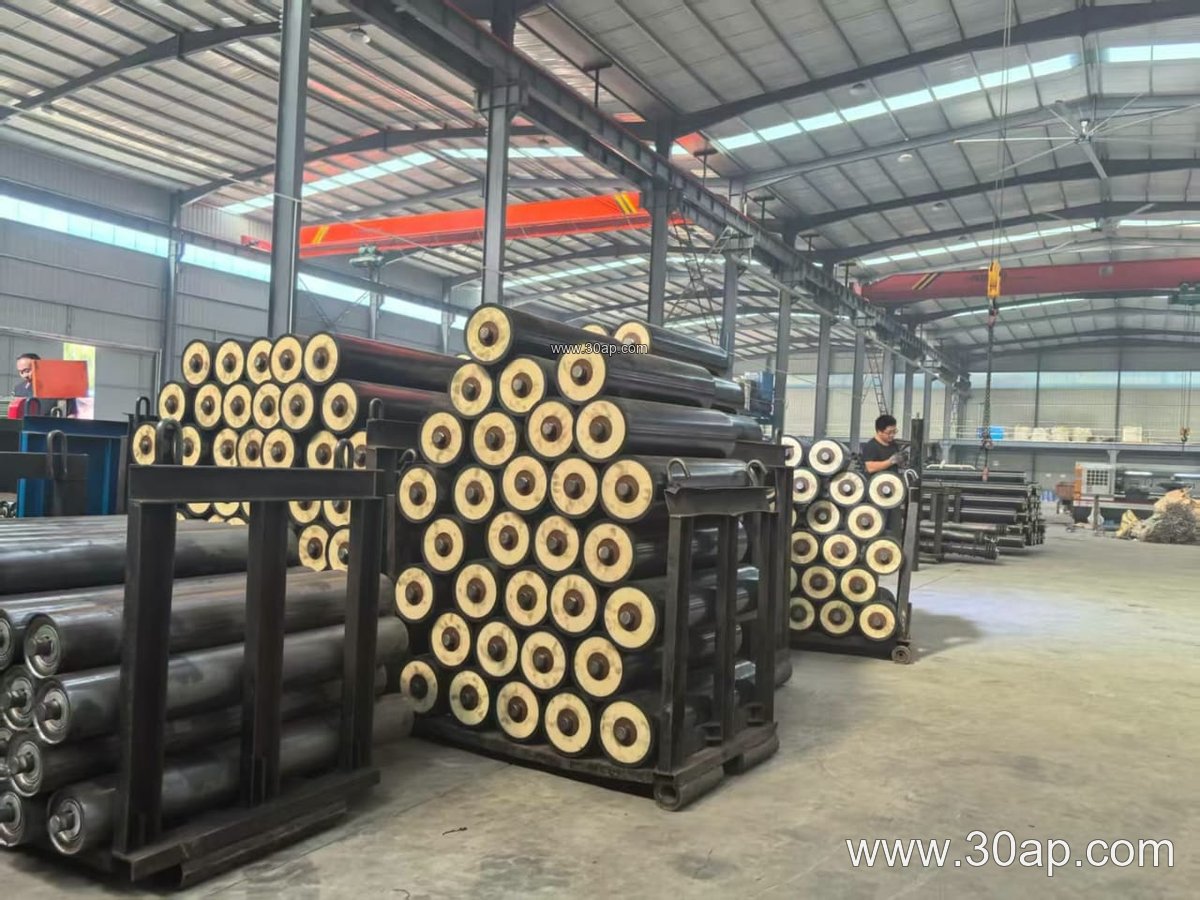
Where It Fits on the Conveyor
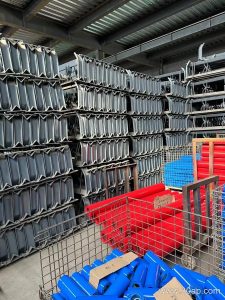
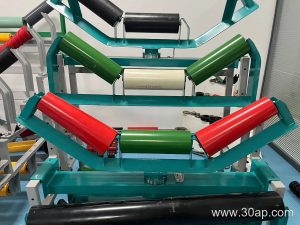
A waterproof idler can be supplied in the same group forms as a standard roller: single-roller, two-roller and three-roller troughing sets, plus return rollers, V-return rollers and impact rollers for load points. Trough angles are commonly 20, 30, 35 or 45 degrees. Where belt training is a concern in wet conditions, a self-aligning or friction self-aligning roller may be considered, but it is a separate function from waterproofing and should not be confused with it.
Roller diameter is usually selected from 63, 76, 89, 102, 108, 127, 133, 159, 178, 194 or 219 mm, and roller length follows belt width, trough angle and group form. Typical three-roller troughing examples are around 200 mm roller length at B500, 250 mm at B650, 315 mm at B800, 380 mm at B1000, 465 mm at B1200, 530 mm at B1400, 600 mm at B1600, 670 mm at B1800 and 750 mm at B2000. These are reference examples, not fixed pairings, and side rollers and centre rollers can differ.
| Item | Common Range or Example | Note |
|---|---|---|
| Roller diameter | 63 to 219 mm | Selected by load, belt speed and belt width |
| Belt width | B400 to B2400 | Roller length varies with group form |
| Trough angle | 20, 30, 35, 45 degrees | Affects material cross-section |
| Roller surface | Steel tube, nylon, ceramic, rubber ring | Rubber ring common at impact points |
| Bearing | 6204, 6205, 6305, 6306, 6308, 6310 | Confirm seal and grease for wet duty |
Applications in Wet and Dusty Industries
In a coal preparation plant or a power plant coal handling system, washdown and spray suppression put moisture on the return strand, so a waterproof return idler is often more useful than a premium dry-duty roller. In a sand and gravel line, the fines that stick to a wet belt also stick to rollers, and a smooth sealed end helps prevent wrap build-up. In a cement plant, water used for dust control can reach the idler frame, and a waterproof design paired with a suitable conveyor bracket reduces the chance of a seized roller scoring the belt.
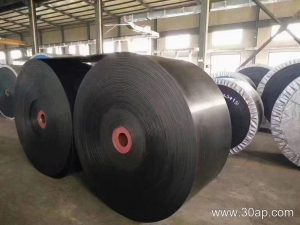
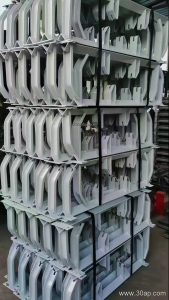
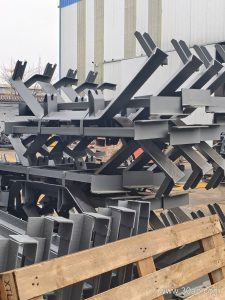
The idler does not work alone. It runs under a rubber conveyor belt, an EP conveyor belt or a steel cord conveyor belt depending on tension and distance, and it sits in a frame fixed by the conveyor bracket. On a heavy-duty mining conveyor belt carrying ore, the waterproof feature should be matched to the actual water exposure rather than added as a blanket specification.
Buyer Checklist
- Describe the water source: spray, washdown, seepage, condensation or full immersion. Each calls for a different seal approach.
- Confirm roller diameter, roller length, trough angle and group form together, not one at a time.
- State the belt width and the belt type, since an abrasion resistant conveyor belt and a heat resistant conveyor belt impose different loads on the same roller.
- Ask about bearing number, seal type, grease and end-cap material in writing.
- Check that the roller surface treatment suits the local corrosion level, especially in coastal ports or fertilizer plants.
- Plan inspection intervals; a waterproof idler still needs periodic checks for seal wear and grease loss.
For a wet line, the practical goal is simple: keep the bearing dry and the roller turning. A correctly specified waterproof idler supports that goal, while the drive pulley, tail pulley and bend pulley continue to do their own separate jobs.