What a Stone Conveyor Pulley Does
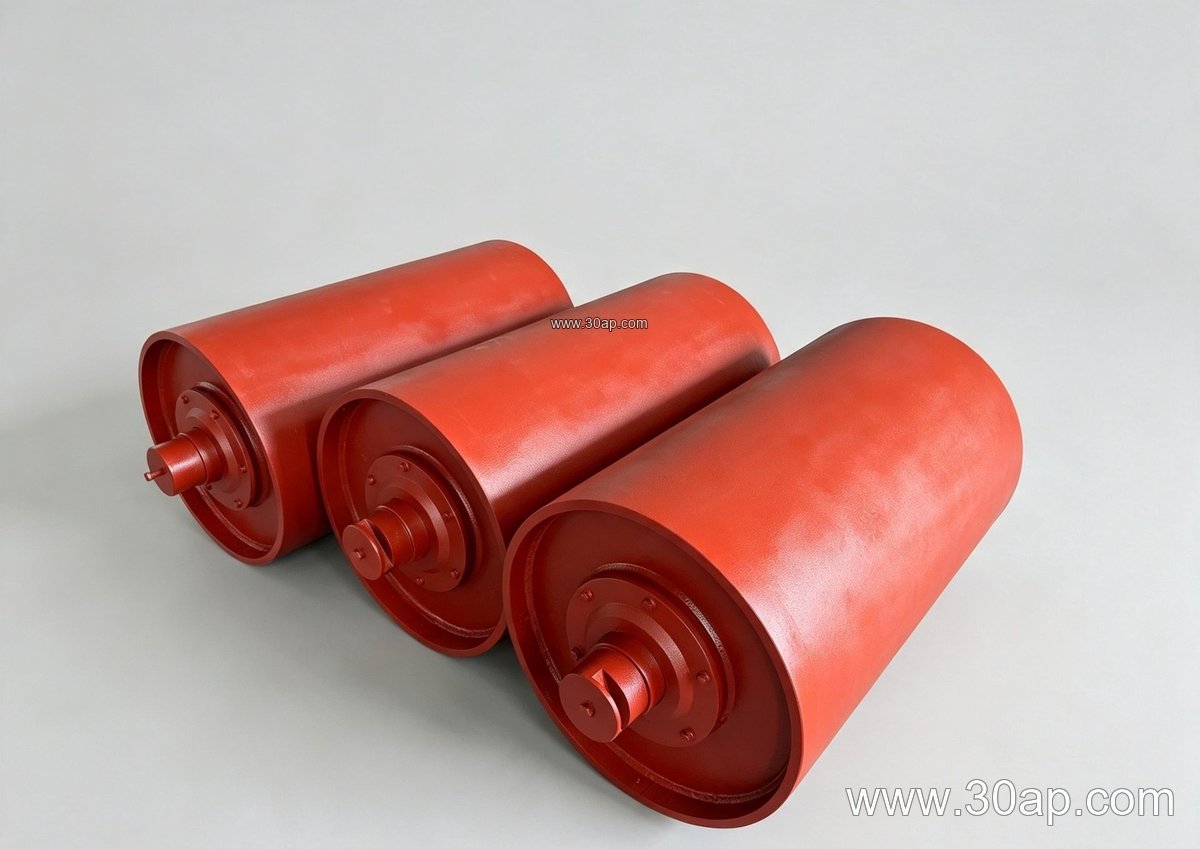
A stone conveyor pulley is the rotating drum that carries, drives, or redirects the conveyor belt on a stone handling conveyor. In a quarry or aggregate line, the pulley is often the component that decides whether the belt tracks cleanly, whether the drive transmits torque without slip, and whether the whole conveyor survives the constant load of rock, gravel, and dust. The name is used broadly, but the pulley is always a drum with a shaft, bearings, and a shell surface, and it is selected for its position in the conveyor rather than for a single universal specification.
Because stone is heavy and abrasive, the pulley shell, lagging, and shaft must be matched to the duty. A light pulley from a general conveyor will not last long under a steady stream of crushed rock. Buyers should treat the stone conveyor pulley as an engineered part, not as an accessory.
How the Drum Is Built
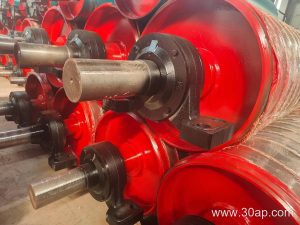
The core of the pulley is the shell, usually a rolled steel cylinder welded to end discs. The shaft passes through the discs and is supported by bearing housings mounted on a conveyor bracket or frame. The shell diameter and face width are chosen together with the belt width, so the drum face is normally a little wider than the belt. For example, a B800 belt is commonly matched with a pulley face around 950 mm, and a B1200 belt with a face near 1400 mm. These are reference proportions, not fixed rules, and the final face width is set by the conveyor designer.
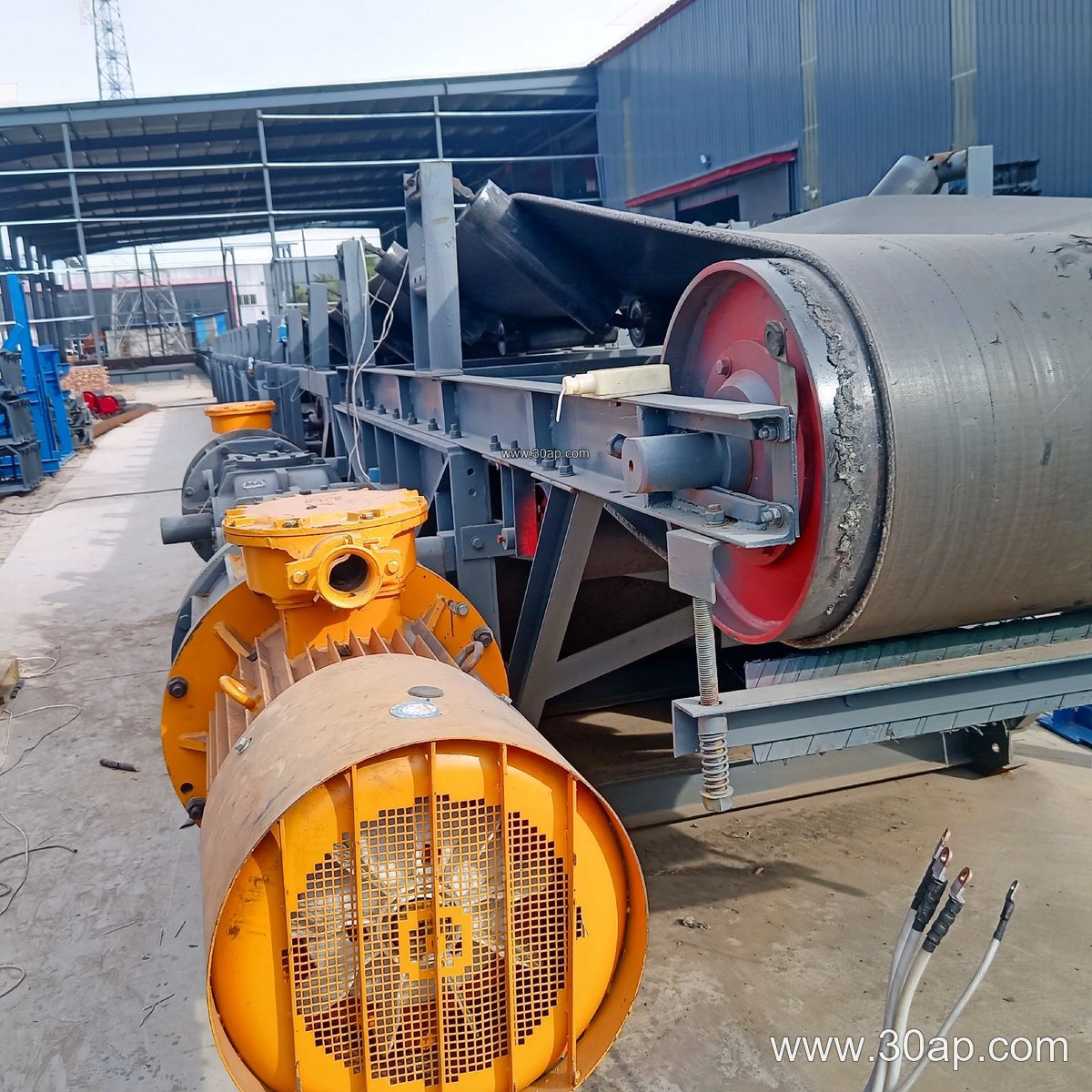
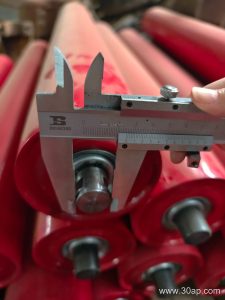
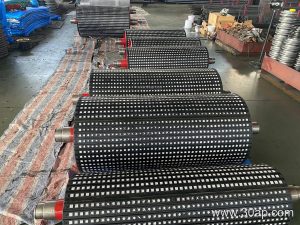
Surface treatment is a major part of the build. Plain shells are used where slip is not a concern. For driving positions, lagging is common, including cold-bonded rubber, hot-vulcanized rubber, diamond groove, herringbone, and ceramic lagging. Lagging thickness commonly falls in the 8 to 20 mm range depending on the application. The shaft diameter is determined by torque and load, with common sizes such as Ø80, Ø100, Ø120, and Ø140 mm, but a shaft size should never be assumed from belt width alone.
Positions on the Stone Conveyor
The job of the pulley changes with its location. A drive pulley at the head transmits power to the belt. A tail pulley at the loading end turns the belt back and often carries the impact of stone falling onto the belt. A bend pulley changes belt direction, and a take-up pulley maintains tension. These are different duties, and they are not interchangeable. A tail pulley, for instance, may need a larger diameter and heavier bearings than a small bend pulley on the same conveyor.
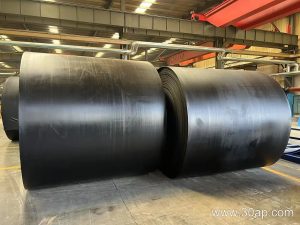
In a crushing and screening plant, the head and tail positions see the most wear. In a cement plant or a power plant coal yard, dust and fines add another load. A stone conveyor pulley with proper lagging helps keep the belt centered and reduces the chance of material spillage at transfer points. Matching the pulley to a heavy-duty abrasion resistant conveyor belt, or to an EP conveyor belt on a medium-duty line, is part of the same design decision.
Common Reference Sizes
The table below gives typical combinations used in stone and aggregate conveyors. Values are references only; a conveyor may use a different diameter for the same belt width depending on speed, tonnage, and take-up travel.
| Belt width | Typical pulley face | Common diameter range | Typical position |
|---|---|---|---|
| B500 | about 600 mm | Ø250 to Ø400 | tail or bend |
| B650 | about 750 mm | Ø315 to Ø500 | tail or drive |
| B800 | about 950 mm | Ø400 to Ø630 | head drive |
| B1000 | about 1150 mm | Ø500 to Ø800 | head drive |
| B1200 | about 1400 mm | Ø630 to Ø1000 | head drive |
| B1400 | about 1600 mm | Ø800 to Ø1250 | main drive |
| B1600 | about 1800 mm | Ø1000 to Ø1400 | main drive |
Larger drums are also made for wide belts, up to B2400 and beyond, with diameters such as Ø1600 and Ø1800. On a long overland or ship loading conveyor, a stone conveyor pulley may be paired with a steel cord conveyor belt, while a shorter yard conveyor might use a multi-ply fabric core belt. The pulley selection should follow the belt, not the other way around.
What Buyers Should Check
- Confirm the pulley position: drive, tail, bend, or take-up. Each has a different load profile.
- Match the face width to the belt, and confirm the shaft diameter from the calculated torque.
- Choose lagging for the material: diamond or herringbone for wet and dusty stone, ceramic for high abrasion.
- Check bearing size and sealing for dust, especially in a quarry or crushing circuit.
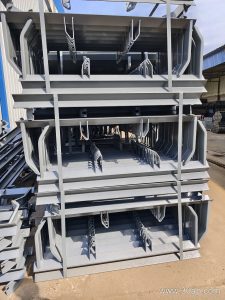
- Verify the conveyor bracket and bearing housing dimensions before ordering.
- Ask how the pulley will be balanced and inspected before shipment.
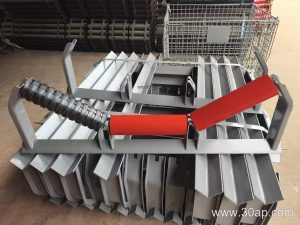
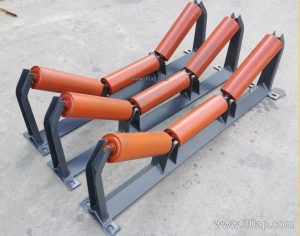
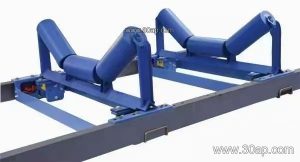
A well-chosen stone conveyor pulley, paired with the right conveyor belt and idler roller set, keeps a stone line running with fewer stoppages. For more on matching drums to belts, see the pulley and conveyor belt guidance at stone conveyor pulley and the belt options at conveyor belt.