What the EP800 Conveyor Belt Is
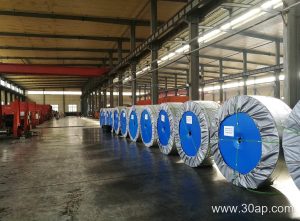
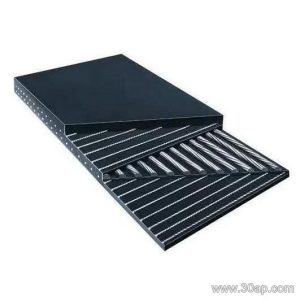
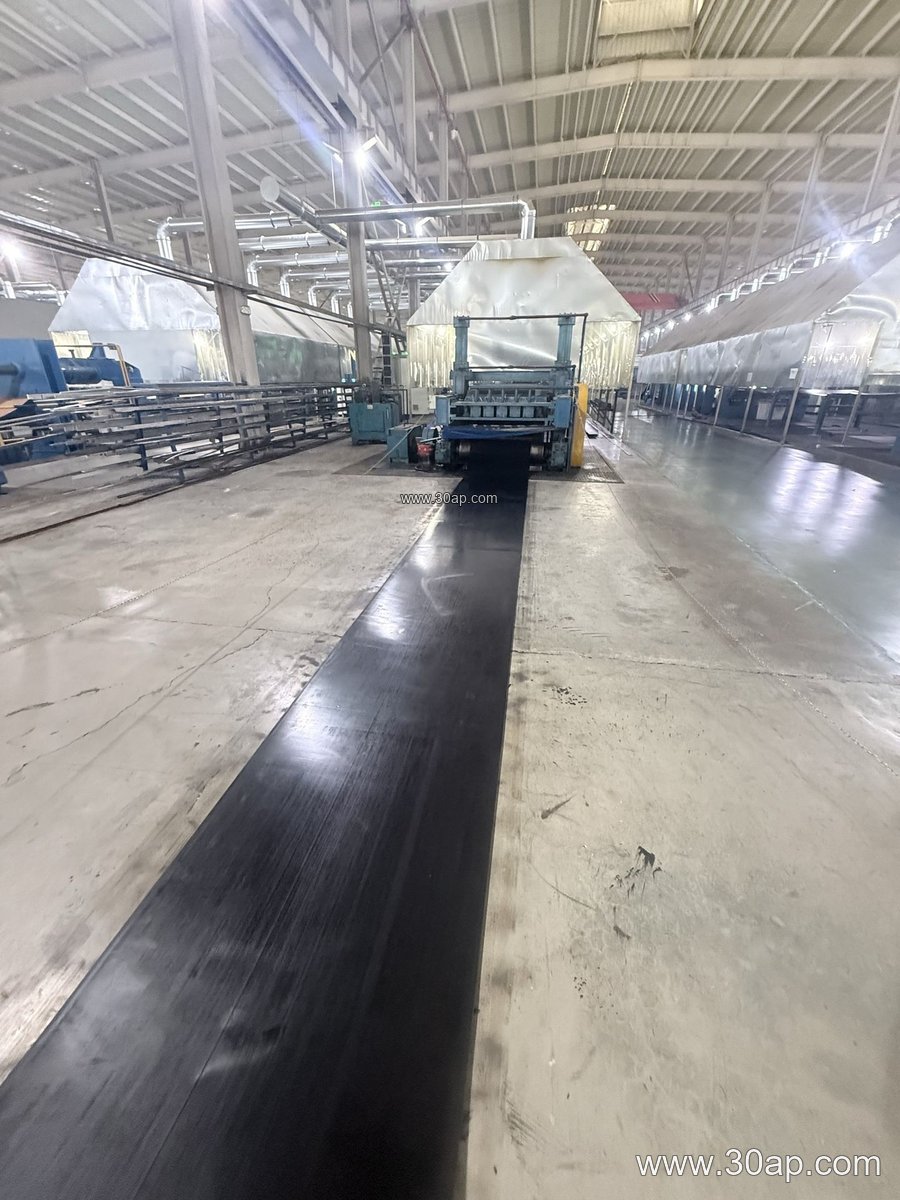
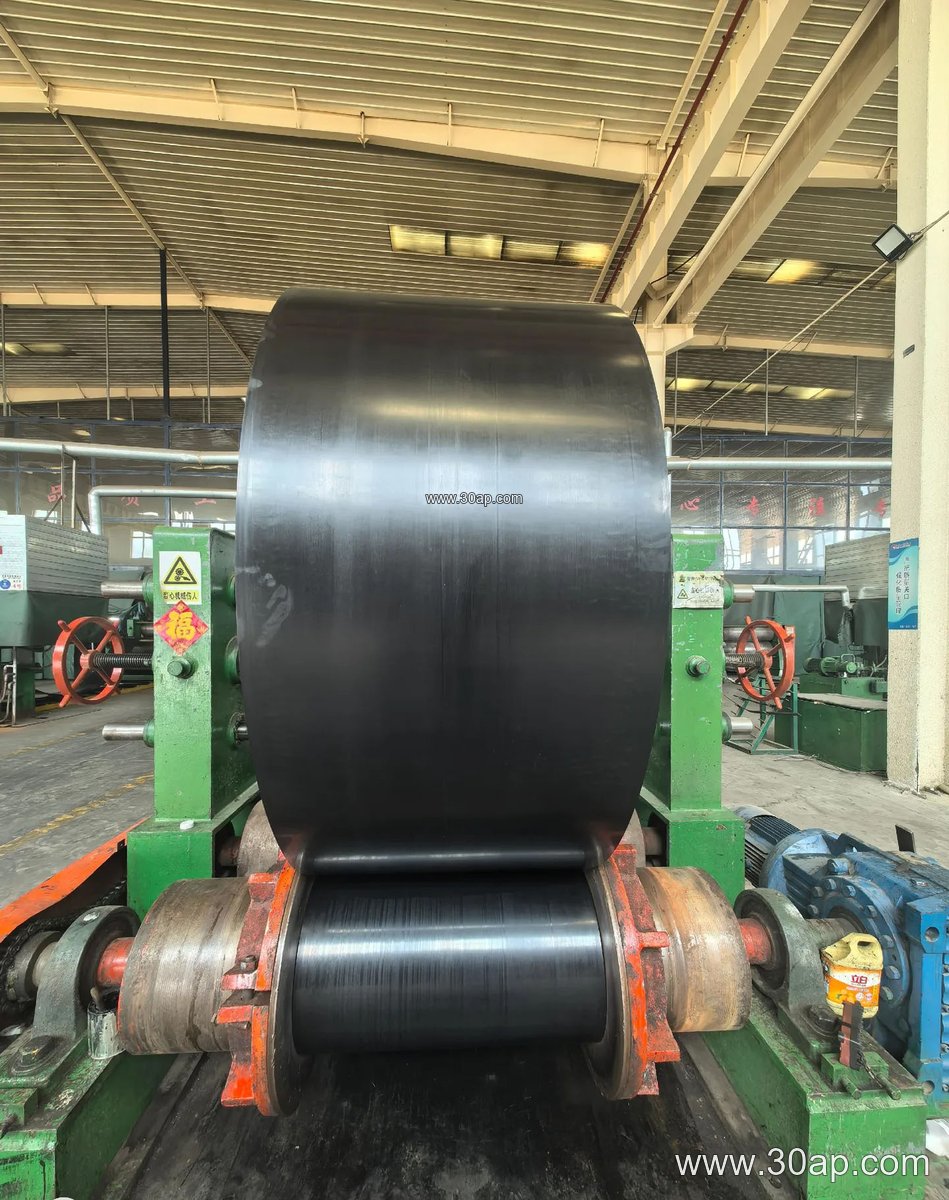
The EP800 Conveyor Belt is a fabric-core rubber belt built around polyester-polyamide (EP) carcass plies. The number 800 refers to the nominal tensile strength of the carcass, commonly expressed as 800 N/mm per ply, so the belt sits in the upper-middle range of EP constructions. It is a heavy-duty option for moving crushed rock, ore, clinker and other abrasive bulk materials over long runs. Buyers often search for this product as an EP800 rubber conveyor belt or an EP800 fabric core conveyor belt, and all three descriptions point to the same product family.
EP carcass fabric combines low elongation with good resistance to moisture and fatigue. Compared with an NN conveyor belt, an EP conveyor belt tends to hold its length better under sustained load, which matters on long inclined routes where take-up travel is limited. A steel cord conveyor belt offers higher strength in very long or high-tension systems, but the EP800 construction remains a practical, widely used choice for many plant and quarry conveyors.
Construction and Typical Build
The belt is usually made with two to six EP plies, skims between plies, and rubber covers on the carrying and pulley sides. Cover grade and thickness are selected for the duty. Common cover combinations include 4+2 mm, 5+2 mm, 6+2 mm and 8+3 mm, with the first figure being the top cover thickness and the second the bottom cover. These are reference values, not fixed rules, and the final build should follow the conveyor design.
| Item | Typical reference range |
|---|---|
| Carcass type | EP fabric plies, 2 to 6 plies |
| Nominal strength | EP800 |
| Belt width | B650, B800, B1000, B1200, B1400, B1600 |
| Cover thickness | 4+2, 5+2, 6+2, 8+3 mm |
| Cover grades | Abrasion resistant, heat resistant, flame retardant, oil resistant |
For dusty or hazardous locations, a flame retardant conveyor belt or anti-static conveyor belt build may be specified. In cement plants and power plants, a heat resistant conveyor belt grade is often requested where clinker or hot material is handled. These grades change the rubber compound, not the EP800 carcass designation.
Where It Fits in the Plant
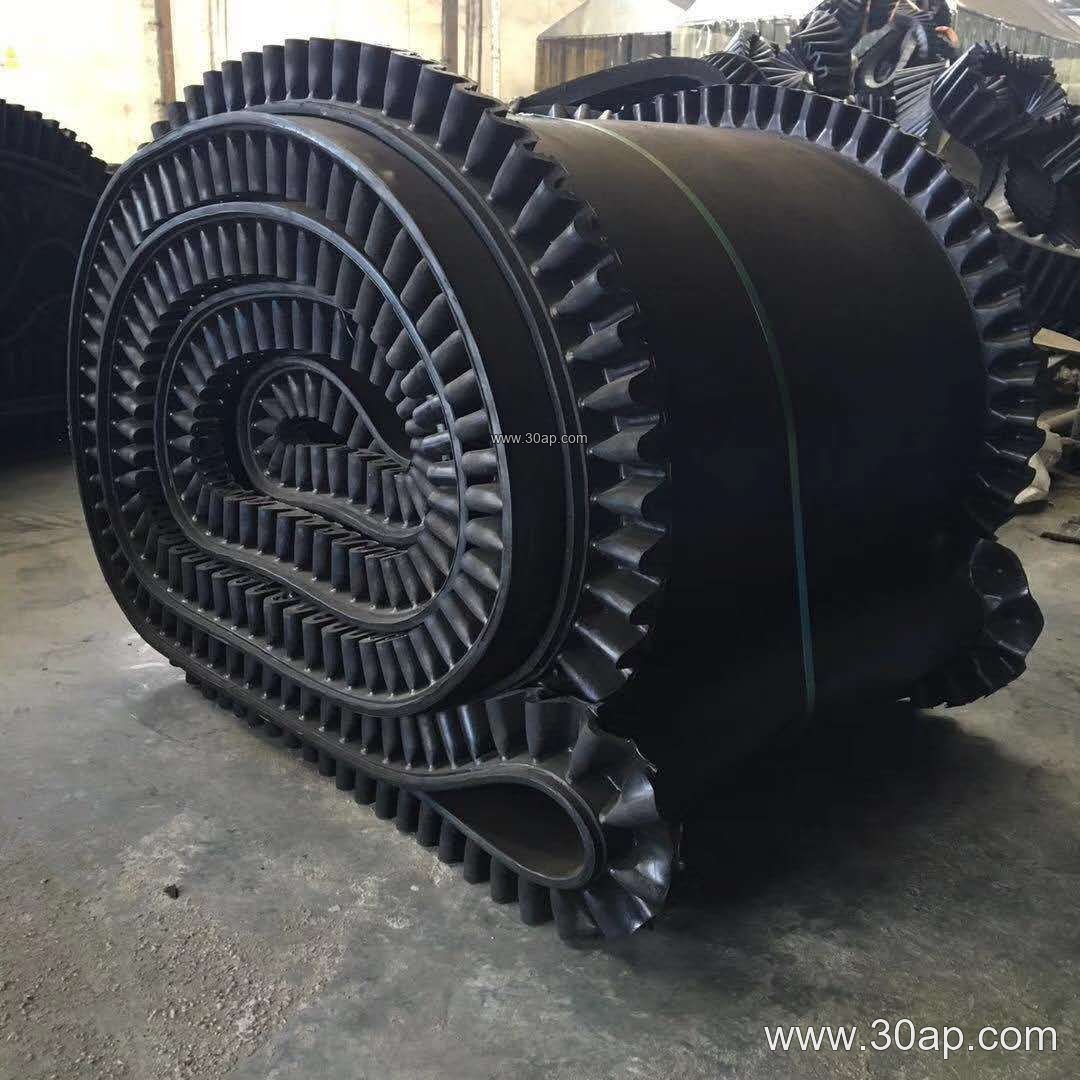
The EP800 Conveyor Belt is at home in mines, quarries, sand and gravel plants, cement works, power stations and steel plants. It suits primary and secondary crushing circuits, stockpile feed lines, transfer conveyors and ship loading systems. In a coal mining conveyor belt application, flame retardant and anti-static properties are frequently required by site rules; in a quarry conveyor belt or aggregate conveyor belt line, abrasion resistance usually drives the cover choice.
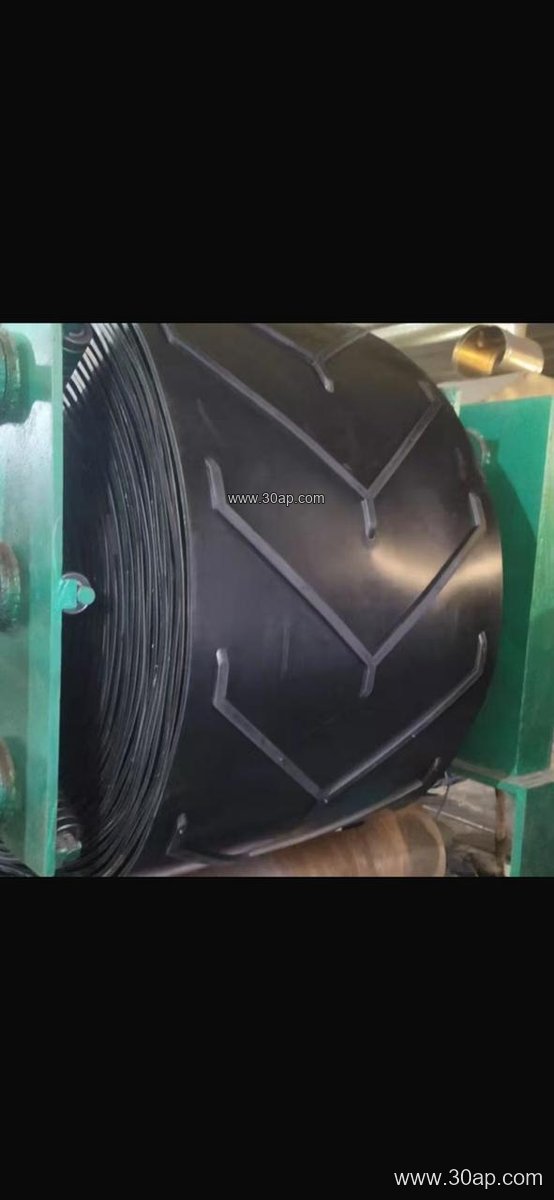
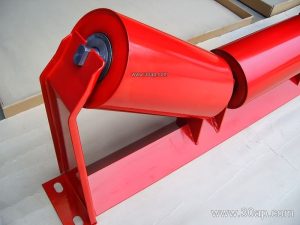
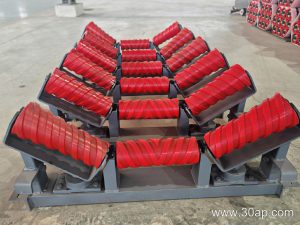
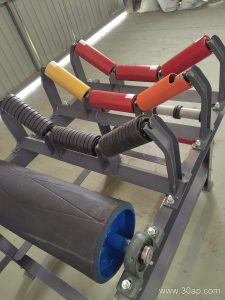
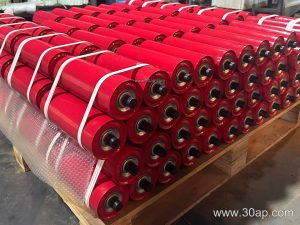
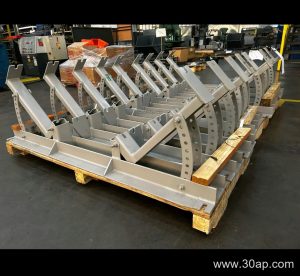
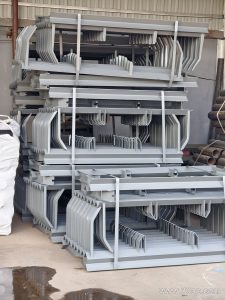
The belt works with standard conveyor hardware. A conveyor pulley at the head and tail transfers drive force and maintains tension, idler roller sets support the loaded strand, and conveyor bracket assemblies hold the idlers and pulleys in alignment. Belt width and pulley diameter are matched by the conveyor designer, not by a single fixed rule, so a 1000mm belt may run on different pulley sizes depending on tension and wrap angle.
Selection Points for Buyers
- Confirm the required tensile grade and number of plies with the conveyor calculation, not by habit.
- Match cover grade to the material: abrasive rock calls for abrasion resistant conveyor belt covers; hot clinker calls for heat resistant grades.
- State the belt width, cover thickness and any flame retardant or anti-static requirement clearly in the inquiry.
- Check whether an endless conveyor belt splice is preferred or whether mechanical fasteners will be used.
- Consider impact resistant conveyor belt construction at transfer points with large lump sizes.
For similar duties at lower tension, EP630 or EP1000 grades may be compared during design. The final choice should come from the conveyor engineer, supported by the belt supplier’s data for the specific construction.
Installation and Maintenance Notes
Correct alignment of the conveyor pulley, idler roller and conveyor bracket reduces edge wear and tracking problems. Keep the belt tension within the design range, inspect splices regularly, and remove spillage that can press against the return strand. Store spare belts in a dry, shaded place and avoid sharp folds. With sensible care, an EP800 belt can give long service in tough mining, cement and quarry environments.