What a Gold Mining Conveyor Belt Does
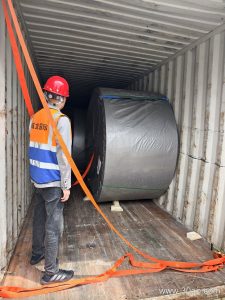
A Gold Mining Conveyor Belt is the load-carrying element of a continuous haulage system that moves crushed ore, tailings, and waste rock between the pit, stockpile, mill, and leach pad. In a gold operation the belt may travel over long distances and handle sharp, abrasive material, so the cover compound, carcass strength, and splice quality all matter. The same widely used product is often described simply as an ore conveyor belt, and buyers may also see it listed as a heavy-duty mining conveyor belt when the duty is severe.
Gold circuits differ from coal or cement lines in one important way: the rock is often hard, angular, and heavy. That pushes the specification toward abrasion resistance and impact tolerance rather than flame resistance alone. A rubber conveyor belt with a tough top cover usually forms the working surface, while the carcass underneath carries the tension.
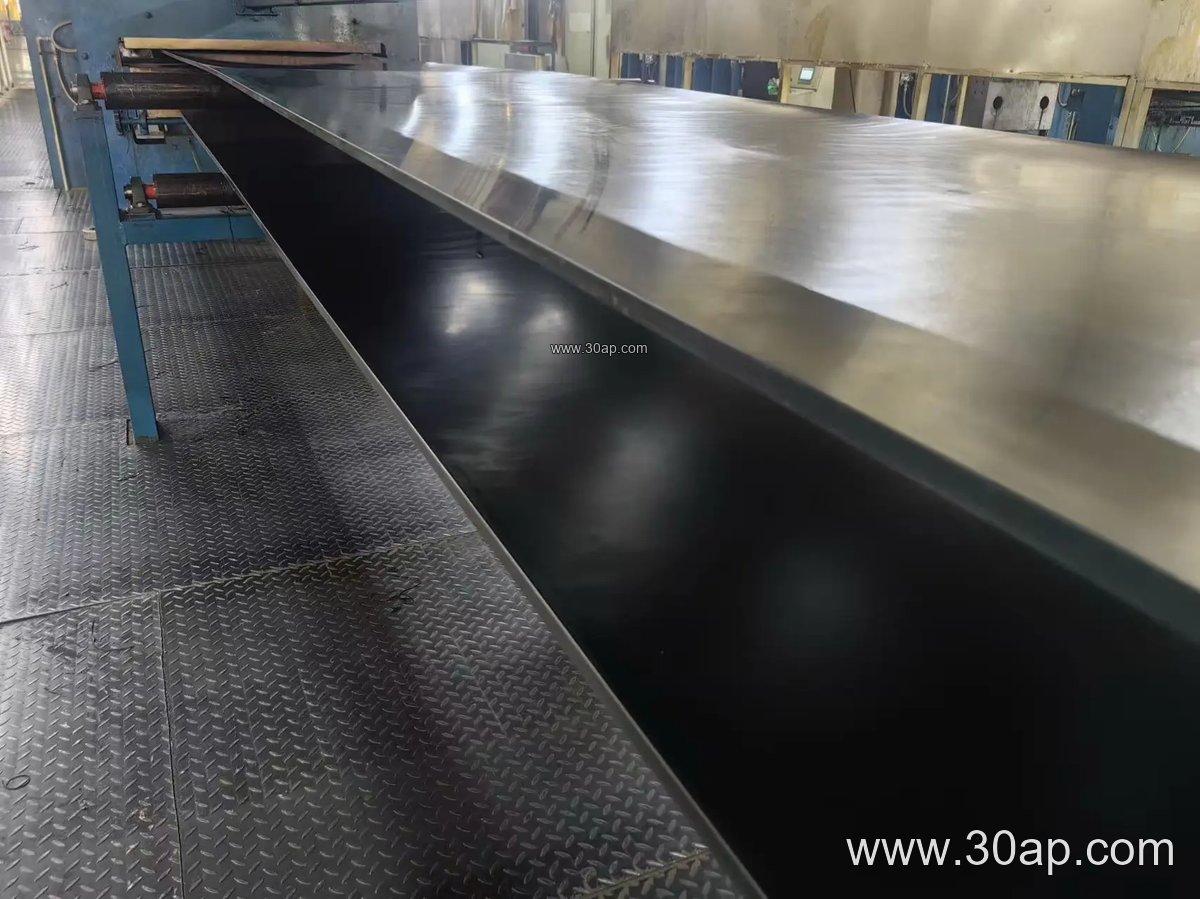
Construction and Carcass Options
The belt is built from a tension-bearing carcass, top and bottom covers, and edges. Common carcass families include EP (polyester-cotton) fabric, NN nylon fabric, and steel cord. Multi-ply fabric core conveyor belt designs are common for moderate tensions, while steel cord conveyor belt construction suits long, high-tension routes. A fabric core conveyor belt with two to six plies is typical for plant and stockyard conveyors.
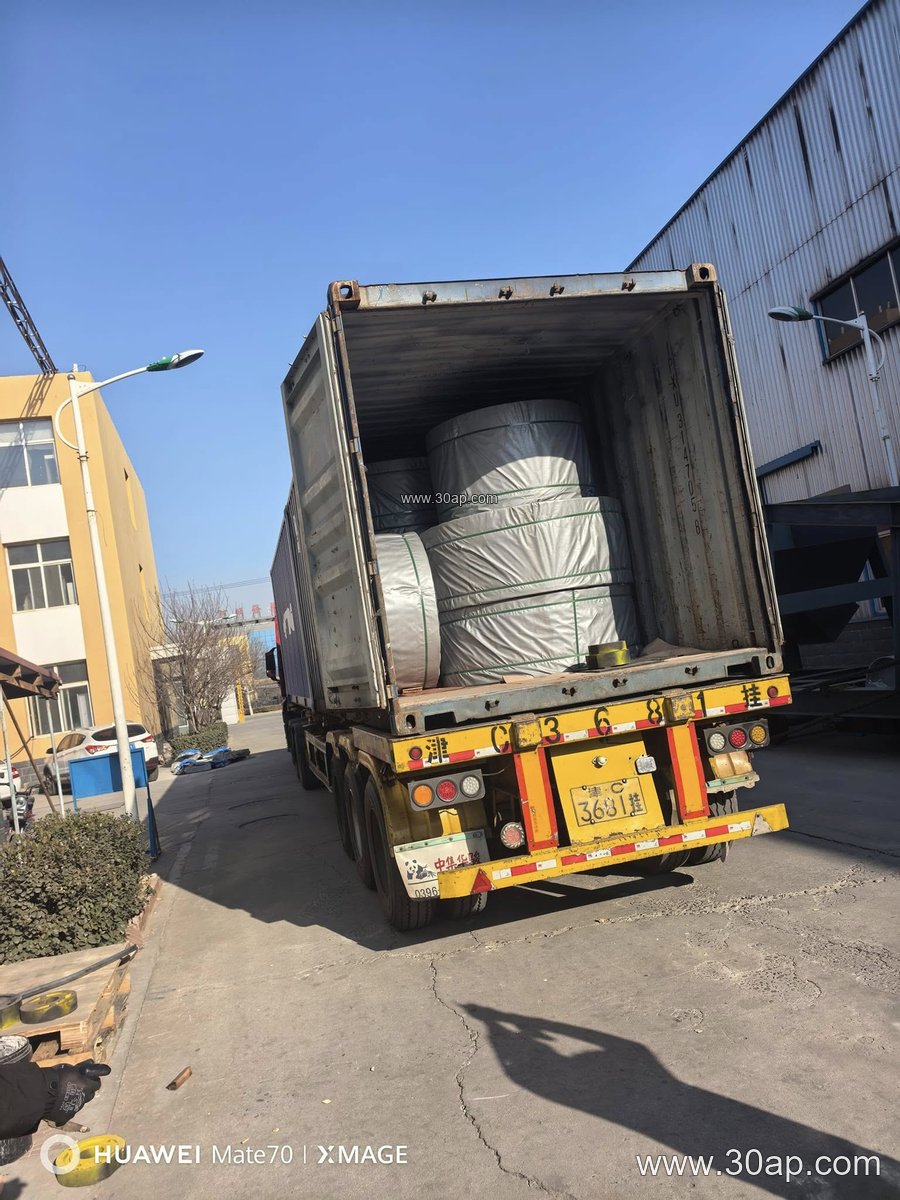
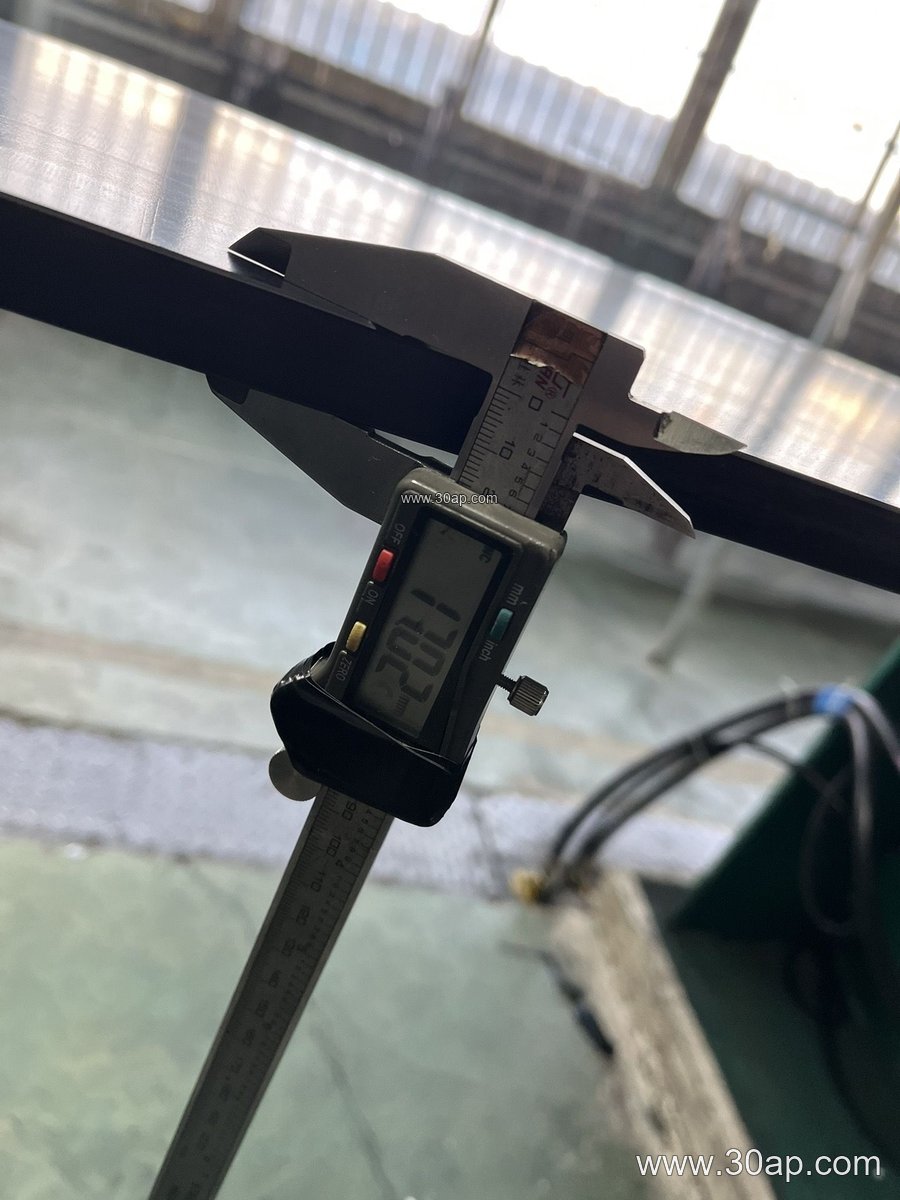
Cover thickness is usually given as top plus bottom, for example 4+2 mm, 5+2 mm, 6+2 mm, or 8+3 mm. Abrasion resistant conveyor belt grades help where ore is sharp; heat resistant conveyor belt grades matter near dryers or kilns; oil resistant conveyor belt grades help with lubricated or oily loads. In dusty gold plants an anti-static conveyor belt may also be requested.
| Property | Common reference values |
|---|---|
| Carcass type | EP, NN, steel cord |
| EP strength grades | EP200, EP315, EP400, EP500, EP630, EP800, EP1000, EP1250 |
| Belt width | B500, B650, B800, B1000, B1200, B1400, B1600, B1800, B2000 |
| Cover thickness | 3+1.5, 4+2, 5+2, 6+2, 8+3 mm |
| Ply count | 2 to 6 layers |
These figures are reference data, not a universal specification. Final values are set by the conveyor design, the material lump size, and the duty cycle.
Where It Fits in a Gold Plant
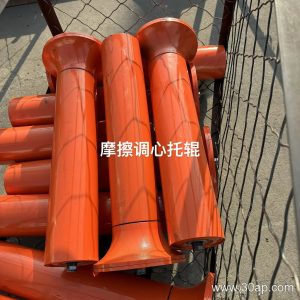
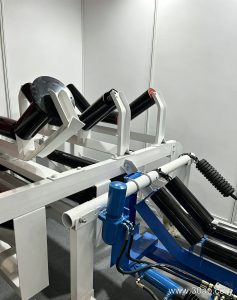
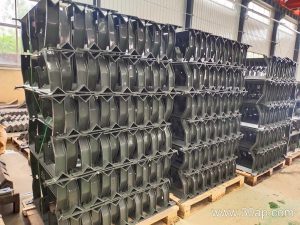
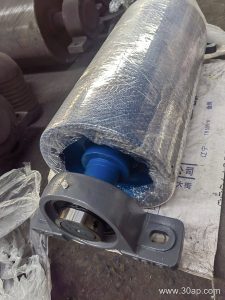
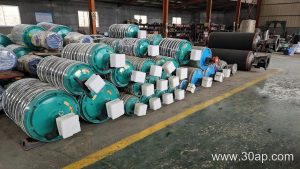
The belt links the primary crusher, screen house, mill feed, and tailings handling. A crusher conveyor belt must absorb impact at the transfer point, so impact idler roller sets and cushioning are often used under the loading zone. A conveyor pulley at the drive and tail ends transfers motion, and a bend pulley changes direction on long routes. Conveyor bracket and frame design should keep the belt tracking straight.
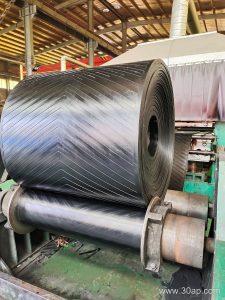
For steep inclines, a chevron conveyor belt or corrugated sidewall conveyor belt can prevent rollback. For dusty or spill-prone transfer points, a skirted conveyor belt helps contain material. Where the route must curve, a pipe conveyor belt encloses the load. In cold regions a cold resistant conveyor belt is preferred, and in wet, acidic tailings a chemical resistant or acid resistant conveyor belt may be considered.
What Buyers Should Confirm
- Material and lump size: sharp gold ore calls for a high abrasion resistant conveyor belt and adequate cover thickness.
- Tension and length: long overland routes may need steel cord or high strength conveyor belt grades such as ST1000 to ST2500.
- Width and speed: belt width should match the tonnage and lump size, not simply copy a neighboring line.
- Environment: flame retardant conveyor belt and fire resistant conveyor belt grades are relevant where welding or hot work is nearby; heat resistant grades apply near dryers.
- Splice and pulley match: belt thickness and pulley diameter are chosen together by the designer; no single belt width fixes one pulley size.
Ask for the cover grade, carcass type, ply count, and cover thickness in writing. Confirm whether an endless conveyor belt splice is required on site, and check that the idler roller spacing and conveyor pulley lagging suit the belt. For gold mining, the practical choice is usually an abrasion resistant, heavy-duty belt with a proven splice, matched to the conveyor’s real tension and loading profile.