What the EP1250 1800mm Conveyor Belt Is
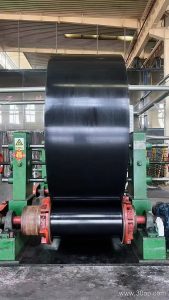
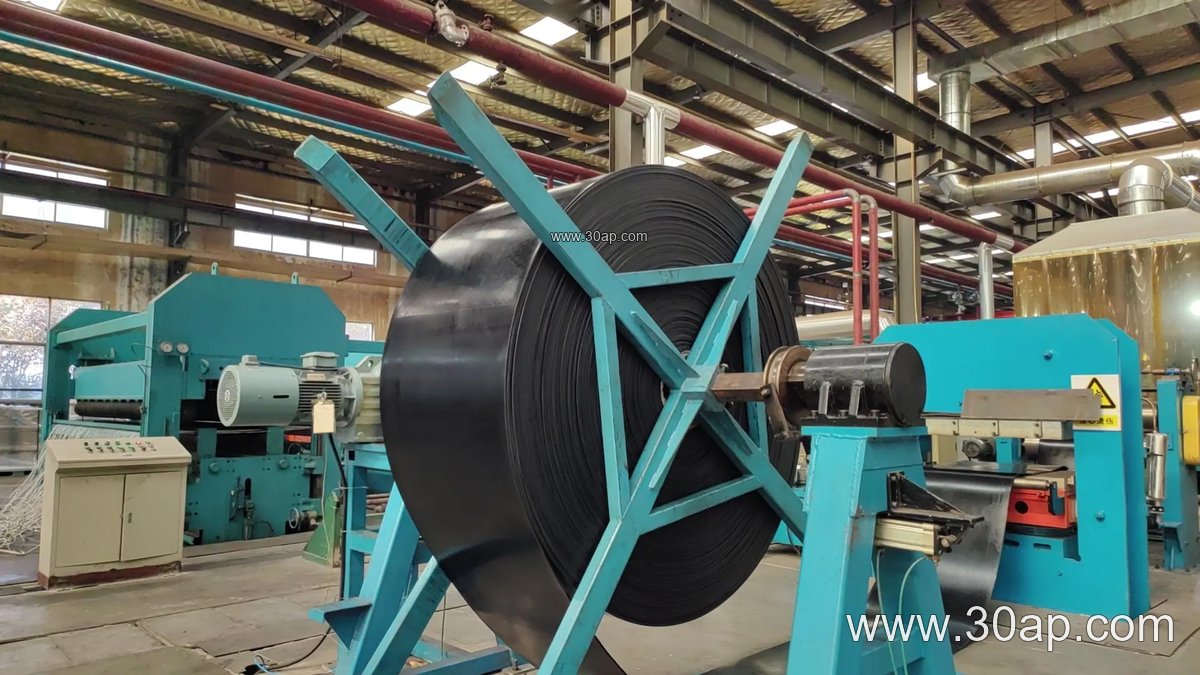
The EP1250 1800mm Conveyor Belt is a wide, heavy-duty fabric-core belt built around polyester-polyamide (EP) carcass plies. The designation combines two things: EP1250, the nominal tensile strength grade of the carcass (commonly expressed in N/mm), and 1800mm, the full belt width. In practical terms, this is an EP Conveyor Belt sized for main haulage lines where tonnage is high and the belt must carry a broad, deep material stream without excessive sag between idlers.
Because the width is generous, the belt is often grouped with wide and extra-wide specifications. It is not a niche item; plants that move large volumes of crushed rock, ore, clinker or coal frequently specify belts in this class, together with matched conveyor pulley and idler roller sets.
How the Belt Is Built
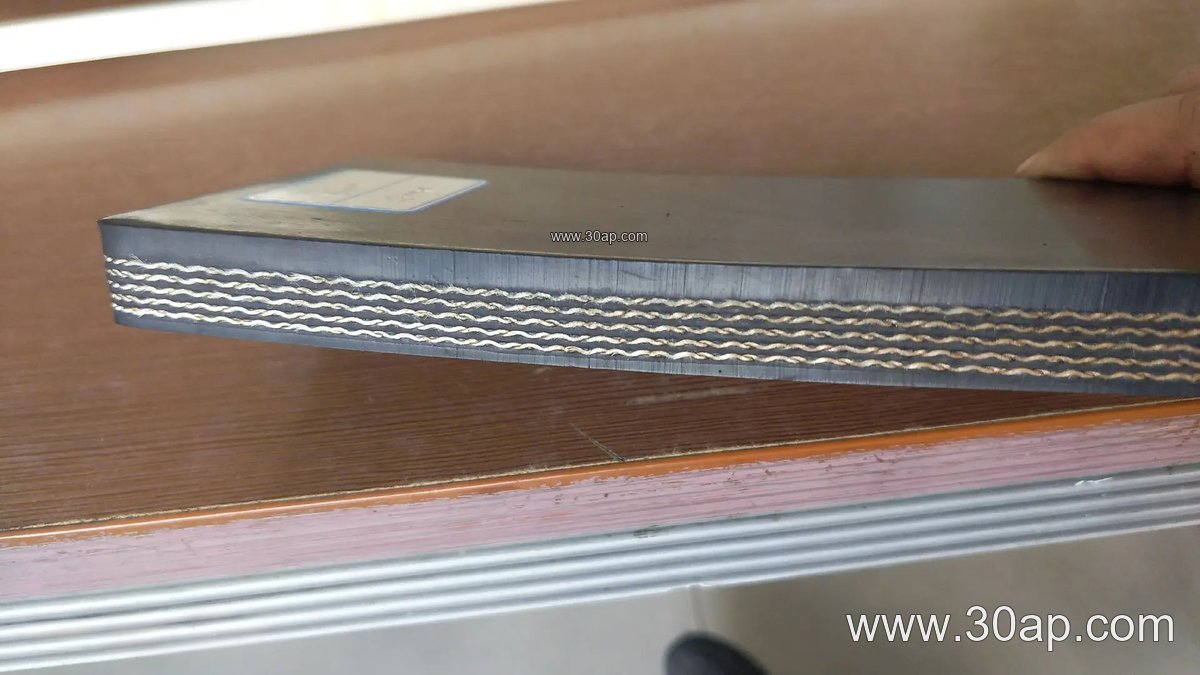
The carcass is the load-bearing element. EP fabric plies are woven from polyester warp yarns and polyamide weft yarns, then bonded with rubber skim compound and consolidated under heat and pressure. This construction gives low elongation in service and good resistance to impact and flex fatigue. A typical build for this grade and width includes:
- Multiple EP fabric plies, often four to six depending on the required safety factor
- Top and bottom rubber covers in common gauges such as 6+2 mm or 8+3 mm for abrasive duty
- Rubber edges to protect the carcass from moisture and edge damage
The cover compound is selected for the duty. A quarry or iron ore line usually asks for an Abrasion Resistant Conveyor Belt cover, while a cement plant kiln area or a power plant coal yard may need heat or flame protection. Cover thickness and compound quality matter as much as the strength grade, because most belt failures in wide belts begin at the surface or the edge.
Specification Reference
The table below shows reference values for orientation. Actual figures are confirmed by the manufacturer against the conveyor design.
| Parameter | Typical Reference |
|---|---|
| Belt designation | EP1250 1800mm Conveyor Belt |
| Carcass type | Multi-ply EP fabric (polyester-polyamide) |
| Nominal strength grade | EP1250 |
| Belt width | 1800mm (B1800) |
| Ply count | Commonly 4 to 6, by design |
| Cover gauges | 6+2 mm, 8+3 mm, or as specified |
| Cover options | Abrasion, heat, oil, flame retardant, anti-static |
| Edge construction | Moulded or cut rubber edge |
Other strength grades in the same family, such as EP1000 or EP1600, may appear on the same conveyor system at different sections, but they are separate specifications and should not be substituted without a design check.
Where It Fits in the Plant
An EP Rubber Conveyor Belt of this width is usually found on main trunk conveyors rather than short transfer belts. Typical duty points include:
- Primary crushed ore transport in a metal mine or gold mining operation
- Raw coal and product coal lines in a coal mining or coal preparation plant
- Clinker and limestone haulage in a cement plant
- Coal yard and ash handling conveyors at a power plant
- Aggregate and sand streams in a quarry or sand making plant
- Ship loading and stockyard conveyors at a port terminal
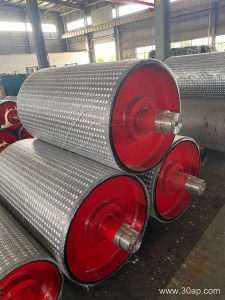
On these lines the belt runs over three distinct pulley positions: the drive pulley that transmits power, the tail pulley at the loading end, and bend pulleys that redirect the belt through take-up and transition zones. Each has its own diameter and face width requirement, and none can be treated as a substitute for another.
Buyer Checklist
Width alone does not define a belt. A buyer specifying this size should confirm the following with the conveyor designer:
- Required tensile strength per unit width and the resulting ply count
- Material lump size and drop height, which drive cover gauge and impact resistance
- Ambient and material temperature, especially in cement and steel plant service
- Fire and anti-static requirements for underground coal mining conveyors
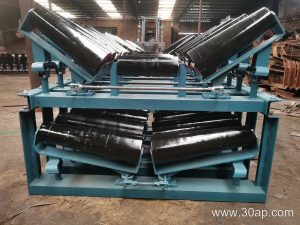
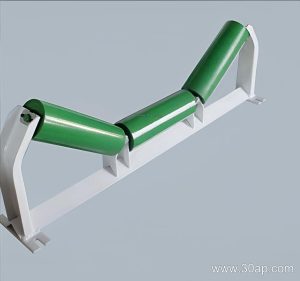
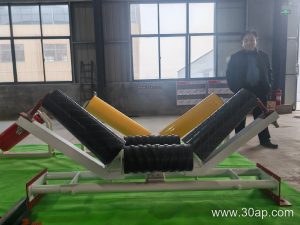
- Pulley diameters, trough angle and idler roller spacing, since a wide belt needs adequate support to keep sag within limits
- Splice method, whether vulcanized or mechanical, and whether an endless belt is preferred
Wide belts also place higher demands on the conveyor bracket and frame alignment. A small misalignment that is tolerable on a 1000mm belt can cause edge tracking problems at 1800mm, so installation tolerance deserves attention.
Care and Longevity
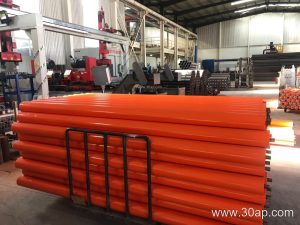
Inspect the loading point for cover wear, check edge condition after every shift on abrasive duty, and keep the return side clear of spillage. Maintain pulley lagging and idler roller rotation, because a seized roller can score a wide belt quickly. Records of cover thickness at fixed inspection points help predict replacement timing better than visual judgement alone.