What Makes a Dustproof and Waterproof Idler Different
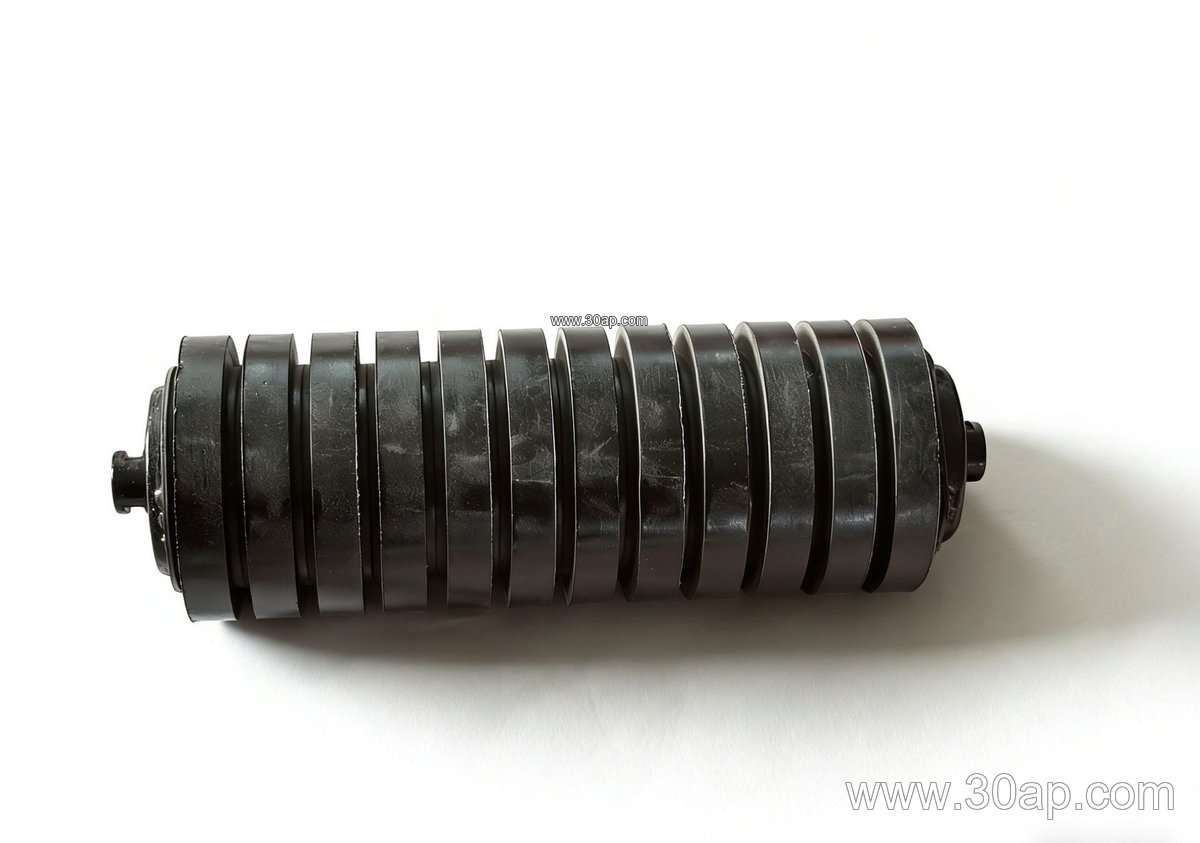
A dustproof and waterproof idler is a conveyor roller built to keep fine particles and moisture away from its internal bearings. In environments where dust, grit, or water spray is constant, standard idlers can fail prematurely when contaminants enter the bearing housing. This sealed idler design is common on conveyor systems handling bulk materials in quarry and aggregate operations, as well as in cement plants and power plant coal yards. The sealing arrangement typically includes multiple labyrinth rings combined with contact seals, and the bearing cavity is packed with grease to resist ingress. The result is an idler roller that maintains rotation even when the conveyor belt carries wet or dusty loads.
Construction Details and Sealing Arrangement
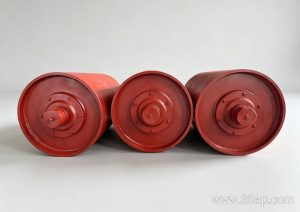
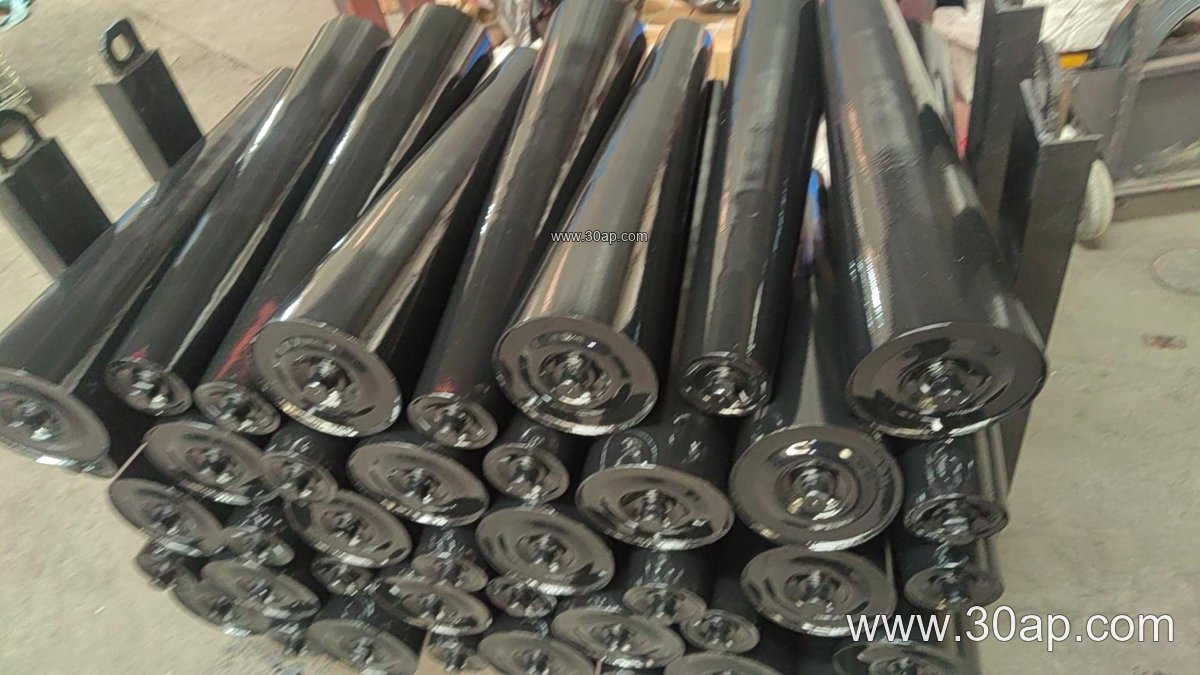
The dustproof and waterproof idler uses a heavy-gauge steel tube for the shell, with machined end caps that press-fit into the tube. Bearing housings are designed with a stepped labyrinth path that forces contaminants to change direction several times before reaching the bearing. Common bearing sizes for this type include 6204, 6205, 6305, 6306, 6308, and 6310, matched to the roller diameter and load requirements. The seal package often consists of an outer metal dust cover, an inner rubber lip seal, and a grease-filled cavity. For added protection in wet conditions, some designs incorporate a secondary water deflector ring. The shaft is typically cold-drawn steel with close tolerances, and the roller surface may be plain steel or fitted with rubber rings for impact absorption in loading zones.
Where These Idlers Are Applied
Dustproof and waterproof idlers are frequently specified for outdoor conveyor systems exposed to rain and dust, such as quarry conveyor belts and aggregate conveyor belts. In a limestone mine or sand and gravel plant, the constant presence of fine dust makes standard seals inadequate. Similarly, in a coal mining conveyor belt system, water spray for dust suppression is common, so idlers must resist both moisture and coal dust. Cement plants use these idlers on clinker and raw material conveyors where alkaline dust and occasional washdown occur. Power plant coal handling systems also benefit, especially on belts that operate in open galleries. The sealed design helps extend bearing life and reduce maintenance stoppages.
Key Parameters and Selection Guidance
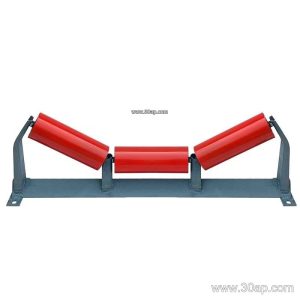
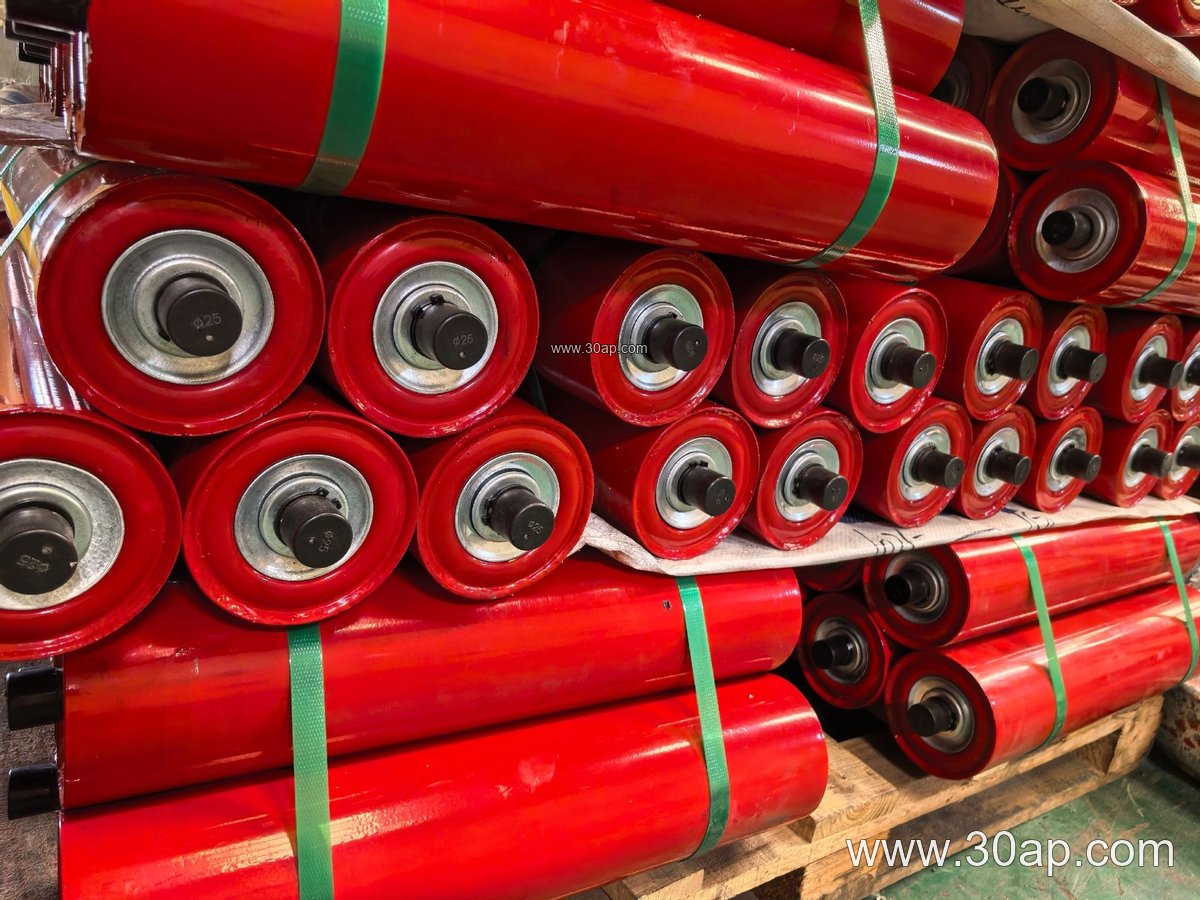
When selecting a dustproof and waterproof idler, buyers should consider the belt width, roller diameter, and trough angle. Common roller diameters include Ø76, Ø89, Ø102, Ø108, Ø127, Ø133, Ø159, and Ø178. Belt widths range from B500 to B2000, with corresponding roller lengths that vary by trough configuration. For a three-roll troughing set, typical roller lengths are approximately 200 mm for B500, 250 mm for B650, 315 mm for B800, 380 mm for B1000, 465 mm for B1200, 530 mm for B1400, 600 mm for B1600, 670 mm for B1800, and 750 mm for B2000. These are common examples, not fixed rules. Trough angles of 20, 30, 35, and 45 degrees are available. The table below summarizes typical reference data for dustproof and waterproof idlers.
| Parameter | Common Range |
|---|---|
| Roller diameter | Ø76 to Ø178 mm |
| Belt width | B500 to B2000 mm |
| Trough angle | 20°, 30°, 35°, 45° |
| Bearing size | 6204, 6205, 6305, 6306, 6308, 6310 |
| Roller surface | Steel tube, rubber rings optional |
For conveyor systems using EP conveyor belts or steel cord conveyor belts, the idler selection should match the belt speed and load. In dusty and wet conditions, a dustproof and waterproof idler reduces the risk of bearing seizure. Buyers should confirm the shaft diameter and bearing type with the conveyor bracket dimensions. It is not correct to assume a fixed shaft size from belt width alone; the design must be checked against the idler load rating and the bracket mounting.
Maintenance and Buyer Checklist
Even with effective seals, periodic inspection is recommended. Check for grease leakage, seal wear, and roller rotation. In a quarry or cement plant, idlers in the loading zone may need more frequent attention due to impact and dust. When replacing idlers, ensure the new dustproof and waterproof idler matches the existing trough angle and roller length. For conveyors carrying abrasive materials, consider pairing these idlers with abrasion resistant conveyor belts to reduce overall wear. Also verify that the idler’s sealing system is compatible with any washdown or dust suppression spray used in the plant. A well-chosen sealed idler contributes to fewer unplanned stops and longer service intervals on the conveyor belt line.