What a High Strength Conveyor Belt Is
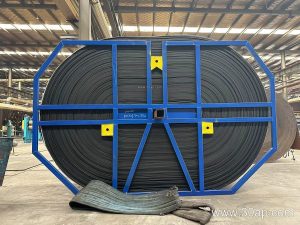
A high strength conveyor belt is a heavy-duty belt engineered to carry large tonnages over long distances without excessive stretch. The strength comes from the carcass — the load-bearing skeleton — and from the bond between that carcass and the rubber covers. In practice, buyers meet this product as an EP conveyor belt, an NN conveyor belt, or a steel cord conveyor belt, each with its own strength range and fatigue behaviour. The term describes a performance class rather than a single construction, so the same high strength conveyor belt may be a multi-ply fabric core conveyor belt in a quarry or a steel cord belt on a overland run at a mine.
Strength is usually expressed as the breaking strength of the carcass in newtons per millimetre of width. Common EP grades include EP200, EP400, EP630, EP1000 and EP1250, while steel cord grades such as ST1000, ST1600 and ST2500 cover the upper end. These figures are reference values; actual belt design depends on the conveyor profile, load, and safety factor agreed with the manufacturer.
Construction and Materials
The carcass of a fabric-based high strength conveyor belt is built from multiple plies of EP fabric (polyester warp, nylon weft) or NN fabric (nylon warp and weft). EP fabric core conveyor belts resist elongation better under steady tension, which suits long conveyors and high starting loads. NN conveyor belts tolerate impact and flexing well, making them a frequent choice after a crusher. A steel cord conveyor belt replaces the plies with parallel brass-plated cords, giving very low stretch and high tensile strength for the longest runs.
Covers protect the carcass. Typical cover compounds include abrasion resistant, heat resistant, oil resistant, flame retardant, and anti-static grades. A high abrasion resistant conveyor belt is common in sand and gravel operations, while a heat resistant conveyor belt is specified where clinker or sinter carries residual heat. Cover thickness is often quoted as top plus bottom, for example 4+2 mm, 6+2 mm or 8+3 mm; these are common combinations, not fixed rules.
Typical Duty Points
- Mining and coal: underground coal mining conveyor belts and heavy-duty mining conveyor belts move raw coal and waste rock; flame retardant and anti-static properties are often required underground.
- Cement and power: cement plant conveyor belts handle limestone, clinker and additives, while power plant conveyor belts carry coal and ash.
- Quarry and aggregate: quarry conveyor belts and crusher conveyor belts face sharp rock, so impact resistant and abrasion resistant covers matter.
- Ports and bulk terminals: ship loading conveyor belts and port conveyor belts run at high capacity and need low stretch over long centre distances.
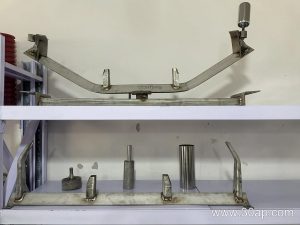
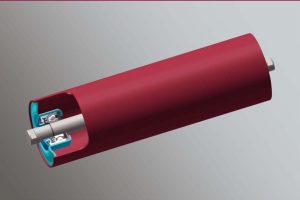
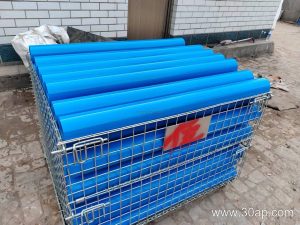
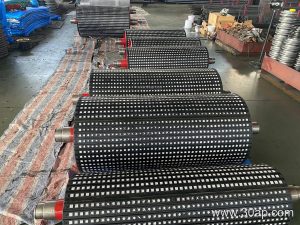
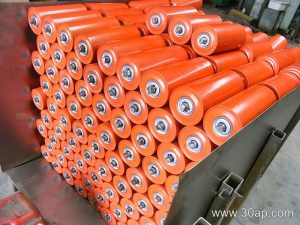
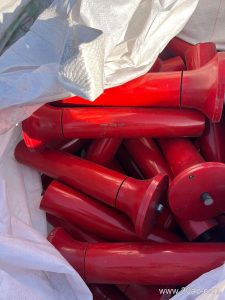
In these circuits the belt works with conveyor pulleys, idler rollers and conveyor brackets. Drive pulleys transmit torque, tail pulleys return the belt, and bend pulleys change direction; they are separate components and not interchangeable. Idler rollers support the loaded strand, and their spacing affects belt sag and cover wear.
Specifications Buyers Should Check
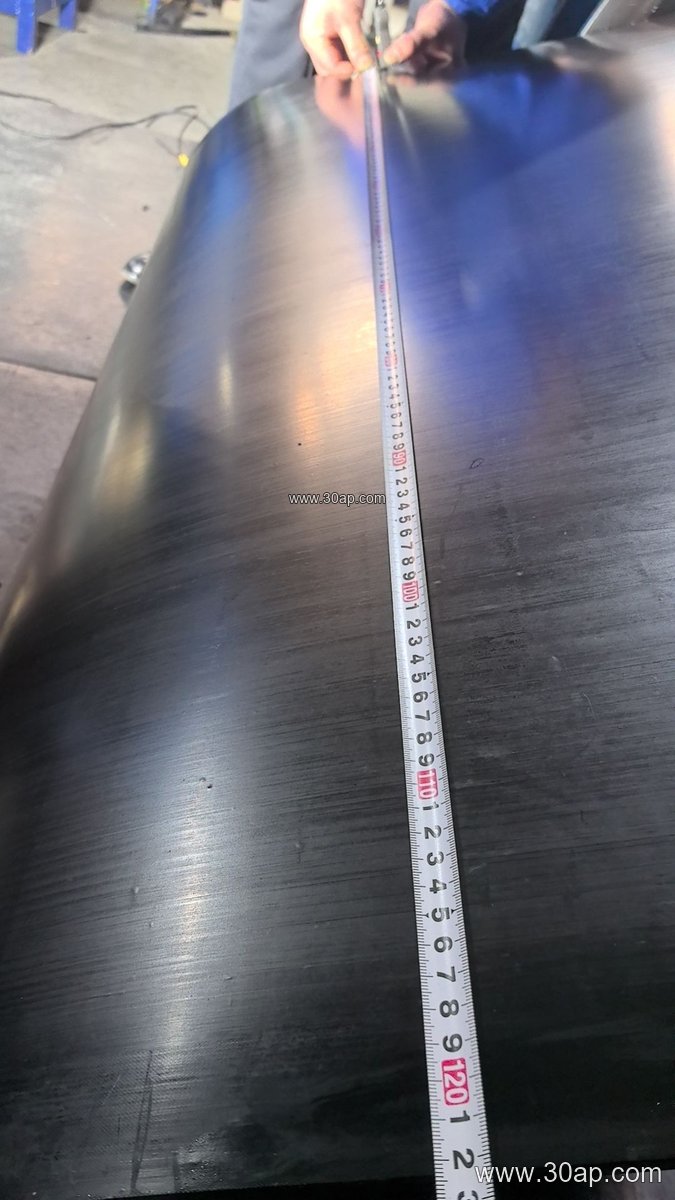
Width and strength are usually selected together, but one width does not dictate one pulley diameter. The table below lists common reference ranges; final values come from the conveyor design.
| Parameter | Common reference values |
|---|---|
| Belt width | B500, B650, B800, B1000, B1200, B1400, B1600, B1800, B2000 |
| EP strength grades | EP200, EP315, EP400, EP500, EP630, EP800, EP1000, EP1250, EP1600, EP2000 |
| Steel cord grades | ST1000, ST1250, ST1600, ST2000, ST2500, ST3150 |
| Cover thickness | 3+1.5, 4+2, 5+2, 6+2, 8+3 mm |
| Carcass plies | Usually 2 to 6 layers for fabric belts |
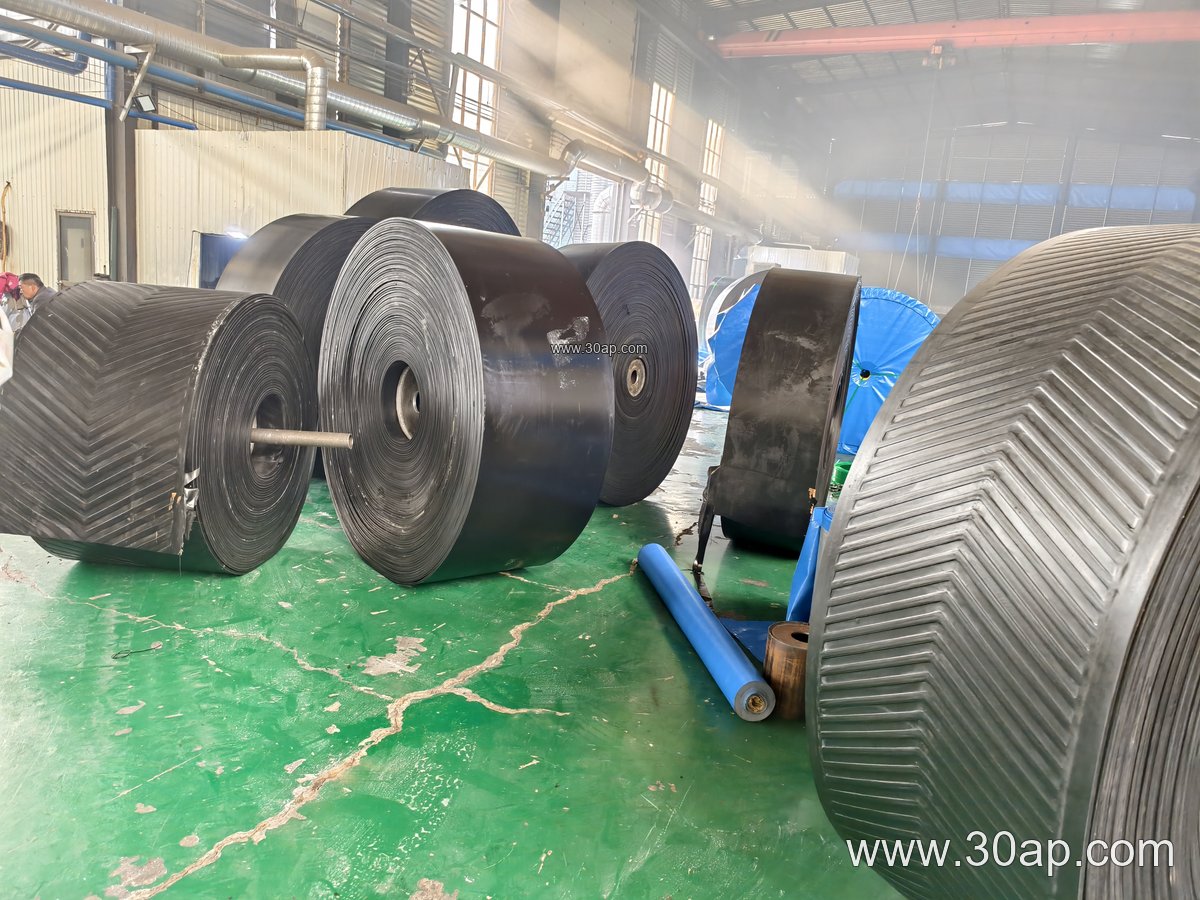
For example, an EP1000 1200mm conveyor belt and an EP1250 1800mm conveyor belt are both plausible selections in different duty points; neither size is mandatory for a given plant. Special constructions such as a chevron conveyor belt, skirted conveyor belt, corrugated sidewall conveyor belt or pipe conveyor belt change the belt’s profile and should be evaluated against the material’s angle of repose and the conveyor’s layout.
Selection and Maintenance Notes
Start with the material: lump size, temperature, oil content, and whether the belt runs underground. Then confirm the required tensile strength with a suitable safety factor, and check that the pulley diameters and idler roller spacing suit the carcass flexibility. An endless conveyor belt made in the factory reduces splice risk on critical runs. During service, track cover wear, edge damage, and splice condition; worn covers expose the carcass and shorten belt life. Keeping conveyor pulleys aligned and idler rollers turning freely protects the belt as much as the belt specification itself.