What Is a Conveyor Belt Support Frame
A conveyor belt support frame is the structural backbone that holds the idlers and carries the weight of the belt and material. Often called a conveyor idler frame or belt conveyor frame, it ensures the belt runs smoothly, stays aligned, and delivers long service life in demanding industries such as mining, cement, power plants, and quarries. Whether you operate a coal mining conveyor belt or a quarry conveyor belt, the support frame directly affects uptime and maintenance costs.
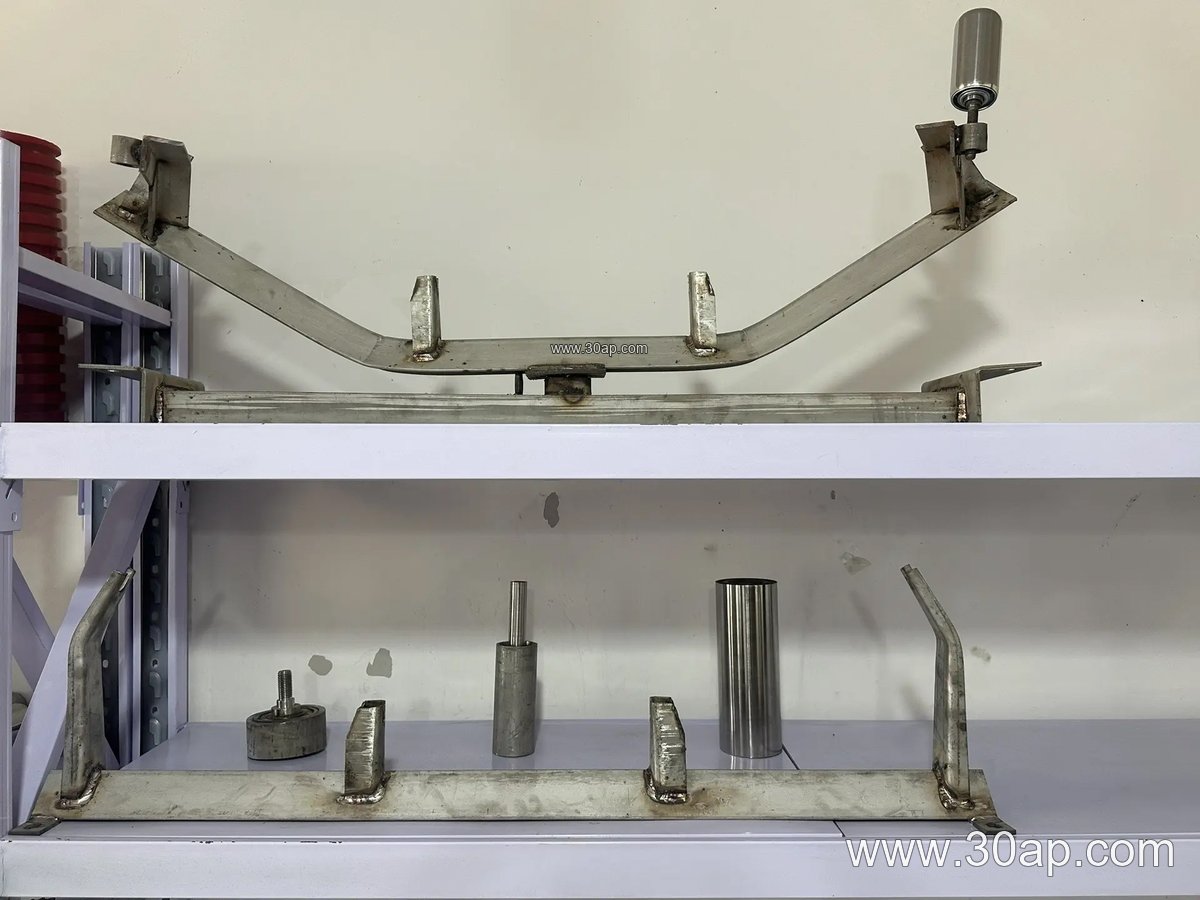
Construction and Key Components
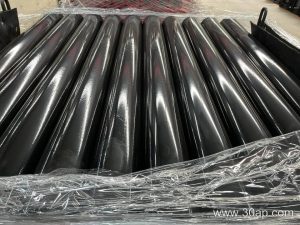
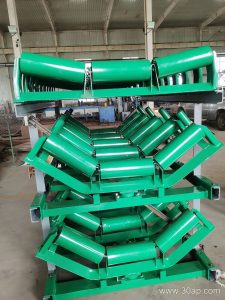
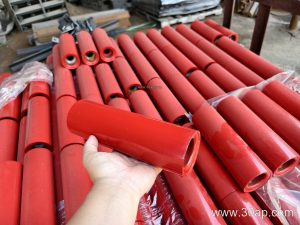
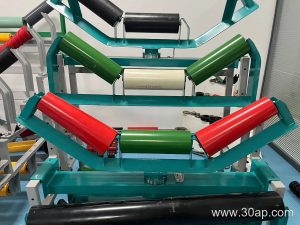
Frames are typically fabricated from angle steel, channel steel, or folded steel plate for strength and rigidity. They are designed to mount various idler roller types, including troughing idlers, return idlers, and impact idlers. The frame geometry—such as trough angle and roller diameter—must match the conveyor belt width and load requirements. Common belt widths range from B500 to B2200, with trough angles of 20°, 30°, 35°, or 45° and roller diameters from Ø89 to Ø194. Adjustable frames allow on-site changes to trough angle, which is useful when material characteristics vary.
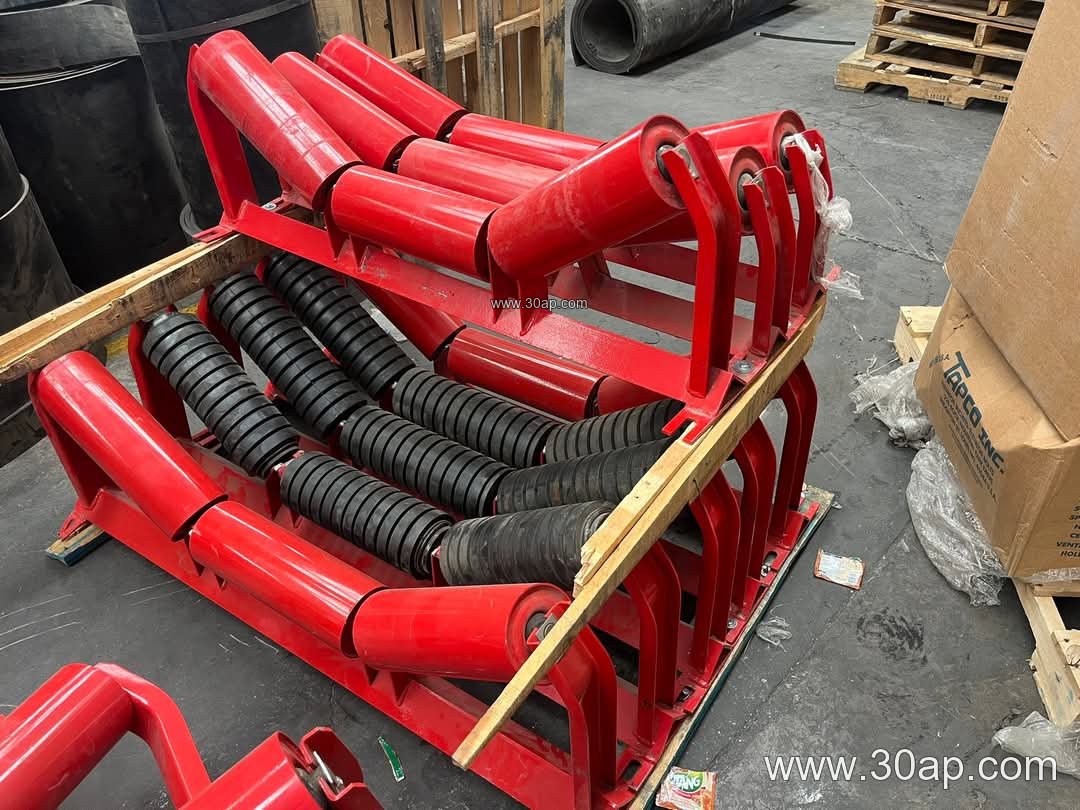
Types and Applications
Different frame types serve specific positions along the conveyor:
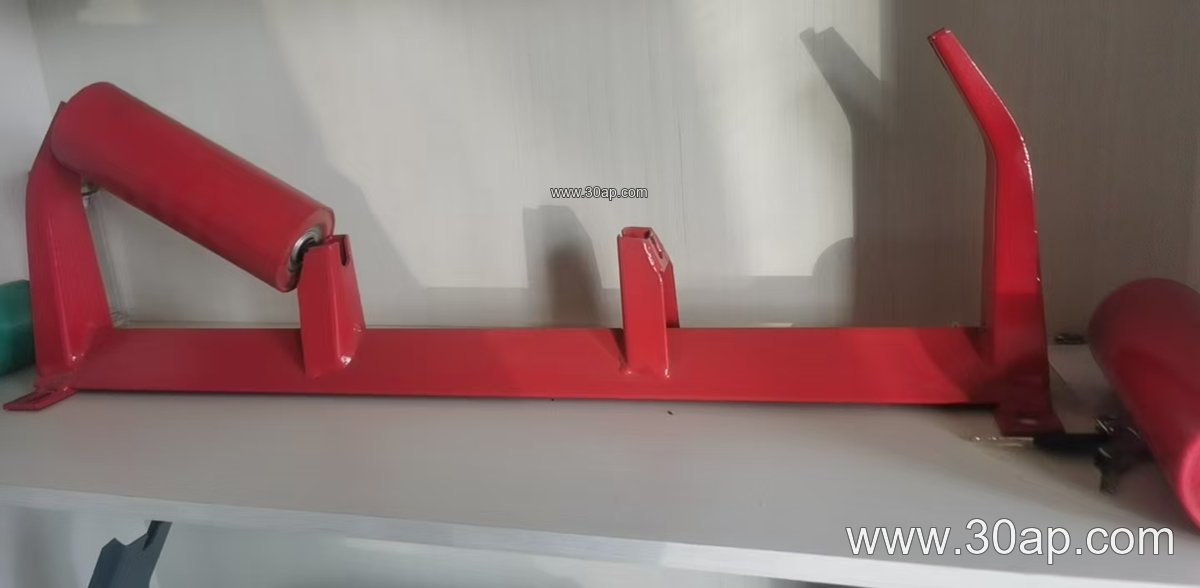
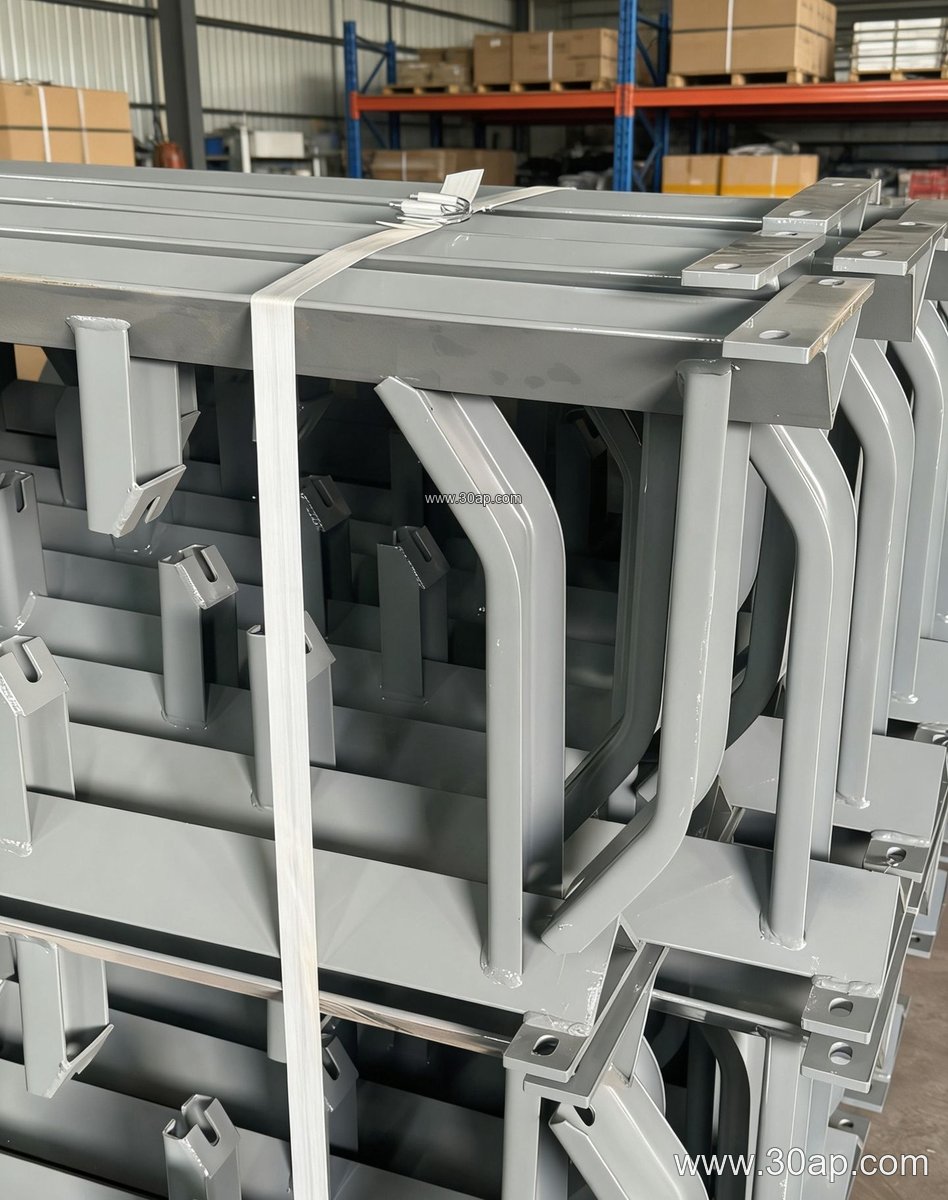
- Troughing frame – supports the carrying side, forming the belt into a trough to increase capacity.
- Return frame – supports the empty side, often with flat or V-return idlers.
- Impact frame – reinforced to absorb shock at loading points, ideal for crusher conveyor belts and aggregate conveyor belts.
- Transition frame – gradually changes belt shape near pulleys.
- Self-aligning frame – helps correct belt misalignment, reducing edge damage.
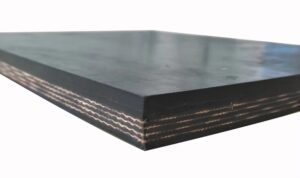
These frames are used in a wide range of bulk material handling systems, from underground coal mining conveyor belts to power plant coal conveyor belts and port ship loading conveyor belts. The choice of frame depends on the conveyor belt type—whether it is an EP conveyor belt, steel cord conveyor belt, or heat resistant conveyor belt—and the environment.
Selection and Maintenance Tips
When selecting a conveyor belt support frame, consider belt width, trough angle, roller diameter, and load capacity. For example, a B1200 belt with 45° trough and Ø133 idlers might suit a high-capacity iron ore conveyor belt, while a B650 belt with 30° trough and Ø89 idlers could be adequate for a smaller sand making plant conveyor belt. Adjustable frames offer flexibility for future changes. Regular inspection of frames for corrosion, deformation, and loose bolts is essential, especially in corrosive or high-abrasion environments where an abrasion resistant conveyor belt is used. Proper frame alignment also extends the life of the conveyor pulley and conveyor bracket components.
Buyer’s Checklist
- Verify belt width and trough angle requirements.
- Check material and coating for environmental conditions (e.g., coal mining, cement plant).
- Ensure compatibility with idler roller and conveyor pulley specifications.
- Consider adjustable versus fixed frames based on operational flexibility.
- Review load ratings and safety factors with the supplier.
For more information on conveyor components, visit conveyor belt support frame or explore our range of EP conveyor belt and idler roller solutions.