What a Coal Mine Conveyor Idler Does Underground
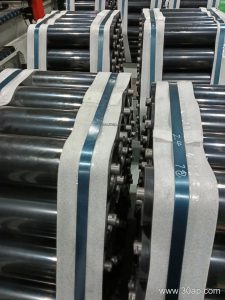
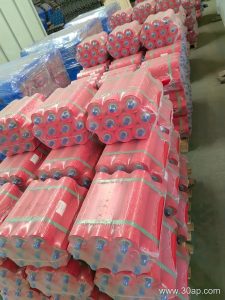
A coal mine conveyor idler is the rotating support that carries the belt and the coal load along a troughing or return run. In an underground coal mining conveyor belt system, these rollers sit on a conveyor bracket frame and keep the belt tracking while limiting sag between supports. The idler roller itself looks simple, but it is one of the highest-count wear parts on the line, so material choice and sealing matter as much as the nominal dimensions.
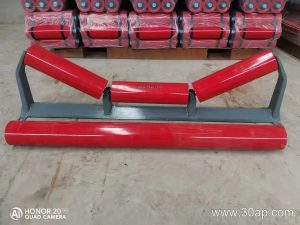
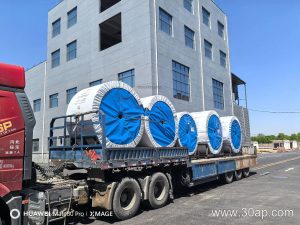
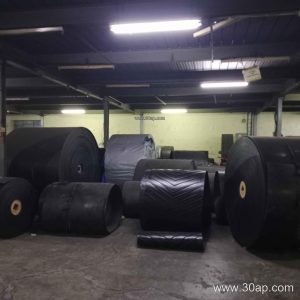
On a typical underground run, three-roll troughing sets support the loaded strand, while return rollers or V-type sets support the empty belt. A coal mining conveyor belt is usually a flame retardant conveyor belt or PVG conveyor belt in this environment, and the idler must work with that belt surface without scuffing or trapping fines.
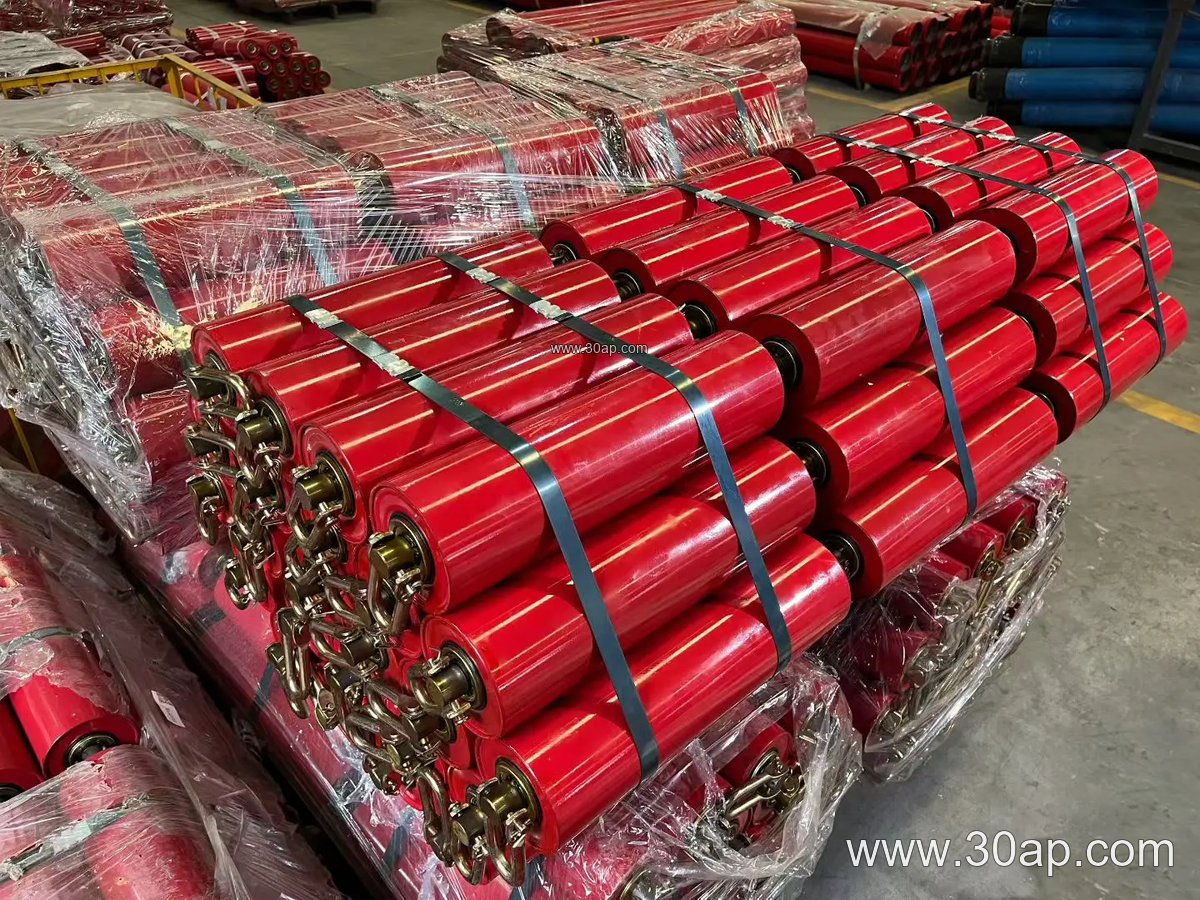
How the Roller Is Built
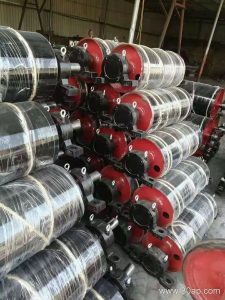
A standard idler roller combines a steel tube shell, a shaft, bearing housings, and a sealing arrangement. The shell may be plain steel, nylon-coated, ceramic-lined, or fitted with rubber rings for impact zones. Bearings commonly used in this range include 6204, 6205, 6305, 6306, 6308, and 6310, but the correct bearing is chosen from load, speed, and service life rather than from roller diameter alone.
Sealing is the detail that separates a long-service idler from a short one. Coal dust, wash-down water, and fine grit attack the bearing cavity from both ends; a multi-stage labyrinth seal with grease retention is common in mining duty. Roller ends should run true, and the shaft should be straight enough that the idler does not induce belt wander.
Common Roller Diameters and Belt Widths
Idler diameter and belt width are related through the frame design, belt speed, and load, not through a single fixed rule. The table below gives common reference values; final selection is confirmed by the conveyor designer.
| Item | Common reference values |
|---|---|
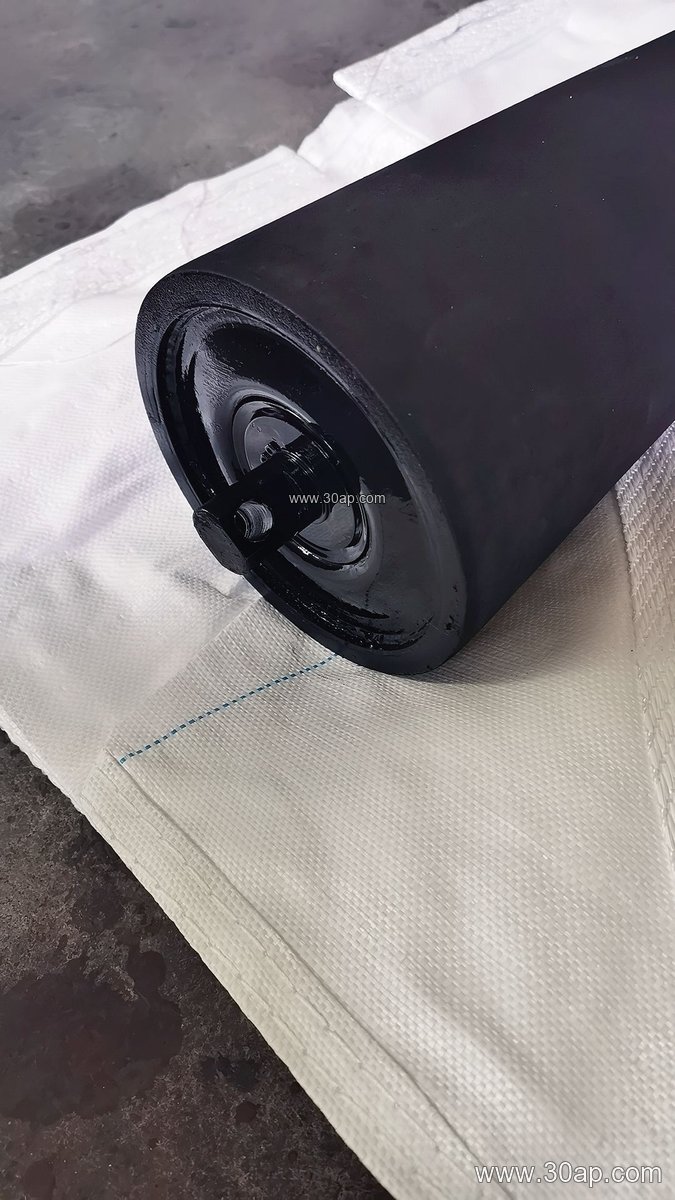
| Idler diameter | Ø63, Ø76, Ø89, Ø102, Ø108, Ø127, Ø133, Ø159, Ø178, Ø194, Ø219 mm |
| Belt width | B400, B500, B650, B800, B1000, B1200, B1400, B1600, B1800, B2000, B2200, B2400 |
| Troughing angle | 20°, 30°, 35°, 45° |
| Troughing set | single roll, two-roll, three-roll |
| Roller surface | steel tube, nylon, ceramic, rubber ring |
Roll length changes with belt width, trough angle, and set type. For a three-roll troughing set, common roller lengths are roughly 200 mm for B500, 250 mm for B650, 315 mm for B800, 380 mm for B1000, 465 mm for B1200, 530 mm for B1400, 600 mm for B1600, 670 mm for B1800, and 750 mm for B2000. Side rollers and center rollers can differ, so these are examples rather than fixed pairings.
Where the Idler Fits in the Plant
Beyond the coal face, the same roller family appears in a wash plant, a power plant coal yard, and a cement plant receiving coal or limestone. A quarry conveyor belt or aggregate conveyor belt line uses similar troughing and return idlers, though the dust and loading profile differ. In a coal preparation plant, the belt may be a flame retardant conveyor belt or an anti-static conveyor belt, and the idler frame is often mounted on a conveyor bracket that allows height adjustment.
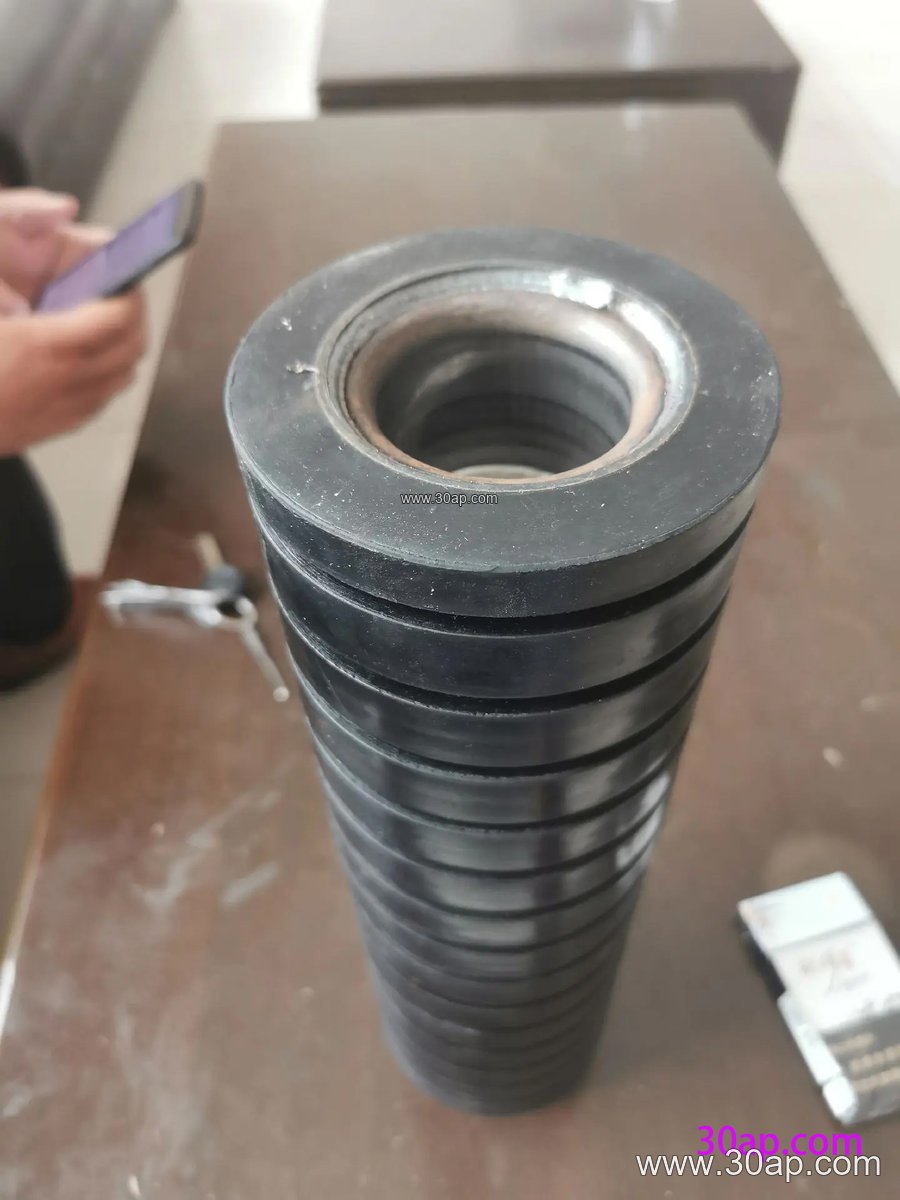
Impact zones under a transfer chute usually call for impact idlers or rubber-ring buffer rollers rather than standard troughing rolls. Transition idlers near the head and tail help the belt change from flat to troughed without stress. Alignment idlers, including friction and tapered self-aligning types, are used where the belt tends to drift; they are not a substitute for proper pulley alignment.
Buyer Checklist
- Confirm belt width, trough angle, and whether the set is two-roll or three-roll.
- State the roller diameter and shell material; do not assume a bearing from the tube size.
- Describe the environment: wet wash-down, coal dust, or high impact at the chute.
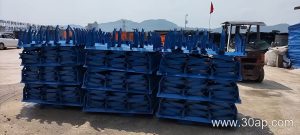
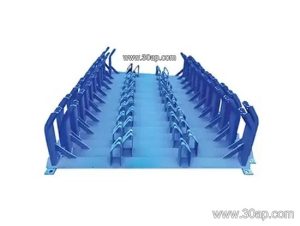
- Check the shaft end fixing and frame interface, since idler mounts differ between brackets.
- Ask for the seal design and grease arrangement, which drive service intervals.
- Keep spare rollers for the loaded strand and the return strand separately.
For a coal mine conveyor idler order, the useful specification is a combination of diameter, roller length, bearing, seal type, and shell finish. A roller that fits one B1000 frame may not fit another, and a Ø127 idler is not automatically matched to a single belt width. Buyers who supply the full frame drawing and the belt data usually get a better match than those who order by diameter alone.