What a Conveyor Idler Bracket Does on the Belt Line
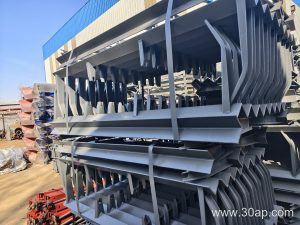
A conveyor idler bracket is the structural interface that holds each idler roller at the correct position and angle under or over the conveyor belt. Often called an idler frame or roller support bracket, this component carries the weight of the belt and material, maintains the trough profile, and keeps the idler rotating freely. In a quarry, cement plant, or coal handling system, a poorly matched bracket can cause belt misalignment, premature roller failure, and spillage. The bracket itself is simple, but its geometry, material, and mounting method determine how well the whole conveyor performs.
Construction and Common Materials
Most conveyor idler brackets are fabricated from angle steel, channel steel, or bent steel plate. The choice depends on load and environment. Light-duty brackets may use 3 mm to 5 mm bent plate, while heavy-duty mining conveyor brackets often use 6 mm to 10 mm channel or angle sections. Slotted holes and adjustable arms allow fine positioning of the idler roller, which helps compensate for belt tracking issues. Welded brackets should have clean, square mounting faces so the idler sits flat and wears evenly.
Main Types and Where They Fit
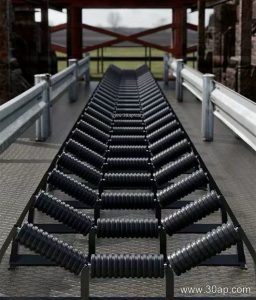
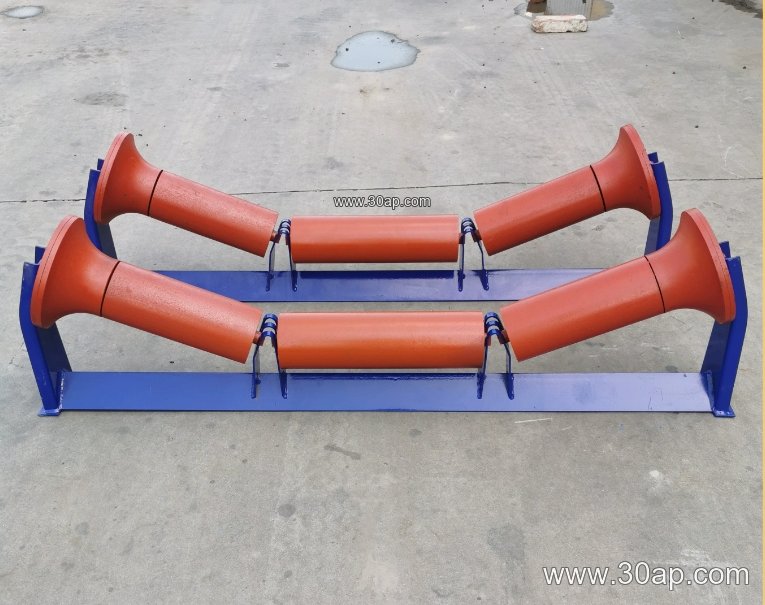
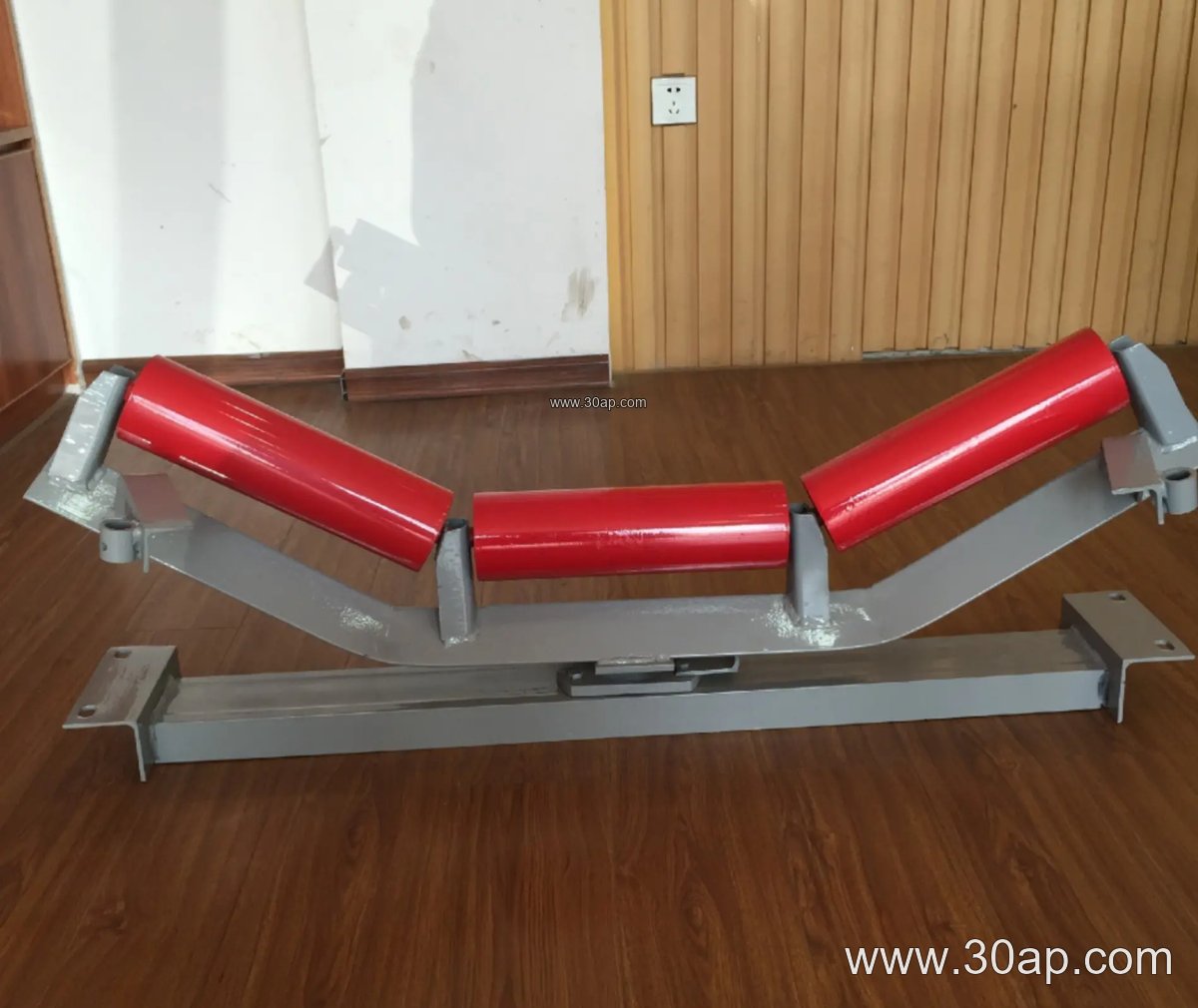
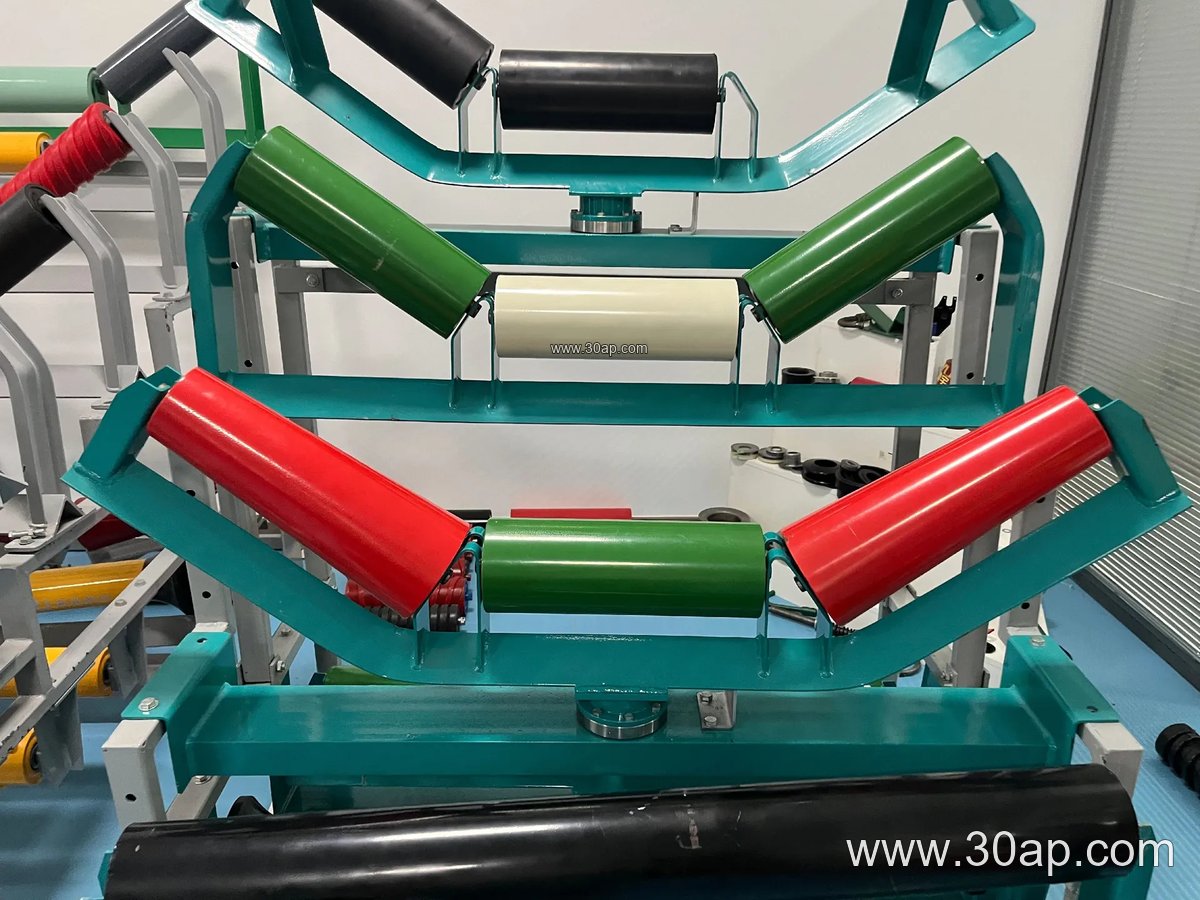
Bracket types follow the idler arrangement they support. Troughing bracket sets carry the three-roller trough on the carrying side. Transition brackets ease the belt from flat to troughed near pulleys. Return brackets support the belt on the return run, often as a single flat roller or a V-return arrangement. Impact brackets sit under loading points and are built heavier to absorb shock. Self-aligning brackets allow small rotational movement to correct belt drift, while fixed brackets keep a stable profile. Adjustable brackets let maintenance staff change the trough angle within a range.
Matching Bracket, Belt Width, and Idler Diameter
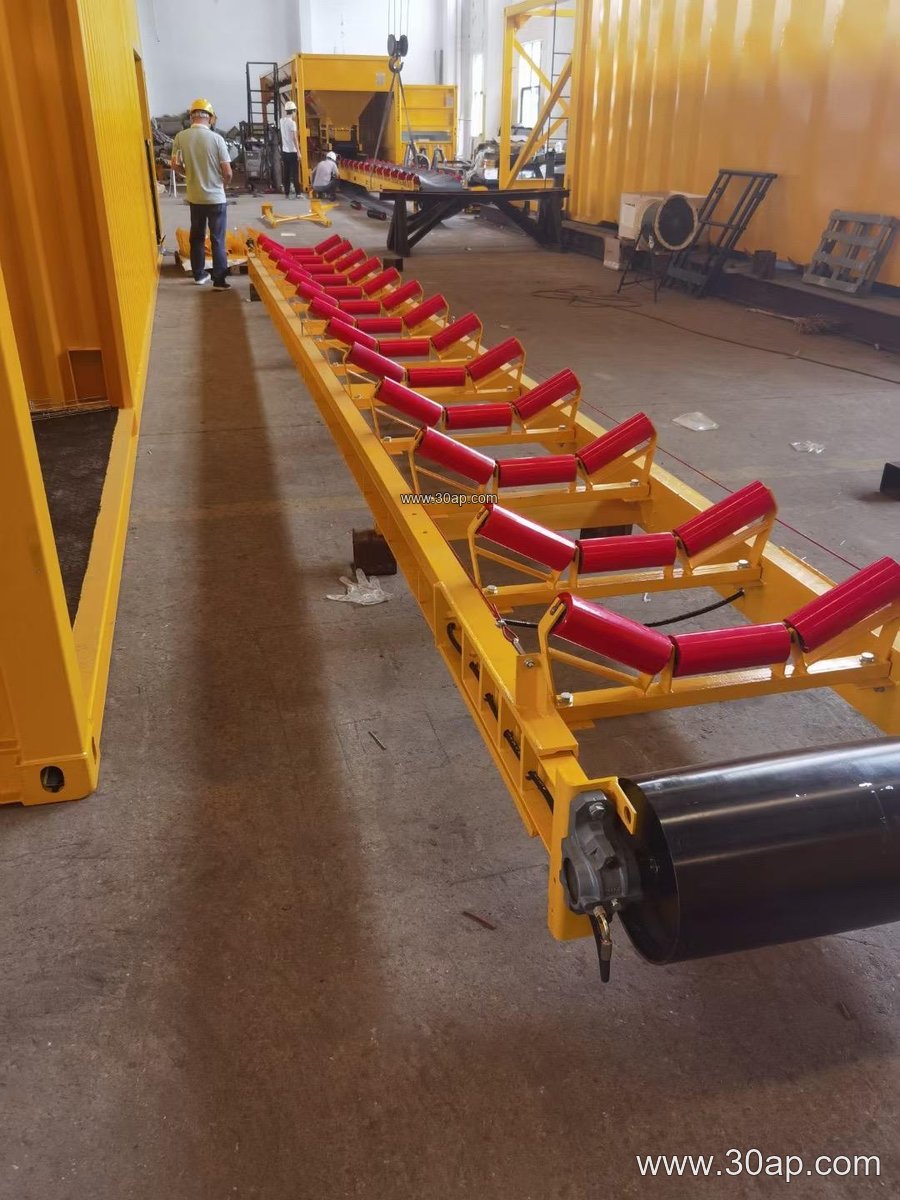
The bracket must match the conveyor belt width and the chosen idler diameter. Common belt widths include B500, B650, B800, B1000, B1200, B1400, B1600, B1800, B2000, B2200, and the bracket crossbeam length changes accordingly. Idler diameters such as Ø89, Ø108, Ø133, Ø159, and Ø194 each require matching mounting slots and bracket height. Trough angles are usually 20, 30, 35, or 45 degrees, and the bracket set determines which angle the rollers form. A B800 belt with a 35 degree trough and Ø108 idlers is a typical combination, but it is not the only valid one. Installation hole spacing and beam length should always be confirmed from the conveyor drawing, because these dimensions vary with belt width, trough angle, and frame design.
Reference Combinations (for discussion only)
| Belt Width | Typical Trough Angle | Common Idler Diameter |
|---|---|---|
| B500 | 20–30 degrees | Ø89 |
| B650 | 30 degrees | Ø89–Ø108 |
| B800 | 35 degrees | Ø108 |
| B1000 | 35–45 degrees | Ø108–Ø133 |
| B1200 | 35–45 degrees | Ø133 |
| B1400 | 35–45 degrees | Ø133–Ø159 |
| B1600 | 35–45 degrees | Ø159 |
| B1800 | 35–45 degrees | Ø159–Ø194 |
These values are common references, not fixed rules. A wider belt can use a smaller idler diameter in light duty, and a narrow belt can use a larger diameter in heavy impact service. The bracket should be selected from the actual conveyor specification.
Applications Across Industries
Conveyor idler brackets appear wherever bulk material moves on a belt. In a limestone quarry or sand and gravel line, troughing brackets and impact brackets handle abrasive rock. In a coal preparation plant or power station coal yard, flame retardant conveyor belts and self-aligning brackets work together to keep the belt centered. Cement plants use brackets on clinker and raw meal conveyors, while iron ore and copper ore operations rely on heavy-duty brackets under high loads. Port ship loaders and aggregate yards also depend on stable bracket alignment. The bracket is not the wearing part, but it protects the idler roller and conveyor belt from unnecessary stress.
Buyer Checklist
- Confirm belt width and trough angle before ordering; do not assume a standard crossbeam length.
- Match the bracket slot and height to the idler diameter, such as Ø108 or Ø133.
- Check material thickness and finish for the site environment; dusty or wet conditions may need galvanized or painted brackets.
- Decide between fixed and adjustable brackets based on whether belt tracking adjustments are expected.
- Ask for a dimensional drawing that shows hole spacing, beam length, and mounting height.
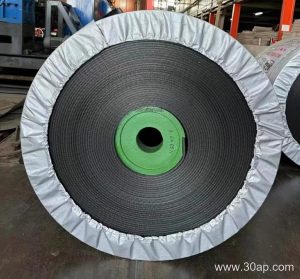
- Consider the conveyor belt type, for example an abrasion resistant conveyor belt or a heat resistant conveyor belt, because operating conditions affect bracket choice.
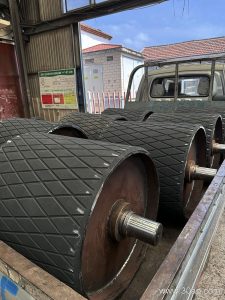
For more information on conveyor components, visit our pages on conveyor idler bracket, conveyor bracket, and related conveyor pulley assemblies.