Why the Conveyor Pulley Demands Your Attention
The conveyor pulley is not just a rotating cylinder—it is the mechanical heart that drives belt tension, tracking, and torque transfer. Choosing the wrong pulley leads to belt slippage, misalignment, and costly downtime.
Key Types and Their Roles
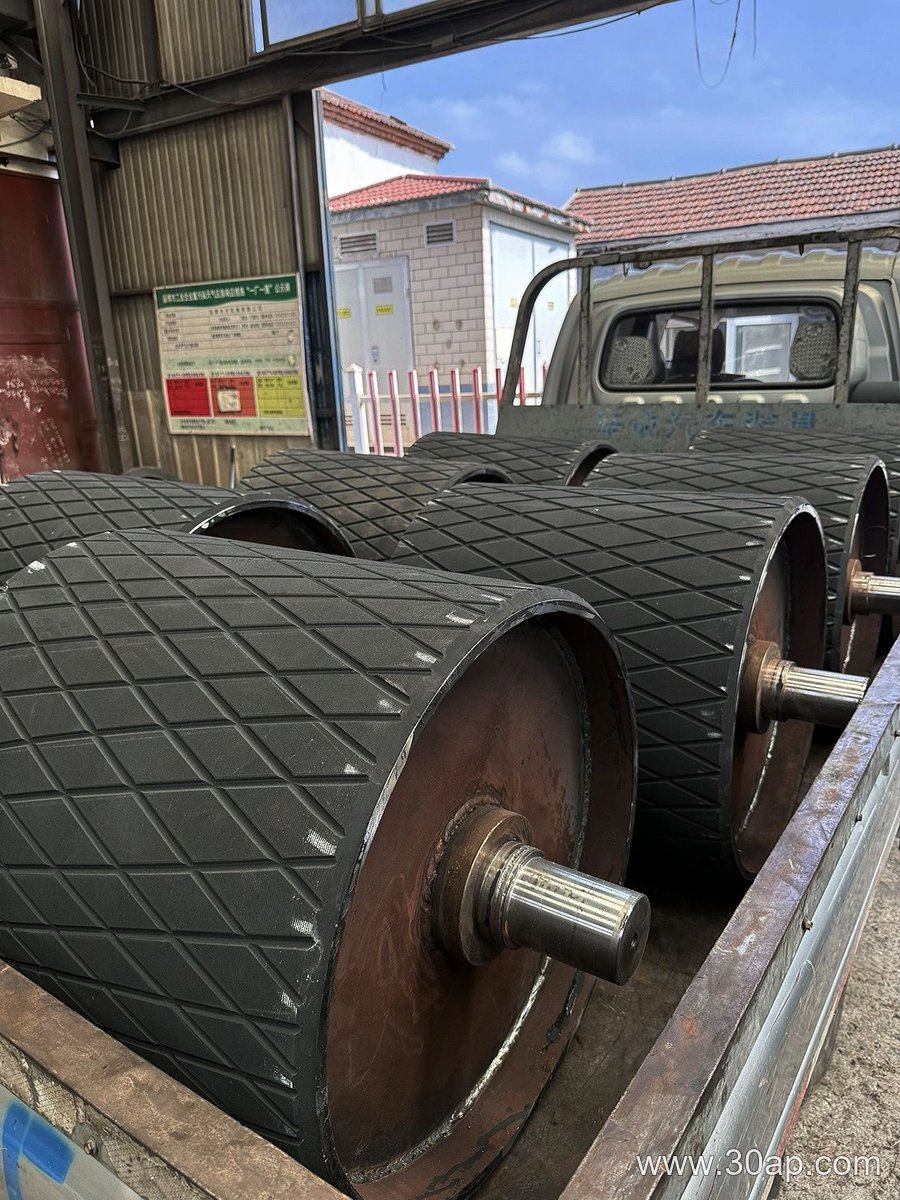
- Drive pulley: Transmits power from the motor; requires crowned or lagged surface for grip.
- Return pulley: Supports the belt’s underside; often wing-type to shed debris.
- Snub pulley: Increases belt wrap angle on the drive pulley for higher traction.
Material and Engineering Factors
Steel (C45 or S355) is standard for heavy loads. For corrosive or hygienic industries, choose stainless or rubber-lagged pulleys. Check shaft diameter, hub type, and bearing housing—these determine load capacity and maintenance ease.
Purchasing Advice
- Always provide belt width, speed, and total tension (calculated per CEMA or DIN).
- Specify pulley face width—typically 1–2% wider than the belt.
- Ask for dynamic balancing if speed exceeds 3 m/s.
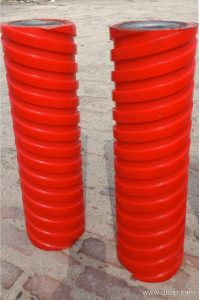
- Confirm lagging material: ceramic for high grip, rubber for general use.
- Request drawings and test certificates before finalizing delivery.
A correctly sized conveyor pulley reduces energy consumption by up to 5% and extends belt life. Audit your existing pulleys for wear patterns—cracks or uneven grooves signal an urgent replacement.
Why the Conveyor Bracket Deserves Your Attention
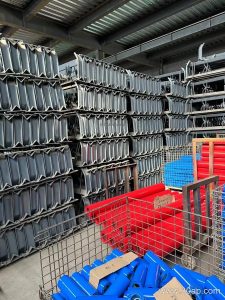
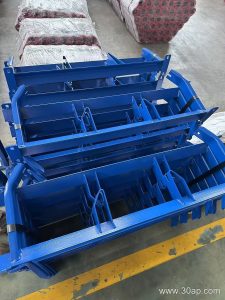
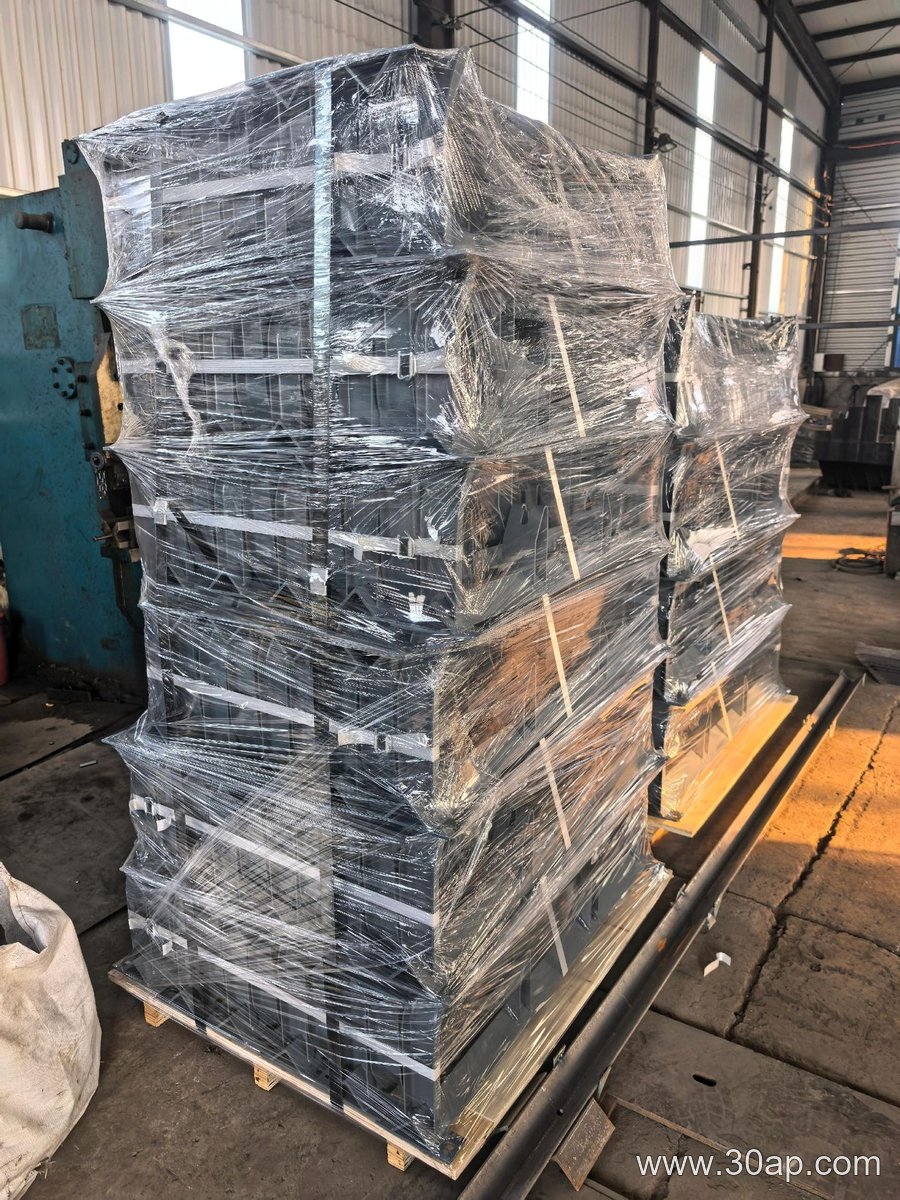
Every conveyor system relies on its structural supports, yet the conveyor bracket is often overlooked until misalignment causes downtime. This component anchors rollers, belts, and drives to frames, absorbing dynamic loads and maintaining precise tracking.
Key Selection Criteria
- Material grade: Choose galvanized steel for corrosive environments or stainless for food-grade lines; aluminum suits lightweight, portable conveyors.
- Load rating: Verify static and dynamic ratings exceed your peak belt tension plus product weight by a 1.5 safety factor.
- Adjustability: Slotted or multi-position brackets simplify belt tracking and tensioning without custom machining.
- Compatibility: Check bolt patterns and slot widths against your existing frame profiles to avoid retrofit welding.
Purchasing Advice
Request samples for vibration testing under full load. Buy from suppliers offering laser-cut precision and powder-coated finishes to prevent rust-induced fastener loosening. Always stock spare brackets for critical transfer points—downtime cost often exceeds part price tenfold.
Conveyor Belt Fundamentals for Buyers
A conveyor belt is the core of any bulk material handling system. Choosing the correct belt directly impacts uptime, maintenance costs, and product integrity. Start by evaluating three parameters: material characteristics, operating environment, and load profile.
Key Criteria for Conveyor Belt Selection
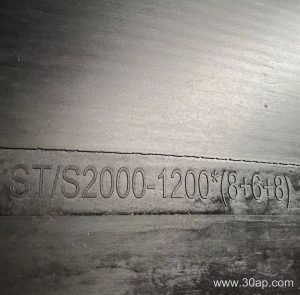
- Belt material: Rubber for abrasion, PVC for food contact, and steel cord for high-tension long hauls.
- Carcass strength: Match rated tensile strength to peak load and start-up torque.
- Cover thickness: Heavier covers resist sharp ores; thinner covers suit light packaged goods.
- Temperature range: Specify heat-resistant compounds above 80°C or cold-resistant below -30°C.
Purchasing Advice for Long Service Life
Request a belt with a safety factor of at least 10:1 for fixed installations. Verify splice type—mechanical for quick changes, vulcanized for seamless high-speed runs. Always measure belt width and pulley diameters against your existing idler spacing to avoid premature edge wear.
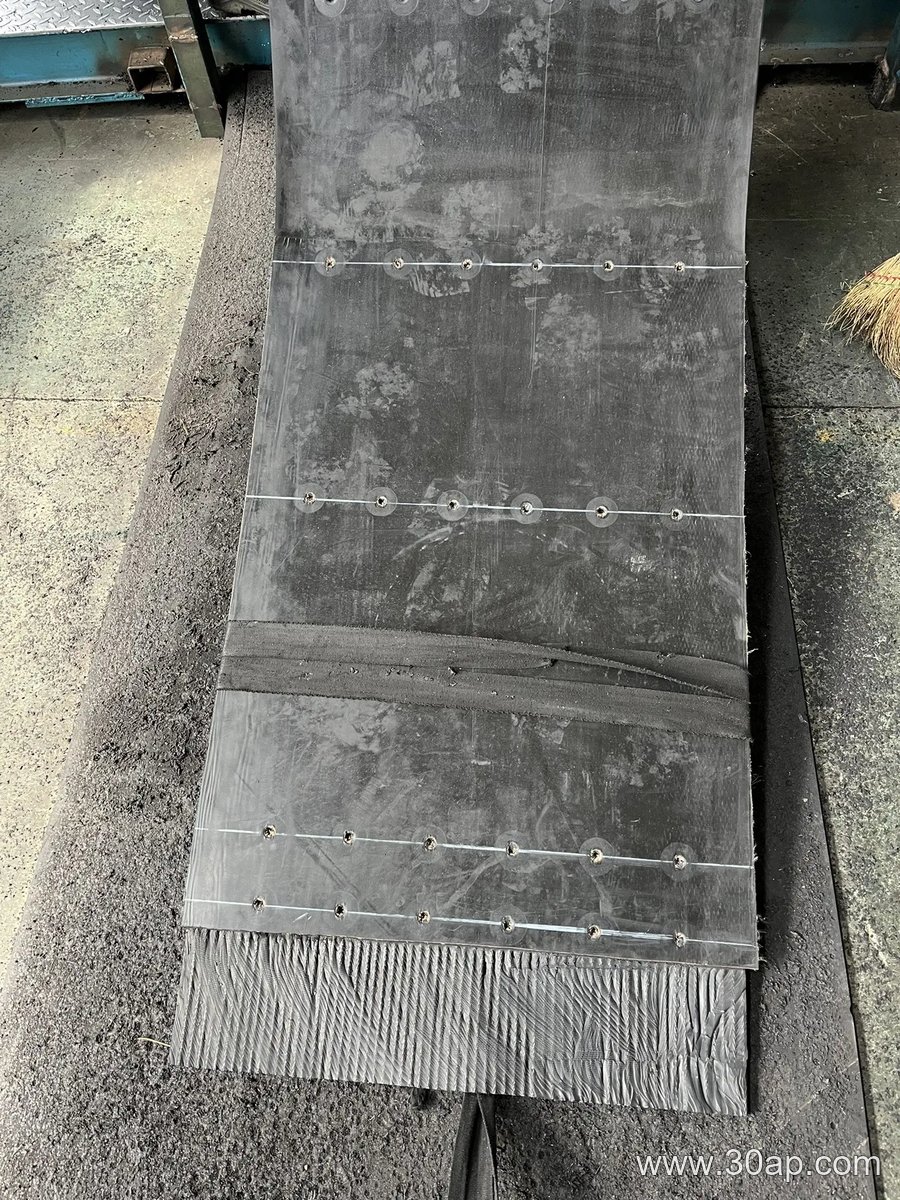
Finally, ask suppliers for load-deflection curves and dynamic splice efficiency data. A slightly higher initial cost for a reinforced edge or wear-resistant compound often pays back within two years. For inclined applications, consider cleated or chevron patterns to prevent backsliding.
Test a sample under realistic conditions before ordering full length, and keep a spare belt in stock to minimize unscheduled downtime.
Idler Roller Essentials for Conveyor Performance
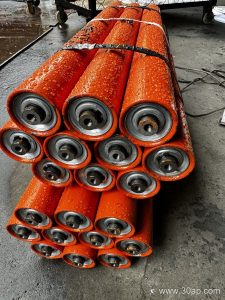
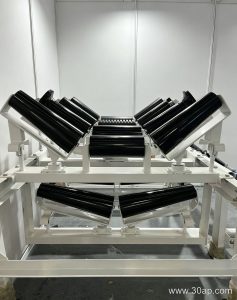
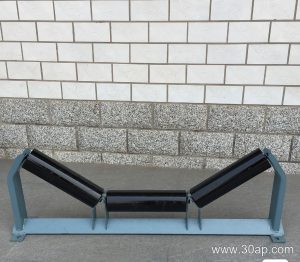
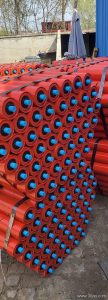
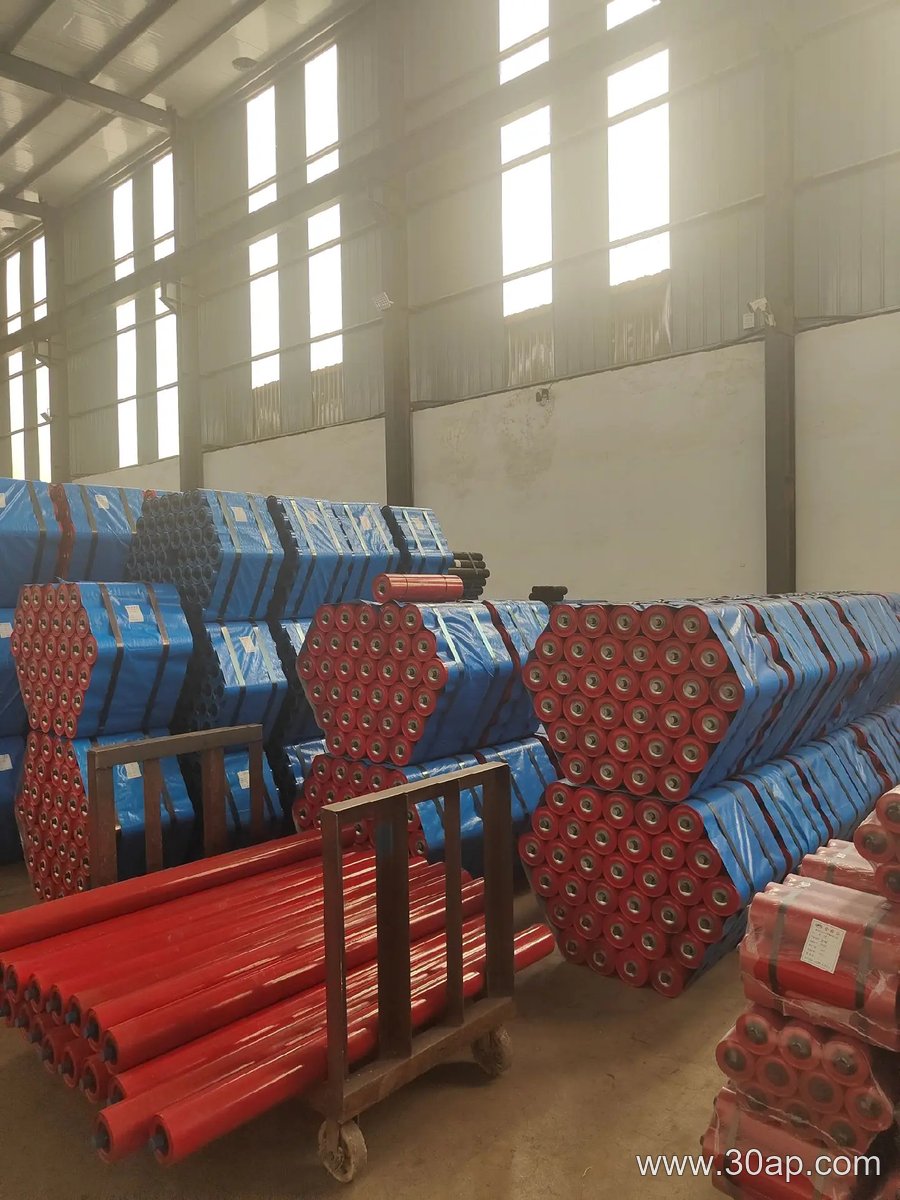
The idler roller is the unsung hero of any bulk material handling line. It supports the belt, shapes the load, and reduces friction—yet selecting the wrong one can cause premature belt wear, misalignment, and costly downtime. When sourcing idler rollers, prioritize the three S’s: steel quality, sealing system, and shell thickness.
Key Selection Criteria
- Load rating: Match the roller’s dynamic load capacity to your peak material weight, not just average flow.
- Tough sealing: Choose labyrinth or contact seals for dusty or wet environments to protect bearings.
- Shell material: For abrasive materials, opt for high-frequency welded steel with a minimum thickness of 4 mm.
- Bearing type: Deep-groove ball bearings with C3 clearance handle misalignment better.
Purchasing Advice
Always verify the roller’s runout tolerance—less than 0.5 mm is ideal to avoid belt flutter. Also, request a sample for a trial run on your actual conveyor. Buy from ISO 9001-certified manufacturers, and compare total cost of ownership, not just unit price. A high-quality idler roller can double belt life and cut maintenance hours by 30%.