What an Adjustable Conveyor Bracket Does on a Belt Line
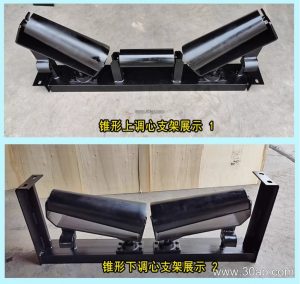
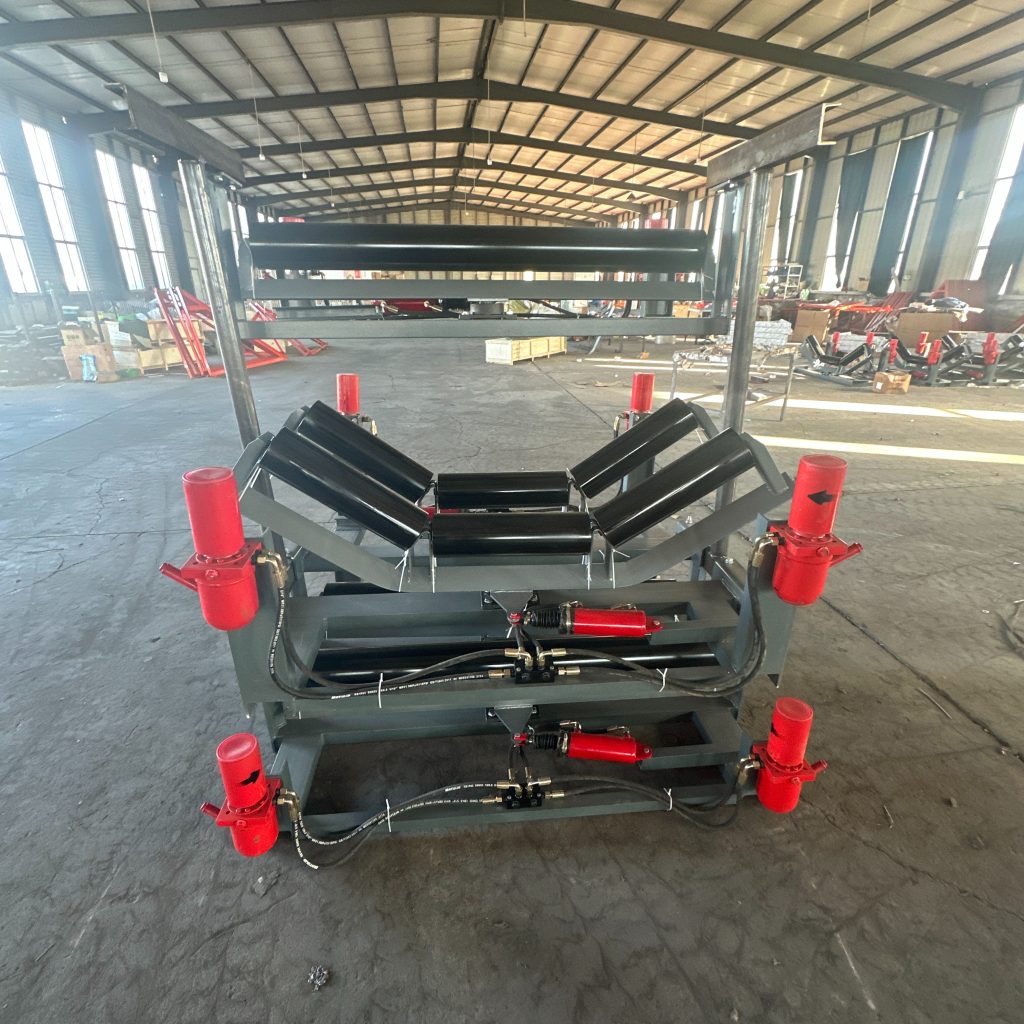
An adjustable conveyor bracket is a support component that holds idler rollers in place while allowing the trough angle, and sometimes the roller spacing, to be changed after installation. Instead of welding a fixed frame at one angle, maintenance teams can loosen the mounting points and reposition the arms to suit the material being carried. On a quarry conveyor belt or a cement plant line, this flexibility saves time when the duty changes from fine aggregate to lumpy rock.
The same item is often called an adjustable idler bracket or adjustable roller support frame. It works together with the conveyor belt, idler roller and conveyor pulley, but it is not a substitute for a drive pulley, tail pulley or bend pulley. Those parts transmit power and change belt direction, while the bracket only carries and positions the rollers.
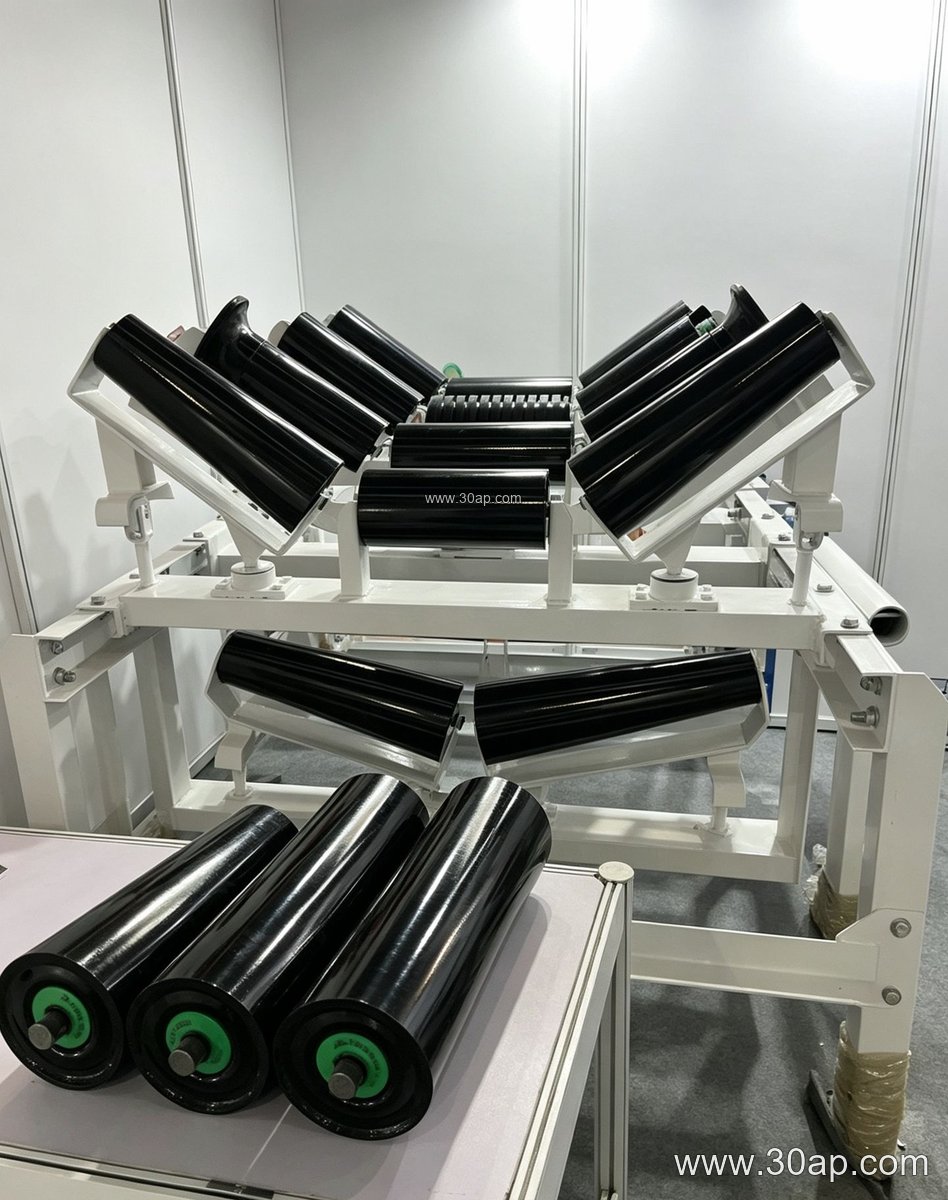
How the Bracket Is Built
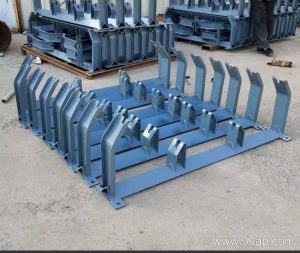
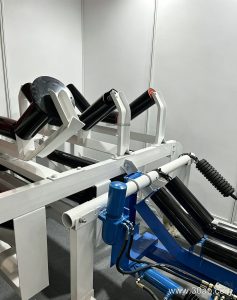
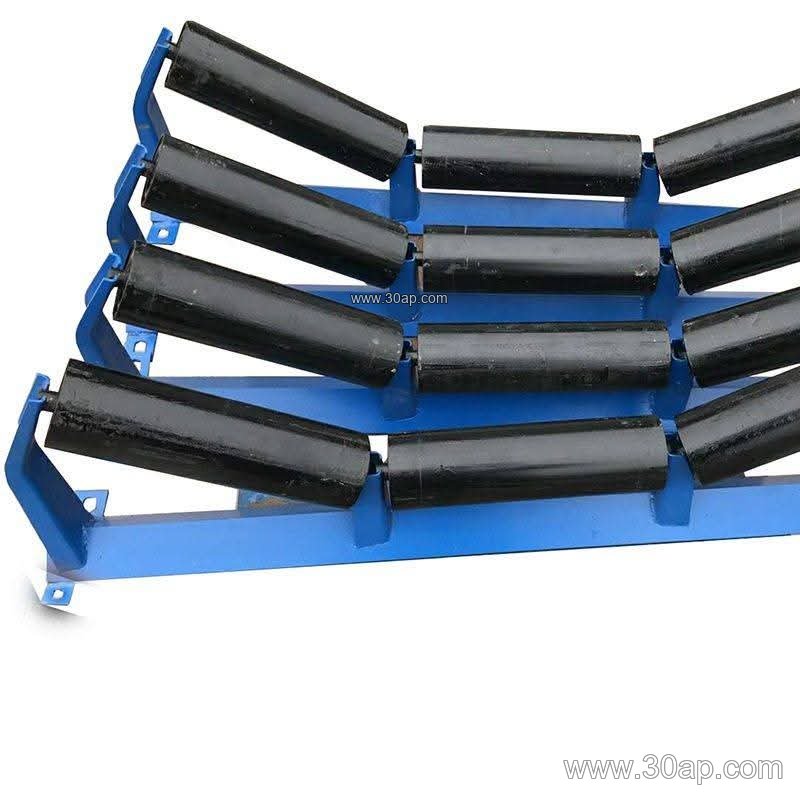
Most units are fabricated from angle steel, channel steel or folded steel plate. The frame usually has slotted holes or a set of index holes so the side arms can be set to common trough angles such as 20 degrees, 30 degrees, 35 degrees or 45 degrees. A locking bolt or pin keeps the chosen position fixed once adjusted. Some designs also allow a small forward tilt, commonly around 1.5 to 2 degrees, to help the belt track toward the center.
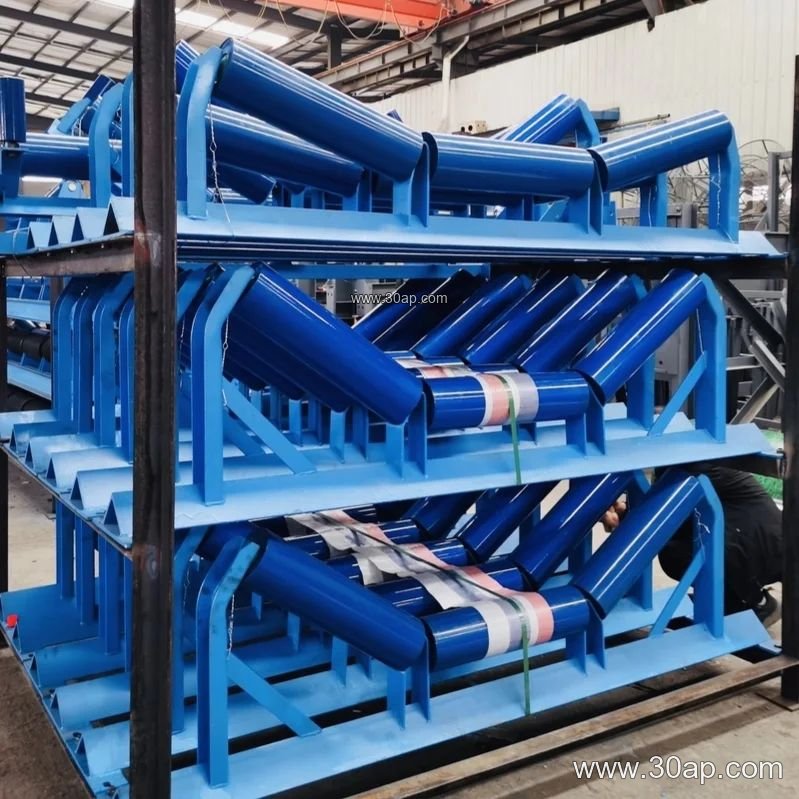
- Side arms with slotted or multi-hole adjustment
- Cross beam sized to the belt width
- Mounting plates for the idler roller shaft
- Bolted joints for on-site fine tuning
Installation hole spacing and cross beam length usually change with belt width and trough angle, so these dimensions are determined by design rather than treated as a single universal figure.
Where Adjustable Frames Fit Best
These brackets are common in stone crushing and screening plants, where feed size and belt loading shift during the day. They also appear in coal washing plants and power plant coal handling systems, especially on lines that carry a flame retardant conveyor belt or an abrasion resistant conveyor belt and need quick angle changes during commissioning.
In a limestone mine or iron ore operation, a heavier frame may be paired with a steel cord conveyor belt and larger rollers. A typical reference combination might be B800, 35 degrees, Ø108, or B1200, 45 degrees, Ø133. A narrower line such as B650, 30 degrees, Ø89 is also common. These are examples only; belt width does not lock a line to one trough angle or one roller diameter.
Common Reference Ranges
The table below lists typical values used when specifying an adjustable bracket. Treat them as reference data, not as fixed supply promises.
| Parameter | Common Range |
|---|---|
| Belt width | B500, B650, B800, B1000, B1200, B1400, B1600, B1800, B2000, B2200 |
| Trough angle | 20°, 30°, 35°, 45° |
| Roller diameter | Ø89, Ø108, Ø133, Ø159, Ø194 |
| Frame material | Angle steel, channel steel, folded plate |
| Forward tilt | About 1.5° to 2° |
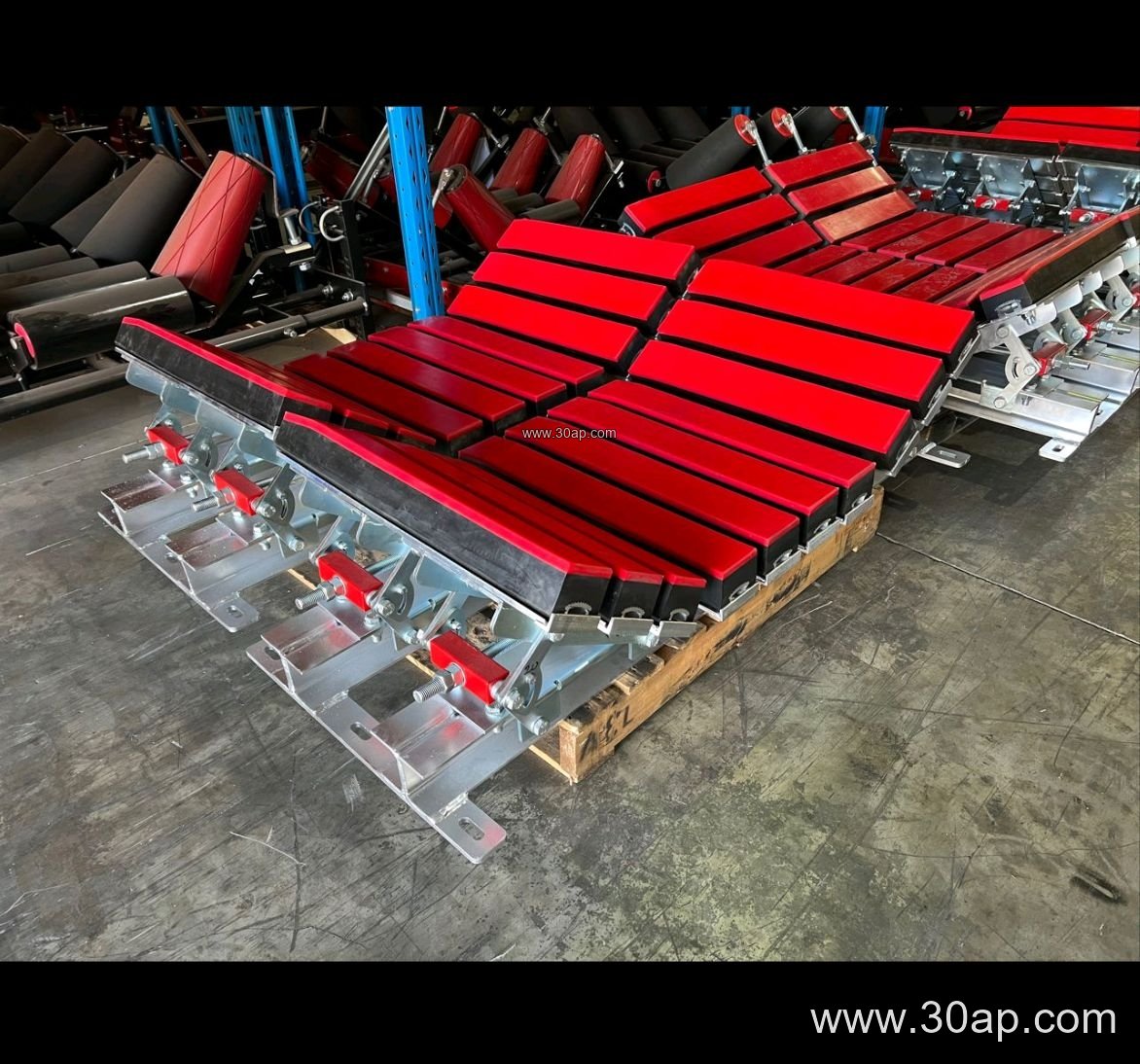
Bracket types in this family include trough brackets, transition brackets, return brackets, flat return brackets, V-return brackets, impact brackets, self-aligning brackets and hanging brackets. The adjustable version is chosen when the line needs field tuning rather than a welded fixed frame.
Adjustable Versus Fixed Bracket
A fixed bracket is simpler and often cheaper, but it cannot be re-angled once installed. An adjustable frame costs a little more and needs periodic bolt checks, yet it lets a crew correct belt wander, match a new material, or fine tune the transition zone near a conveyor pulley. For a sand and gravel line that changes product mix often, that flexibility is usually worth the extra inspection work.
Buyer Checklist
- Confirm belt width and the intended trough angle range before ordering.
- Match the bracket to the actual idler roller diameter, not to belt width alone.
- Check that mounting hole spacing fits the existing cross beam or stringer.
- Ask whether the frame is designed for a forward tilt if belt training is a concern.
- For corrosive or wet conditions, confirm the surface treatment.
- Plan a bolt torque check as part of routine maintenance.
Used with the right idler roller and a well tracked conveyor belt, an adjustable conveyor bracket helps keep a bulk material line running straight in mines, cement works, ports and aggregate plants. More conveyor component guidance is available at rubberbeltpro.com, including notes on roller selection and frame layout.