What an Adjustable Conveyor Bracket Does
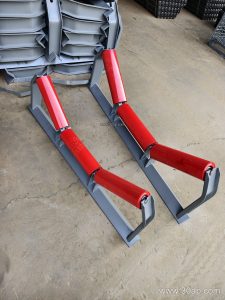
An adjustable conveyor bracket is the mounting component that lets a conveyor’s carrying-side idler set work at more than one trough angle. Instead of welding a fixed frame at 30 or 35 degrees, the bracket carries pivoting or slotted arms so maintenance crews can change the trough profile to suit the material being handled. In a quarry running a 1200mm wide belt, for example, a wider trough may keep stone better centered, while a cement plant handling fine clinker may prefer a shallower angle to reduce spillage at transfer points.
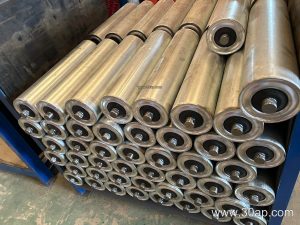
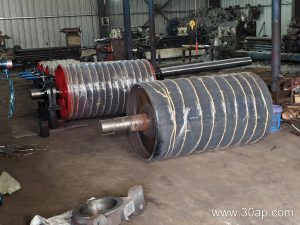
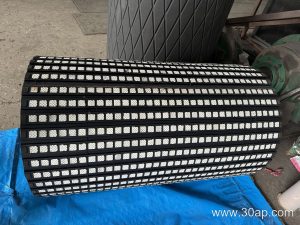
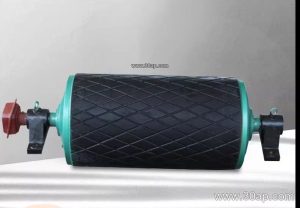
The bracket is not the same as a drive pulley, tail pulley or bend pulley. Those are the large rotating drums that transmit power and change belt direction. The adjustable bracket sits between them, supporting the conveyor belt and the idler roller that carry the load.
How the Bracket Is Built
Most units are fabricated from angle steel, channel steel or folded steel plate. The frame usually has two side arms with a series of holes or a curved slot, allowing the idler shaft to sit at several positions. A locking bolt or pin holds the chosen setting. Because the arms move, the overall crossbeam length and mounting hole spacing change with belt width and trough angle, so these dimensions are set by design rather than fixed by a catalogue number.
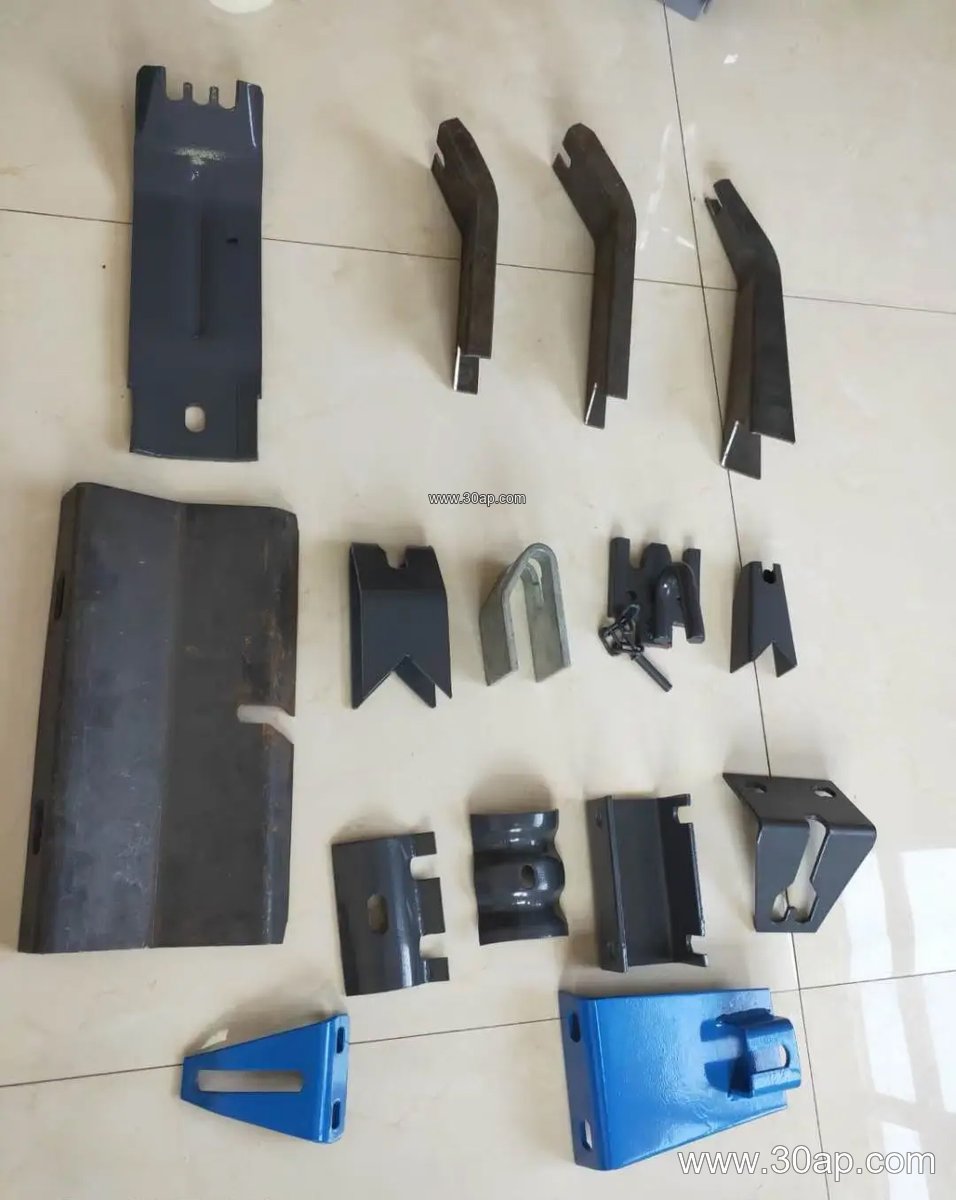
Common configurations include:
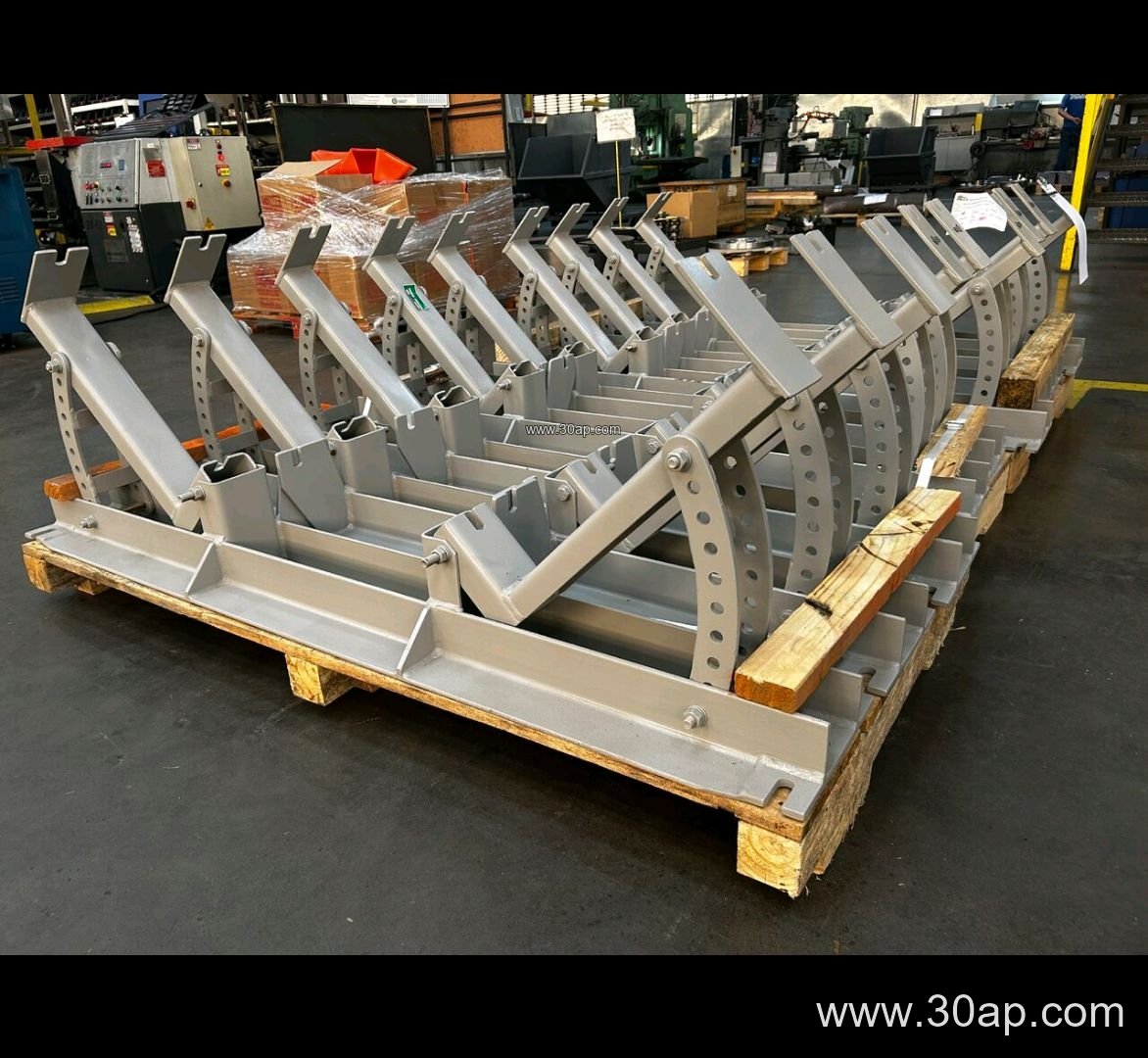
- Upper trough brackets that can be set between 20 and 45 degrees
- Transition brackets placed near pulleys to guide the belt from flat to troughed
- Return brackets, including V-type return frames, on the lower run
- Impact brackets under loading points, often paired with cushion rollers
- Self-aligning and forward-leaning variants at about 1.5 to 2 degrees
Material choice and plate thickness follow the duty. A heavy-duty mining conveyor bracket in an iron ore plant will usually be thicker than a light frame in a grain silo.
Matching Belt Width, Trough Angle and Roller Diameter
Buyers often ask which roller diameter fits a given belt. There is no single answer, because belt width, trough angle and load all influence the choice. The table below shows typical reference combinations, not mandatory pairings.
| Belt Width | Trough Angle | Common Roller Diameter | Typical Setting |
|---|---|---|---|
| B500 | 20–30 degrees | Ø89 | Light aggregate, sand |
| B650 | 30–35 degrees | Ø89 or Ø108 | Crushing and screening lines |
| B800 | 35 degrees | Ø108 | General bulk material |
| B1000 | 35–45 degrees | Ø133 | Cement, coal handling |
| B1200 | 45 degrees | Ø133 or Ø159 | Heavy ore, power plant coal |
| B1400–B1600 | 35–45 degrees | Ø159 or Ø194 | Port and steel plant duty |
These values are reference data only. A B1000 belt can run at 30 degrees with a Ø108 roller if the design calls for it, and a B650 line may use a larger roller where impact loads are high. Shaft diameter should be confirmed from the roller and bracket design, not assumed from belt width alone.
Where Adjustable Brackets Are Used
These brackets appear wherever the belt profile needs fine tuning. In a coal washing plant, changing the trough angle helps control coal that tends to ride off-center. In a limestone quarry, transition brackets smooth the path from the tail pulley into the first trough set. In a power plant coal yard, adjustable frames make it easier to correct belt misalignment without replacing the whole idler station.
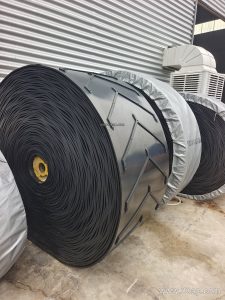
The bracket works together with the belt itself. A chevron conveyor belt or corrugated sidewall belt may need a different trough setting than a plain EP conveyor belt. Abrasion resistant conveyor belt grades used in aggregate service also benefit from stable roller contact, which a correctly set bracket provides.
What Buyers Should Check
- Confirm the bracket matches the actual belt width, not just the nominal figure.
- Ask for the adjustable range in degrees and the locking method.
- Check that the roller shaft size fits the bracket slots or holes.
- Verify material thickness for the duty, especially in crusher and transfer areas.
- Confirm hole spacing and crossbeam length against the existing conveyor frame.
For related components, buyers can review options at industrial-conveyor.com covering conveyor bracket, idler roller and conveyor pulley ranges, and at beltandconveyor.com for conveyor belt selections including flame retardant conveyor belt and heat resistant conveyor belt grades used in power and cement plants.