What a 600mm Conveyor Belt Is
A 600mm conveyor belt is a belt with a nominal width of 600 millimeters, built to run on a conveyor frame with matching pulleys, idler rollers, and brackets. It sits in the light-to-medium width range: wider than a 500mm belt but narrower than the common 650mm and 800mm sizes. Because of this, it is often chosen for secondary lines, transfer points, and space-limited installations in mines, quarries, cement plants, and power stations where a full-width trunk conveyor is unnecessary.
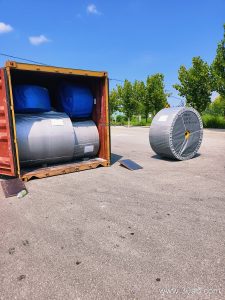
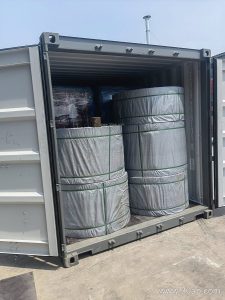
The belt itself is a composite product. A fabric core or steel cord carcass carries the tension, while rubber or PVC covers protect the carcass from abrasion, heat, oil, and moisture. The 600mm figure describes width only; strength, cover thickness, and core material are separate decisions that the buyer must specify.
Construction and Common Configurations
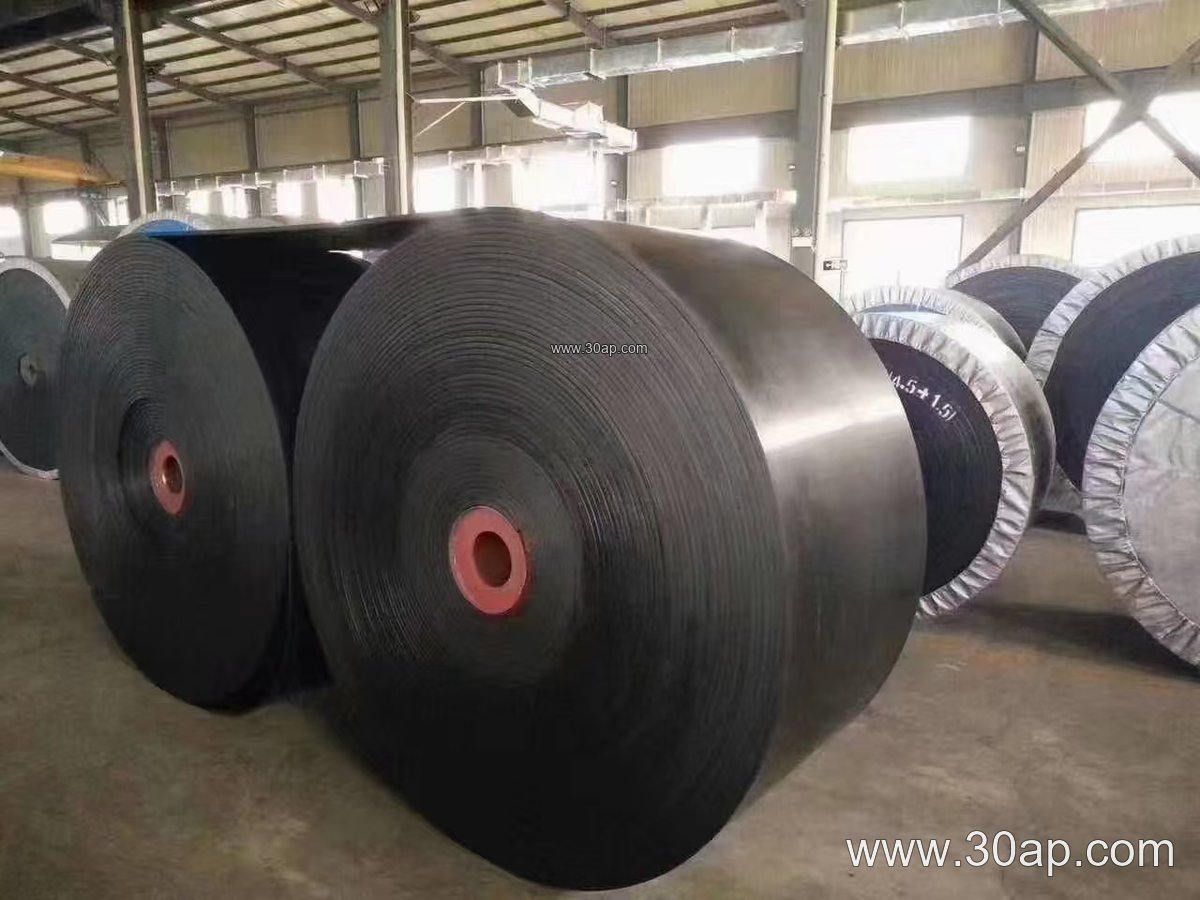
Most 600mm belts are supplied with a fabric core, typically EP (polyester-cotton) or NN (nylon-nylon) canvas. A EP conveyor belt is the usual starting point for general bulk material because it stretches less than NN under the same load. Steel cord construction is less common at this width but can appear on short, high-tension drives.
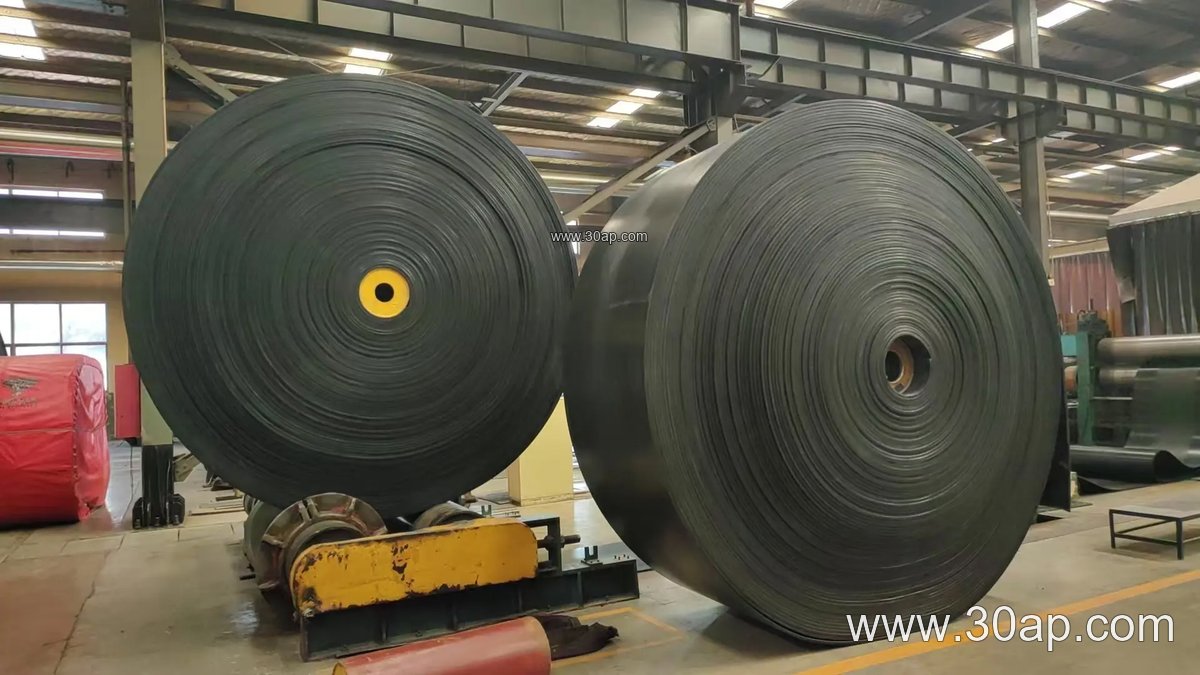
Covers are usually specified as top plus bottom thickness. Typical combinations are 3+1.5 mm, 4+2 mm, 5+2 mm, and 6+2 mm, with 2 to 6 plies of fabric. The correct choice depends on lump size, drop height, and the abrasiveness of the material.
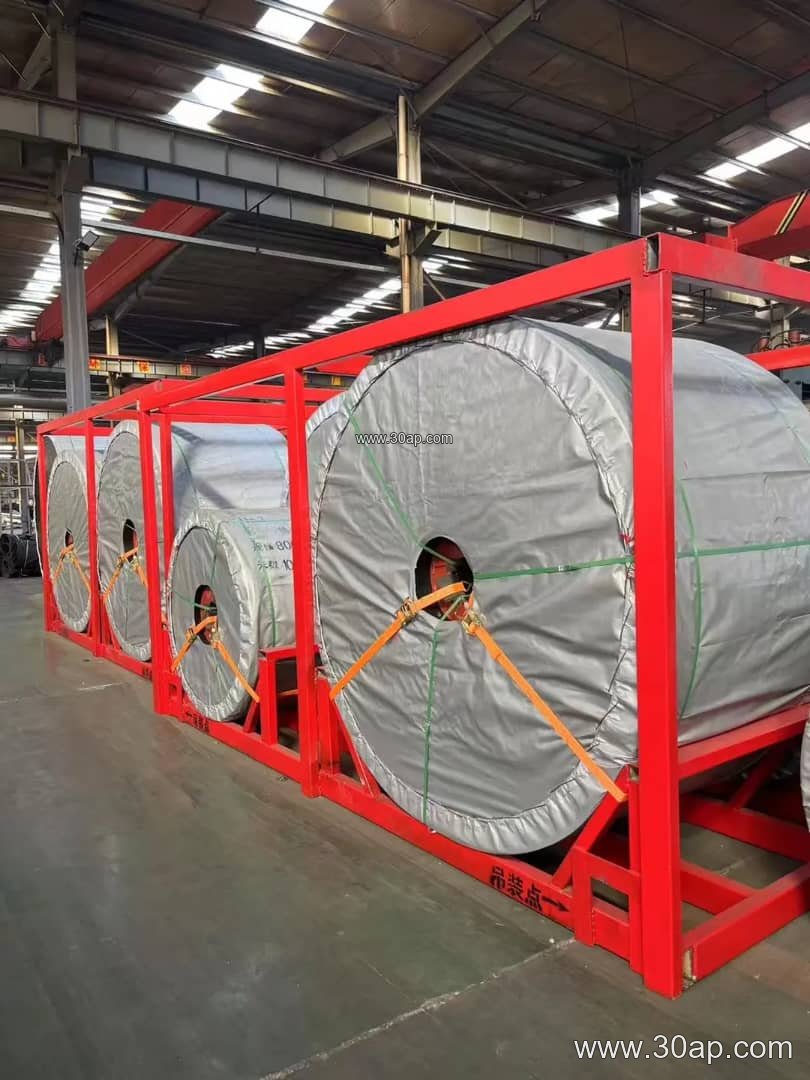
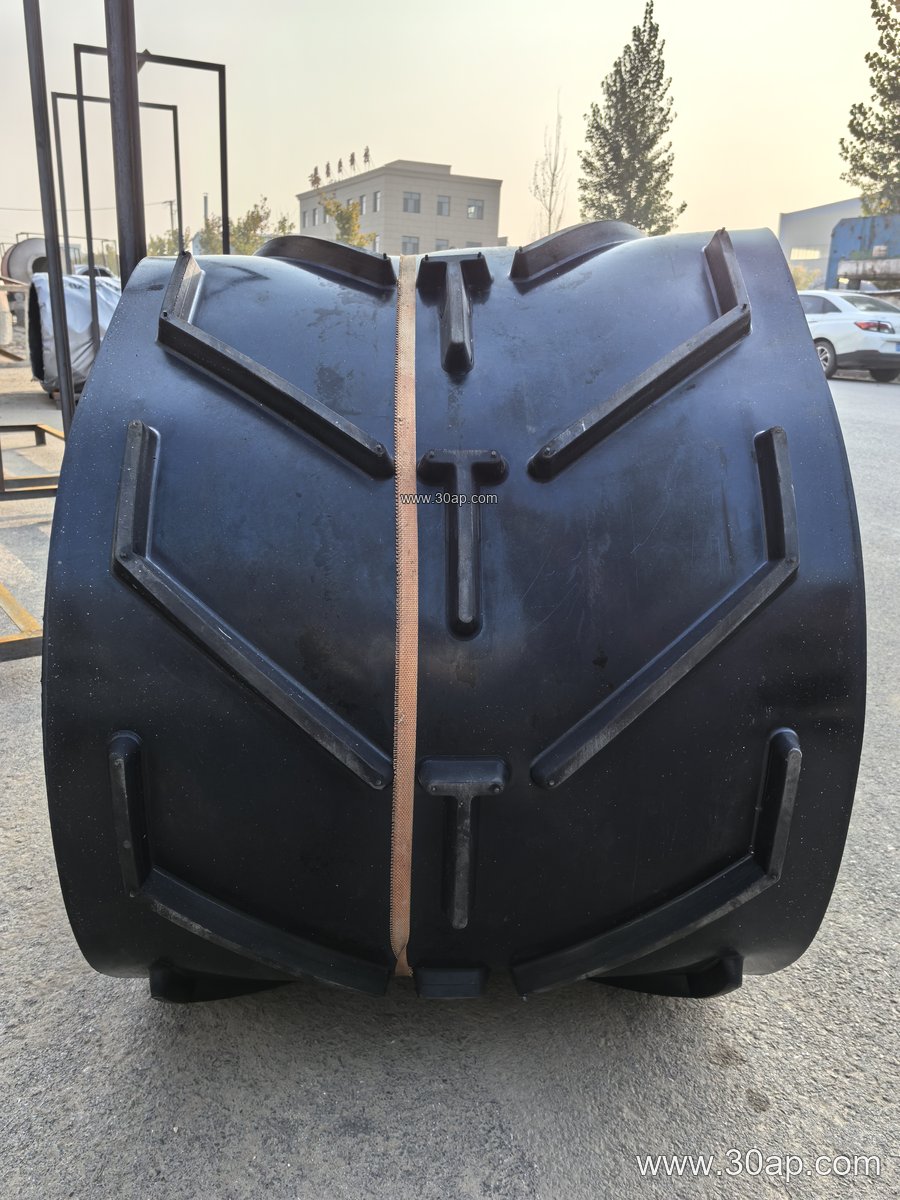
Special constructions are available when the duty demands them. A chevron conveyor belt or a corrugated sidewall belt helps on inclines where material would otherwise slide back. Heat resistant, oil resistant, and flame retardant grades are common in cement kilns, coal handling, and underground works.
Where 600mm Belts Are Used
The width suits a range of industries. In mining and coal preparation, a flame retardant conveyor belt is often required for underground sections, while surface plants may use standard abrasion resistant covers. Quarries and aggregate yards use 600mm belts on screens, crusher discharge, and stockpile feed lines.
Cement plants, power stations, and sand making plants use this width for additive feeding, clinker transfer, and ash handling. Port and ship loading operations sometimes employ it on smaller boom conveyors. Recycling lines and construction sites also favor it where a compact frame is needed.
Matching the Belt to Pulleys and Idlers
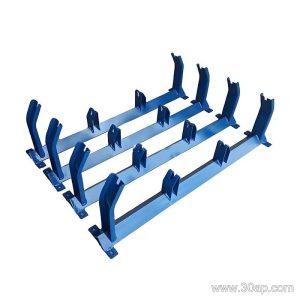
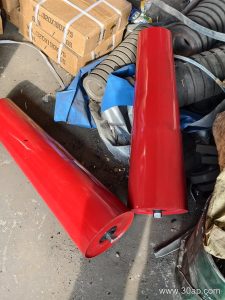
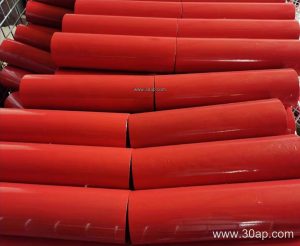
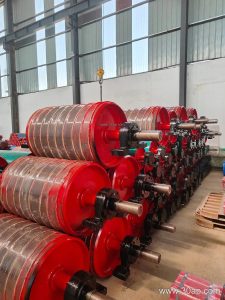
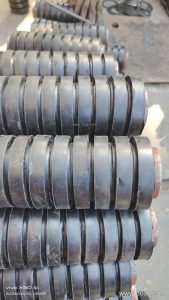
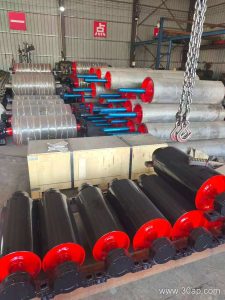
A 600mm belt does not dictate a single pulley diameter. Drive pulleys, tail pulleys, and bend pulleys are selected from the belt tension, the number of plies, and the required wrap angle. A drive pulley is not interchangeable with a tail pulley or a bend pulley, and each has its own diameter and lagging choice. Likewise, idler rollers and conveyor brackets should match the frame and belt width, but their dimensions come from the conveyor design rather than from the belt alone.
As a rule of thumb, a belt should be at least 50mm wider than the material stream, and the troughing idlers should support the belt evenly. On a 600mm belt, three-roll troughing sets are typical, with the center roll horizontal and the side rolls at an angle.
Specification Reference
The table below shows reference values that appear in supplier catalogs. Actual supply depends on the manufacturer and the application.
| Property | Common Options |
|---|---|
| Belt width | 600 mm (B600) |
| Core type | EP fabric, NN fabric, steel cord |
| Fabric plies | 2 to 6 |
| Strength grades | EP200, EP315, EP400, EP500, EP630, EP800 |
| Cover thickness | 3+1.5, 4+2, 5+2, 6+2 mm |
| Special grades | Heat resistant, oil resistant, flame retardant, anti-static, cold resistant |
Note that EP630 and above are usually paired with thicker covers, while EP200 and EP315 suit lighter duties. These are examples, not fixed rules.
Buyer Checklist
- Confirm the required strength grade and number of plies from the conveyor designer.
- State the material type, lump size, and temperature so the cover compound can be chosen.
- Specify whether a flame retardant or anti-static grade is needed for underground or coal service.
- Check pulley diameters and idler spacing against the belt tension, not against the width alone.
- Ask for the belt edge condition, splice type, and whether an endless belt is required.
- Keep spare idler rollers and brackets on hand to avoid downtime.
When ordering, give the full description: width, core, grade, cover thickness, and any special property. A clear specification avoids the common mistake of treating a 600mm belt as a single product, when in fact it is a family of belts built for different duties.