What a 630mm Drive Pulley Does
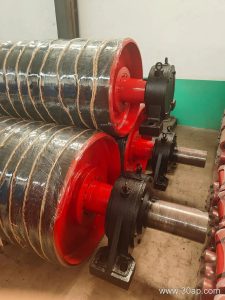
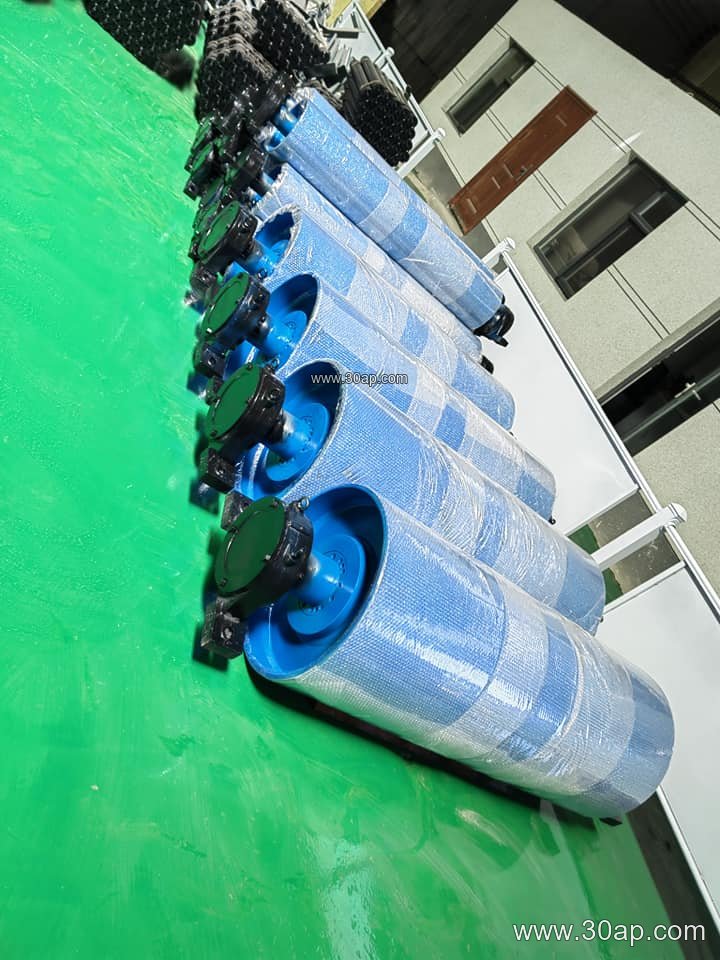
A 630mm drive pulley is the powered drum at the head end of a belt conveyor, transmitting torque from the gearbox to the conveyor belt through friction between the drum surface and the belt cover. With a nominal diameter of Ø630 mm, it sits in the mid-to-large range of conveyor pulleys and is often chosen where belt tension, wrap angle, and torque demand exceed what a smaller head drum can handle comfortably. In a quarry, a limestone mine, or a cement plant clinker line, this drum is frequently the point where the entire conveyor’s pulling force is generated.
As a head pulley, it also acts as the unloading point, so its geometry and lagging affect both traction and belt tracking. Unlike a tail pulley or a bend pulley, which mainly guide and tension the belt, the drive pulley carries the working load of the whole system. That distinction matters when specifying spares.
Construction and Surface Options
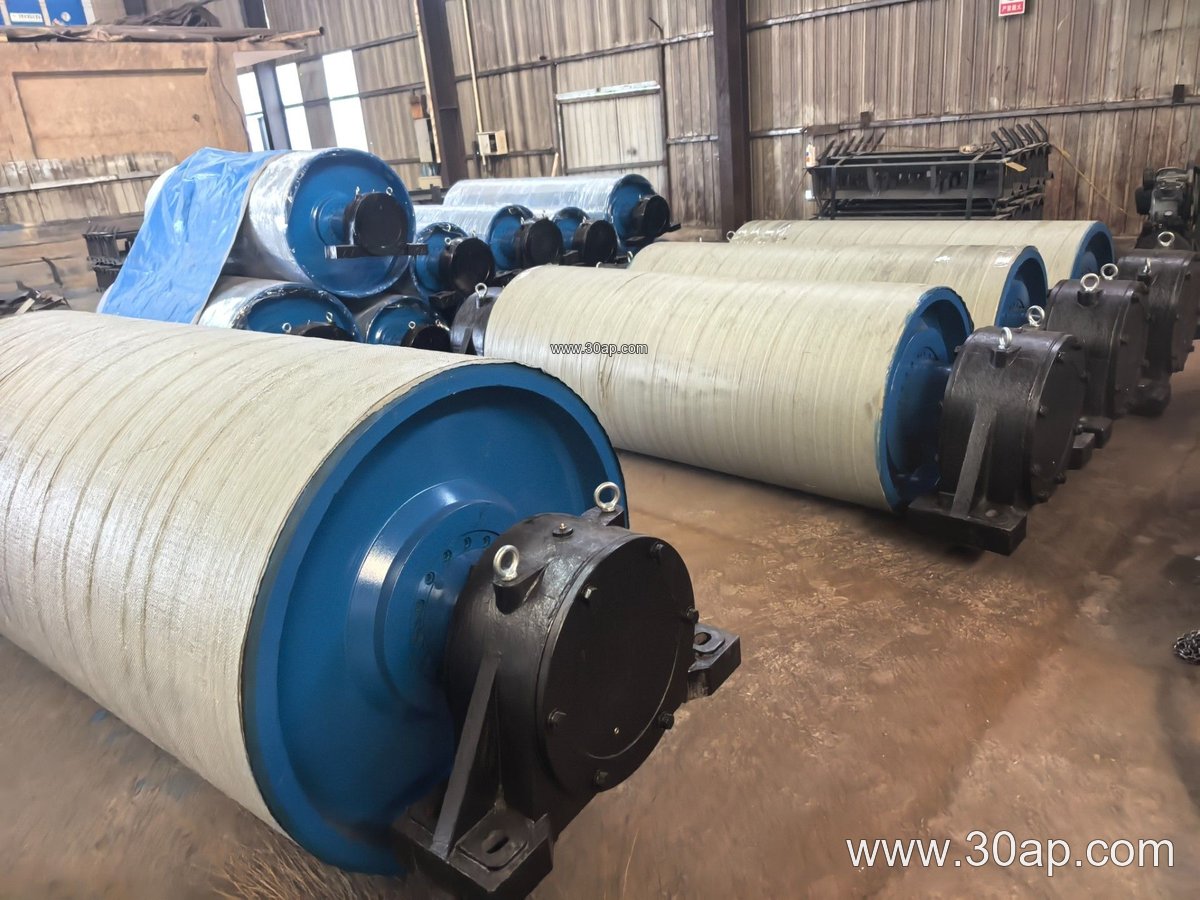
The drum body is usually a welded steel shell with machined end discs, mounted on a forged or turned shaft. Common shaft diameters run from Ø120 mm up to Ø200 mm for this size class, but the final shaft size should be set by torque and radial load calculations, not by belt width alone. Bearing housings, keyways, and coupling details are matched to the drive arrangement.
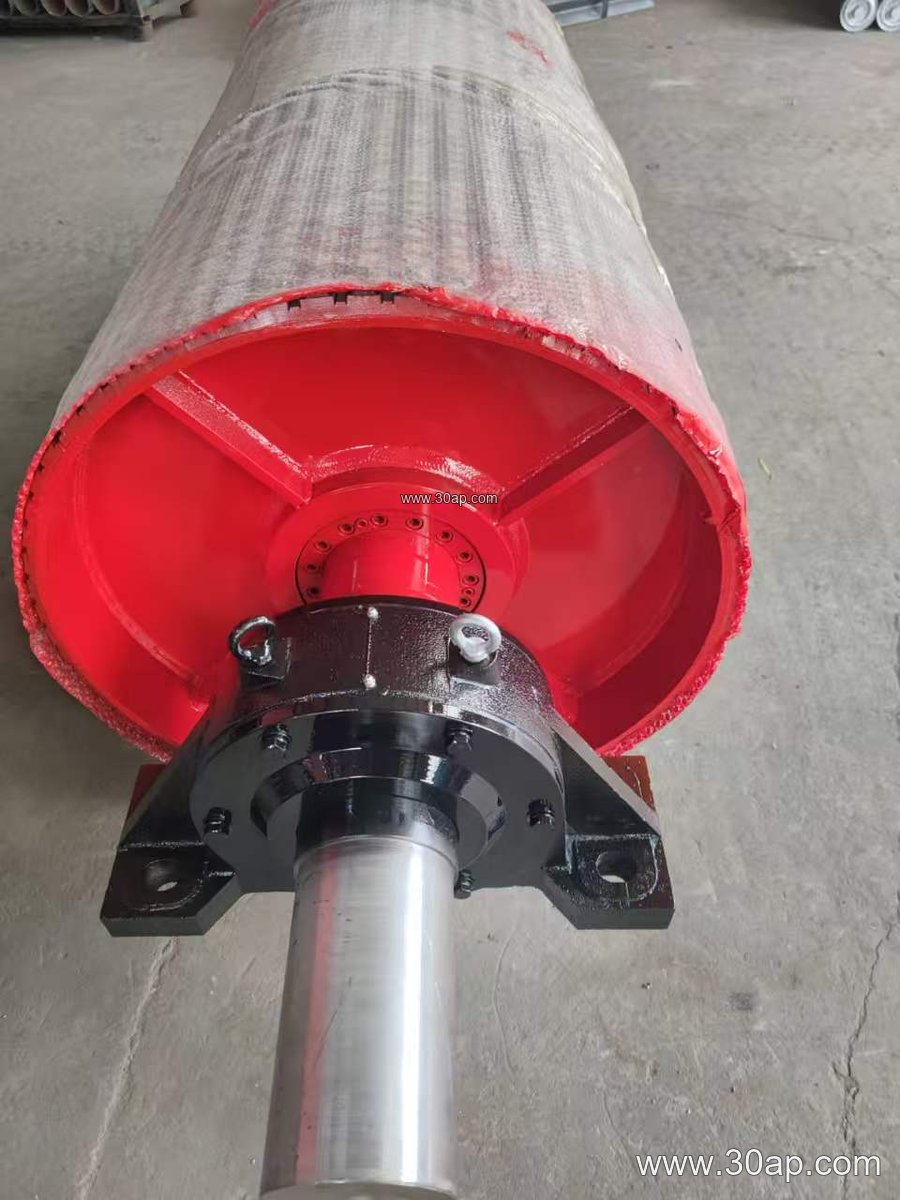
The surface form is a key decision. Plain drums suit light-duty or low-traction needs, while lagged drums improve grip. Typical choices include:
- Hot-vulcanized rubber lagging, common in heavy-duty mining and aggregate service
- Cold-bonded rubber lagging for easier field replacement
- Diamond or herringbone grooving to shed water and fines
- Ceramic lagging for high-wear, wet, or slippery conditions
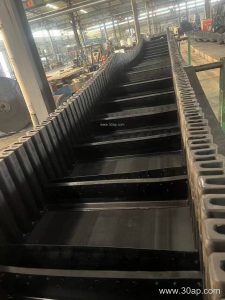
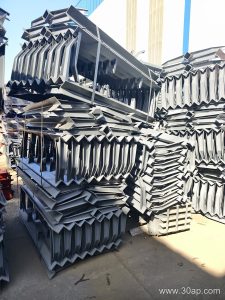
Lagging thickness is commonly 8, 10, 12, 15, or 20 mm, selected against belt tension and environmental conditions. A rubber conveyor belt with smooth covers may call for different lagging than a chevron or corrugated sidewall belt.
Typical Dimensions and Matching
Face width is normally wider than the belt. For a Ø630 mm drum, common combinations include B650, B800, B1000, and B1200 belts, with face widths around 750 mm, 950 mm, 1150 mm, and 1400 mm respectively. These are reference pairings, not fixed rules; a 630mm drive pulley can be built for several belt widths depending on the conveyor design.
Reference Data for Selection
The table below shows typical values used in early-stage specification. Confirm final dimensions with the conveyor designer.
| Item | Common Range | Notes |
|---|---|---|
| Nominal diameter | Ø630 mm | Fixed for this product |
| Belt width (B) | B650 to B1200 | Other widths possible by design |
| Face width | About 750 to 1400 mm | Usually wider than belt |
| Shaft diameter | Ø120 to Ø200 mm | Set by torque and load |
| Lagging thickness | 8, 10, 12, 15, 20 mm | Depends on duty |
| Surface | Plain, rubber, diamond, ceramic | Match to material and moisture |
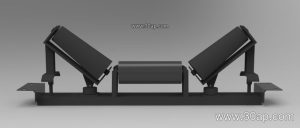
When specifying, pair the drum with suitable conveyor pulley bearings and a rigid conveyor bracket so that alignment is maintained under load. The belt, idler roller spacing, and drum diameter should be reviewed together to avoid excessive belt bending stress.
Where It Fits in the Plant
This drum size appears in several demanding settings. In a coal preparation plant, a 630mm drive pulley may head a main haulage conveyor handling washed coal. In a limestone or iron ore operation, it often drives a primary or secondary crushing discharge belt. Cement plants use it on clinker and raw meal conveyors where heat and abrasion are present, and power plant coal handling systems rely on similar head drums for continuous fuel feed.
Because it is a drive pulley, it should not be swapped with a tail or bend pulley of the same diameter. Those subtypes serve different mechanical roles and are designed for different loads.
Buyer Checklist
- Confirm the required torque and belt tension before choosing shaft size.
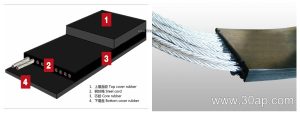
- State the belt type, including fabric or steel cord construction, so lagging and crown can be matched.
- Specify lagging material and groove pattern for the actual material and moisture level.
- Check face width against belt width, allowing for tracking and edge clearance.
- Review bearing type, sealing, and lubrication access for the installation position.
- Ask for dimensional drawings and material certificates where available.
A well-matched 630mm drive pulley, paired with appropriate EP conveyor belt or steel cord belting and correctly aligned idlers, supports stable output in quarries, mines, cement works, and power stations. Final specifications should always follow the conveyor designer’s calculations and the supplier’s confirmed datasheet.