What the Ø127 Heavy-Duty Idler Is
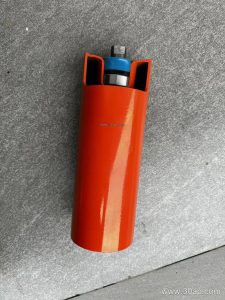
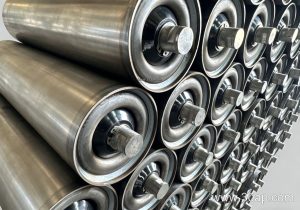
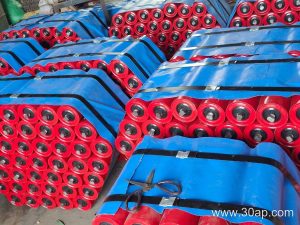
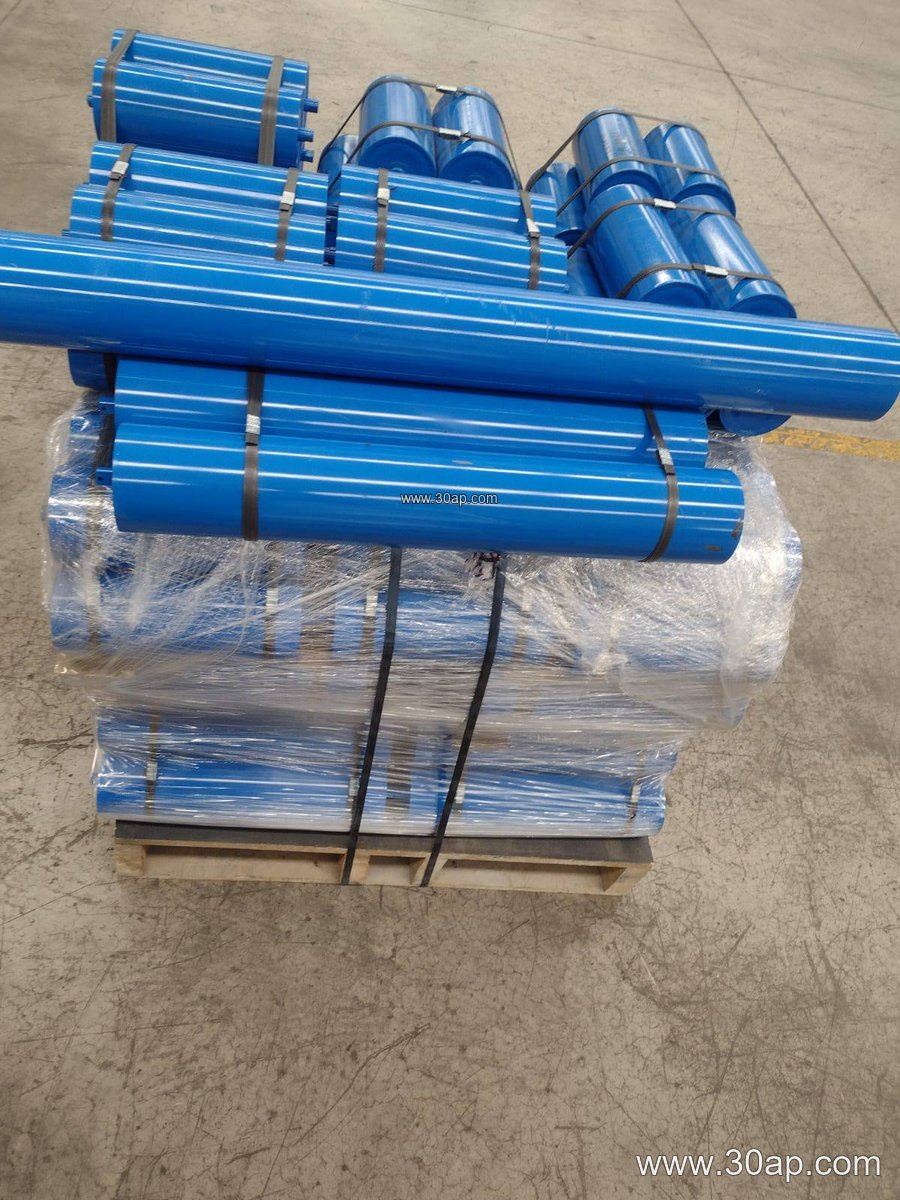
The Ø127 Heavy-Duty Idler is a robust carrying or return roller built around a 127 mm nominal roll diameter. In conveyor terminology, it is often called a 127 mm heavy-duty idler roller or a Ø127 HD idler. This size sits in the middle of the common roller range, making it a practical choice for medium to wide belts where load and impact are significant. It is not a drive pulley, tail pulley, or bend pulley; those are different components with separate functions. The Ø127 heavy-duty idler is a rotating support element that helps shape and support the conveyor belt along its path.
Construction and Design Features
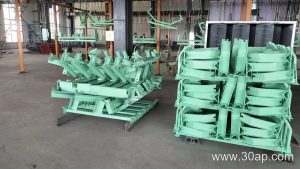
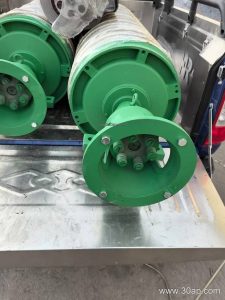
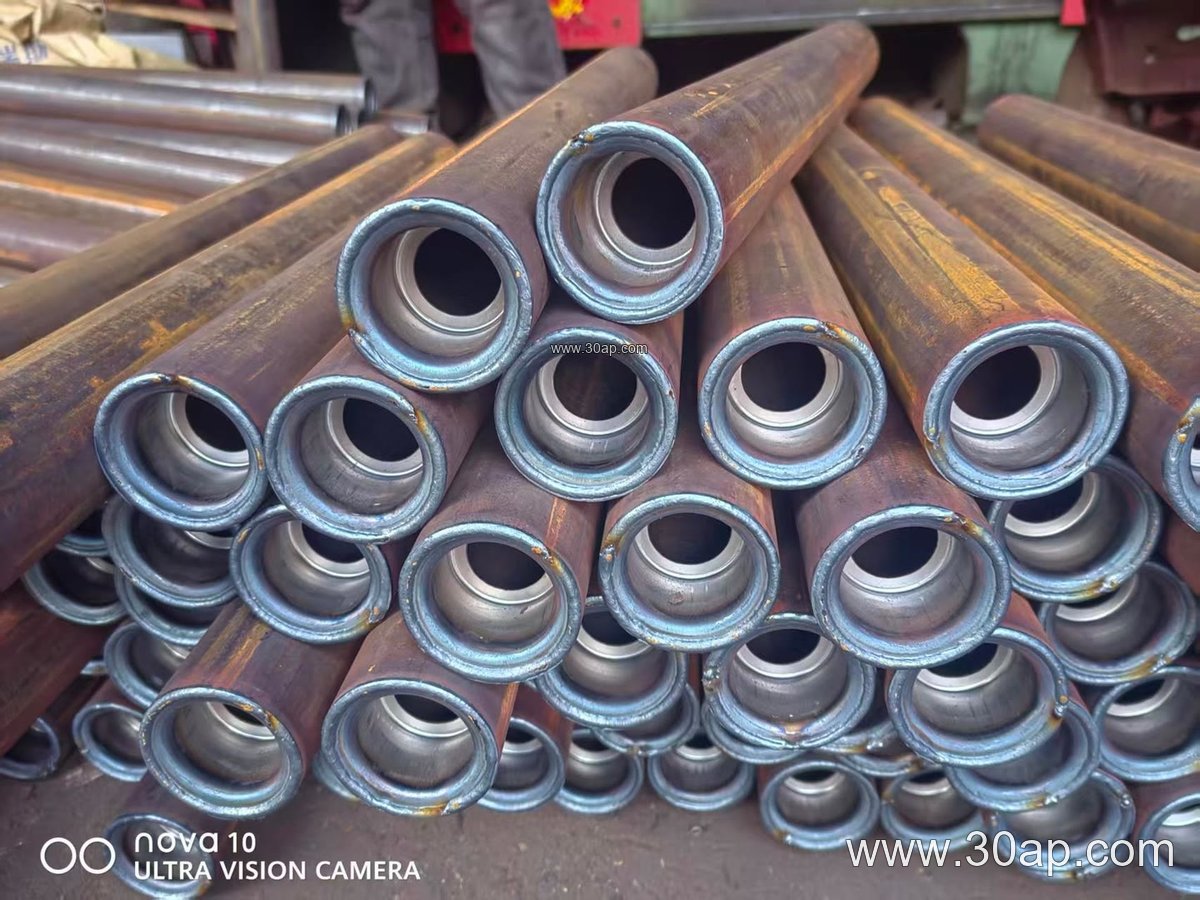
A typical Ø127 heavy-duty idler uses a thick-walled steel tube for the roller shell, with bearing housings welded or pressed into each end. The shaft is usually solid or heavy-wall tubing, sized according to the load and belt width rather than the diameter alone. Common bearing sizes for this class include 6205, 6305, 6306, and 6308, though the final choice depends on the duty cycle and manufacturer design. Seals are critical in dusty or wet conditions, and many heavy-duty versions use labyrinth seals or multi-stage contact seals to keep grit away from the bearings. Surface options can include plain steel, rubber rings for impact absorption, or ceramic lagging for high-wear zones. The Ø127 heavy-duty idler is frequently part of a three-roll troughing set, where the side rollers are inclined to form a trough angle of 20, 30, 35, or 45 degrees. Transition and impact positions may use the same roll diameter but different roll lengths and mounting arrangements.
Where It Fits in a Conveyor
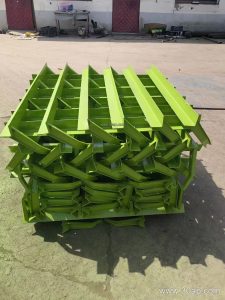
This idler is common in bulk handling operations such as a quarry, a limestone mine, a coal washing plant, a cement plant, and a power plant coal yard. It can be used on the carrying side in a troughing arrangement, on the return side as a flat return roller, or as a V-return roller to help center the belt. In a crushing and screening circuit, a Ø127 heavy-duty idler may support a heavy-duty conveyor belt loaded with rock and aggregate. In a coal mining conveyor, it may work alongside a flame retardant conveyor belt or an anti-static conveyor belt. The same roller diameter can appear in different frame types, so the surrounding conveyor bracket and the roll length must match the belt width and trough angle. For example, a three-roll troughing set on a B800 belt may use rolls around 315 mm long, while a B1200 set may use rolls around 465 mm long; these are common examples, not fixed rules. The Ø127 heavy-duty idler should not be confused with a conveyor pulley, which transmits drive power or changes belt direction.
Common Sizes and Reference Data
Roll length and bearing selection vary with belt width, trough angle, and load. The table below gives typical reference values for a Ø127 heavy-duty idler in three-roll troughing sets. Values are for guidance only and should be confirmed with the conveyor design.
| Belt Width | Typical Roll Length (three-roll set) | Common Bearing Options | Typical Trough Angle |
|---|---|---|---|
| B500 | 200 mm | 6205, 6305 | 20–35° |
| B650 | 250 mm | 6205, 6305, 6306 | 20–35° |
| B800 | 315 mm | 6305, 6306, 6308 | 20–35° |
| B1000 | 380 mm | 6306, 6308 | 30–35° |
| B1200 | 465 mm | 6308, 6310 | 30–35° |
| B1400 | 530 mm | 6308, 6310 | 30–45° |
| B1600 | 600 mm | 6310 | 35–45° |
| B1800 | 670 mm | 6310 | 35–45° |
| B2000 | 750 mm | 6310 | 35–45° |
Side rollers and center rollers may differ in length within the same set. A heavy-duty idler roller with a 127 mm diameter can also be supplied as a single-roll flat return or as a two-roll V-return, so the mounting style matters as much as the diameter. For wider belts, such as a 1200mm wide conveyor belt or a 1500mm wide conveyor belt, the idler spacing and roll length are adjusted to keep the belt supported without overloading the shaft. The Ø127 heavy-duty idler is not tied to one belt width; it can be used across several widths when the frame and bearing capacity are correctly designed.
Selection and Maintenance Notes
Buyers should check the shaft diameter and bearing size against the actual load, not just the belt width. A Ø127 heavy-duty idler used in a high-impact zone may need rubber rings or a reinforced shell, while a return position may use a plain steel roll. In a cement plant or a power plant, dust and heat can affect seal life, so the sealing arrangement deserves attention. In a port or a ship loading conveyor, corrosion resistance may matter more than impact resistance. The idler should rotate freely, align with the belt, and be inspected for worn seals, flat spots, or loose brackets. When replacing a roller, confirm the roll length, shaft end type, and mounting bracket before installation. The Ø127 heavy-duty idler works with a range of belts, including an EP conveyor belt, a steel cord conveyor belt, and a multi-ply fabric core conveyor belt, but the belt and idler must be matched as part of the whole conveyor design.
For more information on conveyor components, visit our site at conveyor idler and conveyor pulley resources, or review our notes on conveyor bracket selection for heavy-duty idler roller installations.