What Conveyor Bracket Fabrication Covers
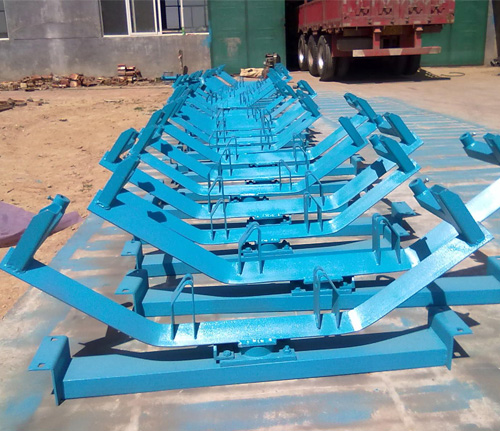
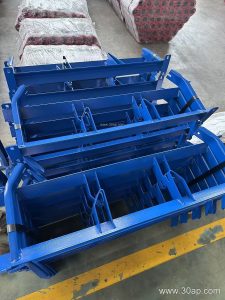
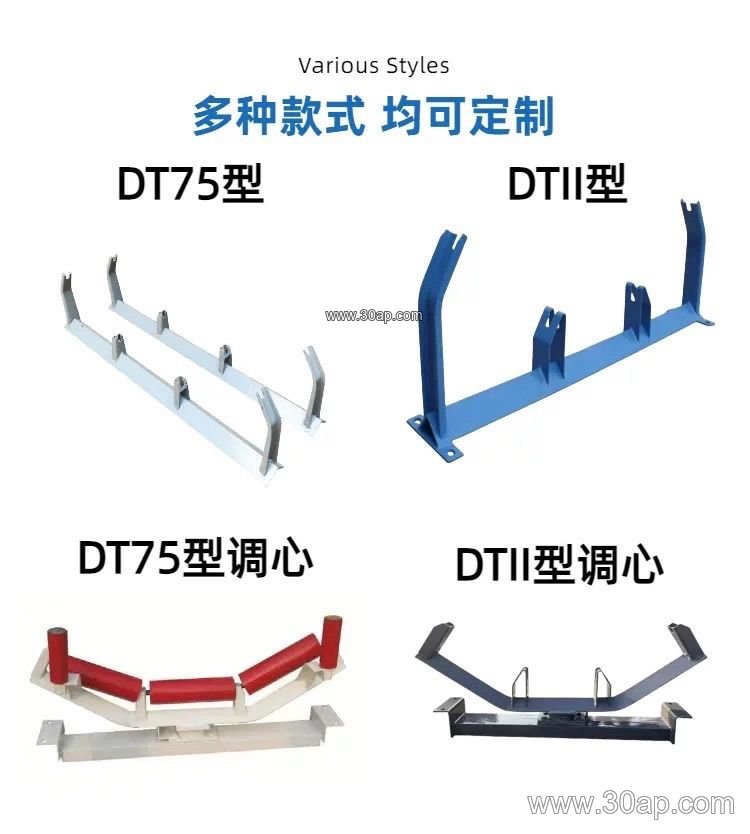
Conveyor bracket fabrication is the work of cutting, bending, drilling and assembling the steel frames that hold idler rollers in place along a conveyor line. In a quarry, cement plant or coal handling system, these brackets carry the full weight of the belt and the material on it, so the quality of the fabrication directly affects belt tracking and service life. A bracket is not a single part but a family of parts: troughing brackets on the carrying side, return brackets underneath, transition and impact brackets near loading points, and self-aligning brackets where belt wander is a concern.
Materials and Build Methods
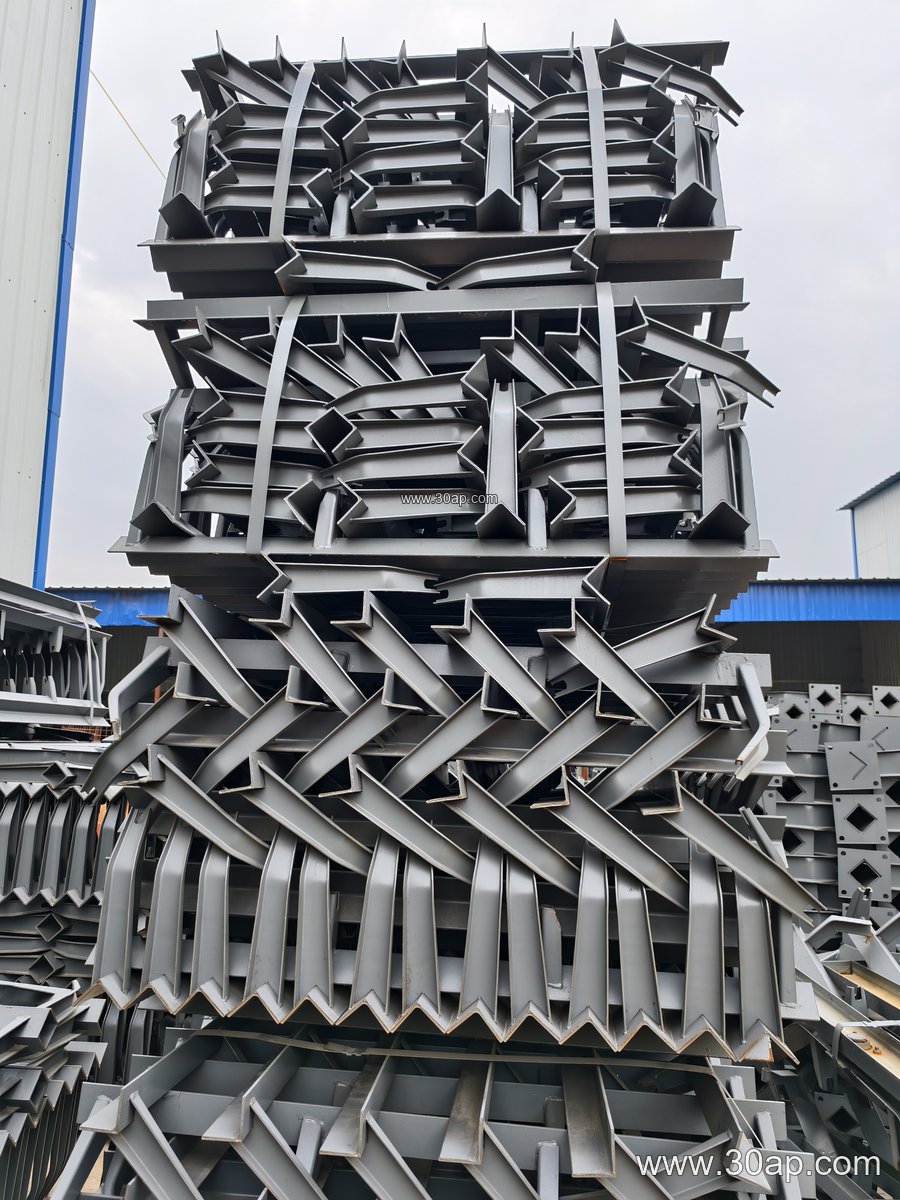
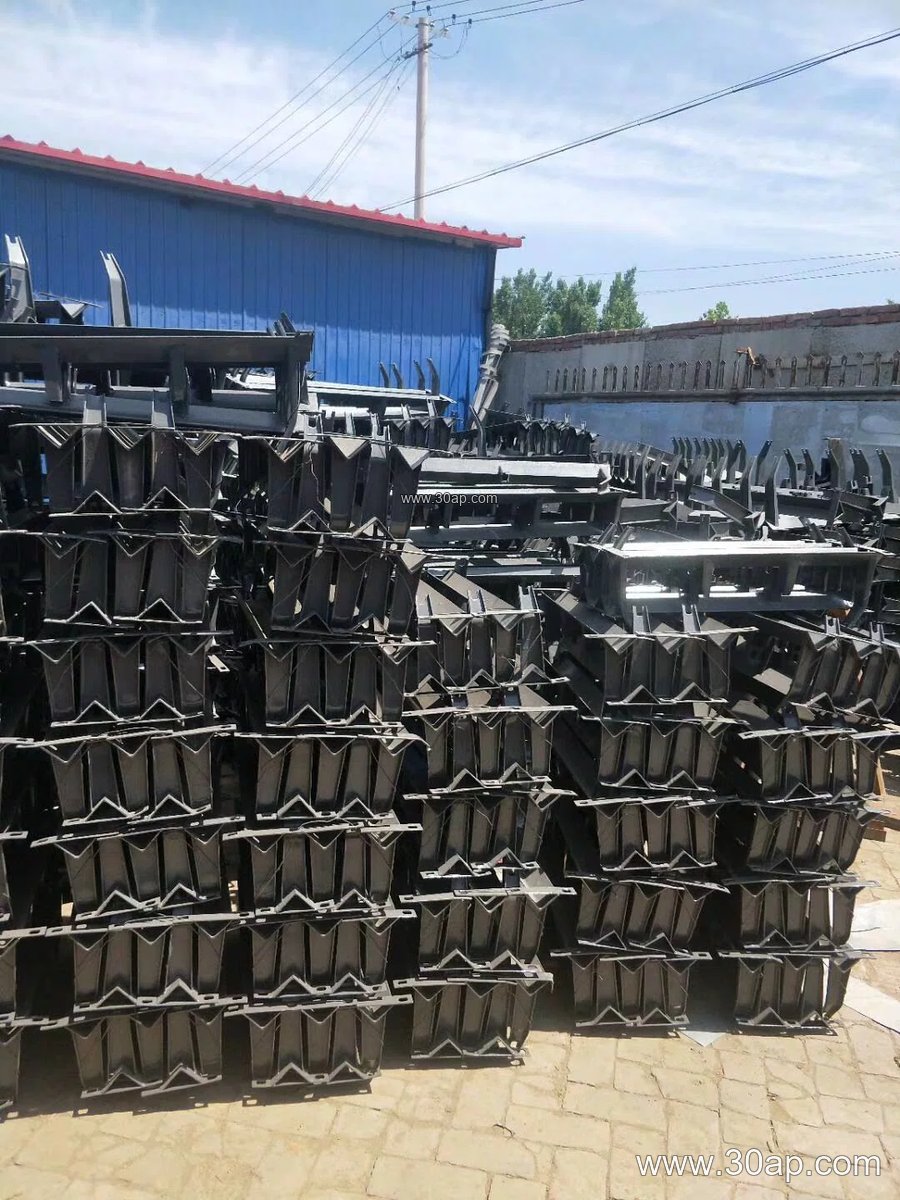
Most brackets are made from angle steel, channel steel or folded steel plate. The choice depends on load and span. Heavy-duty mining conveyor lines usually call for thicker channel or folded plate, while lighter aggregate conveyors can use angle sections. Fabrication steps typically include:
- Cutting stock to length according to the belt width and trough angle
- Punching or drilling mounting holes for idler shafts and frame bolts
- Bending to form the trough profile or the V return shape
- Welding gussets and stiffeners at load points
- Surface treatment such as painting or galvanizing
Hole spacing and crossbeam length change with belt width and trough angle, so these values are set per drawing rather than taken as fixed numbers. A fabricator who works from the conveyor layout, not from a generic template, will produce brackets that fit the first time.
Where These Brackets Are Used
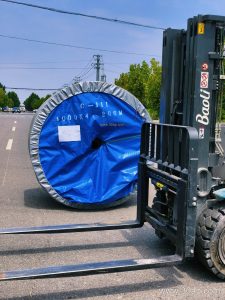
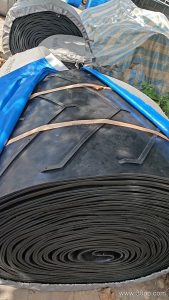
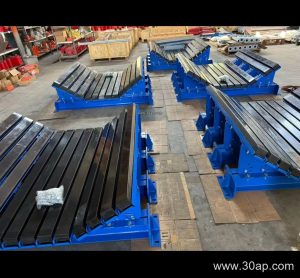
Fabricated brackets appear wherever a belt needs support. In a limestone mine, troughing brackets at 35 degrees keep crushed rock centered on an EP conveyor belt. In a coal preparation plant, flame retardant conveyor belt runs over impact brackets below the loading chute to absorb fall energy. In a power plant coal yard, return brackets with V-shaped rollers guide the empty belt and reduce spillage. Sand and gravel lines, crusher discharge conveyors and port ship loaders all rely on the same fabrication principles.
Matching Brackets to Belt and Roller
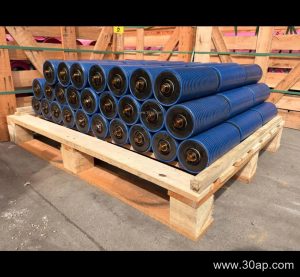
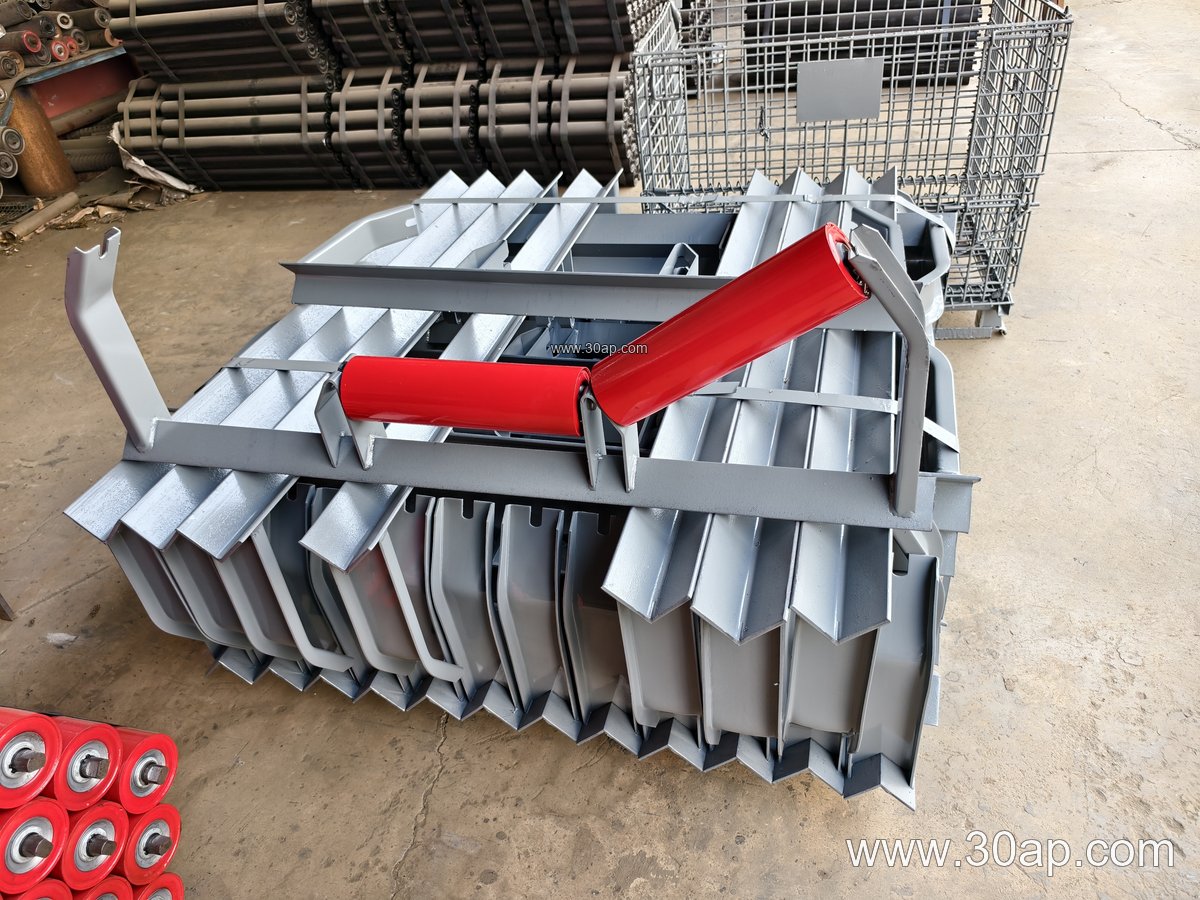
Bracket design follows three inputs: belt width, trough angle and roller diameter. Common belt widths range from B500 up to B2200, trough angles are usually 20, 30, 35 or 45 degrees, and roller diameters such as Ø89, Ø108, Ø133, Ø159 and Ø194 are widely used. These are reference ranges, not fixed pairings. A B800 belt may run at 30 or 35 degrees with Ø108 rollers depending on capacity and material; a B1200 line at 45 degrees often uses Ø133 rollers. Adjustable brackets allow the trough angle to be changed on site within the design range, which helps when material characteristics vary. Forward-leaning brackets, typically set about 1.5 to 2 degrees, assist belt tracking on long runs.
| Item | Typical Reference | Notes |
|---|---|---|
| Belt width | B500 to B2200 | Selected by conveyor capacity |
| Trough angle | 20, 30, 35, 45 degrees | Adjustable types cover a range |
| Roller diameter | Ø89, Ø108, Ø133, Ø159, Ø194 | Depends on load and belt speed |
| Material | Angle, channel, folded plate | Thickness set by design load |
| Bracket types | Troughing, return, impact, transition, self-aligning | Position determines type |
What Buyers Should Check
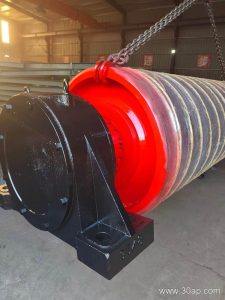
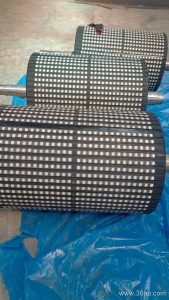
When ordering fabricated brackets, confirm the drawing matches the actual conveyor frame, including bolt hole pitch and crossbeam length. Ask for the steel grade and thickness, and check that welds at load-bearing joints are continuous. For dusty or wet sites, confirm the surface treatment suits the environment. Buyers should also state whether brackets must suit an endless conveyor belt installation, a pipe conveyor belt profile or a corrugated sidewall conveyor belt, because these configurations change roller placement. Finally, request brackets that pair correctly with the idler roller and conveyor pulley positions on the line, since misalignment at the tail or bend pulley area causes edge wear on the belt.
Good fabrication is quiet work: brackets that fit, rollers that sit square, and a belt that runs centered. For anyone building or upgrading a conveyor in mining, cement, power or aggregate operations, investing time in accurate bracket drawings pays back through longer belt and roller life. More details on matching frames with conveyor belt and idler roller selections are available at www.example.com/conveyor-bracket.