What Is an Oil Resistant Conveyor Belt
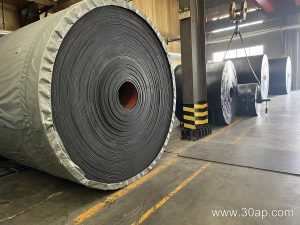
An Oil Resistant Conveyor Belt is a rubber conveyor belt built to resist swelling, hardening, and cracking when it carries materials that contain oil, grease, or fat. It is a special-purpose belt rather than a general black belt, and its value lies in keeping its cover and carcass stable where ordinary rubber would soften and fail. In plants handling oily scrap, coated parts, oily sand, or food processing waste, this belt helps protect the conveyor structure and reduces the need for frequent replacement.
The same product is often called an oil-proof conveyor belt or simply an oil-resistant belt. These names refer to the same article. It should not be confused with a heat resistant conveyor belt or a flame retardant conveyor belt, which solve different problems.
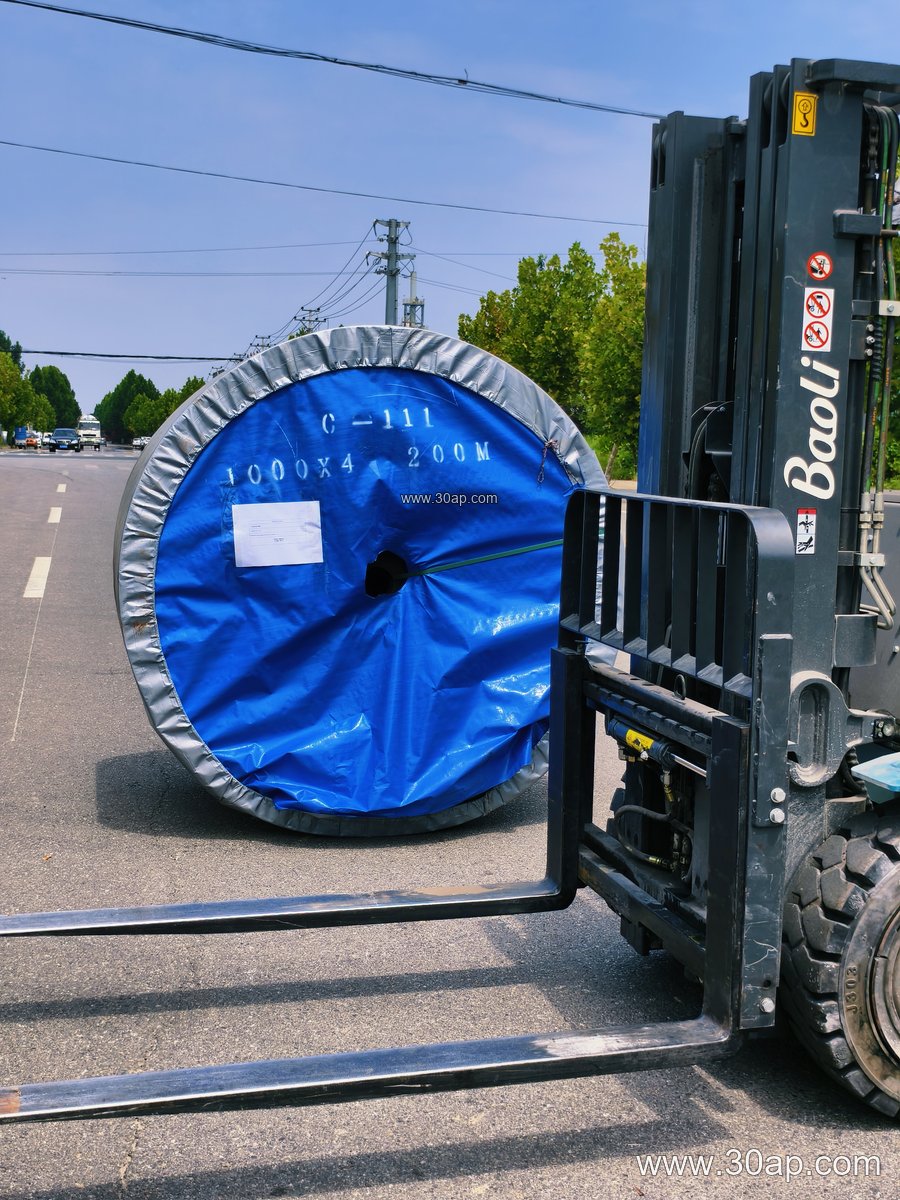
How the Belt Is Built
Most oil-resistant belts use a fabric core and a specially compounded rubber cover. The carcass may be an EP conveyor belt (polyester warp, nylon weft) or an NN conveyor belt (nylon warp and weft). For higher tension or long hauls, a steel cord conveyor belt may be chosen, though oil resistance is most often specified on fabric core types. The cover compound is based on nitrile rubber or a similar oil-tolerant polymer, while the carcass is protected by an oil-resistant skim layer.
Construction details vary by manufacturer:
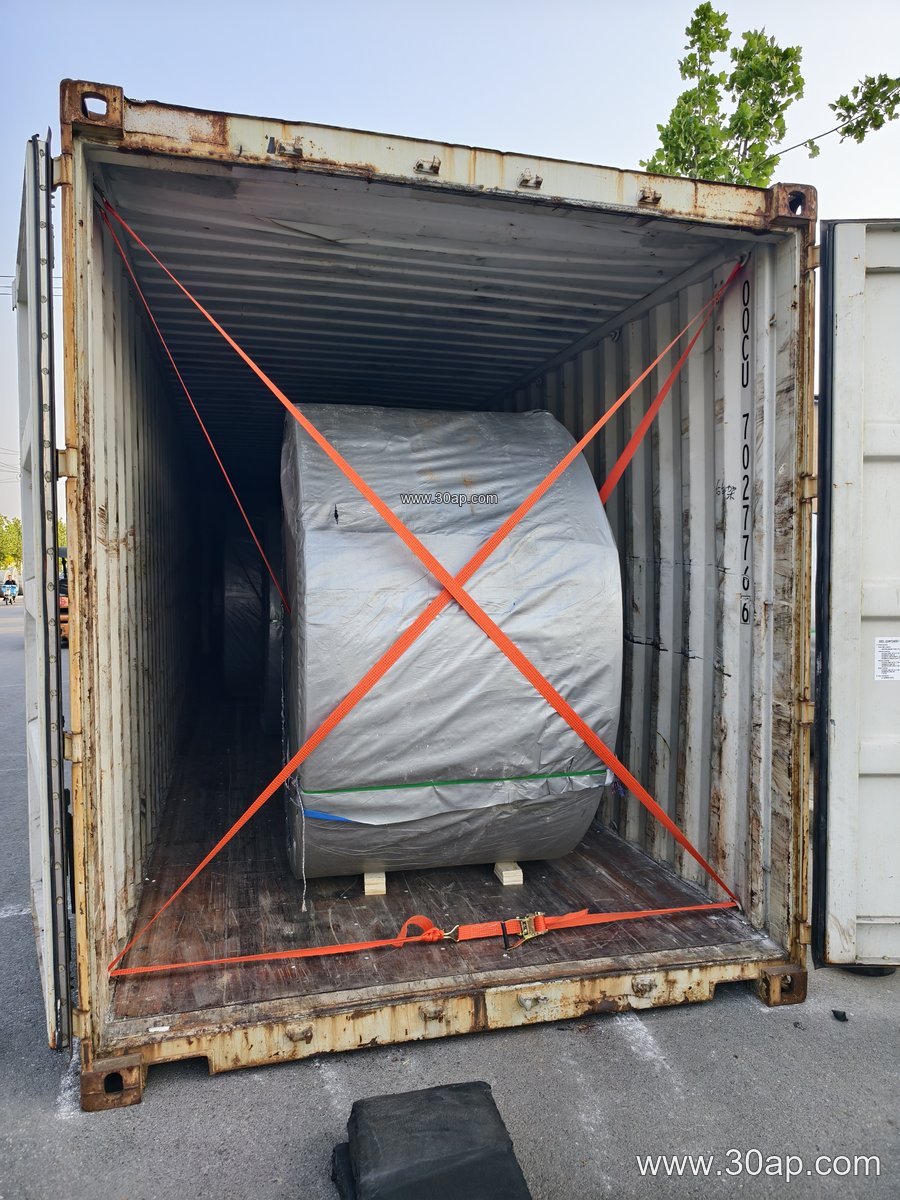
- Cover grades: common oil-resistant grades are designed for moderate or heavy oil exposure.
- Cover thickness: 3+1.5 mm, 4+2 mm, 5+2 mm, 6+2 mm, and 8+3 mm are common combinations of top and bottom cover.
- Ply count: 2 to 6 plies are typical for fabric core belts, depending on the required strength.
- Strength classes: EP200, EP315, EP400, EP500, EP630, EP800, EP1000, EP1250, EP1600, and EP2000 are reference classes for EP belts; NN100 to NN400 are common for nylon belts.
Widths are usually matched to the conveyor frame and material load. Common belt widths include B500, B650, B800, B1000, B1200, B1400, B1600, B1800, and B2000. These are reference sizes, not fixed rules, and the final width should follow the conveyor design.
Where Oil-Resistant Belts Are Used
This belt appears in many industries where oily materials are unavoidable. In recycling and scrap handling, it carries oily metal chips and used parts. In cement plants and power plants, it may handle oily residue or fuel-contaminated bulk material. In food processing, an oil-resistant belt can be used for fried or oily products, though a food grade conveyor belt should be selected when direct food contact is required. In sand and aggregate operations, it can move oil-contaminated sand or stone. In machine shops and metal stamping lines, it carries oily swarf and scrap.
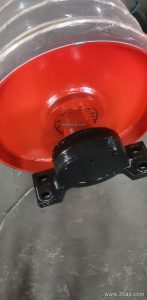
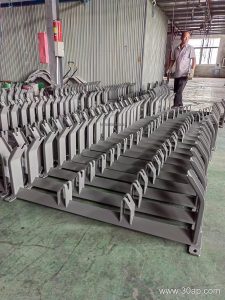
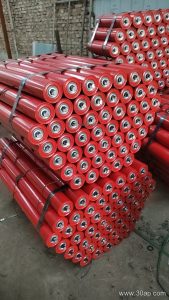
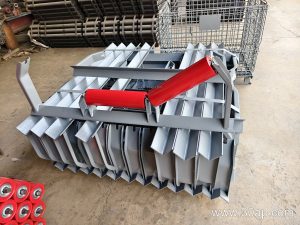
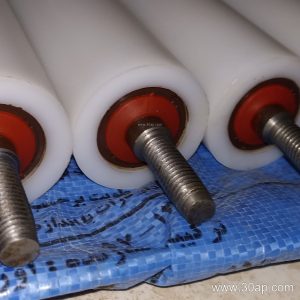
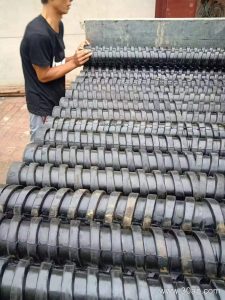
Supporting equipment matters as much as the belt. A conveyor pulley, idler roller, and conveyor bracket must be aligned and maintained so the belt runs straight and does not suffer edge damage. Oil-resistant belts are often used on conveyors that also handle abrasive material, so an abrasion resistant conveyor belt may be compared when wear is the dominant issue rather than oil. If the material is also hot, a heat resistant conveyor belt should be considered instead.
Selection and Maintenance Notes
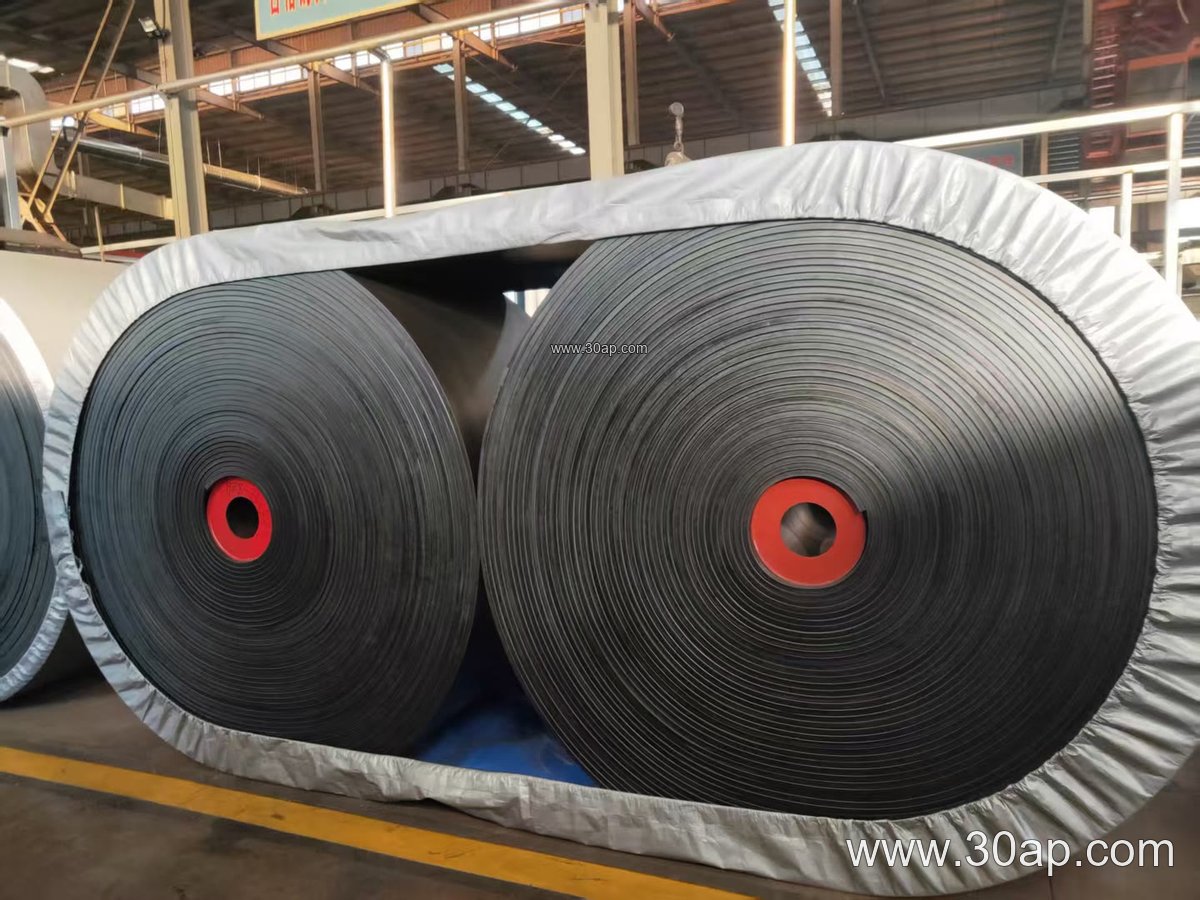
Buyers should define the oil type, exposure time, temperature, and material lump size before choosing a belt. Not every oil is the same: animal fat, mineral oil, and vegetable oil affect rubber differently. A belt that resists one may not resist another. The cover thickness and compound should be selected for the actual oil load, not just the belt strength class.
Common checks during operation include:
- Cover swelling or softening near the loading point.
- Edge wear caused by misaligned idler roller or conveyor pulley.
- Belt tracking problems that increase friction and heat.
- Oil pooling on the belt surface, which can reduce grip on inclines.
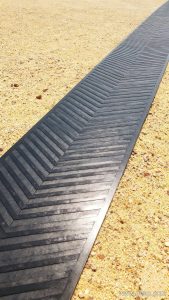
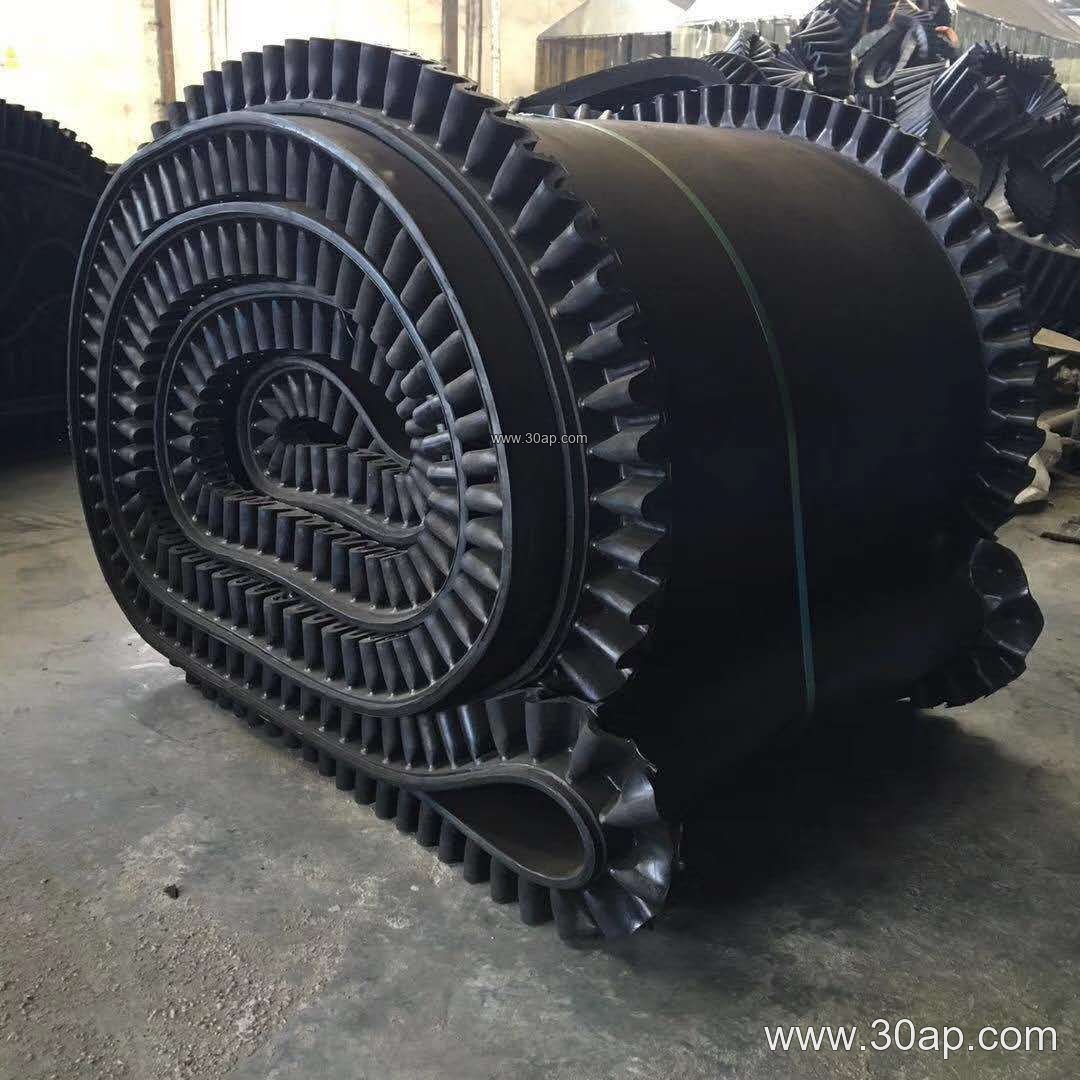
For inclined haulage with oily material, a chevron conveyor belt or a corrugated sidewall conveyor belt may be compared to prevent material rollback, but these are different belt types and should not replace the oil-resistant belt unless the application truly requires their profile. A skirted conveyor belt may also be considered where spillage control is needed.
Buyer Checklist
Request the compound data and confirm the oil resistance class with the supplier. Check that the belt width, ply count, and cover thickness suit the conveyor frame and the load. Verify that the conveyor pulley diameters are compatible with the belt thickness and flexibility, since a thick belt may need larger pulleys. Confirm the belt splice method and whether an endless conveyor belt is preferred for the application. Finally, ask for storage and cleaning guidance, because oil-resistant rubber still benefits from proper handling.