What a Conveyor Idler Frame Does on a Belt System
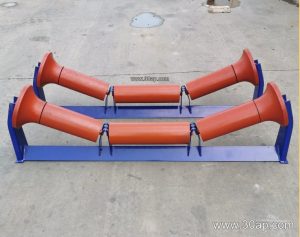
A conveyor idler frame is the structural element that holds idler rollers at the correct position under or above the conveyor belt. It keeps the rollers spaced, sets the trough angle of the carrying side, and transfers the load from the belt and material into the conveyor stringer or support structure. In a quarry, a cement plant, or a power plant coal yard, the frame is one of the quiet working parts that decides how smoothly the belt tracks and how long the rollers last. A well-aligned idler frame also reduces spillage and belt edge wear, which matters when an abrasion resistant conveyor belt is moving crushed rock or clinker at high tonnage.
Construction and Common Configurations
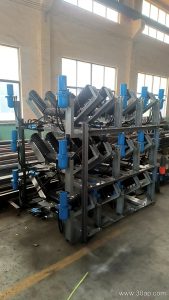
Most frames are fabricated from angle steel, channel steel, or folded steel plate, then drilled or punched for mounting. The carrying side usually uses a troughing idler frame with two or three rollers, while the return side may use a flat return frame or a V-return frame. Transition frames sit near pulleys, and self-aligning or training frames help correct belt drift. Impact frames with cushion rollers are common below loading points where ore or aggregate drops onto the belt.
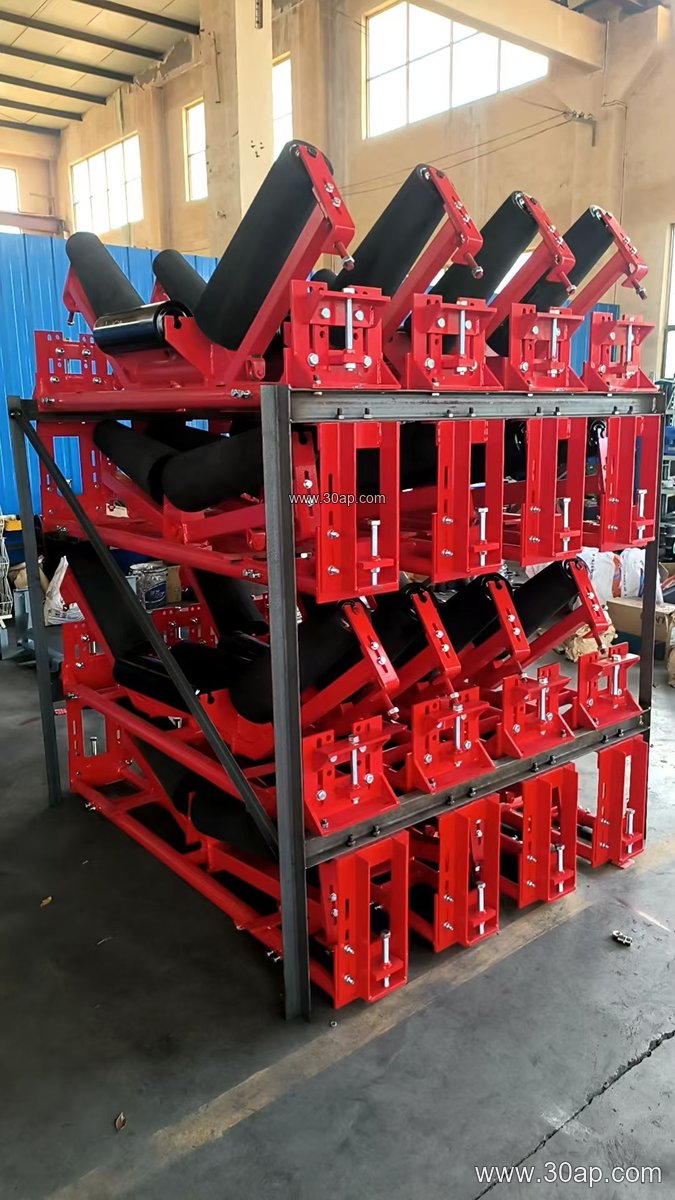
Typical reference data below shows how frame choices relate to belt width and roller size. These are common examples, not fixed combinations; final selection should follow the conveyor design.
- B500 to B800 with 20 to 30 degree trough and Ø89 or Ø108 rollers
- B1000 to B1400 with 30 to 35 degree trough and Ø108 or Ø133 rollers
- B1600 to B2000 with 35 to 45 degree trough and Ø159 or Ø194 rollers
Mounting hole spacing and crossbeam length change with belt width and trough angle, so a frame drawing should always match the actual stringer layout.
Where Frames Fit in Different Industries
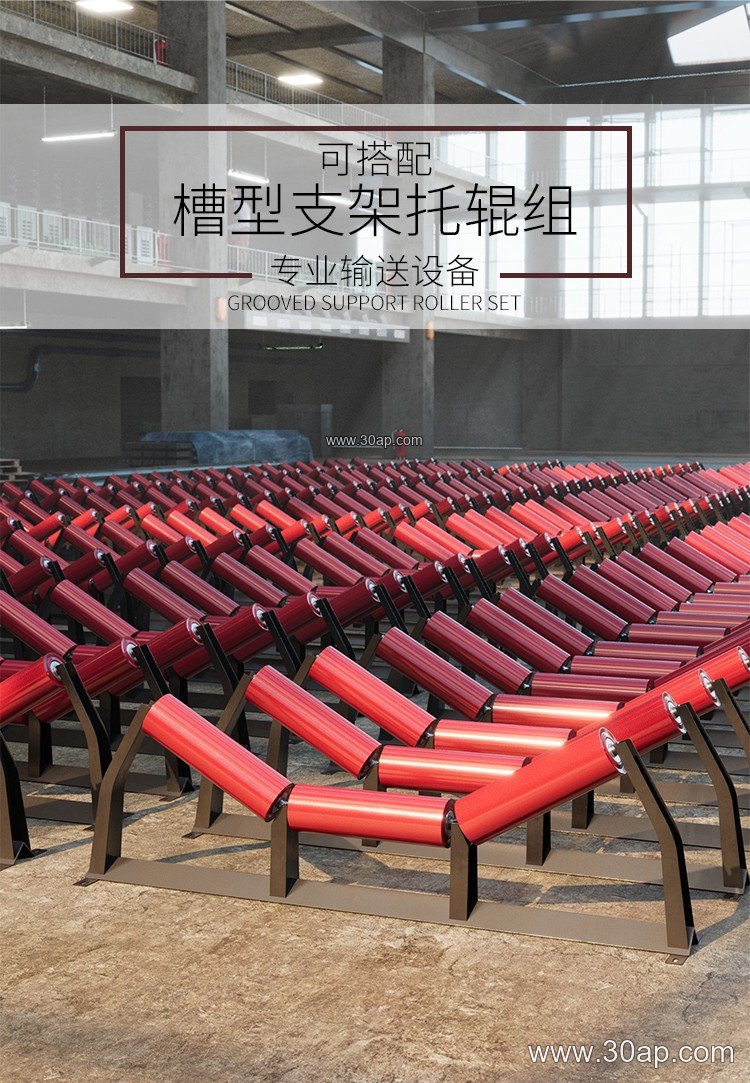
In a limestone quarry or a sand and gravel line, troughing frames carry heavy, sharp material and are often paired with a high abrasion resistant conveyor belt. In a coal washing plant or an underground coal mining conveyor, flame retardant conveyor belt and anti-static properties are priorities, and frames must be easy to inspect in confined spaces. Cement plants use frames along clinker and raw meal lines, while steel plants and sintering plants may need heat resistant conveyor belt grades near hot material. Ports and ship loading systems use wide belts, and the frame spacing must support a stable trough over long spans.
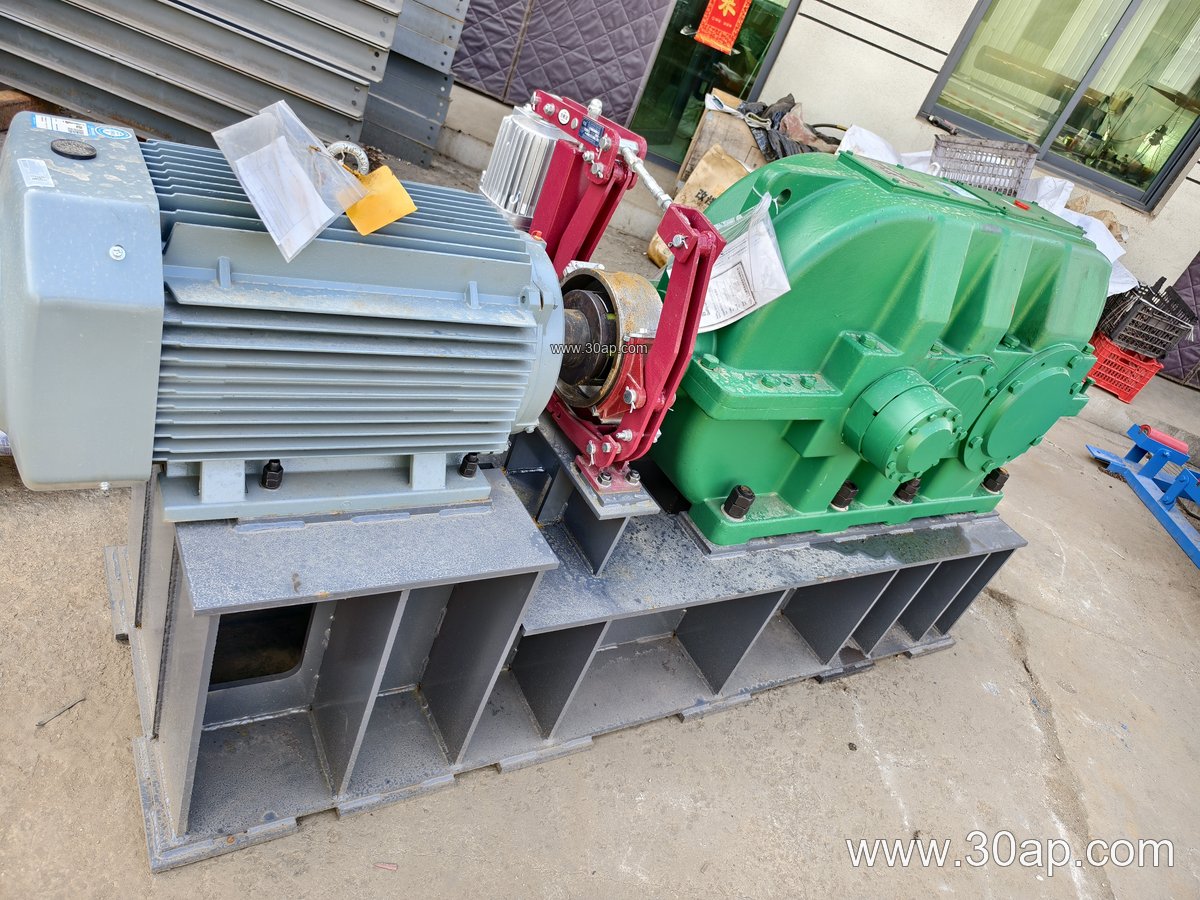
On a typical conveyor, the idler roller, conveyor pulley, and conveyor bracket work together with the idler frame. The drive pulley pulls the belt, the tail pulley returns it, and the bend pulley changes its path; none of these replaces the frame, which remains the support interface for the rollers.
Selection Points for Buyers
Buyers should confirm belt width, trough angle, roller diameter, and the load per frame before ordering. A frame that is too light for the duty can deflect and misalign rollers, which shortens roller life and damages the belt. For a mining conveyor belt or a heavy-duty mining conveyor belt, thicker frames and impact frames at transfer points are usually worth considering. For food grade conveyor belt or cold resistant conveyor belt applications, frame finish and material compatibility may matter more than raw strength.
Ask for drawings that show hole centers, overall length, roller drop-in dimensions, and finish. When replacing frames, measure the existing stringer bolt pattern rather than assuming a standard size. Adjustable frames allow trough angles between common settings, which can help where belt loading varies, but they still need correct roller seating.
Installation and Maintenance Notes
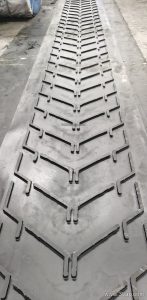
Align frames square to the belt centerline, keep crossbeams level, and check that rollers turn freely after installation. Inspect for loose bolts, bent frames, and material buildup, especially in dusty quarry or coal handling plants. Replacing a damaged idler frame early is cheaper than replacing a chevron conveyor belt or a steel cord conveyor belt that has been damaged by a misaligned roller. Keep spare frames for the most common widths on site so maintenance does not wait on fabrication.